-Introduction
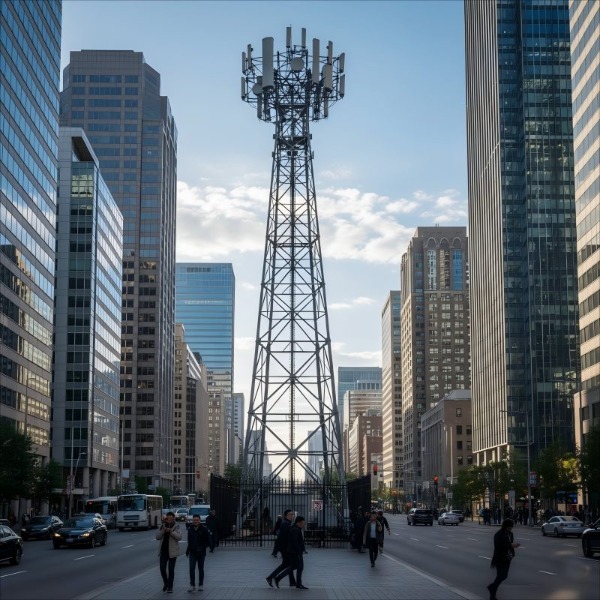
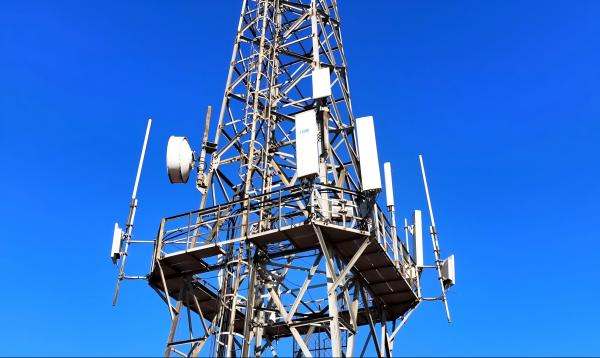
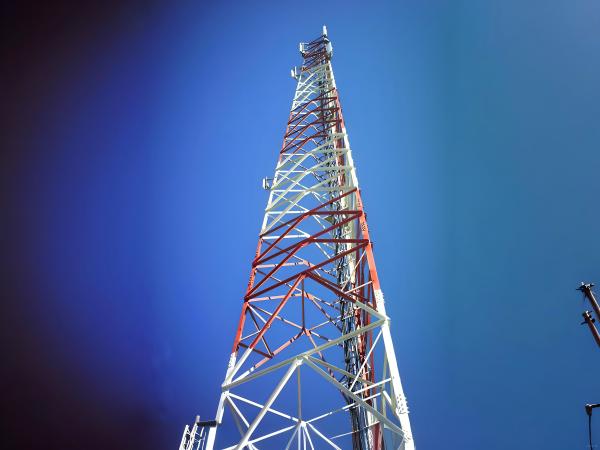
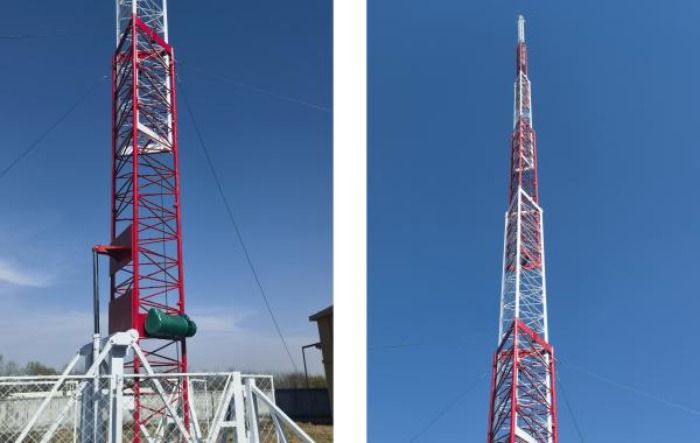
The transition to 5G demands robust infrastructure capable of supporting higher frequencies, massive MIMO antennas, and multi-operator sharing. Among the various tower designs, 3-legged angle steel towers have emerged as a preferred choice for their exceptional strength, stability, and scalability. This blog delves into the technical design considerations that make these towers ideal for multi-operator 5G deployments, with a focus on load capacity, structural adaptability, and future-proofing.

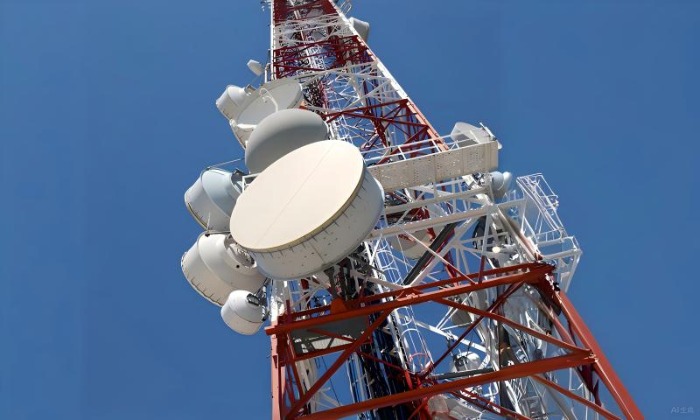
self supporting towers


1. Why 3-Legged Towers for 5G?

The triangular geometry of 3-legged towers provides innate stability and load-bearing efficiency. For 5G deployments, where antenna weight and wind load increase significantly, this design offers:


  1. Superior Resistance to Overturning Moments: Triangular bases distribute mechanical stresses evenly.

  2. Adaptability to Heavy Loads: Capable of supporting multiple operators’ equipment without structural compromise.

  3. Ease of Installation and Maintenance: Modular designs simplify assembly and upgrades.


2. Key Technical Design Considerations

2.1 Load Capacity Analysis

5G deployments involve heavier antennas (e.g., massive MIMO units), more equipment, and higher wind loads. The tower must be designed to handle:

  • Dead Load: Weight of the tower itself, antennas, transmission lines, and platforms.

  • Live Load: Weight of maintenance personnel and tools.

  • Environmental Loads:

    1. Wind Load: The largest variable. Calculated using standards like TIA-222-G or EN 1993-3-1, considering wind speed, antenna surface area, and tower height.

    2. Ice Load: Critical in cold climates; ice accumulation on antennas and towers increases weight and wind drag.

--Example Load Calculation:
A 30-meter 3-legged tower in a coastal region (wind speed 50 m/s) with six 5G massive MIMO antennas per operator might need to support:

  1. Antenna load: ~600 kg

  2. Wind load: ~15 kN

  3. Ice load: ~200 kg (if applicable)


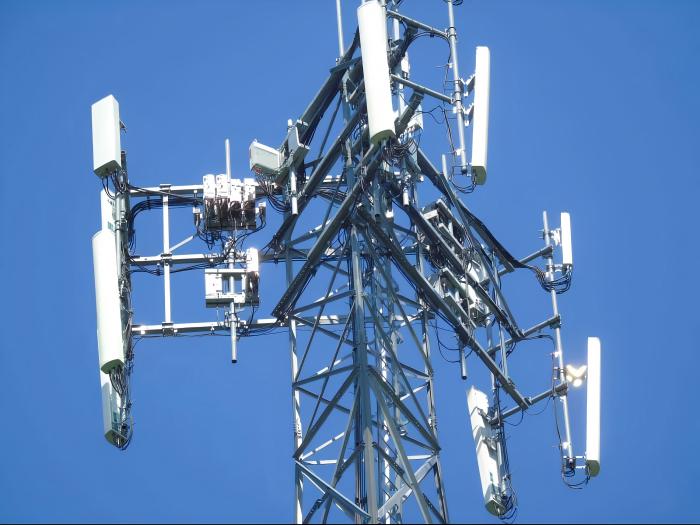
self support tower


2.2 Structural Design Specifications

  1. Material Selection: High-strength steel (e.g., Q345 or ASTM A572) with a minimum yield strength of 345 MPa.

  2. Corrosion Protection: Hot-dip galvanizing per ASTM A123 for longevity in harsh environments.

  3. Connections: Bolted joints for ease of assembly and future modifications.

  4. Foundation: Reinforced concrete foundations designed to resist uplift and overturning forces.

2.3 Multi-Operator Configuration

To host multiple operators, the tower must accommodate:

  • Antenna Mounting Positions: Multiple platforms at different heights to avoid interference.

  • Cable Management: Dedicated pathways for fiber and power lines to avoid clutter and ensure safety.

  • Weight Distribution: Asymmetric loading must be accounted for in the structural design.


3. 5G-Specific Design Challenges


  • Massive MIMO Antennas: These are larger and heavier than previous generations. A single massive MIMO unit can weigh 20-30 kg, and towers may host dozens of them.

  • Wind Load Dynamics: The larger surface area of 5G antennas increases wind load, requiring stronger towers and foundations.

  • Frequency Interference: Antennas must be spaced to avoid interference, which influences tower height and platform design.


4. Case Study: Deploying a Multi-Operator 5G Tower

Project Overview: A 35-meter 3-legged tower in an urban area to host three mobile operators.


  • Load Requirements:

    1. Each operator: six massive MIMO antennas, two microwave dishes, and remote radio units.

    2. Total equipment weight: ~2,000 kg.

    3. Wind load: 20 kN (based on local wind speed data).

  • Design Adaptations:

    1. Additional bracing at higher elevations to handle asymmetric loads.

    2. Custom platforms with dedicated mounting positions for each operator.

    3. Foundation designed for 40-ton uplift capacity.


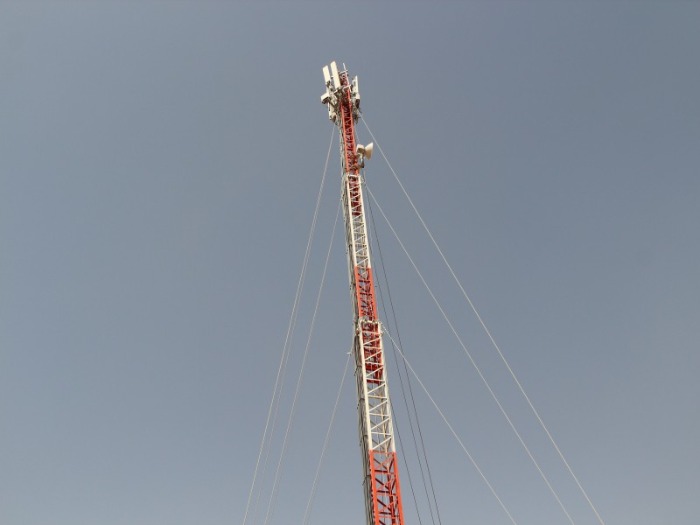
self support tower


5. Standards and Compliance

  • International Standards:

    1. TIA-222-G: Structural standards for antenna supporting structures.

    2. EN 1993-3-1: European design standard for towers and masts.

  • Seismic and Cyclonic Standards: Region-specific codes (e.g., ISO 3010 for seismic design).


6. Future-Proofing the Design

  • Adaptability to 6G: Towers should be designed to accommodate even heavier and larger antennas.

  • IoT Integration: Support for sensors (e.g., structural health monitoring) to enable predictive maintenance.

  • Sustainability: Use of recycled steel and designs that minimize material usage without compromising strength.


Conclusion

The 3-legged angle steel tower is a technically sound solution for multi-operator 5G deployments. Its design efficiently balances load capacity, structural integrity, and adaptability, making it ideal for the demanding requirements of modern networks. By adhering to international standards and focusing on future-proofing, network operators can ensure their infrastructure remains viable for decades to come.


 Learn more at  www.alttower.com
 

Contact Us

Introduction
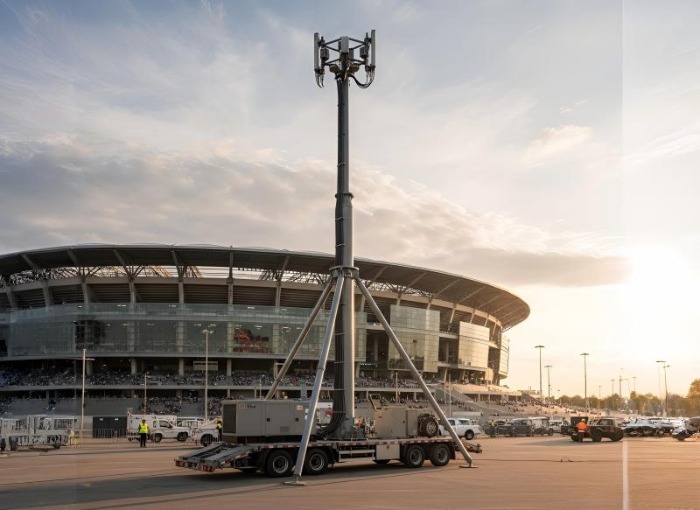
Large-scale events like music festivals, sports games, and public gatherings place immense demand on wireless networks. To ensure seamless connectivity for attendees, network operators deploy Cell on Wheels (COW)—mobile, temporary cell sites that provide additional capacity and coverage. However, not all COWs are created equal. The technical specifications of these units determine their effectiveness in high-density environments. This blog breaks down the key technical and application requirements for COWs at large venues and festivals.


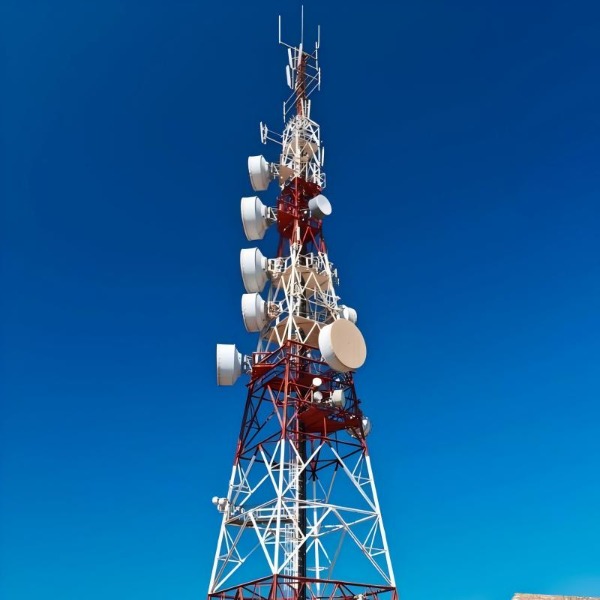
cow cell on wheels


1. What is a Cell on Wheels (COW)?

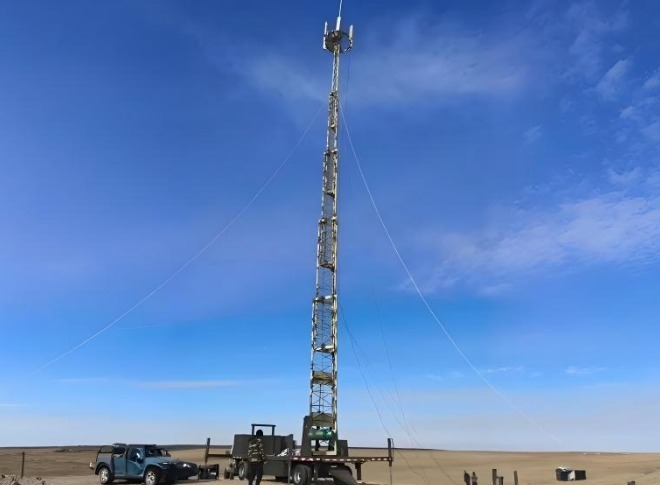
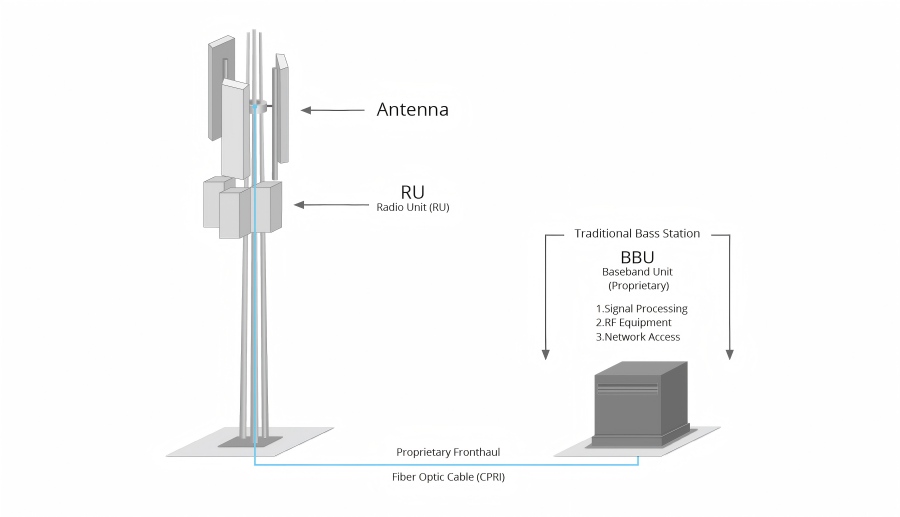
A COW is a portable cellular base station mounted on a trailer or vehicle. It includes antennas, radio equipment, backhaul connectivity, and power systems. COWs are designed for rapid deployment in areas where permanent infrastructure is insufficient or unavailable.


2. Key Technical Specifications for Large Venues

2.1 Structural and Deployment specs

  • Mobility and Setup Time:

    1. Trailer Design: Heavy-duty, towable trailers with stabilization systems (e.g., hydraulic jacks) for uneven terrain.

    2. Rapid Deployment: Setup time should be under 2–3 hours for critical event scenarios.

  • Height and Mast System:

    1. Antenna Height: Telescoping masts reaching 10–30 meters to ensure line-of-sight coverage over crowds.

    2. Wind Resistance: Must withstand wind speeds of ≥80 km/h (e.g., ANSI/TIA-322 standards).

2.2 Radio Access Network (RAN) specs

  • Multi-Technology Support:

    1. 4G LTE and 5NR Compatibility: Essential for handling both current and next-gen devices.

    2. Frequency Bands: Support for low-band (e.g., 600MHz for coverage) and mid-band (e.g., 3.5GHz for capacity).

  • Capacity and Throughput:

    1. Sectorization: Typically 3–4 sectors per COW, each with multiple antennas for MIMO (e.g., 4x4 MIMO).

    2. Simultaneous Users: Capable of supporting 1,000–2,000+ concurrent users per COW.

    3. Peak Data Rates: 1+ Gbps aggregate throughput per unit.

2.3 Backhaul Connectivity

  • Fiber vs. Wireless:

    1. Fiber Optic: Preferred for high capacity and low latency but requires pre-existing infrastructure.

    2. Microwave/Wireless Backhaul: E-band or millimeter-wave links offering 1–10 Gbps capacity with rapid deployment.

  • Satellite Backup: For remote locations without fiber or microwave access.

2.4 Power Systems

  • Primary Power Options:

    1. Grid Connection: If available, with automatic transfer switches.

    2. Diesel Generators: Common for off-grid deployments, with 24–48 hours of fuel autonomy.

  • Green Alternatives:

    1. Battery Storage: Lithium-ion batteries for silent, emission-free operation.

    2. Solar Hybrid Systems: Supplementary solar panels to reduce generator runtime.

2.5 Environmental Resilience


  • Weatherproofing: IP55-rated enclosures for dust and water resistance.

  • Temperature Range: Operational from -30°C to +50°C with integrated HVAC systems.


cow cell tower


cow cell on wheels


3. Application Considerations for Festivals and Venues

3.1 Coverage vs. Capacity Planning

  1. High-Density Zones: COWs must be placed near stages, entrances, and food areas where user concentration is highest.

  2. Interference Management: Coordination with permanent macro sites to avoid handoff issues or signal interference.

3.2 Integration with Event Workflows

  1. Stealth and Aesthetics: COWs can be camouflaged or branded to blend into event themes.

  2. Safety and Security: Fenced enclosures and 24/7 monitoring to prevent tampering or theft.

3.3 Real-World Deployment Examples


  1. Music Festivals (e.g., Coachella): COWs with 5G mmWave capabilities deliver multi-gigabit speeds for live streaming and social sharing.

  2. Sports Stadiums: COWs supplement permanent DAS (Distributed Antenna Systems) during playoff games or concerts.

  3. Emergency Response: Used in disaster recovery scenarios to restore communication.


cell site on wheels


4. Operational and Cost Considerations

  • Rental vs. Ownership: Many operators lease COWs from specialty firms like Verizon Portable Network or AT&T COW Units.

  • Total Cost of Deployment: Ranges from $10,000 to $50,000 per event, including transport, setup, and teardown.

  • Monitoring and Maintenance: Remote management via IoT sensors for fuel levels, battery status, and equipment health.


5. Future-Proofing COW Deployments

  • 5G-Advanced Features: Support for massive MIMO (e.g., 64T64R antennas) and dynamic spectrum sharing (DSS).

  • AI-Driven Optimization: Machine learning to predict traffic patterns and auto-admit network parameters.

  • Modular Design: Swappable components for easy upgrades to new technologies.


cow cell on wheels


Conclusion: The Unsung Heroes of Event Connectivity

Cell on Wheels units are engineering marvels that combine rugged mobility with cutting-edge wireless technology. Their technical specifications—from mast height and backhaul capacity to power autonomy—directly impact their ability to keep thousands of users connected seamlessly. For network planners, understanding these specs is key to delivering a flawless experience at large venues and festivals. As events grow in scale and digital dependence, COWs will continue to evolve, ensuring that connectivity never becomes a bottleneck.


 Learn more at   www.alttower.com
 

Contact Us

Introduction
In the world of telecommunications infrastructure, not all towers are created equal. When it comes to heavy-duty applications requiring exceptional strength, stability, and longevity, 3-legged angle steel towers have consistently proven to be the superior choice. Their dominance in supporting critical communication networks - from urban 5G deployments to remote microwave links - stems from fundamental structural advantages that make them uniquely suited for demanding environments. This article explores the engineering principles behind their success and why they continue to be the go-to solution for heavy-duty telecom applications.


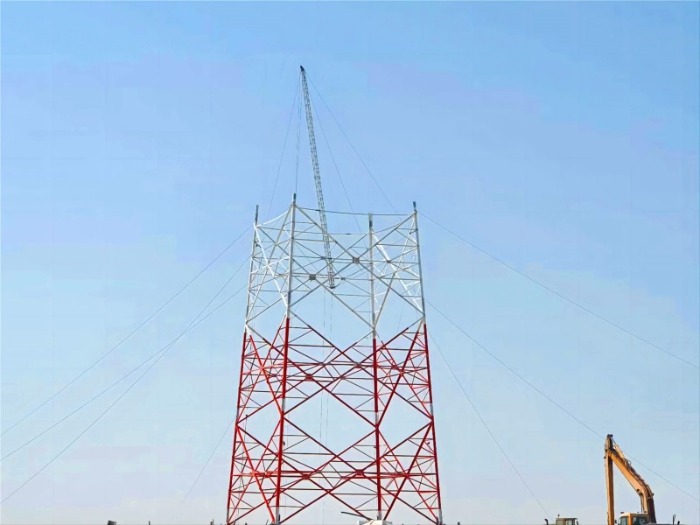
self supporting towers


The Geometry of Strength: Triangular Stability
The exceptional performance of 3-legged towers begins with their fundamental geometry. The triangular configuration creates an inherently stable structure that efficiently distributes mechanical stresses. Unlike four-legged structures that can experience racking (parallelogram deformation) under asymmetric loads, the triangular form is geometrically rigid. This inherent stability provides several key advantages:


  1. Superior Resistance to Overturning Moments: The wide triangular base creates a large footprint that effectively counteracts overturning forces from wind and unbalanced equipment loads

  2. Optimal Load Distribution: Stress paths follow natural vectors to the foundation points, minimizing bending moments in individual members

  3. Reduced Material Requirements: The efficient force transmission allows for lighter structures compared to less efficient designs with similar load capacity


Engineering Specifications for Heavy-Duty Applications
Modern 3-legged angle steel towers are engineered to meet rigorous performance standards. Key technical specifications include:

Materials and Construction:

  1. High-strength steel with yield strength of 345 MPa or greater

  2. Hot-dip galvanized coating per ASTM A123 standards (minimum 85μm thickness)

  3. Bolted connections allowing for field adjustment and future modifications

  4. Modular design enabling heights from 15 to 80+ meters


self support tower


Load Capacity Considerations:

  1. Wind load resistance up to 200 km/h (category 4 hurricane strength)

  2. Simultaneous support for multiple carriers with equipment loads exceeding 5,000 kg

  3. Ice load capacity for northern climates (up to 50mm radial ice accumulation)

  4. Seismic performance meeting zone 4 requirements (high seismic activity)


Structural Analysis and Design Methodology
The design process for 3-legged towers involves sophisticated engineering analysis:

Wind Load Calculations:
Using international standards such as TIA-222-G or EN 1993-3-1, engineers calculate wind loads considering:

  1. Regional wind speed data (3-second gust speeds)

  2. Topographic effects (hilltops, ridges, etc.)

  3. Antenna surface area and wind drag coefficients

  4. Dynamic response characteristics

Foundation Design:
The triangular configuration enables efficient foundation systems:

  1. Individual concrete foundations at each leg point

  2. Designed for uplift, compression, and shear forces

  3. Typically 20-30% smaller than equivalent four-legged tower foundations

  4. Geotechnical adaptation to various soil conditions


angle steel tower


Future-Proofing Telecom Infrastructure
The structural efficiency of 3-legged towers makes them ideal for evolving network needs:

6G Readiness:

  1. Capacity for heavier, larger antennas

  2. Support for increased antenna quantities

  3. Adaptation to higher frequency bands with tighter spacing requirements

Sustainability Considerations:

  1. Reduced material usage lowers embodied carbon

  2. Long service life (40+ years) with minimal maintenance

  3. Recyclable materials at end of life


Conclusion
The dominance of 3-legged angle steel towers in heavy-duty telecom applications is no accident. Their structural efficiency, born from the fundamental stability of triangular geometry, provides an optimal balance of strength, capacity, and economy. As telecom networks continue to evolve with heavier equipment and more demanding environmental requirements, the inherent advantages of this proven design ensure its continued relevance. For engineers and network planners facing heavy-duty challenges, the 3-legged angle steel tower remains the benchmark for performance and reliability.


 Learn more at   www.alttower.com
 

Contact Us

The race to deploy 5G networks demands infrastructure that balances speed, cost, and scalability. For multi-operator RAN sharing—a cornerstone of efficient 5G rollout—the 4-legged angle steel tower has emerged as the undisputed champion. Its structural superiority, adaptability, and economic advantages make it the ideal host for shared networks. Here's why.


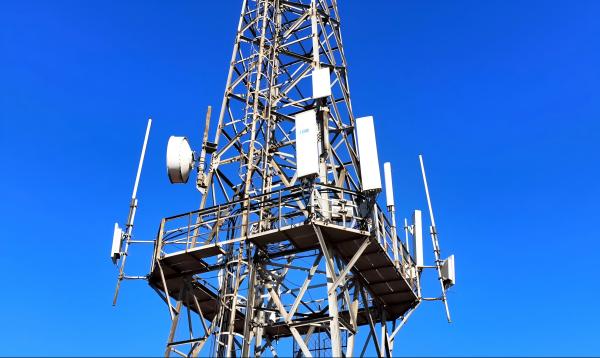
4 legged telecom tower


1. The 5G RAN Sharing Imperative

5G deployment is capital-intensive, with spectrum, equipment, and site construction driving costs upward. RAN sharing allows multiple operators to pool infrastructure, drastically reducing expenses while accelerating coverage. For example, shared 5G infrastructure in China saved operators ¥2,700 billion over five years by cutting duplicate investments .

However, not all towers can handle the added load and complexity of multi-operator equipment. This is where the 4-legged tower shines.


2. Structural Advantages: Built for Heavy-Duty Sharing

2.1 Unmatched Load Capacity

4-legged towers distribute weight and wind forces across a wider base, enabling them to support:

  1. Heavier Antennas: Massive MIMO units and multi-band arrays for 5G.

  2. More Equipment: RRUs, microwave dishes, and future IoT sensors.

  3. Higher Wind Resistance: Stable even in extreme weather (e.g., 0.55 kN/m² wind pressure) .

Compared to 3-legged or monopole designs, 4-legged towers exhibit 30–40% greater load tolerance, allowing up to 4–6 operators to co-locate antennas without structural compromises .

2.2 Expansive Platform Space

The quadrilateral design accommodates multiple platforms at varying heights, addressing critical needs for:

  1. Antenna Isolation: Avoiding interference between operators' equipment.

  2. Modular Expansion: Adding platforms or brackets for new tenants .

  3. Maintenance Access: Safe, dedicated spaces for technicians from different operators.


self support tower


3. Economic Benefits: Lowering TCO for All

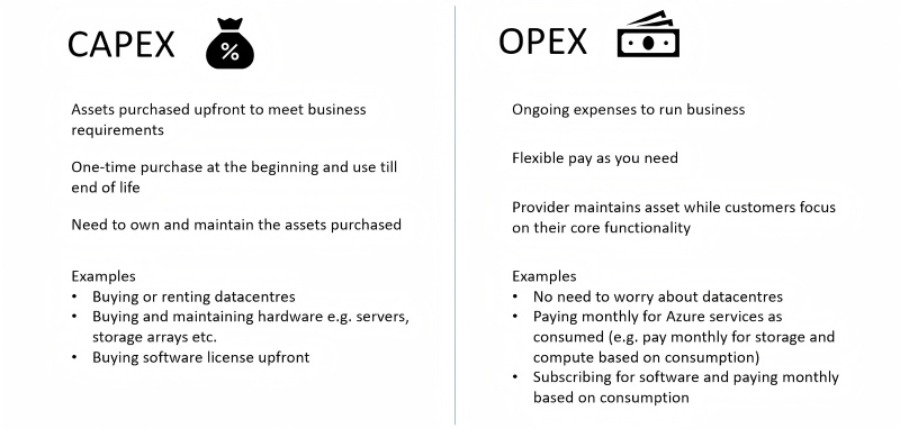
3.1 Reducing CAPEX and OPEX

  1. Shared Infrastructure Costs: Operators split tower construction, power, and maintenance expenses. In China, shared sites lowered 5G deployment costs by ¥600 billion and annual OPEX by ¥60 billion .
  2. Fewer New Sites: By maximizing existing towers, operators avoid land acquisition and zoning delays.

3.2 Streamlined Deployment

  1. Faster Rollouts: Pre-engineered 4-legged towers can be deployed in 30 days, slashing project timelines .

  2. Plug-and-Play Upgrades: Modular components (e.g., platforms, cables) simplify additions during network expansions.


CPEX

4. Engineering Innovations for RAN Sharing

4.1 Adaptive Structural Reinforcements

To host additional operators, 4-legged towers can be optimized via:

  1. Load-Balancing Platforms: Distributing antenna weight evenly to prevent overstress.

  2. Reinforced Foundations: Augmented concrete bases or pilings for stability .

  3. Component Upgrades: High-strength steel (e.g., Q345) and hot-dip galvanizing for longevity .

4.2 Power and Backhaul Integration

  1. Unified Power Systems: Shared 5G power solutions minimize grid upgrades and battery redundancy .

  2. Multi-Fiber Conduits: Dedicated pathways for each operator's transmission lines .


telecom ran sharing


5. Case Study: Multi-Operator Success in China

A 45-meter 4-legged tower in Guangdong hosts 3 operators, each with:

  1. 6 massive MIMO antennas.

  2. 2 microwave backhaul dishes.

  3. RRUs mounted at mid-height.

self supporting towers

Results:

  1. 40% lower per-operator costs versus single-tenant sites.

  2. Zero structural retrofitting during 5G upgrades.

  3. 98.5% network uptime during typhoon season .


6. Future-Proofing for 6G and Beyond

4-legged towers are inherently scalable:

  1. 6G Readiness: Support for larger, higher-frequency antennas.

  2. AI and IoT Integration: Mounts for sensors, edge servers, and energy-harvesting systems.

  3. Sustainability: Compatibility with solar panels and green power solutions .


7. Conclusion: The Smart Choice for Shared 5G

The 4-legged angle steel tower is more than a structure—it's a strategic asset for multi-operator RAN sharing. By combining brute strength with economic efficiency, it empowers operators to deploy 5G faster, cheaper, and smarter. As networks evolve, this timeless design will continue to form the backbone of connected communities.


 Learn more at  www.alttower.com
 

Contact Us

If you're tired of your neighbor's footsteps, conversations, or TV noise, you're not alone. Many people wonder if sound barriers can reduce neighbor noise—the answer is: yes, they do help, but there are limitations.


🎧 The Role of Sound Barriers

Premium Acoustic Wood Slat Panels Manufacturer

Sound barriers are designed to absorb indoor sound, reduce echoes, improve clarity, and make your space feel quieter and more comfortable. If installed properly—especially high-density sound barriers—they can also reduce some noise from outside.


🚫 Limitations of Sound Barriers


Traditional sound barriers don't completely block out noise. If your neighbors are very noisy, or if the noise is coming from the building structure (such as walls, floors, pipes), you may need to use a combination of soundproofing materials, such as high-density fiberboard (MDF), thermal insulation, or other soundproofing solutions.

Many people ask this question—the answer is both yes and no.


The primary function of acoustic panels is to absorb sound, not block it. This means they reduce echoes, reverberation, and noise reflections within the room, making it clearer, quieter, and more comfortable.


However, if high-density materials are used, acoustic panels can also help reduce noise levels both inside and outside the room—especially when combined with appropriate soundproofing measures.

Customizable Acoustic Wood Slat Panels Supplier

Guangdong Liyin Acoustics is dedicated to designing acoustic solutions that combine performance and aesthetics. Our wood slat wall panels, PET acoustic panels, and high-density MDF cores offer superior sound absorption, helping to control noise in any interior space.

Want to create a space that boasts stunning aesthetics and perfect sound quality?


Guangdong Leeyin Acoustics makes it easy to customize your own acoustic panel solution – seamlessly integrating aesthetics, acoustic control, and brand image.

Premium Acoustic Wood Slat Panels Manufacturer

Here's how we help you turn your vision into reality 👇


🧩 1. Customized Design Consultation


Our team of experts will work with you to gain a deep understanding of your project goals, whether it's an office, recording studio, hotel, or home. We will provide acoustic design advice and material recommendations to ensure both beauty and performance.


🎨 2. Customizable Panel Options


From wood slatted wall panels to fabric acoustic panels, you can choose:


Panel size and pattern


Finish type (oak, walnut, ash, etc.)


Color, texture, and finish options


Fire-retardant or environmentally friendly materials


🏗️ 3. Flexible Installation and Superior Acoustic Performance


Leeyin panels can be installed vertically, horizontally, or suspended, providing flexibility for creative interior layouts while maintaining top-notch sound absorption performance.

Still bothered by noise coming through wall gaps? Whether it's a home studio, office, or bedroom, proper soundproofing can make a significant difference—and that's precisely where Leeyin Acoustics excels.


Guangdong Leeyin Acoustics specializes in high-performance wood strip acoustic panels, perfectly combining modern design with superior sound absorption. Our acoustic panels help you create a quiet and private space where your neighbors can't hear a thing.

Custom Solutions Acoustic Wood Slat Panels

Here are the secrets to creating truly effective soundproofing 👇


🪵 1. Install Sound-Absorbing Wall Panels


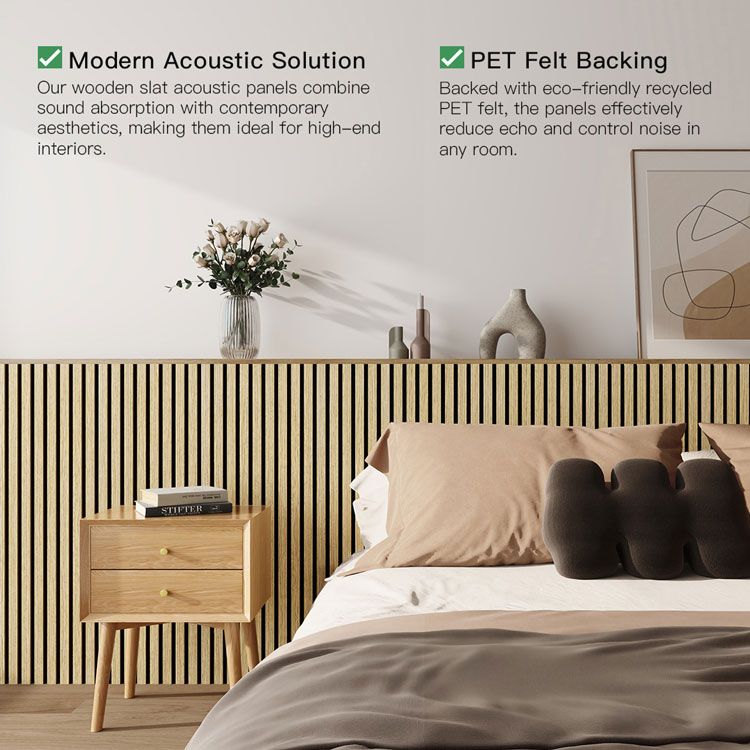
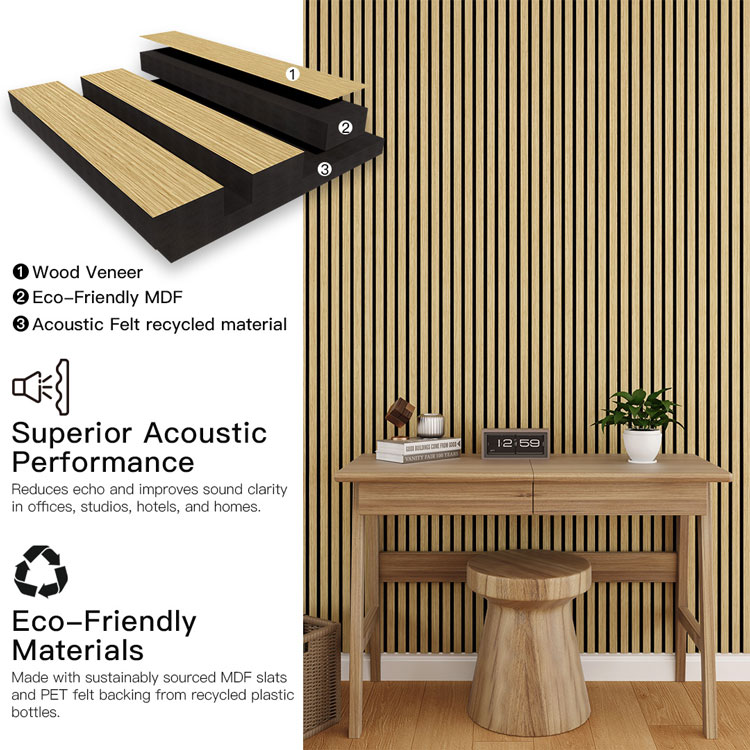
Leeyin wood strip acoustic panels use PET felt backing and high-density MDF boards to effectively reduce echoes and block sound transmission.


🚪 2. Seal Gaps


Even small gaps can allow sound to penetrate. Use soundproofing sealant or door/window sealing strips to seal gaps around doors and windows.


🧱 3. Add sound-absorbing surfaces


Combine LAIN sound-absorbing panels with sound-absorbing ceilings, soft furnishings, and carpets to minimize sound reflections and create a quieter environment.

Absolutely—with the right methods, the soundproofing effect is remarkable! 🎯


Soundproofing is not just about blocking noise; more importantly, it's about controlling the propagation of sound through walls, ceilings, and floors. Using suitable materials, such as high-density sound-absorbing panels, can significantly reduce noise transmission, creating a quieter space—whether it's a home office, studio, or living room.

Customizable Acoustic Wood Slat Panels Supplier

Guangdong Leeyin Acoustics Co., Ltd. specializes in wood slat wall panels and sound-absorbing panels, combining sound absorption with aesthetics. Our panels use high-quality medium-density fiberboard (MDF), recycled PET felt, and fine natural wood veneer, perfectly blending effective soundproofing with modern interior design.


🌟 Advantages of Leeyin Acoustic Panels:


✅ High-density medium-density fiberboard (MDF) for superior sound insulation


✅ PET felt backing for effective echo reduction and durability


✅ Precision-designed slats for acoustic balance


✅ Manufactured in strict accordance with international quality standards


With over 20,000 square meters of advanced production facilities, Leeyin is one of China's leading exporters of acoustic wood slat wall panels, providing trusted, customized, and environmentally friendly solutions for architects and designers worldwide.

In today's highly competitive market, clients need more than just products; they need complete, reliable, and efficient solutions.


Guangdong Leeyin Acoustics is a trusted one-stop acoustic panel manufacturer, dedicated to helping global brands and designers turn their visions into reality.

Customizable Acoustic Wood Slat Panels Supplier

Here are the reasons why global clients choose Leeyin's one-stop customization service:


🧩 1. End-to-End Customization from Design to Delivery


We offer end-to-end customization services—from wood veneer selection, panel size and acoustic performance design, to carton packaging, label printing, and sample box customization.


Every detail reflects your brand image and project style.


🏭 2. Strong Production Capacity


Leeyin boasts over 20,000 square meters of advanced production facilities and a modern quality management system, ensuring the highest quality for every order.


Our stringent international standards guarantee reliable quality—from raw materials to finished panels, we control the entire process.


🚀 3. Global Expertise, Local Support


As a leading exporter of wood strip wall panels in China, we have established partnerships with clients in Europe, North America, Asia, and beyond.


Our professional team provides rapid communication, technical support, and efficient logistics services to ensure your projects run smoothly.


🎯 4. Leeyin Streamlines Your Project Process


From design consultation to production and export, Leeyin provides everything you need—saving you time, costs, and effort.


This is why many global brands trust Leeyin and consider it their preferred sound-absorbing panel partner.

keyboard_arrow_up