China Nanjing PEGE Cryogenic deflashing machine was spoken highly of by customer who has an old cryogenic deburring machine before

After half a year's stable and long time running of our Cryogenic Deflashing Machine in customer's factory. Customer speaks highly of our CRYOGENIC DEBURRING machine quality and performance with following points:
1. Higher efficiency and higher productivity, 30% higer than old rubber deflashing machine.
2. Less failures due to reasonable design and better production technology.
3. Great Media blasting and flash separation system to ensure large blasting power as well excellent flash and media separation ability.
4. Stable and wonderful electrical control system with Mistubishi, Schneider top brand components.
5. Improvements on details like door handle, gear box sealing, door sealing, media chamber holder and so on reduce a lot of maintenance and down-time.


Thanks very much for esteemed client's high appreciation, Nanjing PEGE surely works hard and provides best production and service.

The main features of China PEGE cryogenic deflashing and cryogenic deburring machine


1. The whole frame of the cryogenic deflashing equipment is made of high quality 304 stainless steel, the thickness of the steel pipe is 3mm, which is strong, durable and upscale.

2. The projectile wheel can be made of stainless steel, strong and durable.

3. The width of the projectile wheel is increased to 70mm for 120T and 150T, the projectile wheel range is wider, and the projectile efficiency is increased by 20%.

4. Using MCGS high-end touch screen, can store more than 20,000 pieces of product information, storage, reading, downloading, editing, host control and upgrading the scanner and other functions. Improve the tracking and traceability of product processing, adapt to the modern enterprise intelligent, digital management requirements.

5. The Blasting wheel motor of cryogenic deburring machine is selected from the reliable brand FUKUTA, and can also be equipped with Mitsubishi imported motors.

6. The deflector is made of stainless steel, which is free of replacement for life. Our deflashing equipment has no impeller rotor, which can reduce the maintenance cost.

7. The sealing plate of the ejector wheel is made of ultra-high polymer UPE material, the thickness is increased by 1 times, and the wear-resisting performance is increased by 100%.

8. T120,T150 models use 7.5KW high power motor, with 600mm width vibrating screen, processing efficiency and sorting efficiency significantly improved.

9. The gear box sealing system is excellent, in addition to the labyrinth design, our company also adds a layer of sealing plate to protect the oil seal.

10. Bevel gears do not use straight tooth structure, using helical tooth structure, high degree of overlap, large contact area, less wear and tear, increase the service life of bevel gears.

11. The door sealing strip is made of imported material and equipped with double heating wire, which has good heating effect and long service life, and there will be no door leakage.

12. Inverted trapezoidal compact design, nozzle built-in, reduce the overall chamber volume, reduce liquid nitrogen consumption.

13. The parts basket/barrel mouth can be closer to the ejection wheel, the injection effect is enhanced, and the processing efficiency is effectively improved.

14. The nitrogen deflashing machine's electrical cabinet and chamber are separated and independent, the electrical cabinet will not be affected by the cold air and dust from the chamber, which improves the cleanliness and the use of electrical appliances. 

15. The bottom and back of the door opening method adopts a simple and lightweight door suction device, and eliminates the latch locking door, so that there is no need to purchase a replacement life for the latch afterward. 

16. The front door of the nitrogen rubber deflashing equipment is fitted with three high-quality hinges at the top, middle and bottom of the door frame and the reinforcing bars are increased, so that it can avoid deformation of the door after a long time of use effectively. 

After long time use, it can effectively avoid the deformation of the front door. Back, bottom, electrical cabinet door plate thickness is high, heavy and not deformed.

Consumables for cryogenic rubber trimming machine – supply of liquid nitrogen


The frozen rubber deflashing machine, as an essential auxiliary manufacturing machinery in the production process of rubber enterprises, has been indispensable.


However, since its entry into the China mainland market around the year 2000, local rubber enterprises have little knowledge of the working principles and processes of the cryogenic deflashing machines.

Therefore, this article will provide a detailed introduction to the storage and supply methods of the cryogen, liquid nitrogen, for the cryogenic deflashing machines.


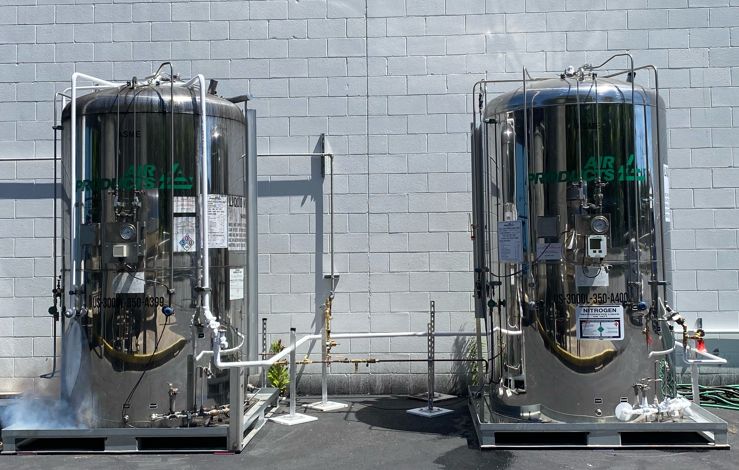
In the past, liquid nitrogen was typically stored in separate liquid nitrogen tanks. Therefore, when purchasing a cryogenic deflashing machine, it was necessary to buy a matching liquid nitrogen tank to ensure the proper operation of the machine.

The installation of the liquid nitrogen tank required approval from the relevant authorities, which was a cumbersome process, and the tanks themselves were expensive. This has led many factories that urgently need to use cryogenic deflashing machiness to improve work efficiency to hesitate, as it also involves a certain upfront cost investment.

 cryogenic deflashing machinecryogenic deflashing machine

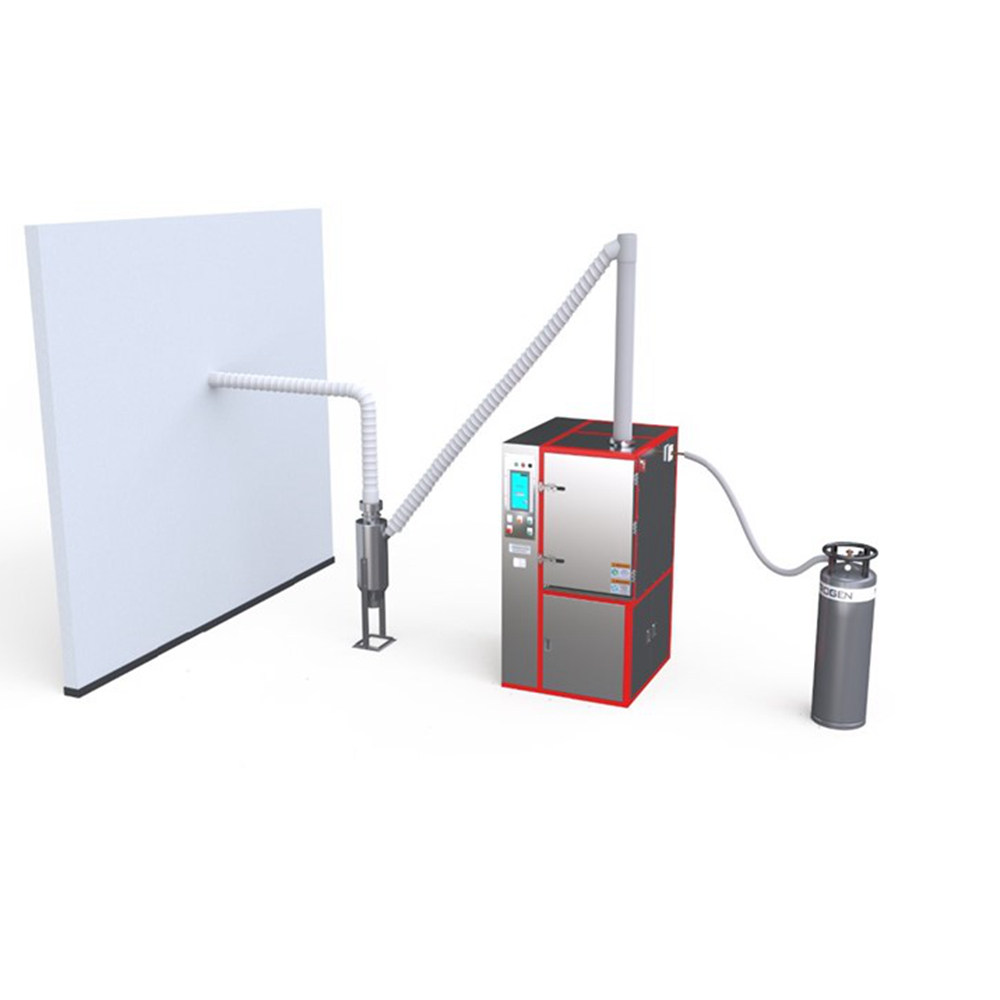
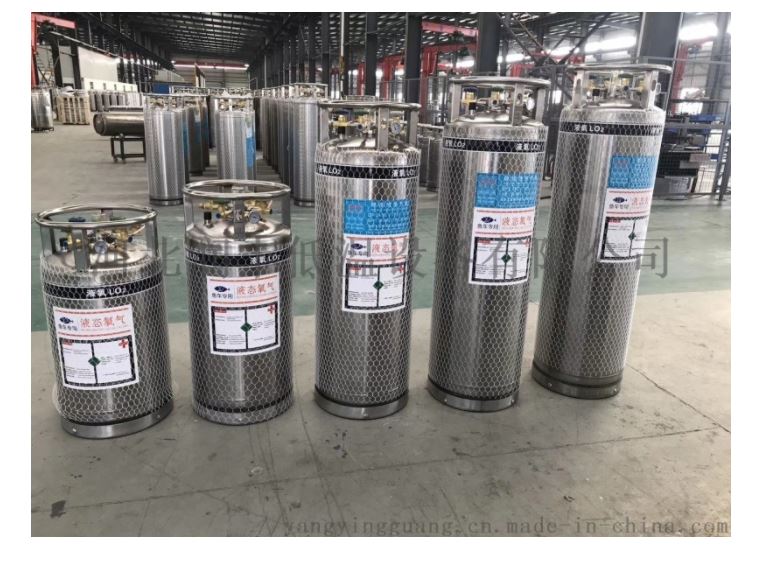
Nanjing PEGE has introduced a liquid nitrogen manifold supply station to substitute for liquid nitrogen tanks.

This cryogenic deflashing system centralizes the gas supply of individual gas points, enabling multiple low-temperature Dewar flasks to be combined for centralized gas supply. It solves the cumbersome process of handling liquid nitrogen tanks, allowing customers to operate the cryogenic deflashing machines immediately after purchase.   Above are good options for the container of the Liquid Nitrogen.


The main body of the cryogenic deflashing system simultaneously connects three bottles of liquid nitrogen Dewar flasks, and it also includes a port that can be expanded to accommodate four bottles.

The cryogenic deflashing system pressure is adjustable and equipped with a safety valve. It’s easy to assemble and can be mounted on the wall using a triangular bracket or placed on the ground using the bracket.

Nanjing PEGE always provide strong technical support for customer to better use the cryogenic deflashing system.


Why PEGE cryogenic deflashing machines are becoming more and more important?

PEGE cryogenic Deflasing System

The use of cryogenic deflashing machines has revolutionized the way manufacturers produce high-quality products.

Cryogenic deflashing machines use liquid nitrogen to remove excess material from manufactured parts. The process is fast and precise, making it ideal for mass production. In this article, we will explore the advantages of cryogenic deflashing machines and why they replace traditional manual deflashing methods.


First of all, using a cryogenic deflashing machine is environmentally friendly. This makes Operating Room safer, healthier choice for workers and the environment. Secondly, cryogenic deflashers require less maintenance than traditional deflashing methods. This is because high quality spare part enable the machine to operate for a long time and do not require frequent replacement or maintenance.

Thus, these nitrogen deflashing machines save the manufacturer time and business cost.

Thirdly, the cryogenic deburring machines provide higher deflashing precision and accuracy. The process is controlled and consistent, ensuring that each pitch is finished to a high standard. This is useful for products that require smooth edges, such as medical instruments, automotive components, and electronic equipment.

Finally, the cryogenic shotblasting machines are versatile. They are available in a wider range of materials including rubber, injection molding (including elastomeric materials) and zinc magnesium aluminum die casting. This flexibility means they can be used in a variety of industries, making them a valuable investment for many companies.


All in all, the advantages of low temperature deburring machines make them an excellent choice for manufacturers. They are environmentally friendly, require less maintenance, provide greater precision, and are versatile.


The cryogenic deflashing system equipments are becoming more and more popular in the manufacturing industry as technology advances and machine designs improve.

They are likely to continue to be popular as manufacturers seek to produce high-quality products efficiently and cost-effectively.

Applicable Materials Of Cryogenic Deflashing


cryogenic deflashing applications


● Rubber
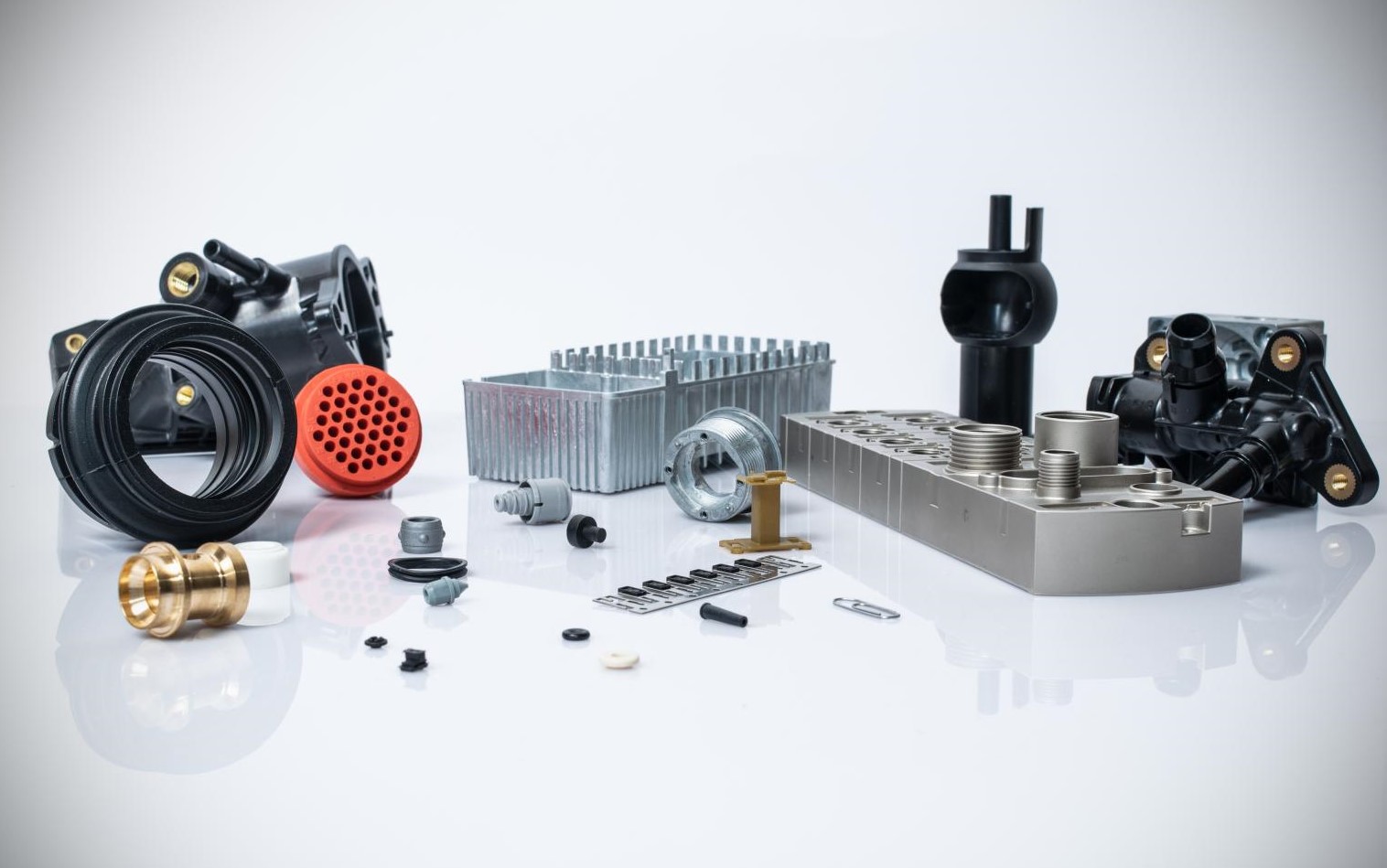
The cryogenic deflashing machine can process products made of neoprene, fluoro rubber, EPDM and other rubber materials. The common ones are seal rings / O-rings, auto parts, rubber parts, rubber insoles, silicone products, etc.


● Injection molding (including elastomer materials)
The cryogenic rubber deflashig machine can process products made of PA, PBT and PPS. The common ones are connectors, nanoforming structural parts, medical use injection parts, automotive injection parts, mobile phone cases, mouse cases, injection molding miscellaneous parts, etc.; also products made of TPU and TPE elastic material, such as watch bands, wristbands, soft sleeves, plastic cases, etc.


● Zinc magnesium aluminum die-casting
The cryogenic deflashig machine can process aluminum, zinc, magnesium alloy products. The common ones are auto parts, metal crafts, decoration items, toy parts and etc.

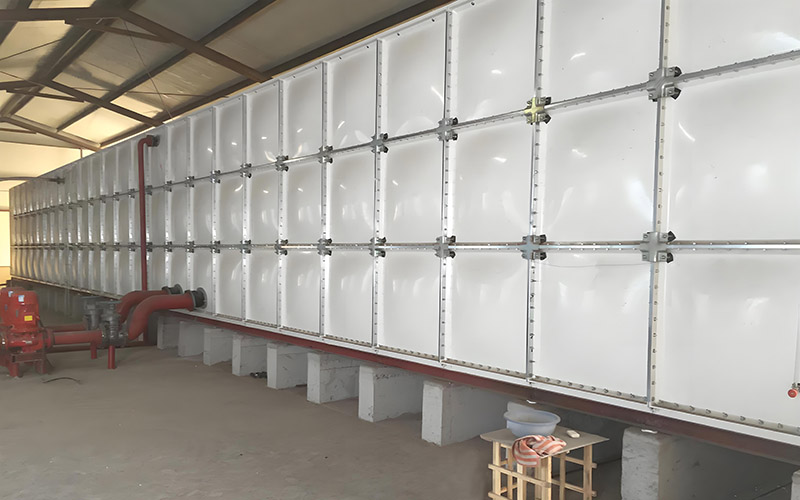
FRP (Fiber Reinforced Plastic) water tanks are known for their durability and long lifespan, typically lasting 20 to 50 years or more, depending on usage and environmental conditions. Their longevity is attributed to the corrosion-resistant nature of the materials, which protect the tank from rust, chemical damage, and environmental wear. However, proper maintenance and usage practices can further extend the lifespan of these tanks.


FRP Water Tank


To maximize the lifespan of an FRP water tank, it is essential to follow a regular maintenance routine. Periodic inspections can help identify minor cracks, leaks, or other issues early, allowing for timely repairs that prevent further damage. Keeping the tank clean by removing sediment buildup and disinfecting regularly ensures optimal performance and hygiene.


Additionally, placing the tank in a shaded or UV-protected area reduces exposure to sunlight, which can degrade the resin over time. Using protective coatings or linings tailored to specific applications, such as chemical storage, also enhances durability.


By adhering to these best practices and working with trusted manufacturers for installation and maintenance, an FRP water tank can provide reliable service for decades, offering a cost-effective and long-lasting storage solution.


BOANG Composites is a professional FRP composites manufacturer in China. We can customize FRP water tanks of various specifications and sizes according to customer requirements. Our products are of good quality and very competitive in price. You are welcome to contact us at any time to discuss cooperation.

Anticipating Structural Challenges from Terahertz Bands

and Ultra-Massive MIMO Arrays


Introduction

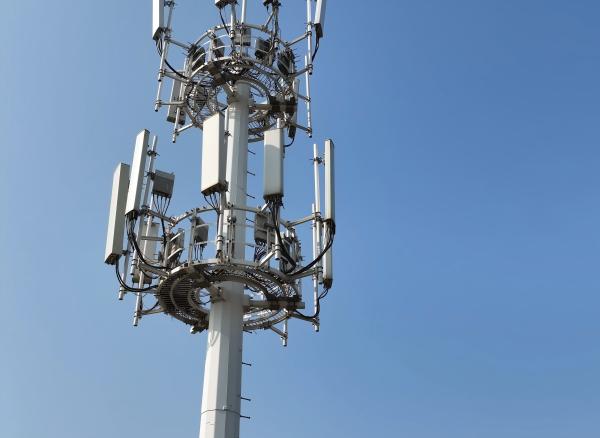
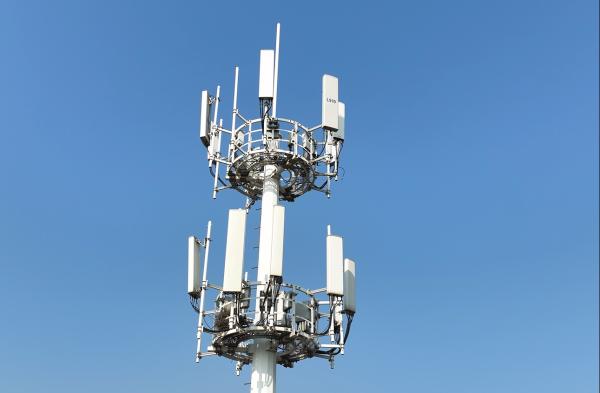
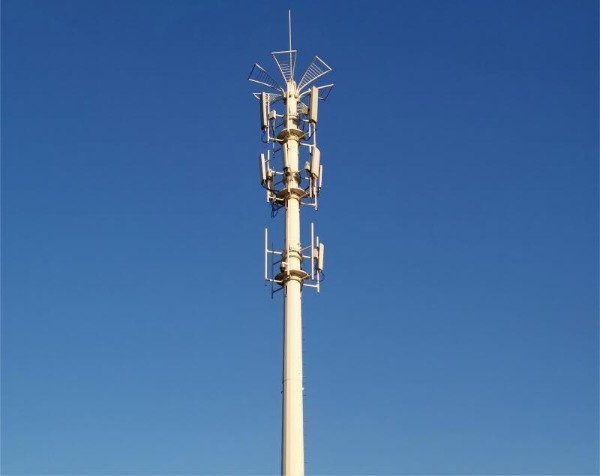
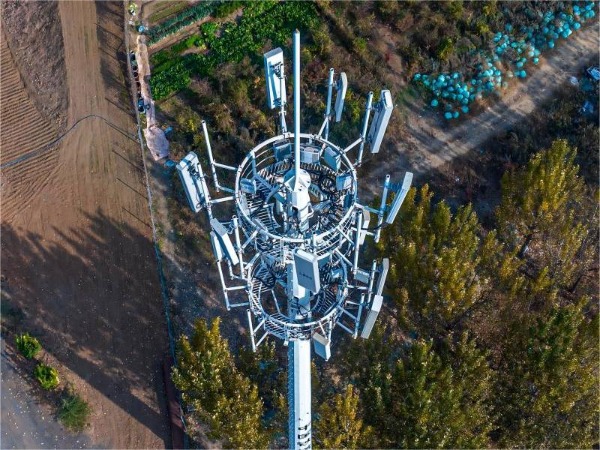
As 6G technology accelerates toward commercialization, its ultra-high-speed, low-latency, and hyper-connected vision demands radical upgrades to telecom infrastructure—especially monopole towers. These slim, space-efficient structures must evolve to support revolutionary technologies like terahertz (THz) frequency bands and ultra-massive MIMO (Multiple-Input Multiple-Output) antenna arrays. This blog explores the critical technical advancements required to future-proof monopole towers for 6G's disruptive demands.


monopole telecom tower


1. Terahertz Frequency Bands: Redefining Tower Density and Design

The Challenge:
6G's use of terahertz frequencies (300 GHz–3 THz) promises speeds up to 1 Tbps but introduces severe propagation limitations:

  • Short transmission range: THz signals attenuate rapidly in air, with effective distances often below 100 meter.

  • Environmental sensitivity: Obstacles like rain, foliage, and even humidity can degrade signal integrity.

Structural Implications for Monopole Towers:

  • Ultra-Dense Deployment: To compensate for short coverage, towers must be deployed 10–20x more densely than 5G networks, requiring miniaturized, low-footprint designs to fit urban and rural landscapes.

  • Height Optimization: Taller towers (e.g., 60–100 meters) may extend line-of-sight coverage, but wind load calculations and foundation stability become critical.

  • Material Innovations: High-strength, lightweight alloys (e.g., carbon fiber composites) will reduce weight while maintaining structural resilience against increased wind shear.


2. Ultra-Massive MIMO Arrays: Reinventing Antenna Integration

The Challenge:
6G's ultra-massive MIMO systems may deploy 1,000+ antenna elements per array, enabling spatial multiplexing for unprecedented capacity. However, this poses:

  • Weight and size burdens: Traditional steel monopoles struggle to support bulky arrays.

  • Signal interference risks: Close-proximity antennas require precise alignment to avoid mutual coupling.

Structural Adaptations:

  • Distributed Antenna Systems (DAS): Modular tower designs will segment arrays across multiple tiers, reducing concentrated weight and enabling phased upgrade.

  • Active Cooling Integration: High-frequency antennas generate significant heat, necessitating embedded liquid-cooling channels or passive heat-dissipation coating.

  • Dynamic Beamforming Support: Towers must accommodate reconfigurable intelligent surfaces (RIS) and AI-driven beam steering, requiring adaptive mounting interfaces and power supply redundancy.


telecom monopole tower


3. Cross-Disciplinary Innovations: Beyond Traditional Tower Engineering

a. AI-Driven Structural Health Monitoring

  • IoT Sensors: Embedding strain gauges, tilt sensors, and corrosion detectors will enable real-time monitoring of tower integrity, especially critical for densely deployed THz towers.

  • Predictive Maintenance: Machine learning algorithms can forecast fatigue points, reducing downtime in extreme weather or high-load scenario.

b. Energy-Efficient Power Systems

  • Solar Integration: Thin-film solar panels on tower surfaces can offset energy demands of power-hungry THz transceiver.

  • Wireless Power Transfer: Resonant inductive coupling could eliminate cables for peripheral IoT devices, simplifying tower maintenance.

c. Multi-Functional Infrastructure

  • Integrated Sensing and Communication (ISAC): Towers will host radar-like sensors for environmental monitoring (e.g., weather, traffic), requiring multi-port RF interfaces and electromagnetic shielding.

  • Satellite Backhaul Compatibility: Support for low-earth orbit (LEO) satellite links demands ultra-stable mounting platforms to minimize signal jitte.


4. Regulatory and Environmental Considerations

  • Global Standardization: Aligning with ITU and 3GPP guidelines for THz band allocation and MIMO configurations will ensure interoperability.

  • Sustainable Materials: Recyclable steel alloys and anti-corrosion nanocoatings will extend tower lifespans in coastal or industrial zone.

  • Aesthetic Integration: Stealth designs (e.g., faux tree trunks, LED-lit pylons) will mitigate visual pollution in urban area.


Conclusion: Building Towers for a Hyper-Connected Future

6G monopole towers are no longer passive steel columns but active, intelligent nodes in a global communication ecosystem. By prioritizing terahertz-ready miniaturization, ultra-massive MIMO adaptability, and AI-driven resilience, operators can ensure these structures withstand 6G's technical and environmental rigors.

At Altai Tower, we're pioneering next-gen monopole solutions that blend cutting-edge materials, modular architectures, and sustainable practices. Ready to future-proof your network? Contact us to explore tailored 6G tower designs.


Learn more at www.alttower.com


Contact Us

Introduction

Monopole towers are the sleek, space-saving backbone of modern telecom networks. But their slim profiles belie a complex engineering reality: compliance with global standards is non-negotiable. For tower operators and telecom providers, navigating the differences between China's GB standards and international IEC norms can feel like decoding a technical labyrinth.

This blog cuts through the complexity. Using a single, easy-to-digest comparison chart, we break down critical disparities in wind load requirements, safety factors, and acceptance protocols. Whether you're deploying towers in Shanghai or São Paulo, this guide ensures you build to last—and comply.


monopole telecom antenna tower


The Standards at a Glance

Criteria China GB 50135-2019 International IEC 61400-6
Wind Load Design 28–55 m/s (6 wind zones) 22.5–52.5 m/s (4 wind classes)
Safety Factor ≥2.5 (ultimate strength) ≥1.5–2.0 (load resistance)
Foundation Testing Static load + 1.5x overload Dynamic load simulation
Coating Inspection ≥86μm HDG thickness (salt spray ≥1,000h) ≥80μm HDG (ISO 1461)
Documentation Full traceability (steel mill to site) Risk assessment + FAT reports


1. Wind Load: How Strong is Strong Enough?

  • GB Standards (China):
  • Divides China into 6 wind zones (28 m/s in inland areas → 55 m/s in coastal typhoon zones).

  • Mandates 1-in-50-year wind speed as baseline, with 1.1x multiplier for towers >60m.

  • IEC Standards (Global):
  • Uses 4 wind classes (I to IV) based on 10-minute average speeds (22.5–52.5 m/s).

  • Requires turbulence intensity calculations for complex terrains (e.g., urban canyons).

  • Why It Matters: A tower designed to GB's 55 m/s typhoon standard may be over-engineered for IEC Class IV (52.5 m/s), wasting material costs.

2. Safety Factors: Balancing Strength and Cost

  • GB's Conservative Approach:
  • Demands a minimum 2.5x safety factor for ultimate load capacity (e.g., tower must withstand 2.5x design wind load without collapsing).

  • Prioritizes redundancy for earthquake-prone regions.

  • IEC's Risk-Based Model:
  • Allows 1.5–2.0x safety factors, depending on failure consequences (e.g., towers near hospitals vs. rural areas).

  • Aligns with Eurocode's probabilistic load models.

  • Case Study: A dual-standard tower in Malaysia used GB's 2.5x factor for the base but IEC 1.8x for antennas, saving 12% in steel costs.

telecom antenna monopole tower


3. Acceptance Testing: From Paperwork to Field Checks

  • GB's Rigorous Process:
  1. Pre-construction: Steel mill certificates + welding procedure qualifications.

  2. On-site: Static load tests (1.5x design load for 24h) + ultrasonic weld checks.

  3. Post-build: Coating thickness measured at 20+ points per tower section.

  • IEC's Streamlined Workflow:
  1. Design Phase: Finite Element Analysis (FEA) validation + FAT (Factory Acceptance Testing).

  2. Field Inspection: Spot checks on bolt torque (e.g., 30% of connections) + drone-based tilt surveys.

  • Pro Tip: IEC-accepted towers often require 30% less inspection time but rely heavily on documented simulations.

  • The Big Picture: Which Standard Should You Choose?
  • Build in China? Follow GB strictly—regulators prioritize compliance over cost savings.

  • Global Projects? IEC offers flexibility but may need localized tweaks (e.g., adding GB's corrosion checks in humid climates).

  • Hybrid Approach: For cross-border operators, blending GB's durability with IEC's risk-based models can optimize cost and safety.


  • Conclusion: Standards Are Not One-Size-Fits-All
  • While GB and IEC share the same goal—building towers that don't fall down—their paths diverge in philosophy and execution. Understanding these differences isn't just about avoiding penalties; it's about building smarter, faster, and more economically.


  • Need Help Navigating Standards?
    At Altai Tower, we specialize in designing monopole towers that meet GB, IEC, and localized requirements seamlessly. [Contact us] for a free compliance assessment!


Introduction:
Angle steel communication towers are the backbone of modern telecommunication networks, supporting antennas, transmitters, and receivers that keep the world connected. However, these structures face relentless challenges—harsh weather, corrosive environments, and decades of service demands. The key to their longevity lies in a meticulously engineered combination of material science, advanced manufacturing, and proactive maintenance. In this blog, we unveil the technical strategies that ensure angle steel towers stand tall for generations.


angle steel antenna tower


1. Material Selection: The Foundation of Durability

The journey to durability begins with choosing the right steel. Not all steel is created equal:

High-Strength, Low-Alloy (HSLA) Steels: Grades like Q345B (China) or ASTM A572 (international) offer superior strength-to-weight ratios and resistance to atmospheric corrosion.

Environmental Adaptability: In coastal or industrial areas with high salinity or pollution, sulfur-resistant steels or aluminum-zinc alloy-coated materials may be prioritized.

Quality Standards: Compliance with ISO 1461 (hot-dip galvanizing) and ASTM A123 ensures material integrity from the outset.

Pro Tip: Over 70% of tower failures originate from substandard materials. Partnering with certified suppliers is non-negotiable.


2. Hot-Dip Galvanizing: The First Line of Defense

Hot-dip galvanizing (HDG) is the gold standard for protecting steel structures. Here's why:

Process: Steel components are immersed in molten zinc at 450°C, forming a metallurgical bond that creates a barrier against moisture and oxygen.

Benefits: A 100-μm HDG coating can provide 50+ years of protection in moderate environments, with self-healing properties to minor scratches.

Quality Control: Coating thickness, adhesion, and uniformity are rigorously tested using magnetic gauges and cross-cut tests.


3. Advanced Coating Systems: Doubling Down on Protection

For extreme environments, supplementary coatings add an extra layer of security:

Epoxy Primers: Applied before galvanizing, they enhance adhesion and fill microscopic pores in the zinc layer.

Polyurethane Topcoats: UV-resistant finishes prevent chalkiness and fading in deserts or tropical climates.

Cathodic Protection: For towers in coastal zones, sacrificial anodes (e.g., zinc or magnesium) are installed to divert corrosion away from critical joints.

Case Study: A tower in Saudi Arabia's Rub'  al Khali desert survived 15 years of sandstorms and 50°C heat using a hybrid HDG-polyurethane system.


angle steel telecom tower


4. Maintenance Strategies: Prolonging Tower Lifespan

  • Even the best materials need vigilant upkeep:
  • Biannual Inspections: Use drones and ultrasonic sensors to detect cracks, coating degradation, or rust spots.

  • Cleaning Protocols: Remove salt deposits, bird droppings, and debris that trap moisture.

  • Touch-Up Kits: Rapid-repair solutions for damaged coatings, such as zinc-rich paints or cold galvanizing compounds.


  • 5. The Future: Smart Corrosion Monitoring
  • IoT-enabled sensors are revolutionizing tower maintenance:
  • Real-Time Data: Embedded sensors track corrosion rates, strain, and environmental factors (humidity, pH).

  • Predictive Analytics: AI algorithms forecast maintenance needs, slashing downtime by up to 40%.


  • Conclusion
    The durability of angle steel communication towers isn't accidental—it's the result of science, precision engineering, and relentless innovation. By prioritizing high-quality materials, multi-layered anti-corrosion systems, and smart maintenance, operators can ensure these critical infrastructures withstand the test of time and nature.

angle steel telecom antenna tower


Learn more at www.alttower.com


Contact Us

Why Do Scenic Areas Only Allow Camouflage Tree Towers? The Hidden Rules of Aesthetics and Ecology

From the misty peaks of Huangshan to the sun-kissed resorts of Dubai, camouflage tree towers—disguised as pine trees, palm trees, or other native flora—have become the unspoken rule for telecom infrastructure in scenic zones. But why are traditional monopole or lattice towers banned in these areas? The answer lies at the intersection of cultural preservation, environmental politics, and the growing power of public opinion. Let’s unravel the reasons behind this global trend.
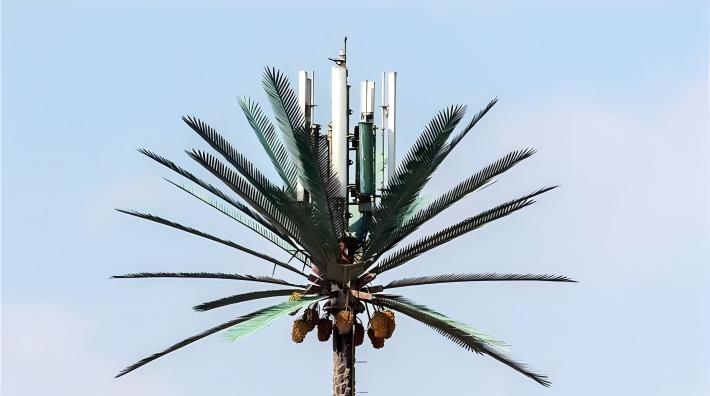

palm tree telecom tower


1. The Iron Fist of Scenic Area Regulations

Governments and heritage organizations enforce strict visual guidelines to protect the integrity of natural and cultural landscapes:

UNESCO World Heritage Sites: Towers must “blend invisibly” with surroundings to avoid losing heritage status.

Example: In Italy’s Cinque Terre, faux-cypress towers replaced monopoles after UNESCO threatened to revoke its designation.

National Park Policies: The U.S. National Park Service mandates towers to mimic local trees, citing the 1916 Organic Act’s “unimpaired conservation” principle.

Tourism Economics: A single “eyesore” tower can deter visitors. A 2022 study found that camouflaged towers in New Zealand’s Fiordland boosted tourist satisfaction by 34%.


2. Aesthetic Warfare: The Battle Against Visual Pollution

Scenic areas prioritize “untouched” beauty, making traditional towers politically toxic:

Public Backlash: In 2023, a proposed monopole near Canada’s Banff National Park sparked 10,000+ petitions. The project was scrapped in favor of pine-disguised towers.

Architectural Harmony: Camouflage towers adapt to regional styles:

Alpine zones: Cedar or pine designs.

Desert resorts: Palm or saguaro cactus replicas.

Tropical beaches: Coconut tree-inspired structures.


3. The Ecology Card: Greenwashing or Genuine Impact?

While camouflage towers aren’t inherently eco-friendly, they align with conservation narratives:

Wildlife Protection: In Kenya’s Maasai Mara, giraffe-shaped towers reduced bird collisions by 60% compared to standard monopoles.

Low-Key Footprints: Smaller bases minimize soil disruption in fragile ecosystems like wetlands.

Carbon Neutrality Claims: Some operators pair camouflage towers with solar panels (hidden as “leaves”) to market “green networks.”


4. The Cost of Saying “No”: Legal and Financial Risks

Rejecting camouflage designs can backfire:

Permit Denials: In France’s Provence, telecom giant Orange faced 18-month delays by insisting on monopoles.

Fines: Costa Rica fines operators $50,000 per “visually disruptive” tower in protected zones.

Reputation Damage: A viral photo of a monopole “ruining” Iceland’s Skógafoss waterfall cost a telecom brand 12% in customer trust.


bionic tree telecom tower


5. Case Study: Huangshan’s Pine Tree Towers – Success or Compromise?

China’s Huangshan (Yellow Mountain), a UNESCO Global Geopark, offers a blueprint:

Challenge: Rolling out 5G without harming its iconic granite peaks and ancient pine vistas.

Solution: 120+ towers disguised as Huangshan pines, complete with artificial bark and needle-like antennas.

Results:

5G coverage achieved with zero tourist complaints.

Maintenance costs rose by 40%, but provincial subsidies covered 60% of expenses.


6. The Critics’ Corner: Is This Just Theater?

Skeptics argue that camouflage towers prioritize optics over functionality:

Signal Obstruction: Dense faux foliage can weaken coverage by 15–20%, per a 2023 MIT study.

Cost Hypocrisy: Taxpayers often foot the bill. Norway’s $420,000-per-tower “fir tree” project drew ire for misusing conservation funds.

Material Waste: Most artificial trees use non-recyclable fiberglass and PVC, contradicting sustainability claims.


7. The Future: Smarter Stealth Tech on the Horizon

Emerging innovations aim to resolve trade-offs:

Bio-Camouflage: Living trees with embedded micro-antennas (pioneered in Singapore).

Holographic Towers: Projection-based “invisible” towers tested in Japan.

AI-Optimized Designs: Algorithms balance aesthetics and signal strength, slashing coverage loss to 5%.


Conclusion: The Unavoidable Price of Preservation

Scenic areas mandate camouflage tree towers not because they’re perfect, but because they’re the least bad option in a world demanding both connectivity and untouched beauty. While costs and technical compromises remain, the alternative—angry tourists, legal battles, and ecological shame—is far worse.

As one park ranger in Yosemite put it: “Visitors don’t come here to see bars on their phones. They come to see nature. Our job is to make sure they don’t notice the difference.”


Learn more at www.alttower.com


Contact Us
keyboard_arrow_up