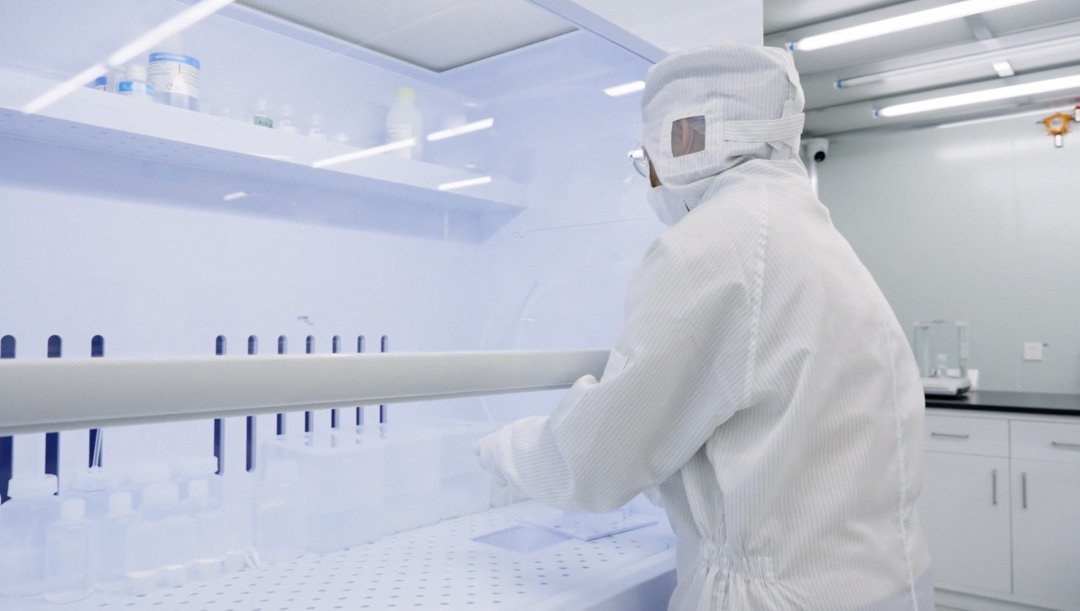
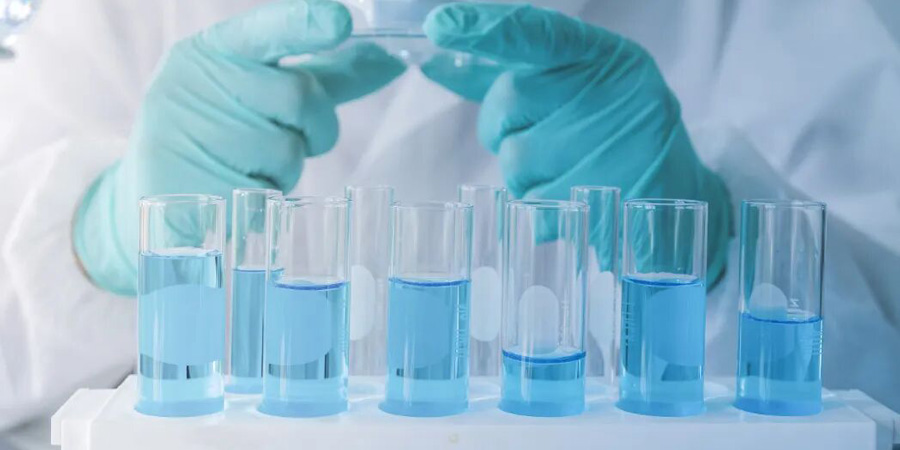
The purity threshold for ultra-pure chemicals has advanced from the ppb level to the ppt level. Front-end purification technologies including rectification purification, sub-boiling distillation, ion exchange and membrane separation are constantly being pushed to their performance limits. Nevertheless, formidable challenges persist beyond purification: secondary contamination can be introduced via any surface in contact with chemicals during pipeline transportation, finished product filling, packaging, storage and transportation, which may render all upstream purification efforts futile.

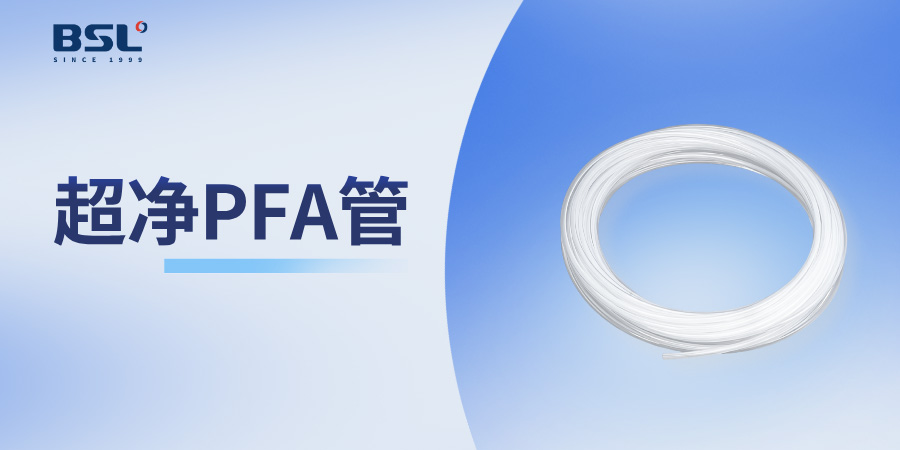
Ultra-Clean PFA Tube


Tailored to practical scenarios in ultra-pure chemical manufacturing, BSL integrates its supply capacity across three core product lines: Ultra-Clean PFA Tube, Ultra-Clean HDPE Drum and Cleanroom Wiper, delivering a full-chain ultra-clean product solution covering transportation, storage and on-site maintenance.

1. Ultra-Clean PFA Tube: Prevent Secondary Contamination During Chemical Transportation

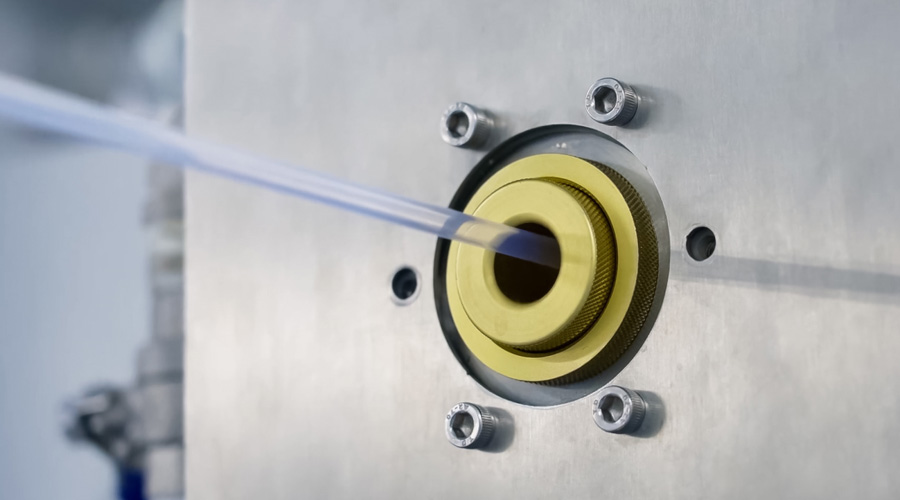
Ultra-pure chemicals flow through pipelines ranging from tens to over a hundred meters from rectification columns to finished product storage tanks. The amount of metal ions leached from the inner pipeline wall directly determines whether the final product can retain its specified purity. Boasting exceptional chemical inertness, extremely low metal ion leachability and an ultra-smooth inner bore, Ultra-Clean PFA Tube has become the industry standard for ultra-pure chemical production.

Manufactured from imported high-purity PFA raw materials, BSL Ultra-Clean PFA Tube is produced with high-precision extrusion molding equipment and undergoes multi-stage ultrapure water cleaning procedures. All key indicators such as metal ion leaching comply with SEMI standards, and the product has been operating stably on the production lines of multiple leading ultra-pure chemical manufacturers.

Ultra-Clean PFA Tube


2. Ultra-Clean HDPE Drum: Preserve Cleanliness of High-Purity Chemicals During Storage and Transportation

The 200L HDPE drum serves as the dominant packaging specification for ultra-pure chemicals. For high-purity chemicals sensitive to trace metal ions, residual trace metallic catalysts inside the drum wall may trigger catalytic decomposition reactions. This leads to either gradual concentration degradation of the chemicals or severe drum bulging in extreme cases.

BSL has developed a fully proprietary independent R&D system covering raw material selection through molding for its Ultra-Clean HDPE Drum. Via its in-house ultra-clean blow molding process, the brand systematically optimizes critical parameters including screw plasticization temperature and mold cooling rate. Full-process management is implemented across packaging selection, cleaning protocols and storage & transportation conditions, enabling the drums to meet stringent storage and transportation requirements for ultra-pure chemicals.
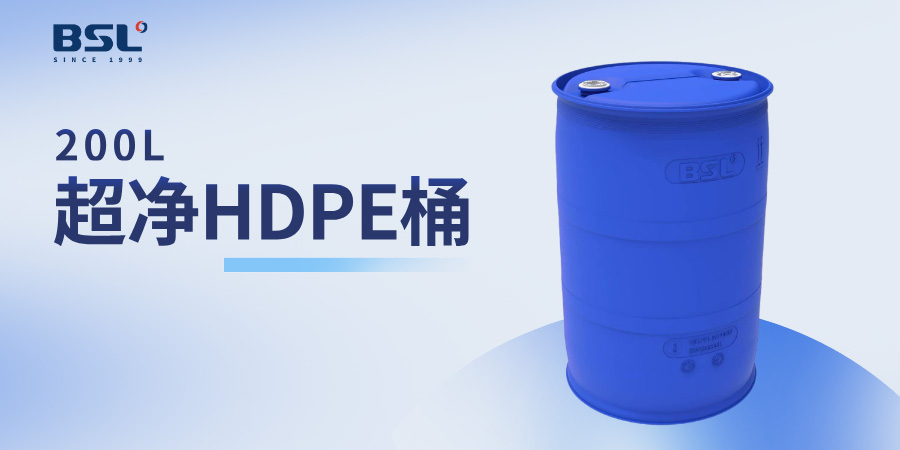

Ultra-Clean HDPE Drum


3. Cleanroom Wiper: Cater to Maintenance Requirements of Cleanroom Environments

In ultra-pure chemical manufacturing, core filling zones are required to maintain Class ISO 4–5 ultra-high cleanliness levels, while testing laboratories are equipped with high-precision analytical instruments such as ICP-MS and particle counters. Using low-grade wiping materials for routine cleaning in these areas will introduce new contamination sources via lint shedding and residual ionic impurities.

With over two decades of expertise in Cleanroom Wiper development, BSL offers a comprehensive portfolio encompassing microfiber, 100% polyester, anti-static and other material variants. All products adopt laser and ultrasonic edge-sealing technologies to eliminate fiber debris shedding at the source, while delivering superior liquid absorbency and cleaning efficiency.
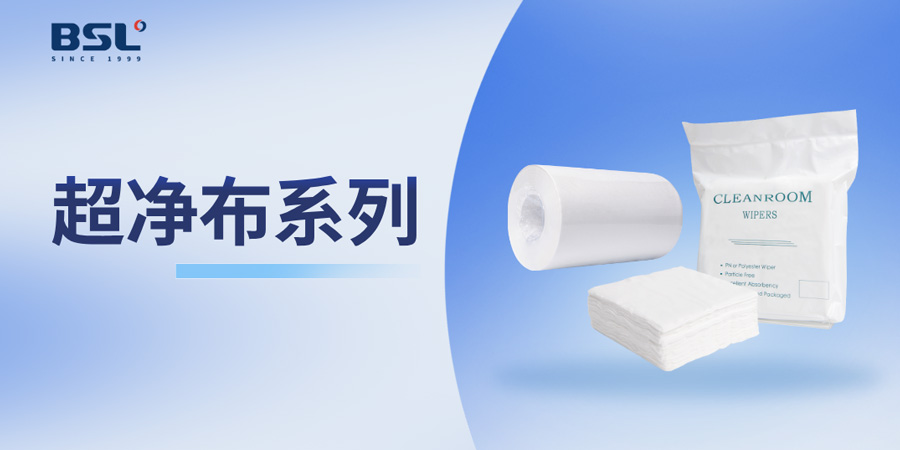

Cleanroom Wiper


Driven by the continuous expansion of downstream applications, industries such as semiconductors, photovoltaics and display panels keep raising stringent purity requirements for ultra-pure chemicals. Every incremental order-of-magnitude improvement in chemical purity demands a corresponding upgrade in the cleanliness grade of pipelines and packaging materials. Moving forward, BSL will continue investing in three key technological domains: ultra-clean fluoropolymer materials, packaging materials for ultra-pure chemicals, and cleanroom wiping materials, to supply the industry with stable, advanced and verifiable innovative products.


Recently, the Administrative Committee of China (Shanghai) Pilot Free Trade Zone Lingang New Area officially released the Action Plan for Building a Future Industrial Cluster of 4th-Generation Semiconductors (2026–2028). This document marks China’s first local special industrial policy tailored exclusively to the 4th-generation semiconductor sector. The plan defines two major development tracks: ultra-wide bandgap semiconductors including gallium oxide, diamond and aluminum nitride, as well as ultra-narrow bandgap semiconductors such as indium antimonide and gallium antimonide.


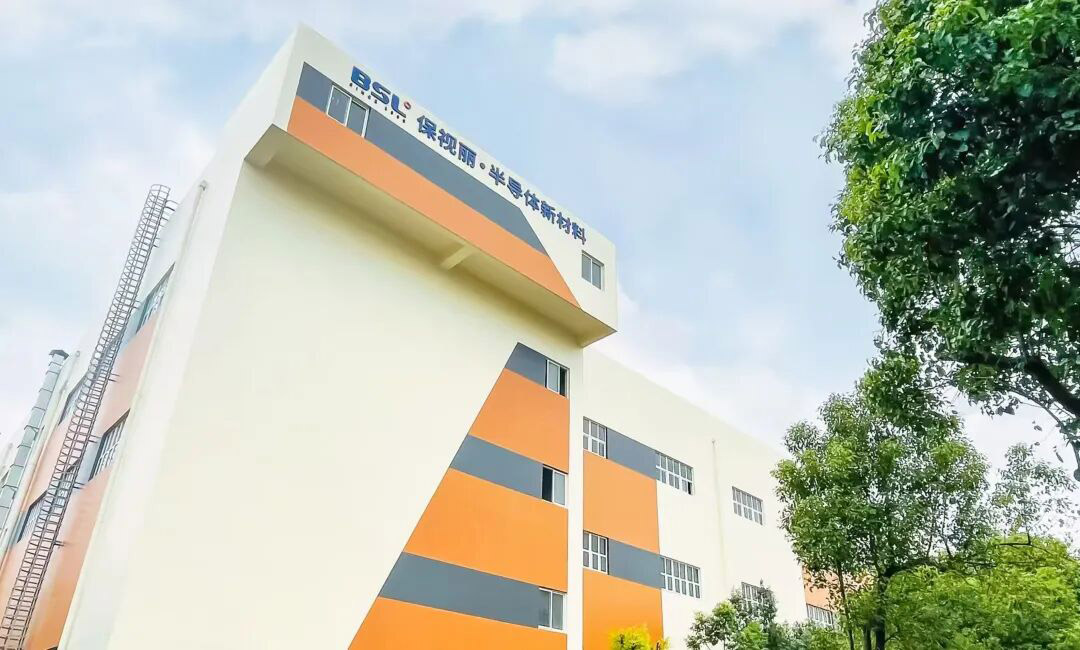
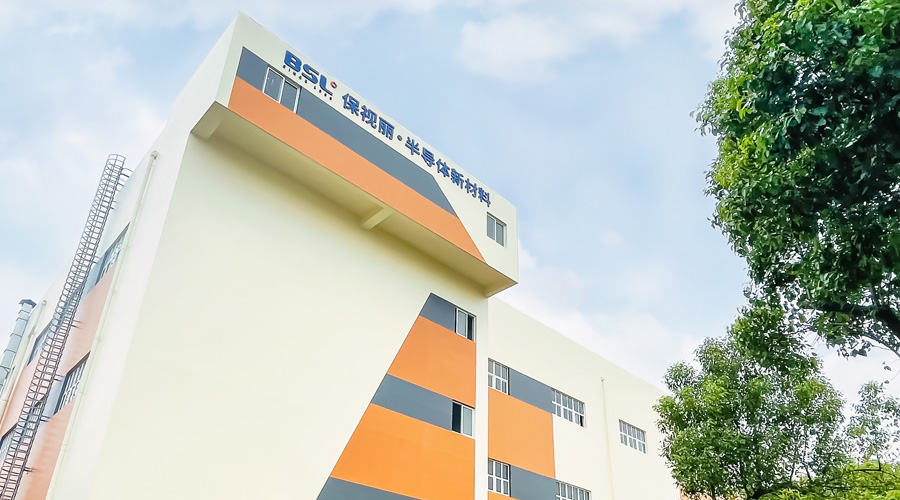
Lingang is building a full-chain cultivation system covering basic research, technological breakthroughs, concept verification, engineering verification, scenario demonstration and large-scale application, while strengthening scientific research in materials, devices, processes and application links. BSL (Baoshili) Shanghai Branch is located in Lingang New Area, specializing in Ultra-Clean PFA Tube,Ultra-Clean HDPE Drum and other semiconductor-grade electronic chemical transfer and packaging consumables. Its product line serves as the connecting link between the supply of electronic chemicals and process application.

01. The "Invisible Essential Demand" in the Industrial Chain

For 4th-generation semiconductors to move from laboratories to production lines, numerous process steps rely on stable delivery of high-purity chemicals. Wet cleaning of gallium oxide wafers and CMP polishing of diamond substrates all adopt electronic chemicals such as sulfuric acid, hydrogen peroxide and hydrofluoric acid. Transfer pipelines and packaging containers come into direct contact with process media. Metal ion leaching, TOC release and particle shedding from pipeline materials directly affect wafer defect density. Hence, high-purity packaging and transfer consumables for electronic chemicals are often referred to as an "invisible essential demand".

02. From Product Commercialization to Standard Formulation

At present, the supply of semiconductor-grade PFA tubes and HDPE drums is highly concentrated among Japanese, European and American enterprises. Semiconductor-grade chemical packaging and transfer consumables impose extremely stringent requirements on raw material purity, extrusion processes and control of metal leaching.

Through continuous technological research, BSL has taken the lead in achieving breakthroughs in this sector and developed two innovative products: Ultra-Clean PFA Tube and Ultra-Clean HDPE Drum. The Ultra-Clean PFA Tube features ppt-level control of metal ion leaching, outstanding chemical corrosion resistance, smooth inner walls and consistent quality. For the Ultra-Clean HDPE Drum, key metal ions including sodium, potassium, iron, copper and nickel are also controlled at the ppt level, ensuring long-term stability of wet electronic chemicals during storage and transportation.


Building on this foundation, BSL is translating its product advantages into standard-setting capabilities to drive the upgrading of industry specifications. BSL acts as the lead drafting organization for the group standard Semiconductor-Grade Meltable Polytetrafluoroethylene (PFA) Tubes, and the primary drafting organization for the group standard Requirements for Packaging, Storage and Transportation of Wet Electronic Chemicals, which was officially implemented this April. Up to now, BSL’s ultra-clean product series have entered the supply chains of mainstream fabs and equipment suppliers, forming an initial product matrix for chemical transfer and packaging consumables.

03. Jointly Promoting Industrial Upgrading

BSL Shanghai Branch is situated within the same zone as the Oriental Core Harbour Integrated Circuit Industrial Cluster. Strict cleanliness control must be maintained throughout the whole logistics process for high-purity chemical transfer pipelines and packaging containers from factory delivery to fab incoming inspection. Physical distance directly impacts contamination risks and transportation costs during logistics. In addition, the qualification cycle for introducing semiconductor-grade consumables into fabs generally starts at six months. Suppliers need frequent communication and on-site commissioning with fab process teams, and shorter distances enable faster response and more direct engineering collaboration.


As the industrial framework for 4th-generation semiconductors in Lingang takes shape progressively, BSL will continue to focus on chemical transfer and packaging consumables and actively facilitate industrial upgrading.


Recently released "Recommendations of the Communist Party of China Central Committee on Formulating the 15th Five-Year Plan for National Economic and Social Development" (hereinafter referred to as the "15th Five-Year Plan Recommendations") emphasizes strengthening original innovation and tackling key core technologies. It proposes improving the new nationwide system, adopting extraordinary measures, and promoting decisive breakthroughs in key core technologies in key fields such as integrated circuits across the entire industrial chain.


According to analysis by China International Capital Corporation (CICC), during the 15th Five-Year Plan period, the global geopolitical landscape will undergo profound adjustments, characterized by accelerated supply chain restructuring, continued strengthening of technological barriers by some countries, and a significant rise in demand for key industrial chain security. Against this new geopolitical backdrop, the semiconductor industry—an essential cornerstone of the information technology industry—will see an increasingly prominent trend toward localized production. It is expected that during the 15th Five-Year Plan period, domestic production capacity for advanced process nodes will achieve sustained and substantial growth. This growth will benefit from the successive commissioning of new domestic wafer fabs and the capacity ramping of existing fabs, as well as the supporting capabilities of upstream industrial chain links such as equipment and materials. Meanwhile, the yield rate of advanced processes will continue to improve with the accumulation of process optimization experience, breakthroughs in core technical bottlenecks, and the maturity of professional technical teams. In this context, enterprises engaged in advanced logic chips and advanced memory chips, as well as the complete industrial chain covering chip design, manufacturing, packaging and testing, and upstream materials and equipment, will directly benefit from market opportunities brought by capacity expansion and yield improvement.


In response to the 15th Five-Year Plan Recommendations, Baoshili will accelerate breakthroughs in industrial chain collaboration and independent innovation, expedite the R&D of semiconductor-grade chemical packaging and transmission materials, expand product models, and help enhance the collaborative efficiency and supply chain autonomy of China's semiconductor industry chain.

01. Based on Technological Innovation: From "Usable" to "High-Performance"


With over 20 years of deep engagement in the cleanroom consumables sector, Baoshili has continuously enriched its product portfolio—from Cleanroom Wipers and Ultra-Clean PFA Tubes/Connectors to Ultra-Clean HDPE Drums. Its business scope has gradually expanded from high-tech fields to semiconductor manufacturing, with a continuously improved product matrix, achieving a transformation from "usable" to "high-performance." To date, Baoshili has accumulated more than 70 independent R&D patents and has been certified as a "National High-Tech Enterprise" and a Shanghai "Specialized, Refined, Characteristic, and Innovative" Small and Medium-sized Enterprise, establishing itself as a leading domestic high-tech manufacturing enterprise.


02. Deep Dive into Cleanroom Consumables to Promote Industrial Chain Collaboration


Taking Ultra-Clean PFA tubes and connectors as an example—known as the "golden pipelines" for transporting high-purity chemicals in semiconductor manufacturing—their performance directly affects process cleanliness and product yield. Due to their excellent corrosion resistance, temperature resistance, and chemical inertness, PFA materials have become the preferred choice for transmitting electronic-grade chemicals in high-end fabs. As process nodes advance, higher requirements are placed on chemical purity, with Grade G5 having become the standard for advanced processes. Correspondingly, the control of metal ion content in transmission pipelines must reach the ppt (parts per trillion) level.


Meeting this high standard, Baoshili is one of the few domestic enterprises capable of producing semiconductor-grade high-purity Ultra-Clean PFA tubes and connectors. It is committed to breaking the monopoly of foreign manufacturers in key consumables, promoting the autonomy and controllability of packaging and transmission links, and enhancing the overall collaborative capacity of the industrial chain.


03. Remarkable Cleanliness Achievements, Accelerating Semiconductor Domestic Substitution


Currently, Baoshili's ultra-clean product series have achieved technological breakthroughs in tube/connector manufacturing processes, passed verification by major domestic semiconductor manufacturers, and entered the mass application phase. In the future, the company will continue to expand its product matrix, develop consumables with higher cleanliness levels and stronger process adaptability, actively respond to the strategic deployment of industrial chain collaboration outlined in the 15th Five-Year Plan Recommendations, assist in the comprehensive domestic substitution of semiconductor materials, and contribute to the independent development of China's semiconductor industry.

In the field of semiconductor manufacturing, electrostatic accumulation generated during the transportation of electronic chemicals is one of the key challenges affecting fluid purity and process stability.


At the front-end process stages, organic solvents produce static electricity due to charge separation when transported in the system. Most organic solvents have poor electrical conductivity, making the generated static electricity difficult to dissipate and prone to causing instantaneous discharge, which leads to ionic contamination of chemicals. Therefore, anti-static technology for chemical transmission consumables is crucial, as it can effectively prevent damage to equipment and products caused by electrostatic accumulation.

Since 2025, Baoshili has achieved continuous breakthroughs in anti-static technology for ultra-pure fluoropolymer (PFA) products, successfully obtaining 2 utility model patents: "An Anti-Static and Dust-Removing Device for PFA Tubes" and "An Electrostatic Dissipative PFA Tube for the Semiconductor Industry".


An Anti-Static and Dust-Removing Device for PFA Tubes

This patent designs an anti-static component (including an annular body and high-voltage and high-frequency discharge needles) and an air-blowing component. It solves the problems of static electricity and dust contamination during PFA tube production, significantly improving the cleanliness of the tube surface.


An Electrostatic Dissipative PFA Tube for the Semiconductor Industry

This patent adopts a design of winding conductive PFA strips on the outer wall of the PFA tube. It addresses the issue of electrostatic accumulation during the transportation of ultra-pure and high-purity reagents in the semiconductor industry, achieving effective elimination of static electricity and ensuring process stability and safety in semiconductor manufacturing.


Baoshili's two patents, starting from structural design, effectively block the generation and accumulation paths of static electricity. They significantly enhance the cleanliness of electronic chemicals during the transmission process, constructing a reliable "static protection barrier".

To date, Baoshili has accumulated more than 20 patents in the field of ultra-pure fluoropolymers. In the future, the company will continue to promote product process optimization and technological innovation, providing a solid foundation for the high-purity and high-stability transmission of electronic chemicals.

With the continuous reduction of line widths in logic devices, the increase in the number of layers in 3D NAND architectures, and the improvement of DRAM storage density, the semiconductor industry has become significantly more sensitive to contaminants and defects. To achieve optimal wafer yield and reliability, chip manufacturing must address the growing material purity challenges throughout the entire process from chemical production to point of use. In this context, Ultra-Clean PFA Tubes and Ultra-Clean PFA Connectors, as key fluid transfer components, their cleanliness, stability, and reliability have become crucial links to ensure process integrity.


Based on years of professional experience, Baoshili is committed to providing customers with a combined solution of Ultra-Clean PFA Tubes and Ultra-Clean PFA Connectors, helping to build a more efficient and safer chemical transfer system.


01. Build an Ultra-Clean PFA Transfer System: "Dual Insurance" for Purity

In the field of high-tech manufacturing, the clean transfer of chemicals directly affects product yield and equipment lifespan. The combined use of Ultra-Clean PFA Tubes and Ultra-Clean PFA Connectors constructs a complete and reliable fluid transfer system. Their high degree of matching in material, process, and design ensures that chemicals are not contaminated, retained, or scaled during transfer.


Synergistic Protection of Cleanliness

Both Ultra-Clean PFA Tubes and Ultra-Clean PFA Connectors are manufactured with high-purity raw materials and precision processes. Their inner walls are smooth and not easy to adhere to particles, effectively avoiding secondary contamination of fluids.


Comprehensive Corrosion and High Temperature Resistance

The system can work stably in environments ranging from -40℃ to 200℃, resisting highly corrosive chemicals such as hydrochloric acid, hydrofluoric acid, and hydrogen peroxide, ensuring reliability during long-term operation.


Seamless Connection to Prevent Leakage

The dedicated connector design ensures tight integration with pipelines, reducing dead corners and retention areas, and lowering the risk of particle shedding and metal leaching.
This systematic cooperation not only improves the overall cleanliness of fluid management but also simplifies equipment maintenance processes, bringing customers a more efficient and economical operational experience.

02. Three Key Guarantees to Solidify the Clean Transfer System

Control Particle Contamination

Baoshili has mature experience in ultra-pure fluoropolymer processing and process control. Through strict process control and material selection, it ensures that Ultra-Clean PFA Tubes and Ultra-Clean PFA Connectors have extremely low particle release rates, guaranteeing the quality and efficiency of customers' entire process from production to use.


Extremely Low Leachable Metal Contamination

At advanced process nodes, processes such as lithography, wet etching, and cleaning are extremely sensitive to metal contamination. By in-depth studying the leaching mechanism of metal ions in PFA materials, optimizing production processes, and conducting strict metal extraction tests on products, Baoshili controls the content of metal elements such as aluminum, iron, and copper from the source. This ensures products meet international standards such as SEMI F57, helping customers reduce yield risks and improve process stability.


Clean Fluid Management

Using a cleaner fluid system is a key step to achieve technical purity goals. Baoshili's combined solution of Ultra-Clean PFA Tubes and Ultra-Clean PFA Connectors is designed to minimize dead corners. Combined with advanced technology, it effectively prevents ultra-pure chemicals from being re-contaminated during transfer. Through continuous and regular evaluation of product performance, it ensures they always maintain a high purity level, meeting customers' stringent requirements in the semiconductor and other fields.

03. Baoshili's Professional Capabilities and Quality Commitment

Baoshili is committed to safeguarding high-tech manufacturing. By directly addressing the pain points of pollution control in the production process, it has successfully developed a series of Ultra-Clean PFA Tubes and Connectors.


Dual Control of Raw Materials and Processes

Adopting imported high-purity PFA raw materials, equipped with high-precision pipe extrusion units and automated production lines, to ensure product purity from the source.


Technological Breakthroughs and Standard Leadership

Achieved breakthroughs in key processes such as plasticization, extrusion, and vacuum sizing of PFA materials. Products meet international standards in terms of surface roughness, ion leaching, and chemical corrosion resistance.


Full-Process Cleanliness Guarantee

Implement full-process cleanliness control from raw material procurement, production process to final packaging, ensuring products maintain ultra-high purity when delivered to customers.

As one of the few domestic enterprises with large-scale production capacity of ultra-pure fluoropolymer (PFA) materials, Baoshili is gradually replacing imported products, helping customers get rid of the risk of "stuck neck" in the supply chain and realizing the independent localization of key materials.

keyboard_arrow_up