The rapid development of high-end industries including new energy vehicles, photovoltaic energy storage and consumer electronics is driving wide bandgap semiconductor materials represented by Silicon Carbide (SiC) and Gallium Nitride (GaN) to gradually replace traditional silicon-based materials. Featuring excellent properties such as high breakdown electric field and high thermal conductivity, wide bandgap semiconductor materials have become the core pillar for improving device performance.
The market for wide bandgap semiconductor materials has maintained robust growth in recent years. The global market size of SiC power components is projected to reach 4.96 billion US dollars in 2026 and rise to 8.95 billion US dollars by 2032. Meanwhile, the global GaN power device market is expected to hit 920 million US dollars in 2026, representing a year-on-year growth of 58%.
01 Trace Impurities Bring Fatal Hazards to Devices
The large-scale adoption of wide bandgap semiconductor materials has set new stringent requirements for the purity of electronic chemicals.
Although SiC and GaN possess extremely high chemical stability and are barely reactive with common acids, alkalis and organic solvents, metallic impurities (e.g. Fe, Cu, Ni), particulates and organic contaminants introduced during production cannot be easily dissolved or removed by subsequent cleaning processes, unlike those on silicon surfaces. Such contaminants adhere to the inert material surface via physical adsorption and chemical bonding, forming stubborn contamination layers that directly lead to performance degradation or even scrapped devices. For this reason, chemicals used in wide bandgap semiconductor manufacturing processes must meet a purity standard of 6N grade or above.
02 How to Maintain the Ultimate Purity of Chemicals
Throughout the entire delivery process of ultra-high-purity chemicals from storage to process tools, the cleanliness of transfer tubing is one of the decisive factors. The rigorous process requirements for tubing in wide bandgap semiconductor manufacturing are raising the bar for tubing performance standards.
Chemical transfer tubing for such applications must deliver core capabilities including extreme chemical inertness, ultra-low ion leaching (with metallic ions controlled at the ppt level), minimal particulate shedding and long-term stable structural performance. Supported by sophisticated manufacturing techniques, BSL Ultra-Clean PFA Tube boasts outstanding corrosion resistance, high cleanliness and excellent compatibility with ultra-pure fluids, fully catering to the demanding requirements of wide bandgap semiconductor processes.
03 Ultra-Clean PFA Tube Perfectly Matches Advanced Material Processes
BSL Ultra-Clean PFA Tube is manufactured with imported ultra-pure PFA raw materials to guarantee cleanliness from the source. The tube wall features superior chemical resistance to electronic chemicals, with metallic ion leaching kept at the ppt level and particulate release complying with the SEMI F57 industry standard for semiconductors. All these properties are highly aligned with the chemical purity requirements of wide bandgap semiconductor processes.
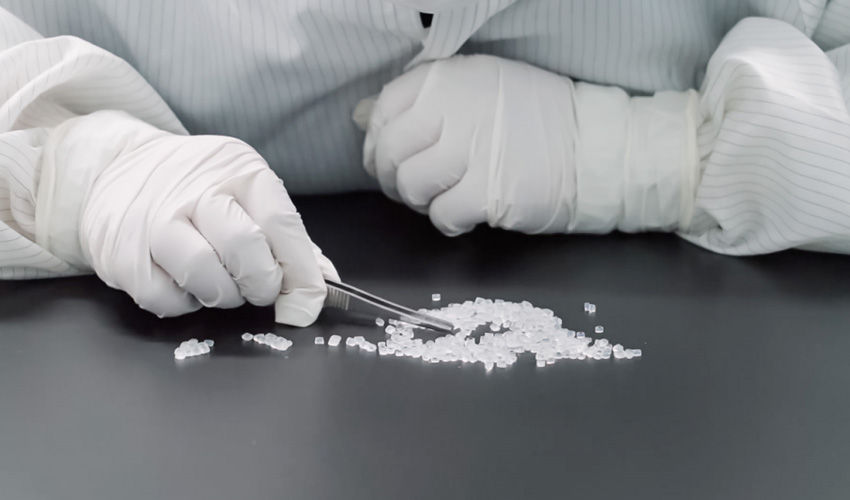
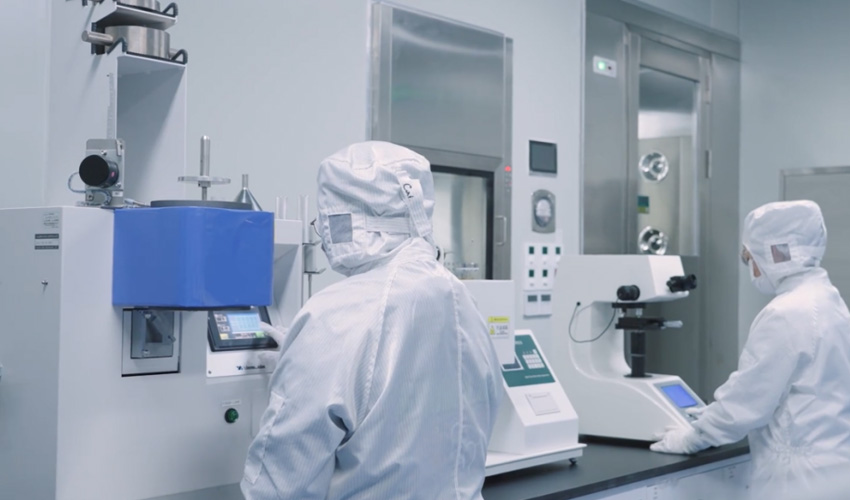
On the production side, BSL has established a comprehensive process control system. The entire workflow including extrusion, assembly and packaging is completed inside cleanrooms to eliminate external contamination. Adopting precision extrusion molding technology, the tubing is made with a smooth inner wall free of dead corners and residual contaminants, which effectively reduces particulate generation from the physical structure.
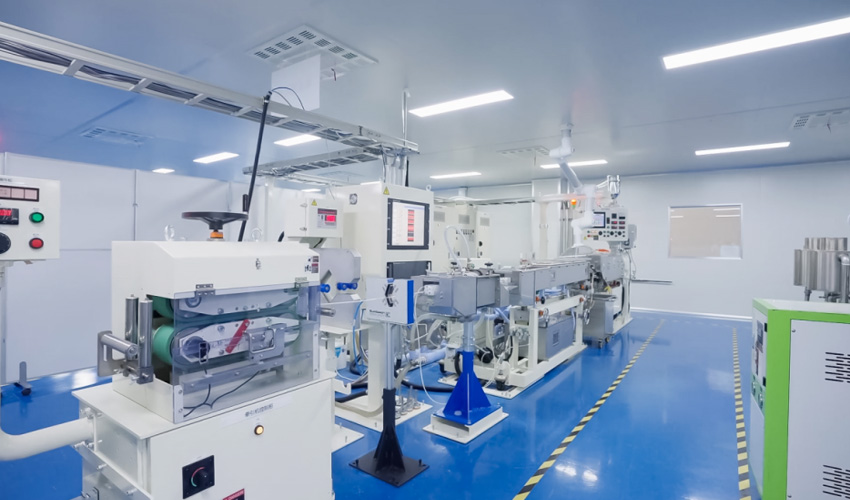
On the testing side, BSL runs a Class 100 laboratory. Every product batch undergoes full-scale tests covering physical properties, chemical properties and cleanliness. Real-time on-line inspection is implemented for tube wall thickness and outer diameter during production to ensure consistent dimensional stability.
The application of wide bandgap semiconductor materials has continued to expand in recent years. SiC and GaN are being deployed in an increasing number of high-value scenarios, ranging from main drive inverters and photovoltaic inverters to fast charging power supplies and power supply systems for data centers. The year 2026 is poised to become a critical window for breakthroughs in the wide bandgap semiconductor device market, followed by an industry-wide capacity expansion boom.
As purity requirements and packaging standards for electronic chemicals keep upgrading, the quality of Ultra-Clean PFA Tube — a core component in chemical transfer — is directly linked to the yield rate and performance of chip manufacturing. BSL Ultra-Clean PFA Tube is designed to preserve chemical purity and prevent contamination during transportation, making it an indispensable fundamental safeguard for the manufacturing processes of wide bandgap semiconductor materials.