In the world of luxury hospitality, every detail matters. The sweeping ocean view, the manicured golf course, the infinity pool perched above a tropical forest—each element is curated to create an experience of effortless beauty. Yet today’s guests arrive with an expectation that challenges this aesthetic perfection: flawless 4G, 5G, and Wi-Fi connectivity. The paradox of modern luxury is that guests demand to be simultaneously present in paradise and connected to the world. For resort owners, the solution lies not in hiding infrastructure, but in transforming it into part of the landscape itself. Enter the camouflage tree tower—a palm for the beachfront, a pine for the mountains—that seamlessly merges connectivity with the art of hospitality.
The Resort Challenge: Connectivity Without Compromise
Luxury resorts face a unique infrastructure dilemma. Their properties are often located in precisely the places where conventional towers are least welcome: pristine coastlines, forested hillsides, and protected landscapes. Yet their guests, paying premium rates, expect uninterrupted service.
A guest checking into a five-star beach resort expects to stream, share, video call, and conduct business from their suite or sun lounger. A golfer on the 14th fairway needs reliable coverage to manage work calls between swings. A family exploring the resort grounds wants their children to stay connected while playing.
The traditional solution—a standard telecommunications tower—is unacceptable. It disrupts sightlines, clashes with architectural themes, and diminishes the very natural beauty that commands premium rates. The modern solution is infrastructure that serves without intruding: palm trees that transmit, pines that perform.
Palm and Pine: Site-Specific Design Philosophy
The choice between palm and pine is not merely aesthetic; it reflects the resort's geography and architectural context.
The Palm Tower: Coastal and Tropical Elegance
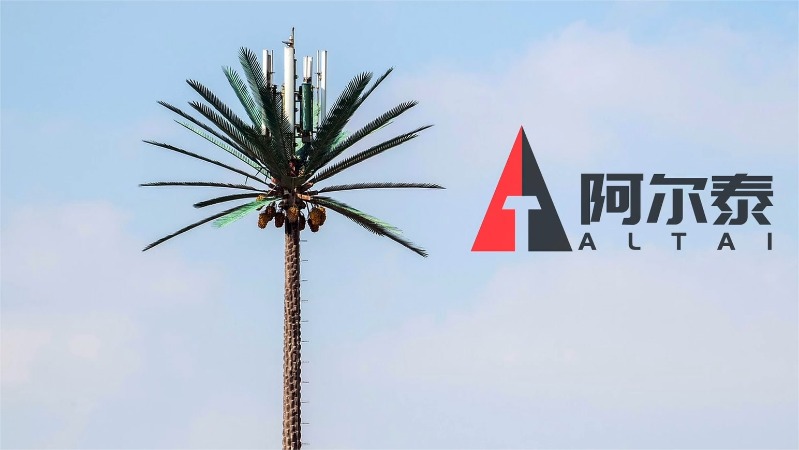
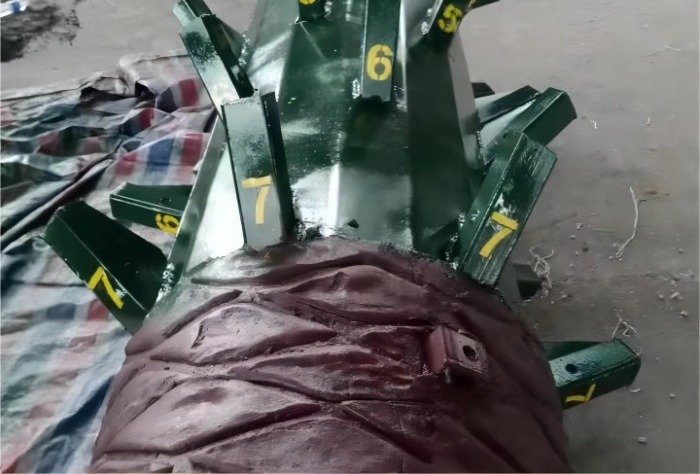
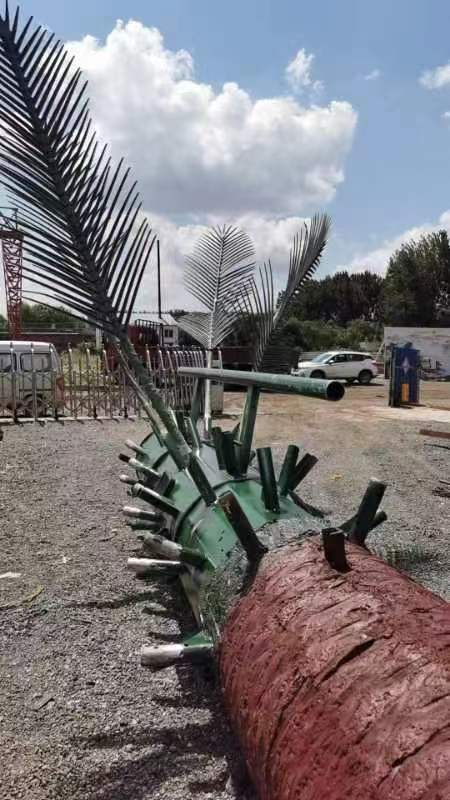
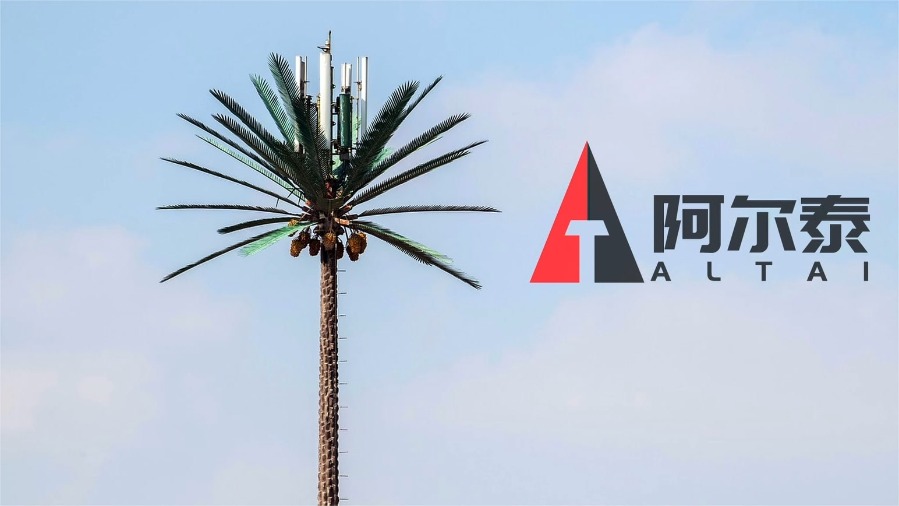
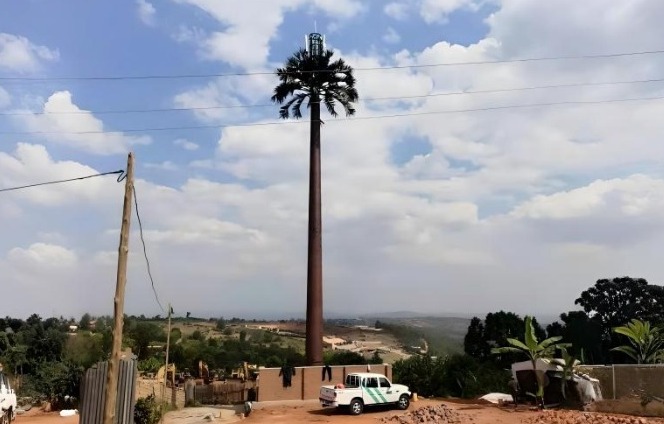
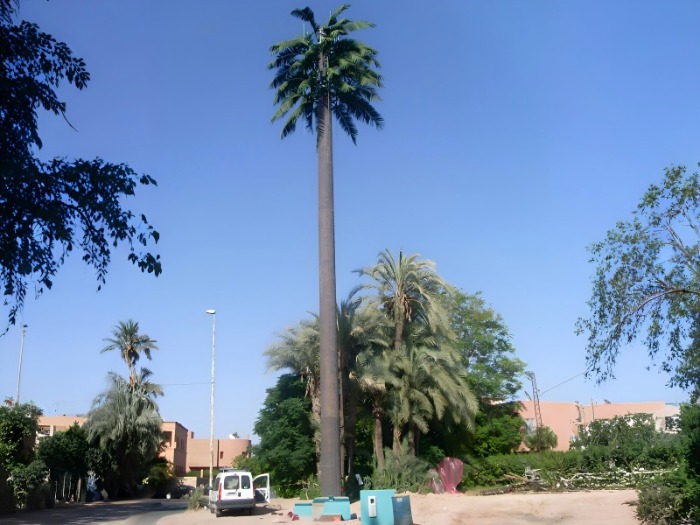
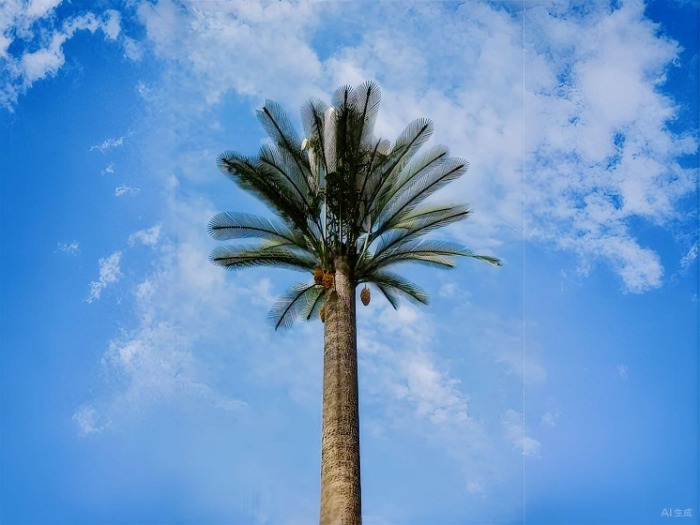
Palm towers are the quintessential solution for beachfront resorts, island properties, and coastal developments. Their slender trunks and graceful fronds harmonize with natural palm groves, making them virtually indistinguishable from living trees. Advanced manufacturing uses fiber-reinforced polymer (FRP) for fronds and trunk cladding, with fronds individually hand-painted to match local species. The result is a structure that appears to sway with the trade winds while providing robust connectivity.
For golf courses, palm towers offer dual functionality. Positioned strategically, they can serve as both hazard markers and coverage nodes—blending into the landscape while ensuring golfers remain connected for reservations, pace-of-play tracking, and emergency communication.
The Pine Tower: Mountain and Forest Integration
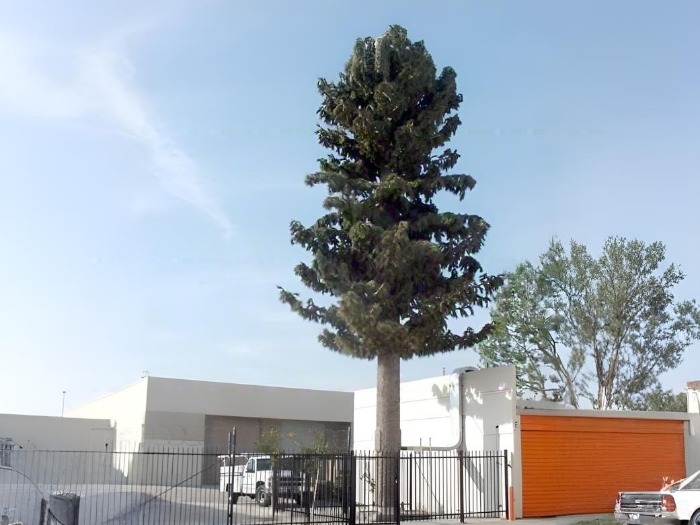
For mountain resorts, alpine lodges, and forest retreats, the pine tower is the natural choice. Tall, tapered, and authentically textured, these structures mimic native conifers with remarkable fidelity. The trunk is clad in bark-textured panels cast from real tree molds, while branches are arranged in natural, asymmetric patterns that avoid the "lollipop" look of early designs.
These towers are particularly valuable in ski areas, where reliable coverage is a safety necessity. Guests on the slopes, families at the base lodge, and event planners coordinating weddings
The Value Proposition: Beyond Connectivity
For resort owners and developers, the decision to invest in camouflage towers is driven by a clear economic and experiential calculus.
1. Guest Experience: The Ultimate Differentiator
In the luxury segment, guest experience is paramount. A resort with poor connectivity faces negative reviews, frustrated guests, and diminished return visits. A resort with invisible but flawless coverage delivers a seamless experience that guests remember—without remembering why. The infrastructure disappears, allowing the beauty of the property to take center stage.
2. Property Value: Aesthetic Integrity as an Asset
Real estate value in luxury hospitality is intrinsically tied to aesthetics. A property marred by visible industrial towers loses its premium positioning. Camouflage towers protect that value. By maintaining unobstructed views and preserving landscape integrity, they ensure the property remains as photogenic in marketing materials as it is in person.
3. Operational Efficiency: Staff and Management Connectivity
Beyond guest services, resorts themselves depend on reliable connectivity. From reservation systems and housekeeping coordination to security monitoring and emergency response, seamless coverage improves operational efficiency. Camouflage towers support these internal networks without compromising the guest experience.
4. Event and Wedding Revenue
Many resorts derive significant revenue from weddings, corporate retreats, and special events. These gatherings demand reliable connectivity for streaming, social sharing, and coordination. A property with robust, aesthetically integrated coverage can market this capability as a premium feature.
Case Examples: Integration in Practice
While specific projects often remain confidential due to resort branding sensitivities, the patterns of successful deployment are clear:
- Coastal Resort in the Caribbean: A 30-meter palm tower near the main pool area supports 5G coverage across the property. The tower is sited among existing coconut palms, with frond density adjusted to match the surrounding grove. Equipment cabinets are housed in a "dead frond skirt" at the base—a detail that enhances realism while concealing infrastructure.
- Mountain Resort in the Alps: A pine tower at mid-mountain provides coverage for both winter sports and summer hiking trails. The tower's height is limited to remain below the treeline when viewed from the valley, preserving the pristine silhouette of the peak.
- Golf Course Community in Florida: Multiple palm towers along the fairways serve dual purposes: they provide coverage for golfers and guests while functioning as visual landmarks that enhance course navigation.
Technical Considerations for Resort Deployments
Successful resort installations require careful attention to several factors:
Height Optimization: Towers must be tall enough to clear tree canopies and provide adequate coverage but not so tall as to dominate the landscape. Typical heights for resort applications range from 15 to 30 meters, with custom heights available for specific site conditions.
Load Capacity: Resorts often require multi-operator hosting to accommodate guests from various carriers. The camouflage structure must be engineered to support the combined weight and wind load of multiple antenna arrays.
Environmental Compliance: Siting within protected coastal zones or forested areas requires rigorous environmental assessment. Experienced manufacturers work with local authorities to ensure compliance with all permitting requirements.
Long-Term Durability: Resort investments are long-term. Quality camouflage materials are rated for 20-30 years of UV exposure, with UV-stabilized polymers and durable bark coatings that resist fading, cracking, and degradation.
The ROI of Invisible Infrastructure
For resort owners, the return on investment in camouflage towers is measured not only in connectivity but in preserved value:
-
· Premium room rates justified by uninterrupted service
-
· Higher occupancy driven by positive reviews and word-of-mouth
-
· Event bookings enabled by reliable coverage
-
· Asset preservation maintaining the property's visual integrity
A property that invests $150,000 in a camouflage tower may recoup that investment many times over through enhanced guest satisfaction and the ability to command premium pricing.
Conclusion: The Future of Resort Connectivity
As guest expectations for connectivity continue to rise, and as 5G networks demand greater infrastructure density, the pressure to deploy towers in sensitive locations will only intensify. Luxury resorts that embrace camouflage technology are not merely solving a technical problem—they are making a strategic investment in their brand, their guest experience, and their long-term value.
The palm that provides coverage, the pine that performs—these structures represent the perfect synthesis of engineering and artistry. They prove that in the world of luxury hospitality, the best infrastructure is the infrastructure no one notices, quietly ensuring that paradise remains perfectly connected.