Beams are core structural components supporting buildings or structures, bearing loads from the foundation, exterior walls, or other components. Beams can be classified by shape, such as I-beams, L-beams, and box beams, and also by material and connection method. Among the many types of beams, H-beams and I-beams are the two most common forms in steel structures. They look similar and are often used in the same applications, but there are key differences in their cross-sectional shape, mechanical properties, and load-bearing efficiency. Understanding these differences is crucial for structural design and cost control.
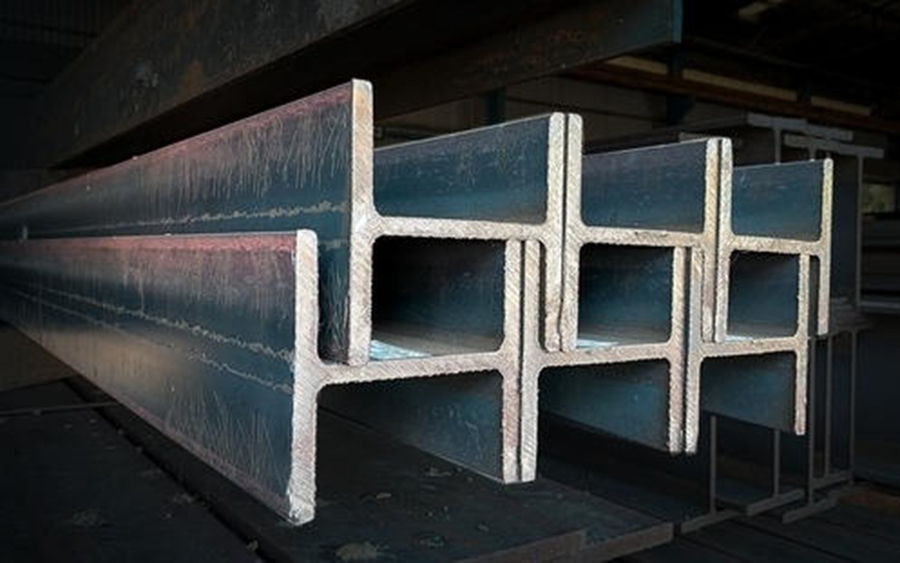
H beam

From a Cross-Sectional Perspective

The main difference between H-beams and I-beams lies in their cross-sectional shape. An H-beam's cross-section resembles the letter "H," with one vertical flange and two long side flanges; while an I-beam's cross-section resembles the letter "I," with one vertical web (thickest at mid-span), two webs, and no bottom flange. Furthermore, the web of an H-beam is much thicker and deeper than that of an I-beam; a thicker web means a more robust beam, which is the most fundamental morphological difference between the two.
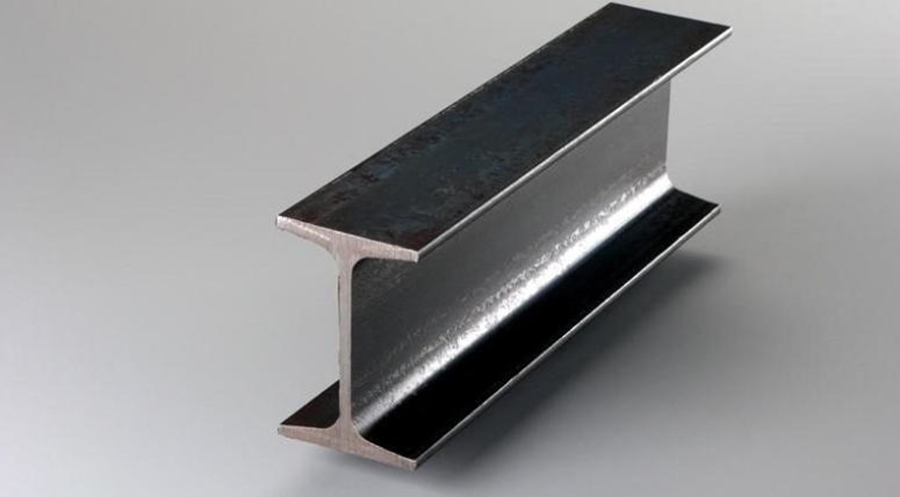
I beamFrom a mechanical performance perspective

H-beams are more efficient than I-beams, better able to withstand bending and shear loads. Their thicker and deeper webs allow them to better support the weight above and balance future cantilever loads (such as additional floors or beams). Simultaneously, H-beams have a higher section modulus (stronger resistance to compressive forces) and higher tensile strength (less prone to bending under tension). In short, greater load-bearing capacity means that fewer H-beams can be used to provide the same structural support, thus reducing the cost of H-beams compared to I-beams.

From a load-bearing efficiency perspective

H-beams are significantly more efficient than I-beams. Due to their thicker and deeper webs and wider flanges, H-beams perform better under bending and shear loads, while better balancing future cantilever loads (such as additional floors or beams). Higher section modulus and tensile strength give them greater resistance to both compression and tension. In short, fewer H-beams are needed to achieve the same structural support. Therefore, H-beams not only have higher load-bearing efficiency but also lower overall cost than I-beams.

From an application perspective

H-beams and I-beams are very similar, but their applications differ. H-beams are better suited for supporting floor slabs and roof loads, and are used for larger spans; while I-beams are better suited for supporting the weight of walls or columns. Furthermore, the minimum spans of the two types of beams differ: if the project has a large span (i.e., a long length), I-beams may not be suitable because they require more material than other types of beams. Consulting professionals is key to determining the optimal selection.
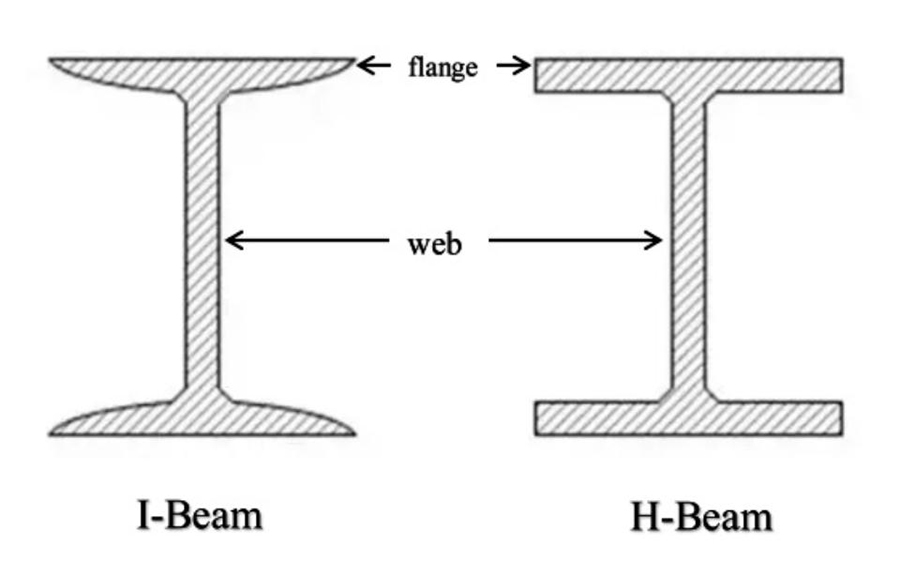
I beam vs H beam

Comparison Table of H-beams and I-beams

Items

H-beams

I-beams

Rolling process:

Manufactured through multiple cold and hot rolling processes.

H-beam rolling mills allow for precise control of their dimensions and shape.

H-beam polishing machines can remove surface defects or improve surface smoothness.

Primarily produced using hot rolling processes for large-scale production.

During production, any bending or torsion of the I-beams is corrected to ensure their flatness and straightness.

A punching machine is used to quickly punch holes in the flanges or web of the I-beams, facilitating the assembly and connection of the steel structure.

Applications:

Suitable for high-precision construction and heavy industrial projects.

Commonly used in bridges, large building structures, and high-stress facilities.

Commonly used in steel structure buildings and conventional construction projects such as supporting beams.

While H-beams and I-beams may look similar, they differ significantly in cross-sectional shape, mechanical properties, load-bearing efficiency, and application scenarios. H-beams have thicker webs and wider flanges, resulting in higher load-bearing efficiency, making them suitable for large spans and vertical loads, and offering lower overall cost under the same support conditions. I-beams, on the other hand, are better suited for supporting walls and columns, and due to their lateral force resistance, they are often used in large buildings to resist wind and seismic loads. Appropriate selection requires consideration of the project's actual span, load type, and budget, and consultation with a structural engineer is necessary when needed. Understanding the differences between these two types of beams is a crucial step in optimizing steel structure design and controlling costs.

For more information needed or any inquiry,please feel free to contact Yumisteel team.

light steel villa

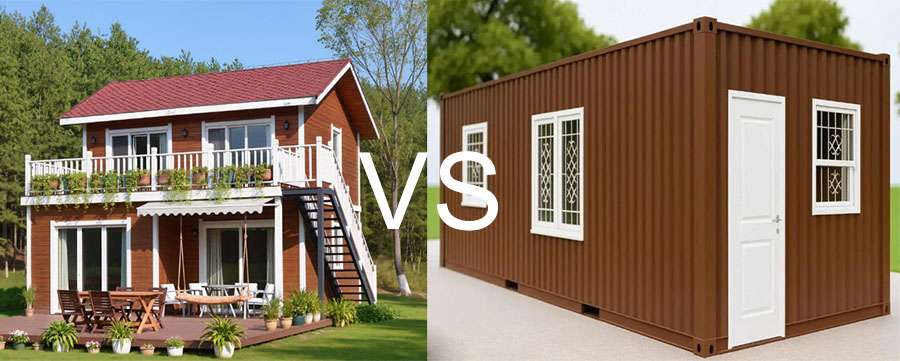
What is Light Steel Structure Villa?

A light steel structure villa is a prefabricated building with cold-formed thin-walled steel as its main frame. Designers use computer-aided calculations to roll galvanized or aluminized zinc steel strips into C-shaped, U-shaped, and other thin-walled components, which are then assembled on-site or in a factory to form walls, floors, and roof trusses. This structure is lightweight, approximately 1/4 to 1/5 the weight of traditional concrete buildings, and has low foundation requirements. The walls are filled with glass wool or rock wool, combined with OSB boards, gypsum boards, and waterproof and breathable membranes, forming a composite enclosure system that integrates load-bearing capacity, thermal insulation, sound insulation, and moisture protection. Light steel villas can be flexibly designed in various styles, including European, American, and modern. Their lifespan is typically 50 to 70 years, and the materials are recyclable, making them a green and environmentally friendly building.

Shipping container house

What is a Container House?

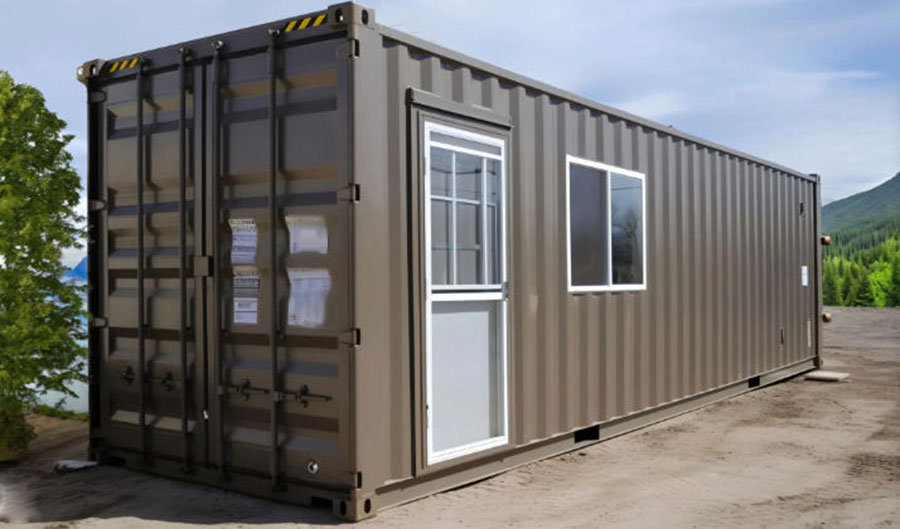
Container houses utilize repurposed shipping containers. Standard 20-foot or 40-foot containers are made of weathering steel and have a natural corrugated structure, offering excellent resistance to compression, bending, and torsion. During the renovation, workers cut door and window openings, install insulation (usually sprayed polyurethane or EPS boards), line the interior with decorative panels, and install electrical wiring, plumbing, and air conditioning systems. Multiple containers can be stacked and assembled using welding or specialized connectors to form two- or even three-story buildings. Container houses retain an industrial aesthetic, are highly modular, and come pre-assembled at the factory; on-site installation only requires hoisting and connecting piping. Due to their mobility and rapid assembly, they are commonly used as temporary offices, construction site dormitories, pop-up shops, or emergency housing after disasters.

Differences between Light Steel Structure Villas and Container Houses

Comparison Dimensions

Light Steel Structure Villas

Container Houses

Structural System

Customized light steel keel, flexible dimensions.

Based on standard shipping container modules (approximately 2.3-2.4 meters wide), width is limited.

Design Flexibility

Can be used for high-ceilinged living rooms, arched roofs, open-plan layouts, and any unit type.

Limited by the original container structure, additional reinforcing beams and columns are required when connecting multiple containers.

Transportation Method

Steel is transported in packages, assembled on-site.

Integrated or modular transportation, immediate hoisting upon arrival.

Construction Cycle

Keel installation is fast, but interior and exterior finishing still requires several weeks.

Factory completion of over 85% of the finishing, on-site hoisting and placement within hours.

Mobility

Permanent building, immovable.

Can be hoisted and relocated entirely, reused.

Lifespan

50-70 years.

15-25 years (up to 30 years with good maintenance).

light steel villa vs container house

How to choose the right house for you?

Your choice should be based on five key factors.

☆If you need to live there long-term (over 20 years) and have highly personalized requirements for the house type, a light steel villa is a more reliable option, especially suitable for rural self-built houses or vacation villas.

☆If you pursue a super-fast construction period—for example, from order to move-in within one month—or need a movable, relocatable building, container houses are more advantageous.

☆In terms of budget, container houses have a lower starting threshold; a fully functional single-container house can be had for 100,000 to 200,000 yuan.

☆Land type is also important: permanent residential land or construction land is suitable for light steel villas; for temporary land, forest land, or vacant land next to a garage, container houses are more compliant.

☆Finally, consider aesthetic style: choose a light steel villa if you prefer a warm, traditional residential feel; choose a container house if you prefer an industrial style or minimalist modern feel.

There is no absolute "better," only "more suitable."

Light steel structure villas and container houses are not opposites, but rather meet different living needs in different scenarios. Light steel villas are like bespoke suits—fitting, durable, and dignified, suitable as heirlooms. Container houses are like functional coats—quick, economical, and flexible, suitable as temporary or creative spaces. In specific projects, you can even use a hybrid approach: build the main building with light steel and create a separate tea room or tool shed using containers. Before making a decision, it is recommended that you clarify the land use, lease term, budget, and aesthetic preferences, and consult a professional prefabrication company if necessary. Regardless of the choice, prefabricated construction is more environmentally friendly and efficient than traditional cast-in-place construction, and this is the future of construction.

For more information needed or any inquiry,please feel free to contact Yumisteel team.
Preparing for the 139th Canton Fair in April 2026

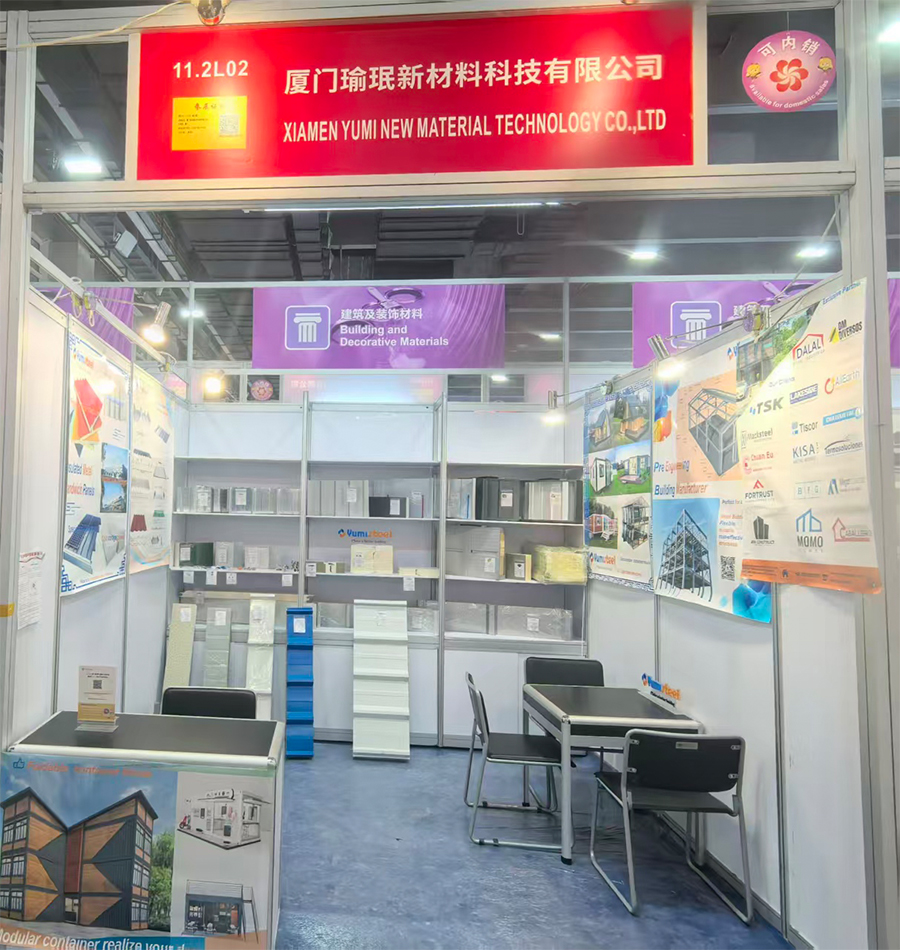
Yumisteel entered the 139th Canton Fair in April 2026 with thorough preparation and high expectations. As one of the most influential trade events in the global construction industry, the Canton Fair attracts thousands of buyers from all over the world. Knowing this, Yumisteel invested weeks in booth design, product displays, and technical documentation to ensure a professional and welcoming presentation. The team prepared samples of sandwich panels, color steel tiles, decking sheets, container houses, and full steel structure building models. Marketing materials were translated into multiple languages to better serve international visitors. Every team member was trained to answer technical questions on the spot. With a clean, organized booth and a clear focus on quality and customization, Yumisteel was ready to meet the world.

Yumisteel booth in Canton Fair

Five Days of Non-Stop Visitor Traffic – April 23 to 27, 2026

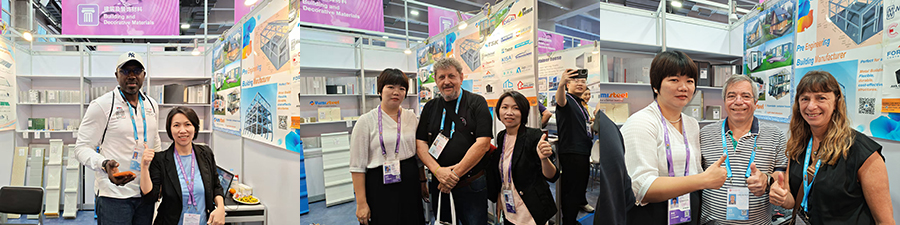
From April 23 to April 27, 2026, the Yumisteel booth welcomed a steady stream of visitors every single day. The five-day was intense but rewarding, with barely a quiet moment. Buyers from Europe, the Middle East, Southeast Asia, Africa, and South America stopped by to examine product samples, ask about pricing, and discuss project requirements. Many visitors arrived with specific construction needs and stayed for in-depth conversations. The Yumisteel team found themselves constantly moving between explaining technical specifications, handing out brochures, and scheduling follow-up meetings. By the end of each day, the inquiry log was full, and the team was exhausted but excited. The level of interest was beyond expectations, confirming that global demand for prefabricated building solutions continues to grow fast.

Group photo at the Canton Fair

Steel Structure Buildings Drew the Most Inquiries

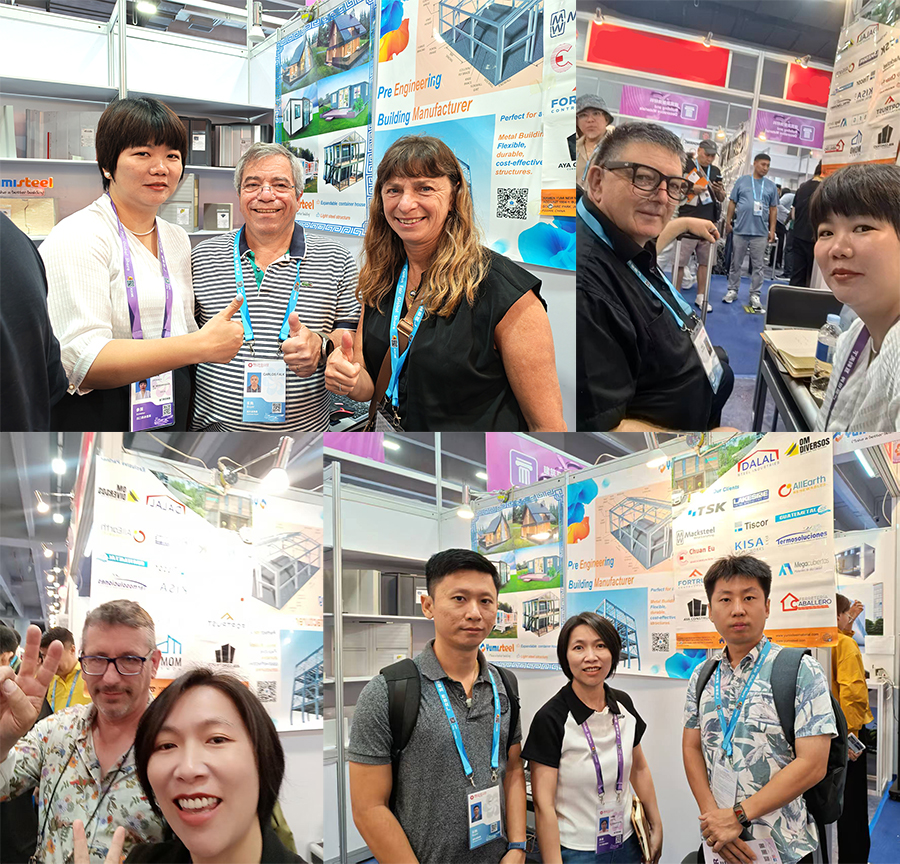
Yumisteel offers a wide range of products, including sandwich panels, color steel roofing sheets, floor decking, container houses, and complete steel structure buildings. However, during this Canton Fair, steel structure buildings received the highest number of serious inquiries. Buyers were especially interested in using steel buildings for self-built homes, warehouses, and office spaces. Many visitors asked about light steel frame systems that are easy to transport, quick to assemble, and strong enough to withstand local weather conditions. Some customers brought rough drawings of their land and asked for customized designs. Others wanted to know about insulation options, foundation requirements, and delivery times. It became very clear that steel structure buildings have moved from a niche product to a mainstream choice for individual homeowners and small business owners alike.

Group photo at the Canton Fair

After the Fair – Yumisteel's Team Steps In to Deliver Solutions

Once the Canton Fair ended, the real work began for the Yumisteel business team. Every inquiry collected during those five days was carefully reviewed and sorted. The team now focuses on providing the best possible solutions to each customer based on their specific needs — whether it is a small self-built home in a rural area, a mid-sized warehouse near a city, or a modern office space on a tight schedule. Yumisteel's engineers work closely with clients to adjust designs, select the right materials, plan logistics, and offer installation guidance. No two projects are exactly the same, and the team takes pride in solving real-world problems with practical, affordable, and durable steel structure buildings. For anyone who visited the Yumisteel booth at Canton Fair 2026, a professional and caring response is already on its way.

For more information needed or any inquiry,please feel free to contact Yumisteel team.
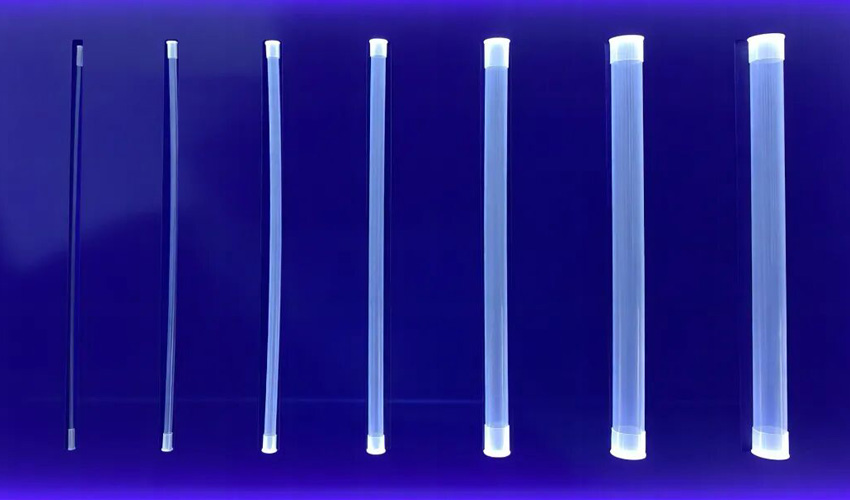
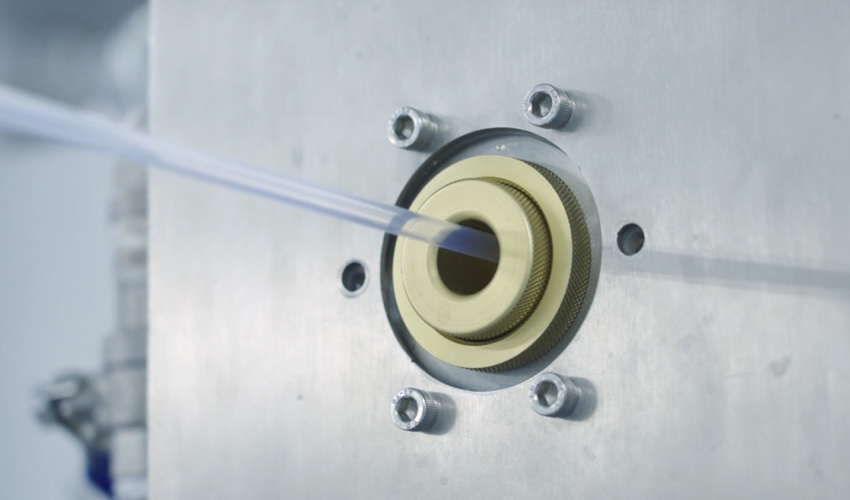
Boasting excellent chemical inertness, ultra-low metal ion leaching, superior inner wall smoothness and outstanding stability over a wide temperature range, Ultra-Clean PFA Tube serves as an essential core pipeline component for semiconductor photoresist transfer systems.


ultra-clean PFA Tube


As chip manufacturing processes evolve toward more advanced nodes, fabrication fabs have raised stricter standards for the purity and particle control of photoresist delivery pipelines. As a vital fluid passage connecting storage tanks, pumps, valves and other components, Ultra-Clean PFA Tube must withstand long-term corrosion from strong organic solvents in photoresists. Meanwhile, it is required to deliver ultra-low metal ion leaching and superior particle control performance, so as to minimize photoresist contamination and ensure the yield of products manufactured by advanced processes.

For a long time, the domestic market for semiconductor-grade Ultra-Clean PFA Tube has been highly dependent on imports. Particularly for the production of advanced logic and memory chips, high-end products are still dominated by a small number of international manufacturers. Faced with technical bottlenecks in core fluid pipeline materials for semiconductors, BSL has continuously made breakthroughs in key processes including precision extrusion molding of high-purity PFA, steadily improved the control capability of metal leaching, and upgraded full-process clean manufacturing technologies. In addition, BSL is accelerating product verification and on-site application at mainstream fabs and semiconductor equipment suppliers. Our product portfolio features high batch consistency, superior chemical resistance and ultra-high purity, fully meeting the rigorous requirements of photoresist transfer systems for advanced processes. It provides solid support for the independent controllability and sustainable development of key semiconductor consumables.

01 Chemical Resistance


BSL adopts high-purity PFA raw materials. Innovative processes improve the density and uniform molecular structure of the tubes, reduce micropores and weld defects, and effectively block penetration channels for corrosive media, which greatly enhances the overall corrosion resistance and anti-swelling performance. When in long-term contact with common organic solvents for photoresists (such as PGMEA and Cyclohexanone), as well as chemicals widely used in semiconductor wet processes including sulfuric acid and hydrofluoric acid, the tubes show no swelling, cracking or mass loss, delivering excellent chemical resistance.

Test results show that after 168 hours of immersion in 37% hydrochloric acid at 85℃, BSL Ultra-Clean PFA Tube has no obvious changes in appearance and dimensions, and the total leachables remain stable. Its overall chemical resistance has reached the world’s advanced level.

02 Low Metal Ion Leaching


Manufactured with high-precision production equipment, BSL Ultra-Clean PFA Tube maintains ultra-high purity. In compliance with the Group Standard for Semiconductor-Grade Perfluoroalkoxy (PFA) Tubes (hereinafter referred to as the Standard), the leaching levels of metal ions such as aluminum, calcium, chromium, iron and sodium are all controlled below the limits specified in the Standard. Especially for critical impurities including sodium, iron and calcium, our product delivers performance equivalent to or even better than international competing products, ensuring fluid purity from pipelines to wafers throughout the whole process.

03 Low TOC and Particulate Leaching

The tubes undergo ultrasonic cleaning and multi-stage ultrapure water flushing, which drastically reduces organic residues and loose particulates on the inner wall. The Standard stipulates that the total organic carbon (TOC) content shall not exceed 2000 μg/m², while the actual measured TOC value of BSL products is controlled within 60% of the standard limit.

In addition, particulate leaching fully complies with SEMI Standards. In particle-sensitive photolithography processes such as photoresist coating and development, particle detachment from the tube inner wall is kept to a minimum, avoiding wafer surface scratches and short-circuit defects.

04 Smooth Inner Surface

Adopting high-precision extrusion dies and stable process parameters, the average surface roughness (Ra) of the tube inner wall of BSL products is steadily controlled at ≤0.25 μm. Atomic Force Microscope (AFM) tests verify that the inner wall is smooth and free of microcracks. This effectively suppresses fluid turbulence and reduces particle adhesion and chemical residue accumulation.

Independently developed BSL Ultra-Clean PFA series products fully satisfy the extreme demands of advanced semiconductor processes for photoresist transfer. They are applicable to harsh working scenarios requiring high cleanliness, strong corrosion resistance and high precision, ensuring stable operation of fluid transfer systems and protecting manufacturing yield.


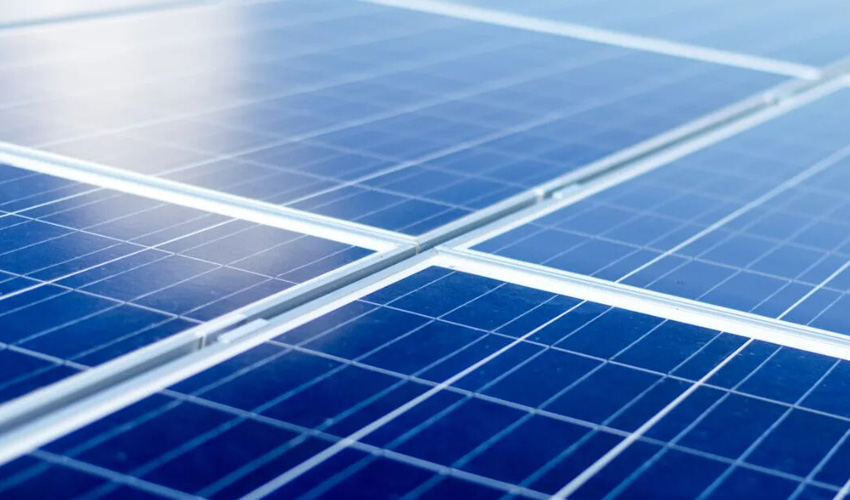
In the photovoltaic industry, the production and maintenance of solar panels and modules impose extremely high requirements on cleanliness. Studies have shown that dust accumulation can reduce the efficiency of solar panels, and power loss can be substantial under scenarios with heavy dust coverage. Therefore, implementing strict cleanliness control in production, assembly and daily operation & maintenance has become an industry consensus for photovoltaic enterprises.


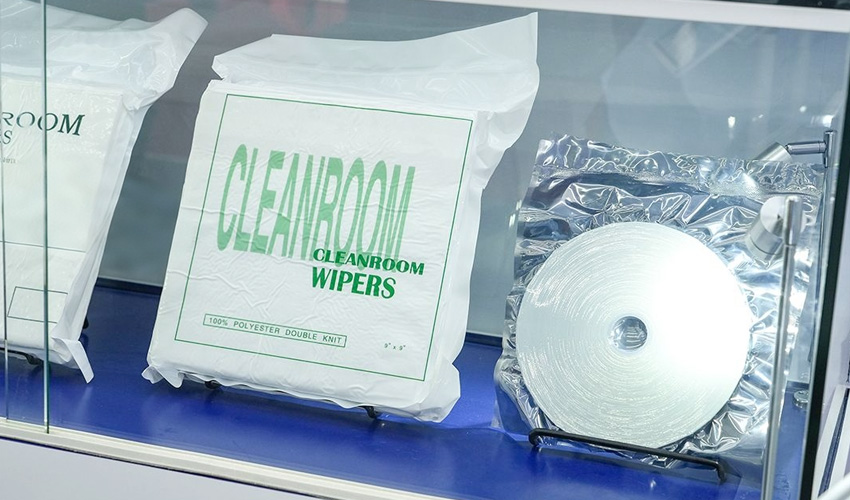
With superior properties including low lint generation, high wiping efficiency, strong adsorption capacity, anti-static performance and soft surface texture, BSL (Baoshili) Cleanroom Wiper has evolved into an indispensable cleaning consumable in the photovoltaic industry.

01 Precision Cleaning of Module Surfaces

During the manufacturing and subsequent power inspection of solar panels, their surfaces are highly prone to deposited dust and processing oil residues. Wiping with professional low-ion-release Cleanroom Wiper can efficiently remove contaminants while avoiding micro-scratches on the surface, ensuring the light absorption efficiency of modules remains intact.

02 Internal Maintenance of Production Equipment

In high-precision processes such as screen printing and laser cutting, free particles attached to the interior of equipment and fixture surfaces may easily mix into solar cells, causing appearance defects or performance failure. Regular cleaning of key contact surfaces of production equipment with Cleanroom Wiper is crucial to stabilizing the yield rate of continuous production.

03 Emergency Handling of Liquid Contaminants

Photovoltaic production lines often encounter accidental splashes of cleaning solutions, bonding additives and organic solvents. Improper disposal will contaminate adjacent workstations. Featuring a microfiber structure, Cleanroom Wiper boasts far stronger liquid adsorption capacity than ordinary cotton cloth. It can quickly remove residual liquids spilled accidentally during production, reducing secondary risks caused by chemical diffusion.

04 Prevention of Static Damage Risks

Given that photovoltaic module packaging and lamination processes are vulnerable to electrostatic impact, anti-static Cleanroom Wiper is required to timely dissipate static charges generated by operational friction. This prevents static electricity from breaking down precision power generation structures, damaging cell grid lines or transparent conductive films, and improves electrical safety in precision operations.

05 Daily Maintenance Support

From pre-cleaning before lamination and glue overflow treatment after lamination, to wiping optical lenses of testing equipment and maintaining laboratory countertops, the high wiping efficiency of Cleanroom Wiper fully meets daily cleaning and maintenance needs.

Core Advantages of BSL Cleanroom Wiper

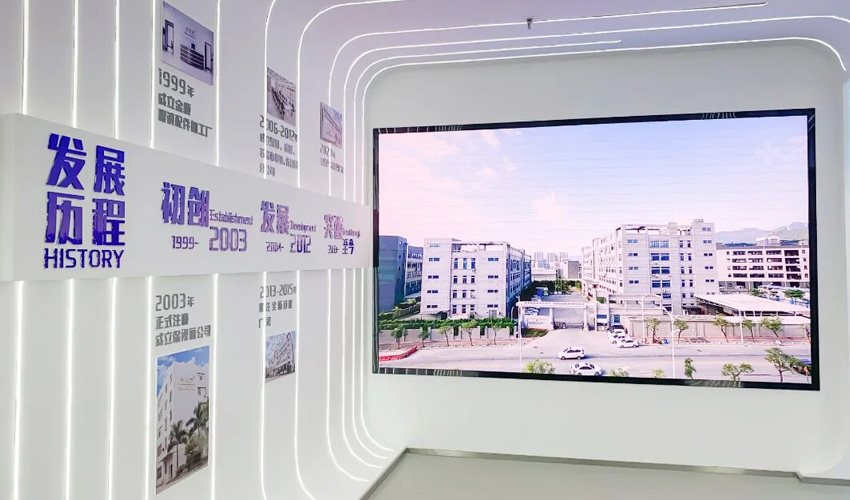
BSL Cleanroom Wiper is available in multiple material specifications and models, including microfiber and 100% polyester fiber variants. It meets high industry standards in core indicators such as particle release, lint shedding and ion residue. Founded in 1999, the company has accumulated advanced technological craftsmanship over decades, endowing BSL Cleanroom Wiper with outstanding performance across multiple dimensions.


Cleanroom Wipes


Low Lint Generation

Adopting continuous knitting technology as well as laser and ultrasonic edge sealing, BSL Cleanroom Wiper effectively avoids scratches on photovoltaic glass and backsheets caused by loose threads from traditional hot cutting.

High Adsorption Capacity

The microfiber structure endows the material with powerful capillary wicking effect, delivering excellent instant capture and locking performance against dust, processing oil stains, residual glue and additive liquids.

Anti-Static Design

Optional anti-static wiping variants effectively inhibit static charge accumulation and eliminate potential impacts of point discharge on sensitive photovoltaic modules and precision manufacturing environments.

Soft and Damage-Free Surface

The Cleanroom Wiper features a soft and smooth surface, causing no micro-marks or damage even when repeatedly wiping high-transmittance coated photovoltaic glass.

Wet and Dry Dual-Purpose

Whether for dry dust removal before sampling inspection or precision wet wiping with solvents such as isopropyl alcohol, BSL Cleanroom Wiper maintains stable material strength and cleaning efficiency under various working conditions.


As the photovoltaic industry raises higher requirements for process yield and module service life, high-quality cleanroom consumables have become a key factor for differentiated competition. Drawing on over two decades of large-scale production capacity in cleanroom wiper materials, BSL continues to provide stable and reliable Cleanroom Wiper Solutions for solar cell factories and end-user operation & maintenance service providers.


keyboard_arrow_up