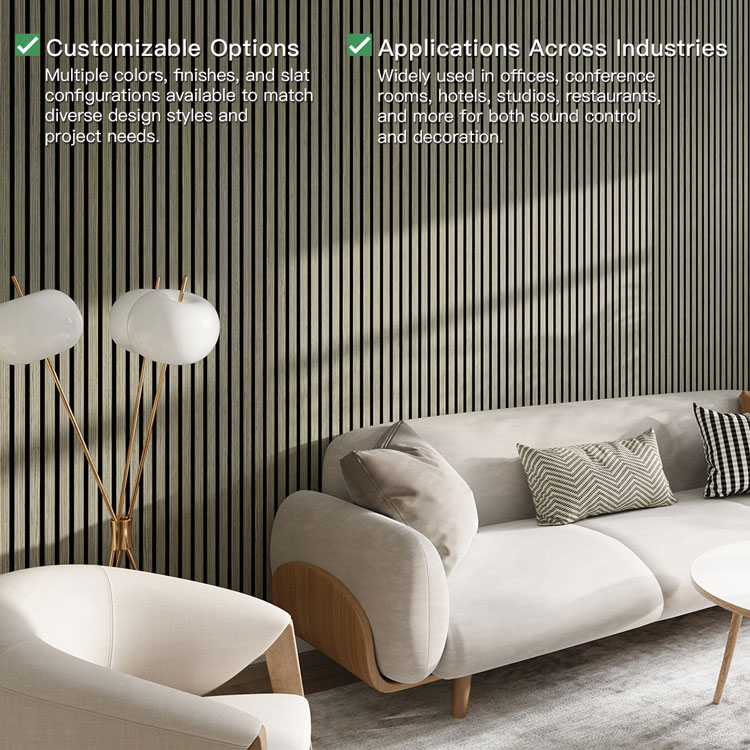
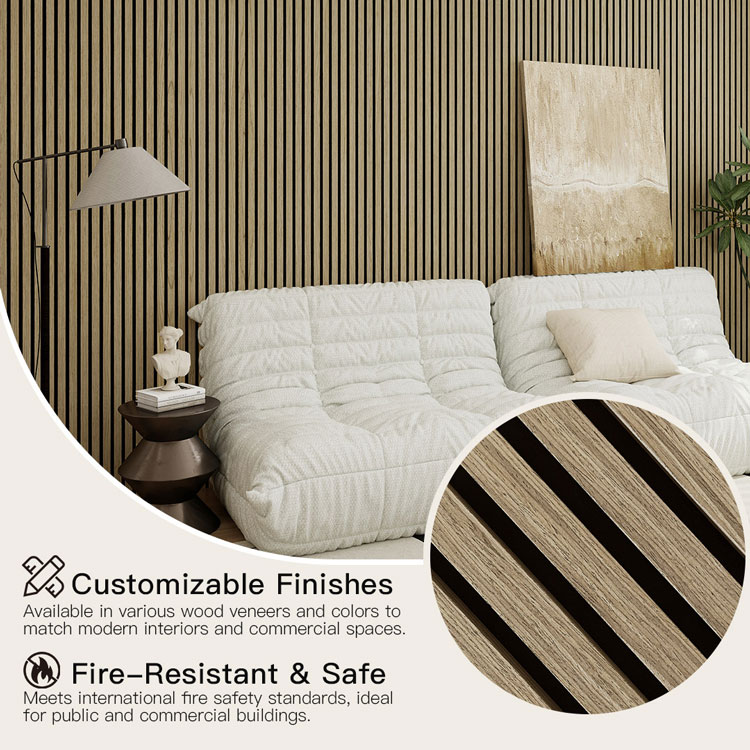
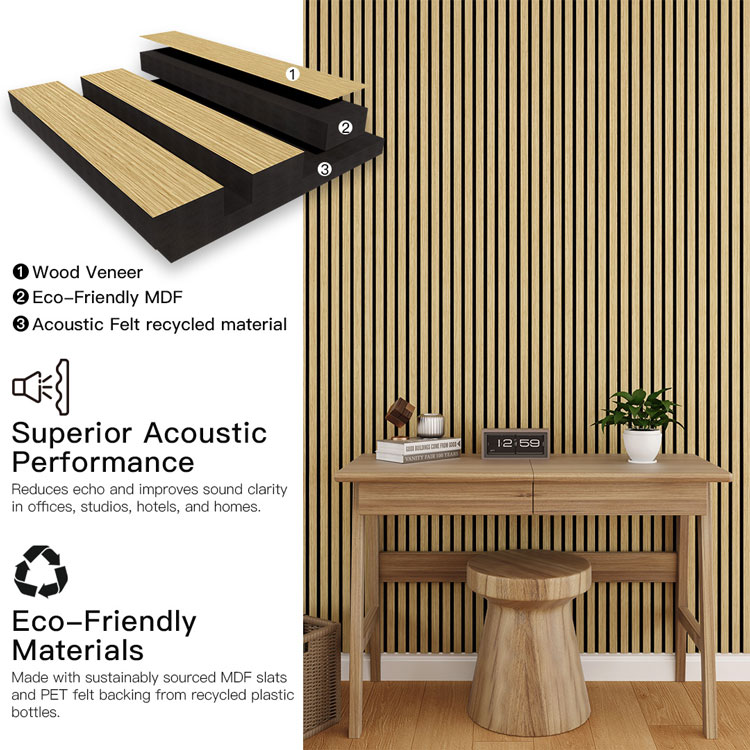
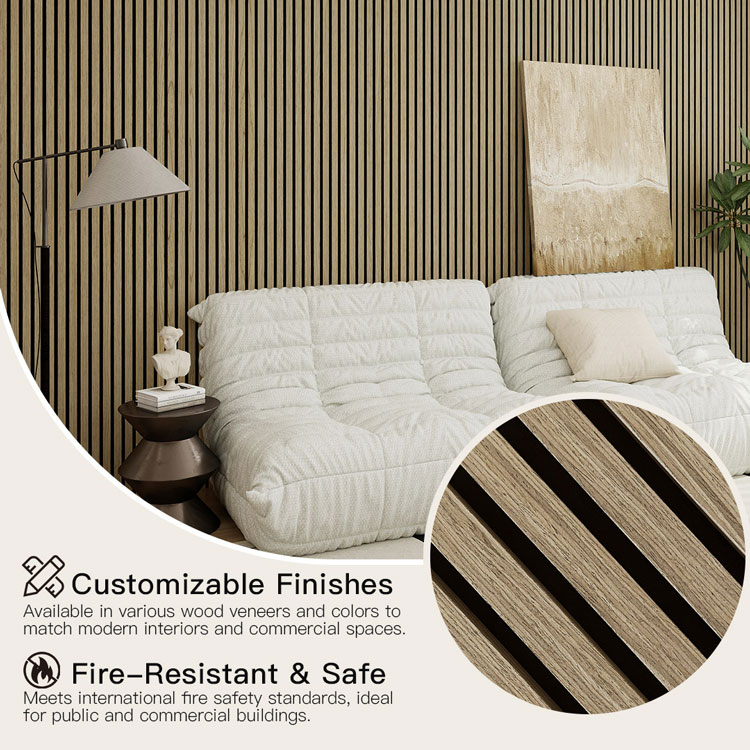
As more homeowners, designers, and business owners focus on improving indoor sound quality, acoustic treatment has become an essential part of modern interior design. Among the many solutions available, DIY acoustic panels are often seen as a budget-friendly alternative to professionally manufactured products. But one important question remains:

Are DIY acoustic panels as effective as professional ones?

The short answer is: DIY acoustic panels can offer basic sound absorption, but they generally do not match the performance, durability, appearance, or reliability of professional acoustic panels.

In this article, we’ll compare DIY and professional acoustic panels in detail, helping you understand which option is best for your acoustic needs.
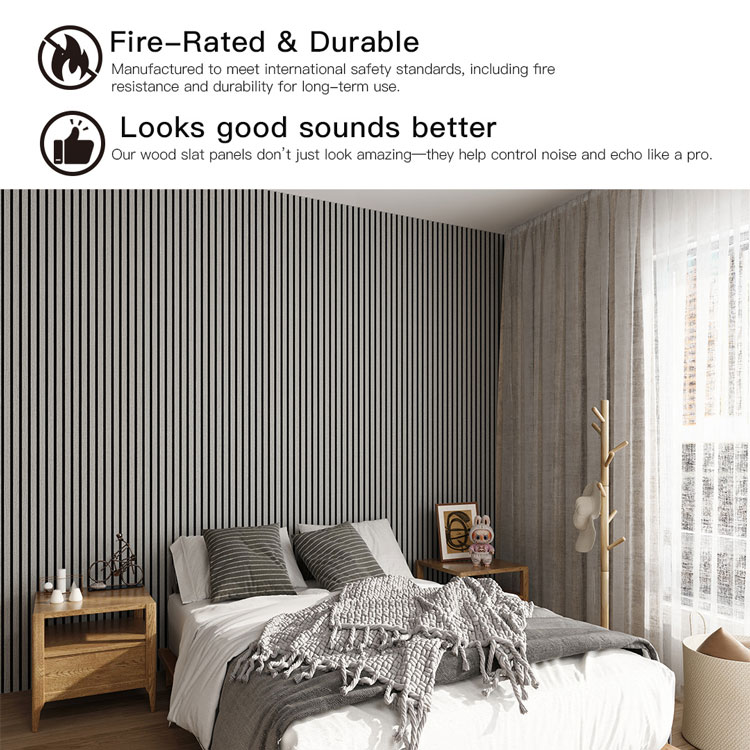
Manufacturer Acoustic Wood Slat Panels


What Are DIY Acoustic Panels?

DIY acoustic panels are homemade sound-absorbing panels created using readily available materials. Typical components include:

  • Wooden frames
  • Foam, mineral wool, or polyester fiber
  • Fabric covers
  • Basic mounting hardware

They are commonly used in:

  • Home studios
  • Gaming rooms
  • Small personal offices
  • Budget acoustic projects

DIY panels are popular because they are affordable and customizable, but their effectiveness depends heavily on the builder’s skills and material selection.


What Are Professional Acoustic Panels?

Professional acoustic panels are engineered and manufactured using specialized acoustic materials and tested designs to ensure reliable sound absorption performance.

They typically feature:

  • High-density sound-absorbing cores
  • Precision manufacturing
  • Consistent material thickness and density
  • Fire-resistant and eco-friendly materials
  • Decorative surface finishes

Professional panels are widely used in:

  • Offices
  • Commercial spaces
  • Hotels
  • Recording studios
  • Restaurants
  • High-end residential interiors

1. Acoustic Performance Comparison

DIY Acoustic Panels

DIY acoustic panels can reduce basic echo and reverberation if built correctly. However, performance often varies because:

  • Material density may not be optimized
  • Construction quality may differ from panel to panel
  • Thickness may be inconsistent
  • Frequency absorption range may be limited

Professional Acoustic Panels

Professional acoustic panels are specifically engineered to deliver optimized sound absorption across targeted frequencies.

Benefits include:

  • Better mid- and high-frequency absorption
  • More consistent acoustic performance
  • Improved overall room sound balance

👉 Winner: Professional Acoustic Panels


2. Durability and Lifespan

DIY Panels

DIY panels may degrade over time due to:

  • Weak structural support
  • Material sagging
  • Fabric wear
  • Moisture sensitivity

Professional Panels

Manufactured panels are designed for long-term use and durability, often featuring:

  • Reinforced structure
  • Stable acoustic core materials
  • Wear-resistant finishes
  • Moisture-resistant options

👉 Winner: Professional Acoustic Panels


3. Appearance and Interior Design Integration

DIY Panels

DIY acoustic panels often prioritize function over appearance. While some can look attractive, they may lack the polished finish required for professional interiors.

Professional Panels

Modern acoustic panels are designed to enhance interiors, especially decorative options like wood slat acoustic panels, which combine:

  • Architectural style
  • Decorative finishes
  • Premium craftsmanship

These panels can serve as both acoustic treatment and interior décor.

👉 Winner: Professional Acoustic Panels


4. Safety and Compliance

DIY Panels

Homemade panels may not meet building or fire safety standards, which can be a concern in:

  • Commercial buildings
  • Public spaces
  • Hospitality environments

Professional Panels

Professional manufacturers often provide products tested for:

  • Fire resistance
  • Environmental safety
  • Material certification

This is essential for large-scale or commercial projects.

👉 Winner: Professional Acoustic Panels


5. Installation and Convenience

DIY Panels

DIY projects require:

  • Material sourcing
  • Construction time
  • Assembly tools
  • Design planning

Professional Panels

Pre-manufactured panels are ready to install and save:

  • Labor time
  • Installation complexity
  • Project management effort

👉 Winner: Professional Acoustic Panels


When DIY Acoustic Panels Make Sense

DIY acoustic panels may be suitable if:

  • You have a limited budget
  • You need temporary sound treatment
  • The space is informal or personal
  • Aesthetic requirements are low

They can be a practical option for hobbyists and basic home setups.


When Professional Acoustic Panels Are the Better Choice

Professional acoustic panels are ideal when:

  • Acoustic performance is critical
  • Long-term durability is required
  • Appearance matters
  • Safety standards must be met
  • Large-scale installation is involved

For offices, hospitality projects, showrooms, and modern homes, professional solutions provide much greater value.


Why Wood Slat Acoustic Panels Are a Premium Professional Choice

Among professional solutions, wood slat acoustic panels have become one of the most sought-after products due to their unique ability to combine:

  • Sound absorption
  • Decorative elegance
  • Architectural texture
  • Modern aesthetics

These panels feature:

  • Precision wood slats
  • Acoustic felt backing
  • Engineered spacing for enhanced performance

They are widely used in:

  • Luxury homes
  • Office interiors
  • Conference rooms
  • Hotels
  • Restaurants

Guangdong Leeyin Acoustics: Your Trusted Professional Acoustic Panel Manufacturer

At Guangdong Leeyin Acoustics, we specialize in manufacturing premium wood slat wall panels and acoustic panels for clients around the world.

As a leading exporter of wood slat acoustic panels in China, we are committed to delivering superior products backed by professional manufacturing standards.

Why Choose Leeyin?

  • 20,000㎡ modern manufacturing facility
  • Advanced automated production equipment
  • Strict quality management in accordance with international standards
  • Strong large-scale production capacity
  • Extensive global export experience

Our products are trusted by:

  • Interior designers
  • Architects
  • Contractors
  • Distributors worldwide

We deliver acoustic solutions that combine performance, durability, and modern aesthetics.


Final Thoughts

So, are DIY acoustic panels as effective as professional ones?

While DIY acoustic panels can help reduce some echo and improve room acoustics in basic setups, they typically fall short when compared to professional acoustic panels in terms of:

  • Performance
  • Durability
  • Safety
  • Appearance
  • Reliability

For projects where quality, design, and long-term performance matter, professional acoustic panels are the superior investment.


And for those seeking the perfect combination of acoustic treatment and modern style, wood slat acoustic panels remain one of the best options available today.
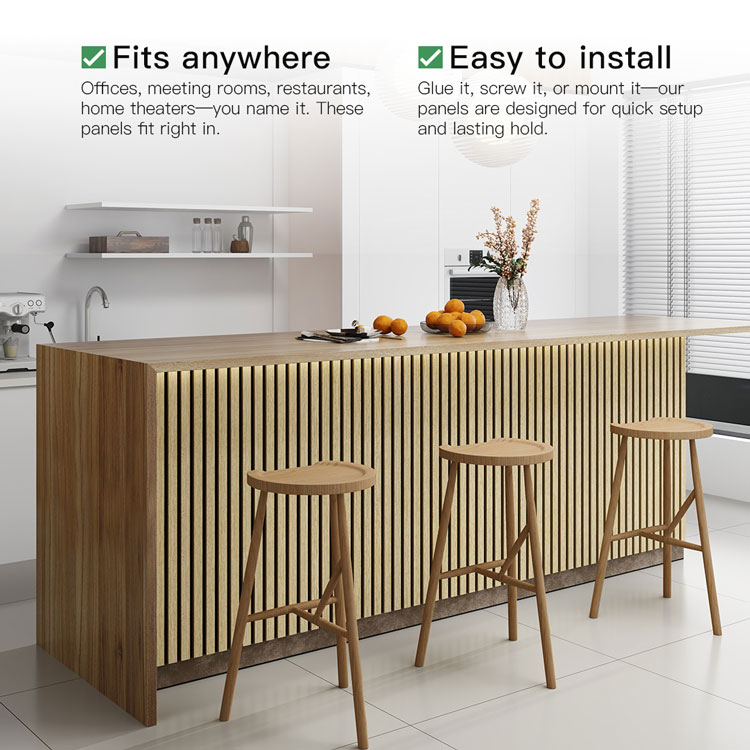
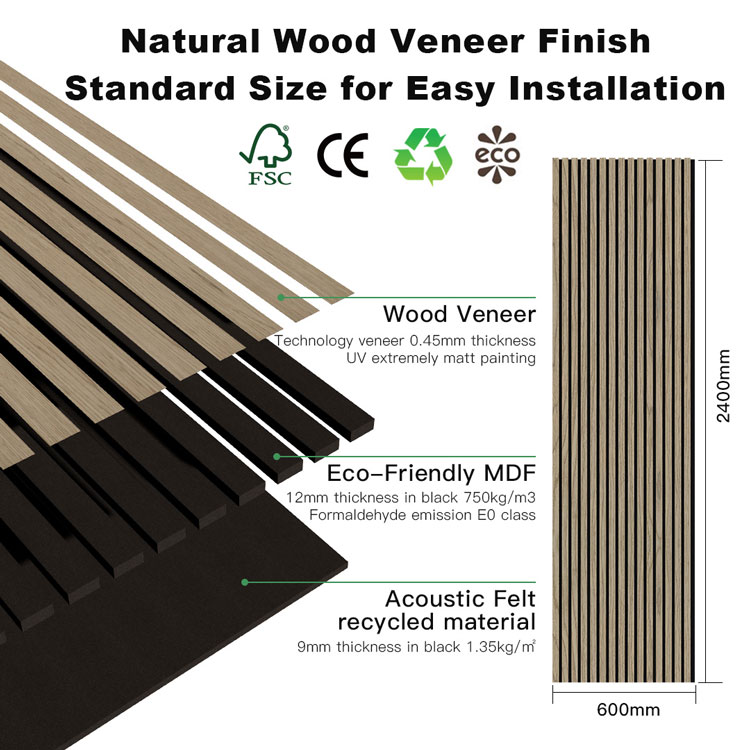
As modern offices, homes, and commercial spaces increasingly adopt acoustic panels to improve sound quality, many people have a practical concern:

Will acoustic panels interfere with WiFi, mobile signals, or wireless communication?

The short answer is no — most acoustic panels do not affect WiFi or wireless signals in any significant way. In fact, the materials used in typical acoustic treatments are designed for sound absorption, not signal blocking.

In this article, we’ll explain how WiFi signals work, how acoustic panels are constructed, and why they generally have little to no impact on wireless connectivity.

Factory Direct Acoustic Wood Slat Panels – Best Price Guarantee


Understanding How WiFi Signals Travel

WiFi works using radio frequency (RF) signals, usually in the 2.4 GHz or 5 GHz bands. These signals travel through the air and can pass through many common building materials.

However, some materials weaken wireless signals more than others.

Materials That Can Block WiFi Signals

Certain dense or conductive materials can interfere with signal strength, such as:

  • reinforced concrete

  • metal structures

  • thick stone walls

  • large metal furniture

  • metal mesh or foil insulation

These materials can reflect, absorb, or block radio signals, reducing network coverage.

This leads many people to wonder whether installing acoustic panels might create a similar problem.


What Acoustic Panels Are Made Of

Most acoustic panels are made from porous, lightweight materials designed to absorb sound waves rather than block them.

Common acoustic panel materials include:

  • polyester fiber

  • acoustic felt

  • mineral wool

  • fiberglass

  • foam

  • wooden slats with acoustic backing

These materials allow air to pass through small internal spaces, which is how they absorb sound energy.

Importantly, these materials are not conductive and do not significantly block radio signals.


Do Acoustic Panels Block WiFi?

In most cases, acoustic panels have virtually no impact on WiFi signals.

Here’s why:

1. Panels Are Lightweight and Porous

Unlike concrete or metal, acoustic panels are not dense enough to block radio waves.

WiFi signals can easily pass through materials like:

  • polyester fiber

  • acoustic felt

  • foam

  • wood veneer

2. Panels Contain Little or No Metal

Wireless interference usually occurs when signals encounter metal surfaces that reflect radio waves.

Standard acoustic panels are designed without metal components, which means they do not reflect WiFi signals significantly.

3. Panels Are Usually Thin

Most acoustic panels range between 9 mm and 25 mm thick, which is far too thin to cause serious signal attenuation.

Even when installed across multiple walls, their impact on wireless networks is minimal.


What About Wood Slat Acoustic Panels?

Wood slat acoustic panels have become increasingly popular in modern interior design. These panels combine decorative wooden slats with sound-absorbing acoustic felt backing.

Despite their structured appearance, they still do not interfere with WiFi signals.

Why Wood Slat Panels Don’t Affect WiFi

Wood is a natural non-conductive material, meaning it does not block or reflect radio frequencies in the same way metal does.

The acoustic felt backing is typically made from polyester fiber, which is also signal-friendly.

Because of this construction, wood slat acoustic panels are widely used in:

  • offices

  • coworking spaces

  • conference rooms

  • restaurants

  • hotels

  • home theaters

without affecting wireless connectivity.


Situations Where Signals Could Be Affected

While acoustic panels themselves rarely cause issues, certain installation conditions might slightly influence signal performance.

Large-Scale Coverage

If an entire room is covered with thick acoustic treatment on every surface, signal reflections may change slightly. However, this is uncommon and rarely noticeable.

Metal-Based Decorative Panels

Some decorative panels may include:

  • aluminum frames

  • metal mesh layers

  • foil backing

These could potentially affect signals, but standard acoustic panels generally do not use these materials.

Weak Router Placement

Often, poor WiFi performance is actually caused by:

  • routers placed behind furniture

  • long distances from the router

  • thick concrete walls

  • outdated network equipment

These factors have a far greater impact than acoustic panels.


Acoustic Panels Can Improve Office Environments Without Affecting Connectivity

Modern workplaces rely heavily on both clear communication and strong wireless networks. Fortunately, acoustic panels support one goal without compromising the other.

In open-plan offices, acoustic panels can:

  • reduce distracting noise

  • improve speech clarity

  • enhance meeting productivity

  • create a more comfortable working environment

At the same time, they allow WiFi, Bluetooth, and mobile signals to pass through normally.


Why Acoustic Panels Are Widely Used in Technology Environments

If acoustic panels significantly interfered with wireless signals, they would not be widely used in technology-heavy environments.

However, they are commonly installed in:

  • tech company offices

  • video conferencing rooms

  • recording studios

  • broadcast facilities

  • coworking spaces

  • educational institutions

These spaces rely on reliable internet connectivity, yet acoustic treatment remains a standard design feature.


Choosing High-Quality Acoustic Panels

While acoustic panels generally do not interfere with signals, selecting high-quality panels ensures optimal performance and durability.

Important factors include:

  • stable acoustic materials

  • precise panel structure

  • consistent manufacturing quality

  • environmentally friendly components

  • reliable installation systems

Working with experienced manufacturers helps ensure both acoustic performance and product reliability.


Guangdong Leeyin Acoustics: Professional Wood Slat Acoustic Panel Manufacturer

Guangdong Leeyin Acoustics is a professional manufacturer specializing in wood slat wall panels and acoustic panels for global markets.

As a leading exporter of wood slat acoustic panels in China, we provide high-quality acoustic solutions for distributors, contractors, and interior designers worldwide.

Our Manufacturing Strength

  • 20,000㎡ modern production facility

  • advanced automated manufacturing equipment

  • strong large-scale production capacity

  • strict quality management following international standards

  • precise slat spacing and durable acoustic felt backing

  • flexible customization options for different interior projects


Our wood slat acoustic panels combine aesthetic design with effective sound absorption, making them ideal for residential, office, and commercial environments.

In today’s architectural and interior design world, aesthetics alone are no longer enough. Modern spaces are expected to be beautiful, functional, and comfortable—and one often overlooked factor in achieving that balance is acoustic performance. Whether in homes, offices, restaurants, or hospitality venues, poor acoustics can negatively affect the overall experience of a space.

This is why more designers and architects are turning to acoustic panels as a solution that improves both sound quality and visual appeal. Once considered purely functional products, acoustic panels have evolved into stylish design elements that contribute significantly to modern interiors.

In this article, we’ll explore how acoustic panels enhance interior design and why they have become an essential feature in contemporary spaces.

Factory Direct Pricing High-Quality Acoustic Wood Slat Panels


The Role of Acoustics in Interior Design

Interior design is not just about what people see—it’s also about what they hear and feel. Sound has a major impact on how comfortable and inviting a space feels.

Hard surfaces like:

  • Glass
  • Marble
  • Concrete
  • Tile
  • Metal

can reflect sound and create:

  • Echo
  • Reverberation
  • Noise buildup
  • Poor speech clarity

Even the most beautifully designed room can feel uncomfortable if the acoustics are poor. Acoustic panels help solve this issue by absorbing unwanted sound reflections and creating a more balanced acoustic environment.


1. Acoustic Panels Improve Both Function and Style

One of the biggest advantages of modern acoustic panels is that they no longer need to look industrial or unattractive.

Today’s acoustic panels are designed to provide:

  • Excellent sound absorption
  • Decorative finishes
  • Architectural textures
  • Customizable aesthetics

This means they can become part of the design itself rather than something hidden away.

Designers can now use acoustic panels to improve room acoustics without sacrificing visual beauty.


2. Creating Stunning Feature Walls

Acoustic panels can transform ordinary walls into decorative focal points.

Especially with wood slat acoustic panels, designers can create:

  • Elegant accent walls
  • Textured architectural surfaces
  • Warm, natural visual effects

Wood slat panels add dimension and depth to interiors while maintaining a modern and minimalist look.

They are frequently used in:

  • Living rooms
  • Hotel lobbies
  • Office reception areas
  • Conference rooms
  • Retail showrooms

3. Enhancing Spatial Perception

Acoustic panels can also influence how a room feels spatially.

For example:

  • Vertical slat panels make ceilings appear taller
  • Horizontal installations can make walls feel wider
  • Patterned panel layouts add rhythm and movement

This allows designers to manipulate visual perception while also solving acoustic problems.


4. Supporting Minimalist and Modern Design Trends

Modern interior design trends emphasize:

  • Clean lines
  • Simplicity
  • Natural materials
  • Functional décor

Acoustic panels—especially wood slat styles—perfectly complement these trends.

Their sleek appearance makes them ideal for:

  • Scandinavian interiors
  • Minimalist homes
  • Contemporary offices
  • Luxury commercial environments

They blend naturally into modern spaces while adding texture and warmth.


5. Improving Comfort in Open-Plan Spaces

Open-plan interiors are increasingly popular, but they often suffer from excessive noise due to fewer dividing walls and more reflective surfaces.

Acoustic panels help:

  • Reduce ambient noise
  • Improve speech clarity
  • Minimize distractions
  • Enhance privacy

This is especially important in:

  • Open offices
  • Restaurants
  • Co-working spaces
  • Reception halls

By improving sound comfort, acoustic panels make these spaces more functional and enjoyable.


6. Adding Warmth Through Natural Materials

Many acoustic panel designs, particularly wood slat acoustic panels, incorporate natural wood finishes.

Wood introduces:

  • Warmth
  • Organic texture
  • Natural elegance

This helps soften modern interiors that may otherwise feel too cold or sterile due to heavy use of glass, metal, and stone.

Natural wood acoustic panels help create spaces that feel more inviting and comfortable.


7. Offering Flexible Design Possibilities

Acoustic panels are highly versatile and can be used in many creative ways, including:

  • Wall cladding
  • Ceiling decoration
  • Partition walls
  • Decorative room dividers
  • Integrated furniture design

This flexibility allows architects and designers to fully integrate acoustic treatment into the overall design concept.


Why Wood Slat Acoustic Panels Are So Popular

Among all acoustic solutions, wood slat acoustic panels are currently one of the most popular options in modern interiors.

Their layered construction typically includes:

  • Decorative wood slats
  • Acoustic felt backing
  • Precision spacing for sound absorption

They offer the perfect combination of:

  • Acoustic functionality
  • Premium appearance
  • Architectural sophistication

This makes them a preferred choice for projects requiring both style and performance.


Guangdong Leeyin Acoustics: Your Professional Acoustic Panel Partner

At Guangdong Leeyin Acoustics, we specialize in producing high-quality wood slat wall panels and acoustic panels for global markets.

As one of China’s leading exporters of wood slat acoustic panels, we provide reliable, modern acoustic solutions trusted by clients worldwide.

Our Core Strengths

  • 20,000 square meters of modern production facilities
  • Advanced automated manufacturing equipment
  • Strict quality management in line with international standards
  • Strong large-scale production capabilities
  • Rich experience serving global distributors, designers, and contractors

We are committed to delivering products that combine:

  • Outstanding acoustic performance
  • Elegant visual design
  • Long-term durability
  • Consistent manufacturing quality


Our acoustic panel systems are widely used in residential, commercial, and hospitality projects around the world.

Acoustic panels have become a popular solution for improving sound quality in homes, offices, studios, restaurants, and commercial interiors. They help reduce echo, control reverberation, and create a more comfortable acoustic environment. However, many people install acoustic panels without fully understanding how they work, which can lead to disappointing results.

In this article, we will explore the most common mistakes when using acoustic panels and how to avoid them to achieve the best acoustic performance.

 Leading Distributor of Acoustic Wood Slat Panels


Understanding the Purpose of Acoustic Panels

Before discussing the mistakes, it’s important to understand what acoustic panels are designed to do.

Acoustic panels are primarily used to absorb sound reflections inside a room, reducing echo and reverberation. They improve speech clarity and listening comfort but are not designed to completely block sound from entering or leaving a room.

Many misunderstandings about acoustic treatment come from confusing sound absorption with soundproofing, which leads to improper installation or unrealistic expectations.


Common Mistake #1: Expecting Acoustic Panels to Soundproof a Room

One of the most frequent mistakes is assuming that acoustic panels will completely block outside noise, such as traffic sounds or noise from neighbors.

In reality, acoustic panels are designed to control sound reflections within a room, not to stop sound transmission through walls or ceilings.

The Right Approach

If your goal is to reduce external noise, you will need soundproofing solutions, such as:

  • Adding mass to walls

  • Sealing air gaps

  • Using specialized sound insulation materials

Acoustic panels are best used to improve internal sound quality, not full sound isolation.


Common Mistake #2: Installing Too Few Panels

Another common issue is installing only a few panels and expecting a dramatic improvement in acoustics.

Sound reflections occur across multiple surfaces in a room, including walls, ceilings, and corners. If only a small portion of the room is treated, sound waves will continue reflecting from untreated surfaces.

The Right Approach

For effective acoustic treatment:

  • Cover 20–30% of reflective surfaces in the room

  • Treat multiple walls instead of only one

  • Consider ceiling treatment in large spaces

Increasing the treated surface area significantly improves acoustic performance.


Common Mistake #3: Placing Panels in the Wrong Locations

Even high-quality acoustic panels will not perform well if they are installed in ineffective positions.

Many people place panels randomly on walls, focusing only on decoration rather than acoustic function.

The Right Approach

Panels should be installed at key reflection points, including:

  • Side walls near listening or seating areas

  • Behind speakers or sound sources

  • Opposite reflective surfaces

  • Ceilings in rooms with strong echo

Proper placement ensures that sound reflections are absorbed before they bounce around the room.


Common Mistake #4: Ignoring Ceiling Acoustics

In many spaces, the ceiling is a major reflective surface. However, it is often overlooked when installing acoustic panels.

In large rooms, offices, or restaurants, untreated ceilings can create strong reverberation even if wall panels are installed.

The Right Approach

Consider installing:

  • Ceiling-mounted acoustic panels

  • Suspended acoustic baffles

  • Decorative acoustic ceiling systems

Treating both walls and ceilings creates a more balanced acoustic environment.


Common Mistake #5: Choosing Panels Based Only on Appearance

Decorative panels may look attractive but might not provide effective sound absorption if the materials are not designed for acoustic performance.

Low-density materials or thin decorative panels often have limited acoustic capabilities.

The Right Approach

Choose panels with:

  • Proper sound-absorbing materials

  • Sufficient thickness and density

  • Verified acoustic performance

Modern wood slat acoustic panels are a good example of combining design aesthetics with real acoustic functionality.


Common Mistake #6: Installing Panels Directly on Highly Reflective Surfaces Without Planning

Mounting panels directly on walls without considering spacing or layout may reduce their efficiency.

The Right Approach

Some acoustic systems benefit from small air gaps behind panels, which can enhance sound absorption performance.

Proper spacing and layout planning can significantly improve acoustic results.


The Advantages of Wood Slat Acoustic Panels

Wood slat acoustic panels have become increasingly popular because they combine functional acoustic treatment with architectural design.

These panels typically consist of:

  • Natural wood veneer or MDF slats

  • Sound-absorbing acoustic felt backing

  • Carefully engineered spacing between slats

This structure allows the panels to reduce echo and reverberation while maintaining a modern decorative appearance, making them suitable for a wide range of environments.

Common applications include:

  • Offices and meeting rooms

  • Restaurants and cafés

  • Hotels and commercial spaces

  • Home theaters and living rooms

  • Recording studios and creative spaces


Guangdong Leeyin Acoustics: Professional Acoustic Panel Manufacturer

At Guangdong Leeyin Acoustics, we specialize in the manufacturing of wood slat wall panels and acoustic panels designed for both acoustic performance and architectural aesthetics.

As a leading exporter of wood slat acoustic panels in China, our company provides reliable products for global markets.

Our advantages include:

  • 20,000 square meters of modern manufacturing facilities

  • Advanced production technology and equipment

  • Strict quality management following international standards

  • Strong production capacity to support global supply

  • Extensive experience working with distributors, designers, and contractors

Our products are widely used in residential, commercial, and architectural projects, offering a combination of durability, sound absorption, and elegant design.

A tranquil bedroom is not accidental, but the result of careful design. Whether you're troubled by neighbor noise, street clamor, or indoor echoes, effective soundproofing can significantly improve your sleep environment.


Guangdong Leeyin Acoustics specializes in wood slat wall panels and acoustic panels, providing reliable professional acoustic solutions to customers worldwide.

Hot Selling Acoustic Wood Slat Panels

✔ 1. Install Acoustic Wall Panels


Installing high-quality acoustic panels—such as Liyin's wood slat acoustic panels—helps reduce echoes and absorb unwanted sound reflections.


They can also add warmth and modern aesthetics to your bedroom.


✔ 2. Soundproof Shared or Exterior Walls


For noise penetrating through walls, upgrading to high-density acoustic panels can significantly improve sound insulation.


Liyin's acoustic panels feature high-density felt backing and durable materials for superior sound insulation.


✔ 3. Seal door and window gaps


Even small gaps can leak sound. Use weatherstripping, bottom door seals, or thicker curtains to block noise transmission.


✔ 4. If the noise is coming from upstairs, address the ceiling


For footsteps or impact sounds from upstairs, combine soundproofing panels with additional soundproofing layers or a suspended ceiling soundproofing solution.


✔ 5. Add carpets, soft furnishings, and curtains


Soft materials help reduce noise reflection, creating a more comfortable acoustic environment.

Yes—you can significantly reduce noise from your upstairs neighbor, especially footsteps and impact sounds like objects falling. While achieving 100% soundproofing without altering the structure is difficult, suitable sound-absorbing materials can significantly improve comfort and quietness.

Wholesale High-Quality Acoustic Wood Slat Panels for Sale

🎧 How to Effectively Soundproof Your Ceiling


Here are the most effective methods:


✔ 1. Add Sound-Absorbing Panels


High-density sound-absorbing panels help absorb reflected noise, reducing the sound you hear.


Our PET sound-absorbing panels and wood strip wall/ceiling panels combine sound absorption with aesthetic appeal.


✔ 2. Create a Freestanding Ceiling


Installing a suspended or floating ceiling helps block impact sounds.


Even better when used with soundproofing materials.


✔ 3. Increase Mass


Using high-density boards or layers of high-density materials helps block airborne noise.


✔ 4. Seal Gaps


Even the smallest gaps can allow sound to pass through. Proper sealing can improve overall performance.v

Still bothered by noise coming through wall gaps? Whether it's a home studio, office, or bedroom, proper soundproofing can make a significant difference—and that's precisely where Leeyin Acoustics excels.


Guangdong Leeyin Acoustics specializes in high-performance wood strip acoustic panels, perfectly combining modern design with superior sound absorption. Our acoustic panels help you create a quiet and private space where your neighbors can't hear a thing.

Custom Solutions Acoustic Wood Slat Panels

Here are the secrets to creating truly effective soundproofing 👇


🪵 1. Install Sound-Absorbing Wall Panels


Leeyin wood strip acoustic panels use PET felt backing and high-density MDF boards to effectively reduce echoes and block sound transmission.


🚪 2. Seal Gaps


Even small gaps can allow sound to penetrate. Use soundproofing sealant or door/window sealing strips to seal gaps around doors and windows.


🧱 3. Add sound-absorbing surfaces


Combine LAIN sound-absorbing panels with sound-absorbing ceilings, soft furnishings, and carpets to minimize sound reflections and create a quieter environment.

Absolutely—with the right methods, the soundproofing effect is remarkable! 🎯


Soundproofing is not just about blocking noise; more importantly, it's about controlling the propagation of sound through walls, ceilings, and floors. Using suitable materials, such as high-density sound-absorbing panels, can significantly reduce noise transmission, creating a quieter space—whether it's a home office, studio, or living room.

Customizable Acoustic Wood Slat Panels Supplier

Guangdong Leeyin Acoustics Co., Ltd. specializes in wood slat wall panels and sound-absorbing panels, combining sound absorption with aesthetics. Our panels use high-quality medium-density fiberboard (MDF), recycled PET felt, and fine natural wood veneer, perfectly blending effective soundproofing with modern interior design.


🌟 Advantages of Leeyin Acoustic Panels:


✅ High-density medium-density fiberboard (MDF) for superior sound insulation


✅ PET felt backing for effective echo reduction and durability


✅ Precision-designed slats for acoustic balance


✅ Manufactured in strict accordance with international quality standards


With over 20,000 square meters of advanced production facilities, Leeyin is one of China's leading exporters of acoustic wood slat wall panels, providing trusted, customized, and environmentally friendly solutions for architects and designers worldwide.

keyboard_arrow_up