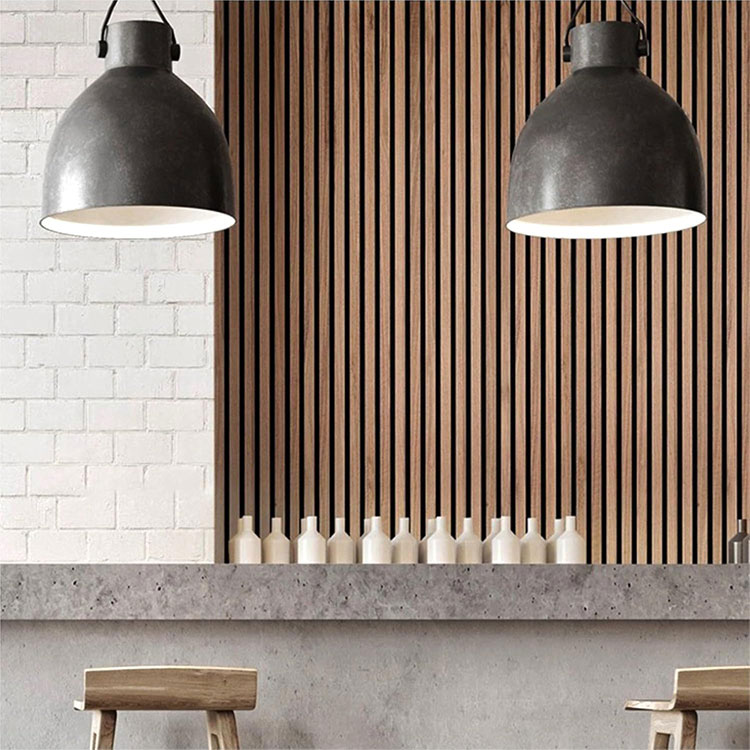
Noise control has become an important part of modern interior design. Whether in homes, offices, studios, or commercial environments, excessive echo and noise can reduce comfort and productivity. When searching for simple acoustic solutions, many people compare acoustic panels and curtains. Both can help improve sound conditions, but they work in different ways and offer different levels of performance.

In this article, we’ll compare acoustic panels vs curtains, explore how each option works, and help you determine which solution works better for your space.
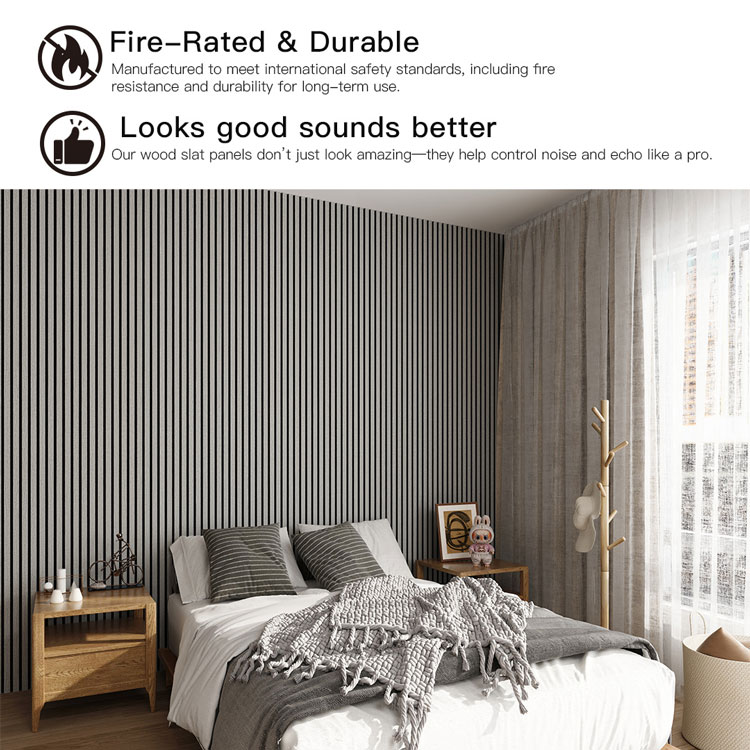
Factory Direct Acoustic Wood Slat Panels – Best Price Guarantee


Understanding the Basics of Sound Control

Before comparing the two, it's helpful to understand how sound behaves indoors. Sound waves reflect off hard surfaces such as walls, ceilings, glass, and floors. These reflections create echo, reverberation, and background noise, which reduce speech clarity and overall acoustic comfort.

Acoustic treatment materials work by absorbing or diffusing sound energy, preventing excessive reflections. The effectiveness of any acoustic solution depends on:

  • Material density

  • Thickness

  • Surface area coverage

  • Installation position

Both curtains and acoustic panels aim to reduce sound reflections, but their design and acoustic performance differ significantly.


How Acoustic Panels Work

Acoustic panels are specifically engineered to control sound reflections. They are typically made from sound-absorbing materials such as polyester fiber, mineral wool, or acoustic foam, often combined with decorative surfaces.

Modern interior designs frequently use wood slat acoustic panels, which combine sound absorption with aesthetic wall decoration. These panels usually consist of:

  • Natural wood veneer or MDF slats

  • Acoustic felt backing

  • Sound-absorbing core materials

This layered structure allows acoustic panels to effectively reduce echo, control reverberation, and improve speech clarity in a room.

Key Benefits of Acoustic Panels

1. High Sound Absorption Performance
Acoustic panels are designed specifically for acoustic treatment, providing significantly better sound absorption than most soft furnishings.

2. Professional Acoustic Control
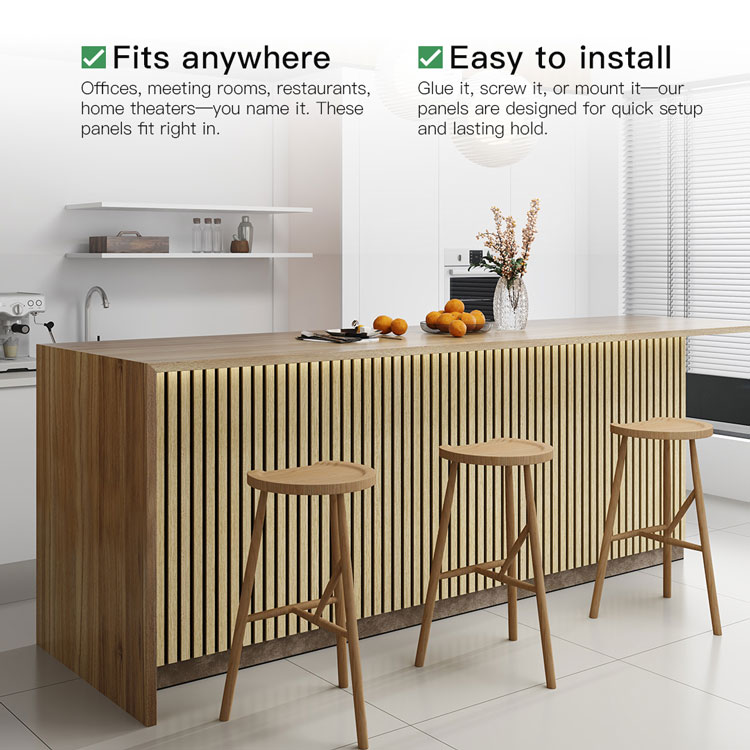
They help manage mid- and high-frequency sound reflections, making them ideal for offices, studios, meeting rooms, restaurants, and home theaters.

3. Modern Interior Design Appeal
Wood slat panels combine function and style, adding texture and warmth to walls while improving acoustics.

4. Long-Term Durability
Acoustic panels are stable, durable, and maintain their performance for many years without sagging or losing effectiveness.


How Curtains Help with Sound Control

Curtains can also contribute to basic sound absorption, especially when they are thick, heavy, and made from dense fabrics such as velvet or multi-layer polyester.

Curtains primarily work by absorbing a small portion of sound waves and reducing reflections from windows and glass surfaces.

Benefits of Curtains

1. Simple Installation
Curtains are easy to install and require no structural modifications.

2. Multi-Purpose Functionality
They provide privacy, light control, and some degree of sound absorption.

3. Cost-Effective Solution
Curtains can be an affordable option for minor acoustic improvements.

However, their sound absorption ability is relatively limited compared with professional acoustic materials.


Acoustic Panels vs Curtains: Performance Comparison

When comparing the two options, several factors should be considered.

1. Sound Absorption Efficiency

Acoustic panels provide much higher sound absorption performance because they are specifically engineered for acoustic treatment. Curtains mainly absorb high-frequency sounds but have limited impact on overall reverberation.

Winner: Acoustic Panels


2. Acoustic Coverage

Curtains are typically installed only over windows, which limits the total surface area available for sound absorption.

Acoustic panels can be installed on walls, ceilings, or entire surfaces, allowing for better control of room acoustics.

Winner: Acoustic Panels


3. Interior Design Impact

Curtains are mainly used around windows and may not significantly affect the overall design of a room.

Wood slat acoustic panels, however, have become a popular architectural feature, widely used in modern offices, hotels, and residential interiors.

Winner: Acoustic Panels


4. Installation Flexibility

Curtains are easy to install and move, making them convenient for temporary solutions.

Acoustic panels require installation but provide long-term acoustic improvement once installed.

Winner: Depends on application


When Curtains May Be Enough

Curtains may be suitable when:

  • The room has large glass windows causing echo

  • Only minor acoustic improvement is needed

  • Budget is limited

  • Temporary solutions are preferred

However, they rarely provide complete acoustic treatment in larger or more complex spaces.


When Acoustic Panels Are the Better Choice

Acoustic panels are the better solution when:

  • You need professional acoustic control

  • Speech clarity is important (offices, conference rooms)

  • The room has strong echo or reverberation

  • A modern decorative wall design is desired

In these cases, wood slat acoustic panels offer both acoustic performance and architectural beauty, making them a preferred choice for designers and architects.


Why Wood Slat Acoustic Panels Are Growing in Popularity

Wood slat acoustic panels combine natural wood aesthetics with advanced sound absorption technology. They are widely used in:

  • Offices and meeting rooms

  • Hotels and restaurants

  • Home theaters and living rooms

  • Recording studios

  • Commercial buildings

These panels provide a balanced combination of sound control, visual appeal, and durability, making them superior to traditional soft treatments like curtains.


Guangdong Leeyin Acoustics: A Trusted Manufacturer

At Guangdong Leeyin Acoustics, we specialize in the manufacturing and global supply of high-quality wood slat wall panels and acoustic panels.

As a leading exporter of wood slat acoustic panels in China, our company offers:

  • 20,000 square meters of modern production facilities

  • Advanced manufacturing equipment

  • Strict quality management aligned with international standards

  • Strong production capacity for global orders

  • Professional export experience serving clients worldwide


Our acoustic panels are designed to meet the needs of architects, interior designers, distributors, and construction companies, providing reliable acoustic performance and elegant design.
The Science Behind Better Sound Control


Echoes and reverberation are two of the most common acoustic problems in modern indoor environments. Whether it's a home office, recording studio, restaurant, or commercial space, excessive sound reflections make a room feel noisy, uncomfortable, and difficult to use.

Top Manufacturer and Wholesaler of Acoustic Wood Slat Panels

So, how exactly do acoustic panels reduce echoes and reverberation? Why are wood slat acoustic panels one of the most effective solutions currently available?


This guide will explain the acoustic principles behind sound absorption and highlight the expertise of Guangdong Leeyin Acoustics, a leading Chinese manufacturer of wood slat wall panels and acoustic panels.


What are Echoes and Reverberation?


Before understanding how acoustic panels work, it's essential to understand their design purpose.


An echo is sound that, after being reflected from a hard surface, returns to the listener's ear with a significant delay.


Reverberation (or echo) is the phenomenon where sound persists due to multiple reflections and merges over time.


Rooms using hard materials such as concrete, glass, drywall, and tile are often most prone to reverberation problems.


Why do exposed rooms have poor sound quality?


Sound waves behave like energy. When they strike a hard surface, they are reflected back into the room, rather than absorbed.


Common problems include:


Speech becoming muffled or "muddy"


Music lacking clarity


Increased background noise


Hearing fatigue in offices and public spaces


Even high-end audio equipment cannot perform to its full potential without proper acoustic treatment.


How acoustic panels reduce echoes and reverberation


Acoustic panels work by absorbing sound energy, not reflecting it.


When sound waves strike an acoustic panel:


Sound penetrates the surface material


Energy is converted into heat through friction within the panel


Reflected sound energy is significantly reduced


This process shortens the reverberation time (RT60) and prevents sound from reflecting uncontrollably within the room.


The role of materials and structure


Not all acoustic panels perform the same way. Its effectiveness depends on several key factors:


1. Sound-absorbing core material


High-performance sound-absorbing panels use the following materials:


PET sound-absorbing felt


Mineral fiber


High-density sound-absorbing backing


These materials are specially designed to effectively absorb sound waves, especially in the mid-to-high frequency range where echoes are most pronounced.


2. Surface design and sound diffusion


In wood strip acoustic wall panels, the strip-shaped MDF surface plays a crucial role.


The gaps between the wood strips allow sound to pass through.


The backing material absorbs sound energy.


The wood strips help to evenly diffuse reflected sound.


This combination achieves balanced acoustic control without making the room feel "dead."


Why wood strip acoustic panels are so effective


Wood strip acoustic panels are becoming increasingly popular because they combine superior acoustic performance with interior design value.


Benefits include:


Excellent echo and reverberation elimination


Improved speech intelligibility


Warm, modern aesthetics


Suitable for residential and commercial spaces


Its performance is particularly significant when installed at the first reflection point, such as the wall behind speakers or seating areas. Proper installation maximizes performance.


Even the best acoustic panels require proper installation to function effectively.


Installation considerations:


Cover 20%–40% of the reflective wall surface.


Focus on the primary reflection point.


Optional air gaps can enhance low-frequency absorption.


For large spaces, combine wall and ceiling installation.


Professional-grade acoustic panels ensure predictable acoustic results in various environments.

Want to create a clean, modern, and cable-free TV wall? Acoustic panels—especially wood slat acoustic panels—are a stylish and effective way to hide TV cables while improving room acoustics.


Guangdong Leeyin Acoustics is dedicated to helping homeowners, designers, and builders upgrade their spaces with smart acoustic and aesthetic solutions.

Hot Selling Acoustic Wood Slat Panels

🔧 How to Hide TV Cables Behind Acoustic Panels


✔ 1. Plan the Cable Route


Before installing the acoustic panels, plan the routing of your TV power cord and HDMI cable. The gaps created by the wood slats and felt backing provide a natural cable hiding channel.


✔ 2. Utilize the Gaps in the Wood Slat Acoustic Panels


Liyin's wood slat acoustic panels feature a felt backing and wood slat structure, allowing cables to pass through without altering the panels.


Simply route the cables vertically or horizontally behind the acoustic panels. ✔ 3. Cut a Hole for Cable Socket Installation


You can cut a small hole in the felt backing (instead of the slot) to allow cables to pass through neatly.


Our PET felt is easy to cut, maintaining a seamless look for the panel.


✔ 4. Add Conduit for Heavier Cables


If multiple cables are needed, install thin conduit behind the panel for better cable management and improved airflow.


✔ 5. Mount a TV Bracket Above the Panel


With cables concealed, the TV can be mounted directly on the wall or run through the slot for a clean and aesthetically pleasing look.

Want to create a space that boasts stunning aesthetics and perfect sound quality?


Guangdong Leeyin Acoustics makes it easy to customize your own acoustic panel solution – seamlessly integrating aesthetics, acoustic control, and brand image.

Premium Acoustic Wood Slat Panels Manufacturer

Here's how we help you turn your vision into reality 👇


🧩 1. Customized Design Consultation


Our team of experts will work with you to gain a deep understanding of your project goals, whether it's an office, recording studio, hotel, or home. We will provide acoustic design advice and material recommendations to ensure both beauty and performance.


🎨 2. Customizable Panel Options


From wood slatted wall panels to fabric acoustic panels, you can choose:


Panel size and pattern


Finish type (oak, walnut, ash, etc.)


Color, texture, and finish options


Fire-retardant or environmentally friendly materials


🏗️ 3. Flexible Installation and Superior Acoustic Performance


Leeyin panels can be installed vertically, horizontally, or suspended, providing flexibility for creative interior layouts while maintaining top-notch sound absorption performance.

keyboard_arrow_up