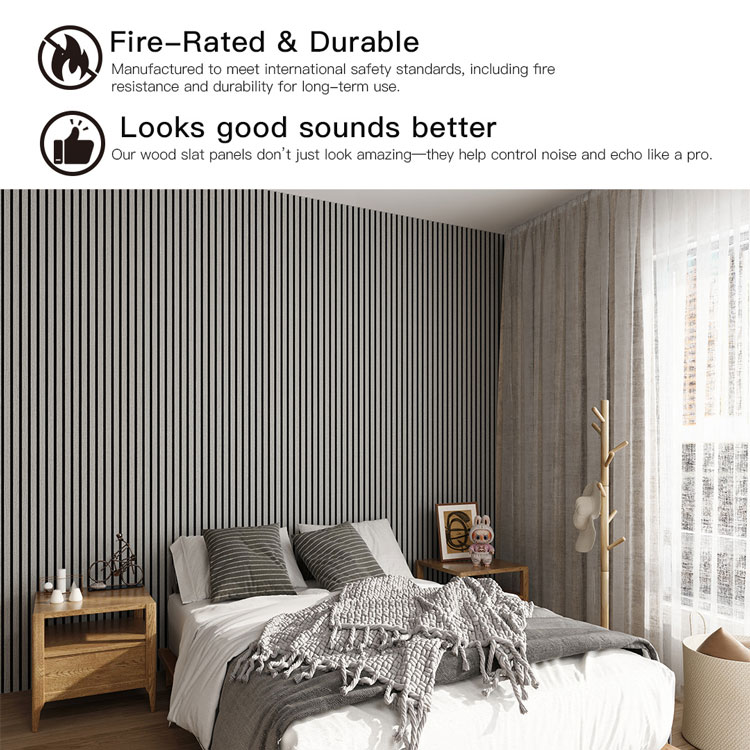
Noise control has become an important part of modern interior design. Whether in homes, offices, studios, or commercial environments, excessive echo and noise can reduce comfort and productivity. When searching for simple acoustic solutions, many people compare acoustic panels and curtains. Both can help improve sound conditions, but they work in different ways and offer different levels of performance.

In this article, we’ll compare acoustic panels vs curtains, explore how each option works, and help you determine which solution works better for your space.
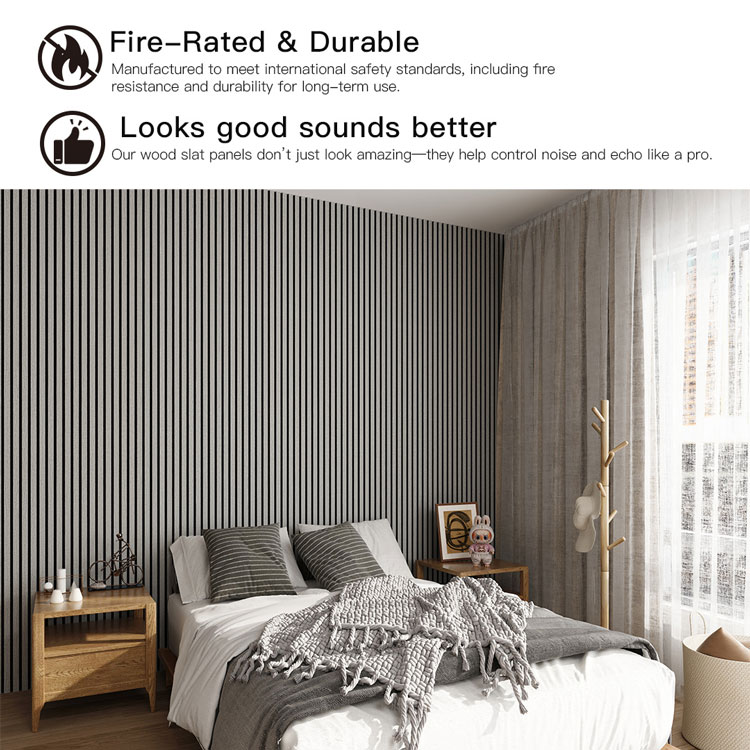
Factory Direct Acoustic Wood Slat Panels – Best Price Guarantee


Understanding the Basics of Sound Control

Before comparing the two, it's helpful to understand how sound behaves indoors. Sound waves reflect off hard surfaces such as walls, ceilings, glass, and floors. These reflections create echo, reverberation, and background noise, which reduce speech clarity and overall acoustic comfort.

Acoustic treatment materials work by absorbing or diffusing sound energy, preventing excessive reflections. The effectiveness of any acoustic solution depends on:

  • Material density

  • Thickness

  • Surface area coverage

  • Installation position

Both curtains and acoustic panels aim to reduce sound reflections, but their design and acoustic performance differ significantly.


How Acoustic Panels Work

Acoustic panels are specifically engineered to control sound reflections. They are typically made from sound-absorbing materials such as polyester fiber, mineral wool, or acoustic foam, often combined with decorative surfaces.

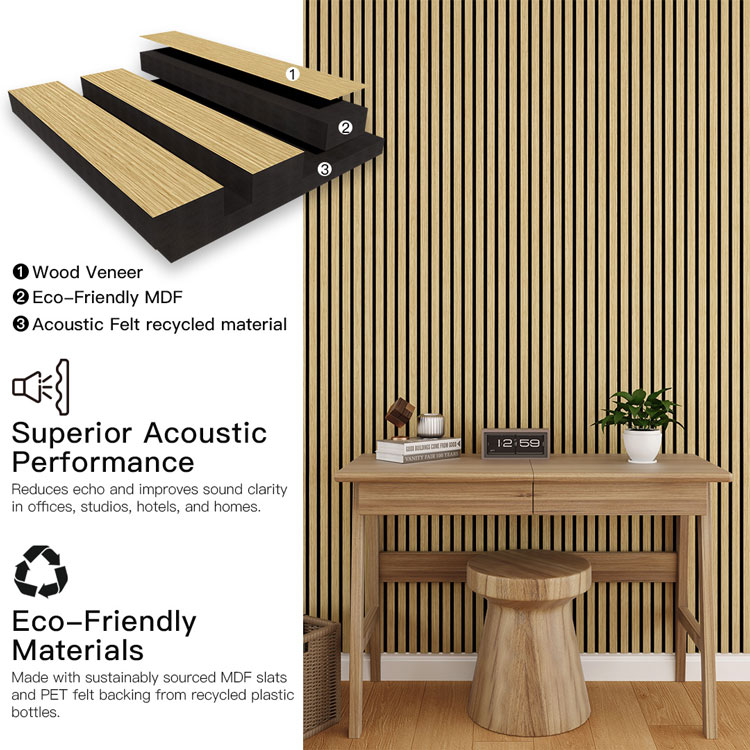
Modern interior designs frequently use wood slat acoustic panels, which combine sound absorption with aesthetic wall decoration. These panels usually consist of:

  • Natural wood veneer or MDF slats

  • Acoustic felt backing

  • Sound-absorbing core materials

This layered structure allows acoustic panels to effectively reduce echo, control reverberation, and improve speech clarity in a room.

Key Benefits of Acoustic Panels

1. High Sound Absorption Performance
Acoustic panels are designed specifically for acoustic treatment, providing significantly better sound absorption than most soft furnishings.

2. Professional Acoustic Control
They help manage mid- and high-frequency sound reflections, making them ideal for offices, studios, meeting rooms, restaurants, and home theaters.

3. Modern Interior Design Appeal
Wood slat panels combine function and style, adding texture and warmth to walls while improving acoustics.

4. Long-Term Durability
Acoustic panels are stable, durable, and maintain their performance for many years without sagging or losing effectiveness.


How Curtains Help with Sound Control

Curtains can also contribute to basic sound absorption, especially when they are thick, heavy, and made from dense fabrics such as velvet or multi-layer polyester.

Curtains primarily work by absorbing a small portion of sound waves and reducing reflections from windows and glass surfaces.

Benefits of Curtains

1. Simple Installation
Curtains are easy to install and require no structural modifications.

2. Multi-Purpose Functionality
They provide privacy, light control, and some degree of sound absorption.

3. Cost-Effective Solution
Curtains can be an affordable option for minor acoustic improvements.

However, their sound absorption ability is relatively limited compared with professional acoustic materials.


Acoustic Panels vs Curtains: Performance Comparison

When comparing the two options, several factors should be considered.

1. Sound Absorption Efficiency

Acoustic panels provide much higher sound absorption performance because they are specifically engineered for acoustic treatment. Curtains mainly absorb high-frequency sounds but have limited impact on overall reverberation.

Winner: Acoustic Panels


2. Acoustic Coverage

Curtains are typically installed only over windows, which limits the total surface area available for sound absorption.

Acoustic panels can be installed on walls, ceilings, or entire surfaces, allowing for better control of room acoustics.

Winner: Acoustic Panels


3. Interior Design Impact

Curtains are mainly used around windows and may not significantly affect the overall design of a room.

Wood slat acoustic panels, however, have become a popular architectural feature, widely used in modern offices, hotels, and residential interiors.

Winner: Acoustic Panels


4. Installation Flexibility

Curtains are easy to install and move, making them convenient for temporary solutions.

Acoustic panels require installation but provide long-term acoustic improvement once installed.

Winner: Depends on application


When Curtains May Be Enough

Curtains may be suitable when:

  • The room has large glass windows causing echo

  • Only minor acoustic improvement is needed

  • Budget is limited

  • Temporary solutions are preferred

However, they rarely provide complete acoustic treatment in larger or more complex spaces.


When Acoustic Panels Are the Better Choice

Acoustic panels are the better solution when:

  • You need professional acoustic control

  • Speech clarity is important (offices, conference rooms)

  • The room has strong echo or reverberation

  • A modern decorative wall design is desired

In these cases, wood slat acoustic panels offer both acoustic performance and architectural beauty, making them a preferred choice for designers and architects.


Why Wood Slat Acoustic Panels Are Growing in Popularity

Wood slat acoustic panels combine natural wood aesthetics with advanced sound absorption technology. They are widely used in:

  • Offices and meeting rooms

  • Hotels and restaurants

  • Home theaters and living rooms

  • Recording studios

  • Commercial buildings

These panels provide a balanced combination of sound control, visual appeal, and durability, making them superior to traditional soft treatments like curtains.


Guangdong Leeyin Acoustics: A Trusted Manufacturer

At Guangdong Leeyin Acoustics, we specialize in the manufacturing and global supply of high-quality wood slat wall panels and acoustic panels.

As a leading exporter of wood slat acoustic panels in China, our company offers:

  • 20,000 square meters of modern production facilities

  • Advanced manufacturing equipment

  • Strict quality management aligned with international standards

  • Strong production capacity for global orders

  • Professional export experience serving clients worldwide


Our acoustic panels are designed to meet the needs of architects, interior designers, distributors, and construction companies, providing reliable acoustic performance and elegant design.
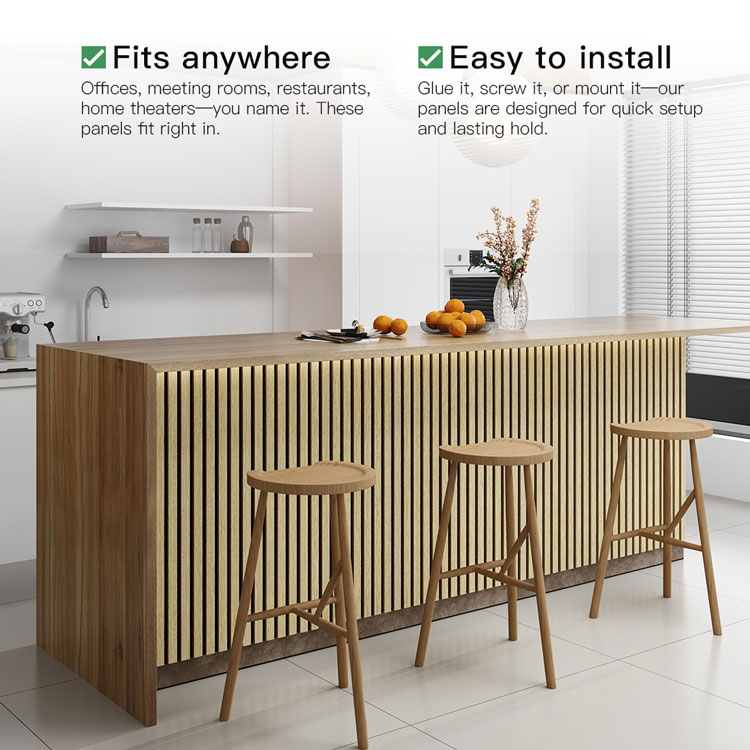
Creating a high-quality home studio is not just about having the right microphone or speakers—it’s also about achieving the right acoustic environment. Even the best equipment can underperform in a room with poor acoustics.

This is where acoustic panels come in. They help control sound reflections, reduce echo, and improve recording and mixing accuracy. But with so many options available, many users ask:

How do you choose the right acoustic panels for a home studio?

In this guide, we’ll walk you through everything you need to know to make the right choice—while ensuring optimal performance and a professional-looking space.

High-Quality Supplier Acoustic Wood Slat Panels


Why Acoustic Panels Are Essential for Home Studios

Home studios are often set up in bedrooms, offices, or small rooms that were not designed for audio production. These spaces typically have:

  • Hard walls and ceilings
  • Parallel surfaces
  • Limited sound treatment

This leads to:

  • Echo and reverberation
  • Sound coloration
  • Poor recording clarity
  • Inaccurate monitoring

Acoustic panels help absorb unwanted reflections, allowing you to hear and record clean, accurate sound.


1. Understand Your Acoustic Goals

Before choosing panels, define what you want to achieve.

For Recording:

  • Reduce echo and background reflections
  • Improve vocal clarity

For Mixing:

  • Achieve accurate sound monitoring
  • Reduce frequency imbalances

For General Use:

  • Improve overall room comfort
  • Minimize noise distractions

Your goal will influence the type, thickness, and placement of acoustic panels.


2. Choose the Right Material

The material of the panel plays a major role in its performance.

Common Options:

  • Foam Panels
    Affordable but limited in performance, especially for mid-low frequencies.
  • Polyester Fiber Panels
    Durable, eco-friendly, and widely used for balanced sound absorption.
  • Mineral Wool Panels
    Excellent absorption but may require proper sealing and handling.
  • Wood Slat Acoustic Panels
    Combine acoustic absorption with modern design, ideal for users who want both performance and aesthetics.

👉 For home studios, high-density materials are recommended for better sound control.


3. Consider Panel Thickness and Density

Thickness directly affects how well panels absorb sound.

  • 25–50mm (1–2 inches): Good for high frequencies
  • 50–75mm (2–3 inches): Balanced performance
  • 75mm+ (3 inches and above): Better for low frequencies

Higher density panels provide more consistent absorption across frequencies.

👉 For most home studios, 50mm–75mm panels are a great starting point.


4. Focus on Key Placement Areas

Even the best panels won’t work effectively if placed incorrectly.

Important Placement Zones:

  • First reflection points (side walls)
  • Behind studio monitors
  • Rear wall
  • Ceiling (above listening position)

Strategic placement ensures maximum acoustic improvement with fewer panels.


5. Balance Absorption and Design

A common mistake is over-treating a room, making it sound “too dead.”

Instead, aim for a balance between:

  • Absorption (acoustic panels)
  • Reflection (natural room surfaces)

Modern solutions like wood slat acoustic panels are ideal because they offer:

  • Controlled sound absorption
  • Partial diffusion
  • Aesthetic enhancement

This creates a more natural and professional sound environment.


6. Consider Aesthetic Integration

Your home studio is also part of your living space, so design matters.

Acoustic panels are now available in:

  • Different colors
  • Fabric finishes
  • Wood textures
  • Custom patterns

Wood slat panels, in particular, are highly popular for home studios because they provide:

  • A modern, professional look
  • Warm natural textures
  • A studio-grade appearance

7. Evaluate Installation and Flexibility

Choose panels that are easy to install and adjust.

Options include:

  • Wall-mounted systems
  • Adhesive installation (no drilling)
  • Modular panels for flexible layouts

This is especially important for renters or users who frequently upgrade their setup.


8. Prioritize Quality Over Price

While budget options may seem attractive, low-quality panels often result in:

  • Poor sound absorption
  • Short lifespan
  • Inconsistent performance

Investing in high-quality acoustic panels ensures:

  • Better recording results
  • Long-term durability
  • Improved studio experience

Why Wood Slat Acoustic Panels Are Ideal for Home Studios

Among all options, wood slat acoustic panels are becoming increasingly popular in home studio design.

They offer:

  • Effective sound absorption
  • Balanced acoustic performance
  • Premium visual appeal
  • Multi-functional design (acoustic + decorative)

They are perfect for creators who want a professional studio look with high acoustic performance.


Guangdong Leeyin Acoustics: Your Trusted Acoustic Panel Manufacturer

At Guangdong Leeyin Acoustics, we specialize in manufacturing high-quality wood slat wall panels and acoustic panels for global markets.

As a leading exporter of wood slat acoustic panels in China, we provide reliable solutions for home studios, commercial spaces, and architectural projects.

Our Advantages

  • 20,000㎡ modern production facility
  • Advanced automated manufacturing technology
  • Strict quality management aligned with international standards
  • Strong production capacity for bulk and custom orders
  • Extensive global export experience

We are committed to delivering acoustic panels that combine:

  • Excellent sound absorption
  • Modern design aesthetics
  • Long-lasting durability


Our products help customers create professional-grade acoustic environments with stylish interiors.

Wood slat acoustic panels have become increasingly popular in offices, homes, studios, and commercial interiors. They are praised for their modern design and natural wood appearance—but a common question remains:

Are wood slat acoustic panels really effective for sound absorption, or are they just decorative?

The answer is yes—when properly designed and manufactured, wood slat acoustic panels are highly effective at absorbing sound. In this article, we explain how they work, what affects their performance, and why professional manufacturing makes all the difference.

Leading Acoustic Wood Slat Panel Manufacturer & Distributor


What Are Wood Slat Acoustic Panels?

Wood slat acoustic panels are engineered acoustic systems, not solid wood boards.

A typical high-quality wood slat acoustic panel consists of:

  • Natural wood veneer or finished wood slats

  • High-density MDF core

  • Acoustic backing such as PET felt or mineral wool

This layered construction allows the panel to control sound reflections while maintaining a warm, architectural aesthetic.


How Do Wood Slat Acoustic Panels Absorb Sound?

Unlike soft foam panels, wood slat acoustic panels work through a combination of diffusion and absorption.

1. Slat Spacing Diffuses Sound

The gaps between wood slats:

  • Break up direct sound reflections

  • Reduce flutter echo

  • Improve sound clarity

This diffusion helps prevent harsh reflections, especially in medium and large spaces.


2. Acoustic Backing Absorbs Sound Energy

Behind the slats is the real acoustic engine.

High-quality acoustic backing:

  • Traps sound waves

  • Converts sound energy into heat

  • Absorbs mid and high frequencies effectively

When paired with the right density and thickness, backing materials significantly improve overall absorption.


3. MDF Density Enhances Performance

High-density MDF slats:

  • Improve structural stability

  • Enhance mid-frequency sound control

  • Maintain consistent spacing over time

Low-density materials often warp or lose performance, which is why professional manufacturers carefully control material density.


Are Wood Slat Acoustic Panels as Effective as Traditional Acoustic Panels?

Yes—in many real-world applications, they perform just as well or better, with added design benefits.

Feature Wood Slat Acoustic Panels Foam Panels
Sound Absorption High (engineered systems) Moderate
Aesthetics Premium, architectural Basic
Durability Long-lasting Shorter lifespan
Fire Safety Easier to certify Often limited
Commercial Use Ideal Limited

For offices, meeting rooms, home theaters, restaurants, and apartments, wood slat acoustic panels offer an excellent balance of performance and appearance.


What Affects the Sound Absorption Performance?

Not all wood slat acoustic panels perform the same. Key factors include:

✔ Slat Thickness and Spacing

Proper spacing improves diffusion and absorption efficiency.

✔ MDF Density

Higher density provides better sound control and durability.

✔ Acoustic Backing Material

PET felt and mineral wool perform better than thin foam layers.

✔ Installation Method

Adding a small air gap between the panel and wall can further improve absorption, especially at lower frequencies.


Are Wood Slat Acoustic Panels Suitable for Noise Reduction?

It’s important to clarify:

  • Wood slat acoustic panels absorb sound inside a room

  • They reduce echo, reverb, and noise buildup

  • They do not fully soundproof or block sound transmission

For neighbors’ noise or soundproofing, additional construction methods are required. However, for improving room acoustics and comfort, wood slat acoustic panels are highly effective.


Why Professional Manufacturing Matters

Effective sound absorption depends on precision engineering, not just appearance.

At Guangdong Leeyin Acoustics, we specialize in the production of wood slat wall panels and acoustic panels for global markets.

Our manufacturing advantages include:

  • 20,000㎡ modern production facility

  • Controlled MDF density selection

  • Engineered acoustic backing systems

  • Strict quality management following international standards

  • Leading exporter of wood slat acoustic panels in China

This ensures every panel delivers consistent acoustic performance, durability, and visual quality.


Where Are Wood Slat Acoustic Panels Most Effective?

They are widely used in:

  • Offices and meeting rooms

  • Home theaters and living spaces

  • Recording studios and media rooms

  • Restaurants, hotels, and lobbies

  • Apartments and shared living spaces

In these environments, wood slat acoustic panels significantly improve speech clarity, comfort, and overall sound quality.


Final Verdict: Are Wood Slat Acoustic Panels Effective for Sound Absorption?

Yes—when designed and manufactured correctly, wood slat acoustic panels are highly effective for sound absorption.

They combine:

  • Acoustic performance

  • Architectural aesthetics

  • Structural durability

  • Long-term reliability

This makes them a preferred solution for both residential and commercial projects worldwide.


With professional production, optimized materials, and strict quality control, Guangdong Leeyin Acoustics delivers wood slat acoustic panels that meet both design and performance expectations for global clients.

What Exactly Does Acoustic Panel Do? A Beginner's Guide


If you've ever experienced echoes, noise build-up, or unclear sound in a room, then you've encountered an acoustic challenge. With the growing interest in home studios, modern offices, and high-quality interior design, more and more people are starting to wonder about a simple question: What exactly does an acoustic panel do?

Premium Acoustic Wood Slat Panels Manufacturer

In this beginner's guide, we'll explain how acoustic panels work, what problems they can solve, and how to choose the right solution for your space, from the perspective of a professional acoustic panel manufacturer.


What is an Acoustic Panel?


Acoustic panels are specially designed engineered products designed to control indoor sound. They help reduce echoes, reverberation, and excessive noise reflection by absorbing sound waves, especially mid-to-high frequencies.


Unlike exposed walls, glass, or concrete surfaces that reflect sound, acoustic panels convert sound energy into heat energy through porous materials, such as:


Sound-absorbing PET fibers


High-density MDF boards with felt backing


Mineral wool or sound-absorbing core materials


These materials are commonly used in wood slat wall panels, fabric panels, and decorative acoustic systems.


What are the actual functions of acoustic panels?


1. Reduce Echoes and Reverberation


One of the main functions of acoustic panels is to reduce reverberation time. In an untreated room, sound reflects repeatedly between hard surfaces, creating echoes and a muddy sound. Acoustic panels absorb these reflections, creating a clearer, more controlled acoustic environment.


This is especially important in the following settings:


Home theaters


Music studios


Meeting rooms


Dining rooms and open-plan offices


2. Improve Sound Clarity


By reducing unwanted reflections, acoustic panels improve speech clarity and audio detail. Conversations are easier to understand, music sounds more balanced, and auditory fatigue is reduced.


This is why acoustic panels are widely used in:


Recording studios


Podcast recording studios


Classrooms and training centers


Business meeting spaces


3. Enhance Acoustic Comfort (Not Complete Soundproofing)


People often mistakenly believe that acoustic panels completely block noise from entering and leaving a room. In reality, acoustic panels are designed to absorb sound, not completely isolate it.


They help to:


Reduce indoor noise buildup


Minimize sound reflections


Improve indoor acoustics


To achieve complete sound insulation, additional construction methods such as massing, vibration damping, and sealing are required. However, acoustic panels are a cost-effective and essential first step in most acoustic treatments.


Where are acoustic panels commonly found?


Acoustic panels are suitable for residential and commercial spaces, including:


Living rooms and home theaters


Bedrooms and apartments


Offices and coworking spaces


Hotels, lobbies, and restaurants


Recording studios, rehearsal rooms, and broadcasting studios


In modern interior design, wood slat acoustic wall panels are favored for their combination of sound absorption and modern aesthetics.


Why are wood slat acoustic panels so popular?


Wood slat wall panels achieve a unique balance between design and performance. The strip-shaped medium-density fiberboard (MDF) surface diffuses sound, while the sound-absorbing felt backing absorbs noise, making it both practical and beautiful.


Advantages include:


Highly efficient sound absorption


Warm and modern appearance


Easy wall or ceiling installation


Customizable colors, finishes, and sizes


Specialized manufacturing processes ensure superior quality


The performance of sound-absorbing panels depends heavily on material quality, density, and manufacturing precision.

If you're planning to create a modern home theater or stylish living room, you might be wondering:


"Can I mount the TV directly on a sound-absorbing wall?"


In short: It's not recommended.


Here are the reasons and the correct installation method.

Top Supplier of Acoustic Wood Slat Panels – Factory Direct

❌ Why you shouldn't mount a TV directly on a sound-absorbing panel


Sound-absorbing panels—especially felt-backed wooden slats—are for absorbing sound, not for bearing weight.


Mounting a TV directly on acoustic panels may result in:


Insufficient structural support


Risk of panel damage


Unsafe installation


Degraded acoustic performance


✔ Correct way to install a TV using acoustic panels


You can perfectly combine a TV wall mount with acoustic panels—simply follow these steps:


1. First, mount the TV bracket on a solid wall.


The TV should be securely fixed to the following wall surfaces:


Concrete wall


Brick wall


Use suitable anchors to secure to drywall


Wooden frame


2. Install the acoustic panels around the bracket.


Leeyin's wood slat acoustic panels are precisely cut to perfectly fit the wall mount, providing a seamless, high-quality look.


3. Hide cables behind the panel.


Our panels have small gaps between the wood slats and felt backing—perfect for concealing cable management.

keyboard_arrow_up