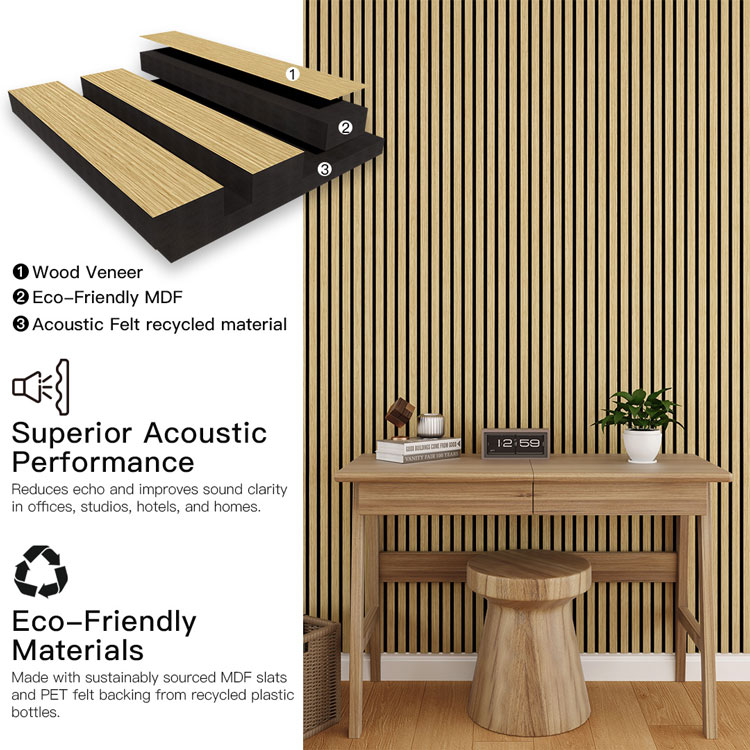
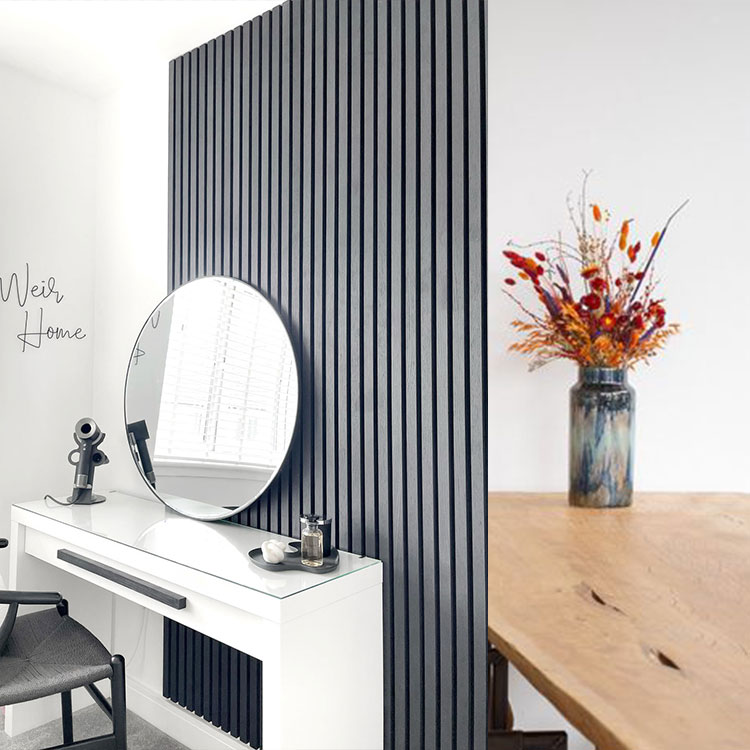
Acoustic panels have become a popular solution for improving sound quality in homes, offices, studios, restaurants, and commercial interiors. They help reduce echo, control reverberation, and create a more comfortable acoustic environment. However, many people install acoustic panels without fully understanding how they work, which can lead to disappointing results.

In this article, we will explore the most common mistakes when using acoustic panels and how to avoid them to achieve the best acoustic performance.
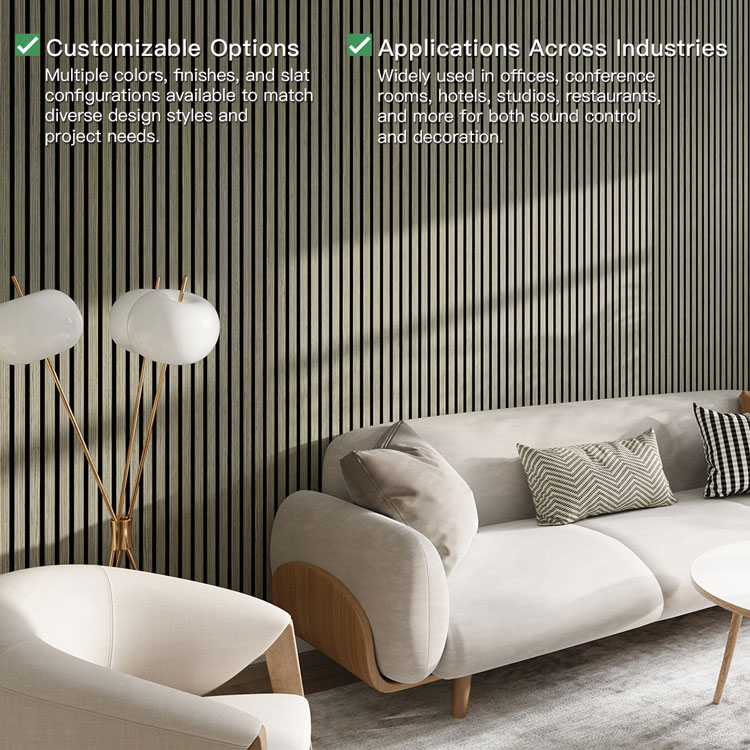
 Leading Distributor of Acoustic Wood Slat Panels


Understanding the Purpose of Acoustic Panels

Before discussing the mistakes, it’s important to understand what acoustic panels are designed to do.

Acoustic panels are primarily used to absorb sound reflections inside a room, reducing echo and reverberation. They improve speech clarity and listening comfort but are not designed to completely block sound from entering or leaving a room.

Many misunderstandings about acoustic treatment come from confusing sound absorption with soundproofing, which leads to improper installation or unrealistic expectations.


Common Mistake #1: Expecting Acoustic Panels to Soundproof a Room

One of the most frequent mistakes is assuming that acoustic panels will completely block outside noise, such as traffic sounds or noise from neighbors.

In reality, acoustic panels are designed to control sound reflections within a room, not to stop sound transmission through walls or ceilings.

The Right Approach

If your goal is to reduce external noise, you will need soundproofing solutions, such as:

  • Adding mass to walls

  • Sealing air gaps

  • Using specialized sound insulation materials

Acoustic panels are best used to improve internal sound quality, not full sound isolation.


Common Mistake #2: Installing Too Few Panels

Another common issue is installing only a few panels and expecting a dramatic improvement in acoustics.

Sound reflections occur across multiple surfaces in a room, including walls, ceilings, and corners. If only a small portion of the room is treated, sound waves will continue reflecting from untreated surfaces.

The Right Approach

For effective acoustic treatment:

  • Cover 20–30% of reflective surfaces in the room

  • Treat multiple walls instead of only one

  • Consider ceiling treatment in large spaces

Increasing the treated surface area significantly improves acoustic performance.


Common Mistake #3: Placing Panels in the Wrong Locations

Even high-quality acoustic panels will not perform well if they are installed in ineffective positions.

Many people place panels randomly on walls, focusing only on decoration rather than acoustic function.

The Right Approach

Panels should be installed at key reflection points, including:

  • Side walls near listening or seating areas

  • Behind speakers or sound sources

  • Opposite reflective surfaces

  • Ceilings in rooms with strong echo

Proper placement ensures that sound reflections are absorbed before they bounce around the room.


Common Mistake #4: Ignoring Ceiling Acoustics

In many spaces, the ceiling is a major reflective surface. However, it is often overlooked when installing acoustic panels.

In large rooms, offices, or restaurants, untreated ceilings can create strong reverberation even if wall panels are installed.

The Right Approach

Consider installing:

  • Ceiling-mounted acoustic panels

  • Suspended acoustic baffles

  • Decorative acoustic ceiling systems

Treating both walls and ceilings creates a more balanced acoustic environment.


Common Mistake #5: Choosing Panels Based Only on Appearance

Decorative panels may look attractive but might not provide effective sound absorption if the materials are not designed for acoustic performance.

Low-density materials or thin decorative panels often have limited acoustic capabilities.

The Right Approach

Choose panels with:

  • Proper sound-absorbing materials

  • Sufficient thickness and density

  • Verified acoustic performance

Modern wood slat acoustic panels are a good example of combining design aesthetics with real acoustic functionality.


Common Mistake #6: Installing Panels Directly on Highly Reflective Surfaces Without Planning

Mounting panels directly on walls without considering spacing or layout may reduce their efficiency.

The Right Approach

Some acoustic systems benefit from small air gaps behind panels, which can enhance sound absorption performance.

Proper spacing and layout planning can significantly improve acoustic results.


The Advantages of Wood Slat Acoustic Panels

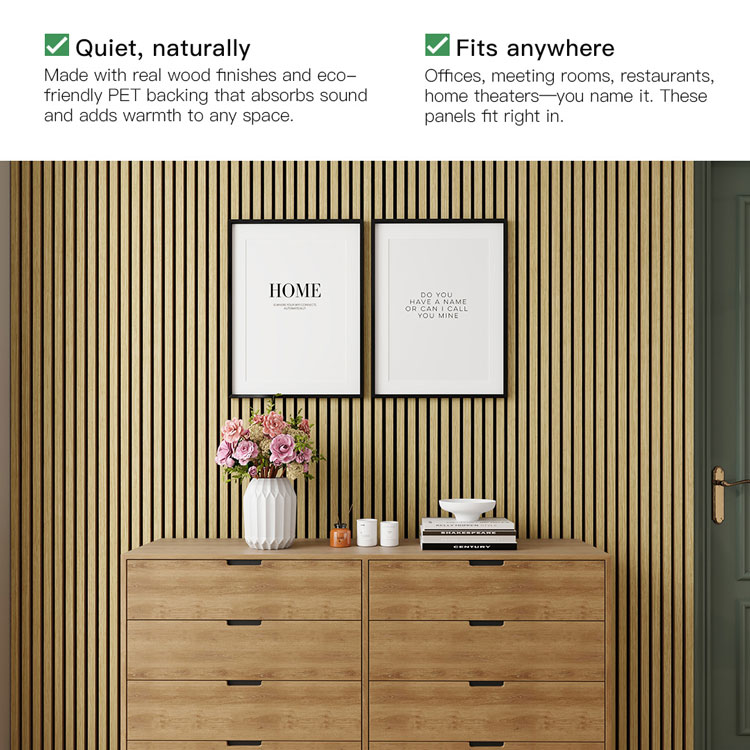
Wood slat acoustic panels have become increasingly popular because they combine functional acoustic treatment with architectural design.

These panels typically consist of:

  • Natural wood veneer or MDF slats

  • Sound-absorbing acoustic felt backing

  • Carefully engineered spacing between slats

This structure allows the panels to reduce echo and reverberation while maintaining a modern decorative appearance, making them suitable for a wide range of environments.

Common applications include:

  • Offices and meeting rooms

  • Restaurants and cafés

  • Hotels and commercial spaces

  • Home theaters and living rooms

  • Recording studios and creative spaces


Guangdong Leeyin Acoustics: Professional Acoustic Panel Manufacturer

At Guangdong Leeyin Acoustics, we specialize in the manufacturing of wood slat wall panels and acoustic panels designed for both acoustic performance and architectural aesthetics.

As a leading exporter of wood slat acoustic panels in China, our company provides reliable products for global markets.

Our advantages include:

  • 20,000 square meters of modern manufacturing facilities

  • Advanced production technology and equipment

  • Strict quality management following international standards

  • Strong production capacity to support global supply

  • Extensive experience working with distributors, designers, and contractors

Our products are widely used in residential, commercial, and architectural projects, offering a combination of durability, sound absorption, and elegant design.
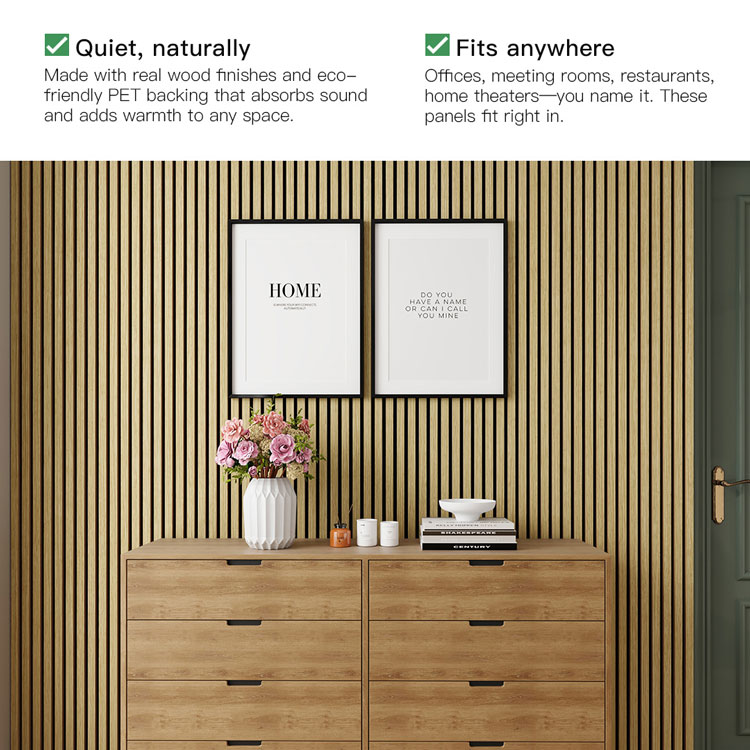
Acoustic panels play a crucial role in controlling:

  • Echo
  • Reverberation
  • Background noise
  • Speech clarity

Poor-quality panels may only provide minimal improvement, while high-end panels can significantly enhance both sound quality and overall environment comfort.

Leading Acoustic Wood Slat Panel Manufacturer & Distributor


1. Material Quality and Composition

Cheap Acoustic Panels

Low-cost panels are often made from:

  • Low-density foam
  • Inferior fiber materials
  • Thin or inconsistent cores

These materials may degrade quickly and offer limited sound absorption, especially at certain frequencies.

High-End Acoustic Panels

Premium panels use carefully selected materials such as:

  • High-density polyester fiber
  • Mineral wool or engineered acoustic cores
  • High-quality MDF and wood veneers (for wood slat panels)

These materials are designed to deliver consistent and effective sound absorption across a wide frequency range.

👉 Key Difference: Higher density and better material composition result in superior acoustic performance.


2. Acoustic Performance and Testing

Cheap Panels

Many low-cost panels are not professionally tested, meaning:

  • No verified acoustic ratings (like NRC)
  • Inconsistent performance
  • Limited effectiveness in real environments

High-End Panels

Premium acoustic panels are:

  • Engineered for specific acoustic performance
  • Tested under standardized conditions
  • Designed to optimize sound absorption

They provide reliable results in both residential and commercial applications.

👉 Key Difference: High-end panels offer proven, measurable acoustic performance.


3. Design and Aesthetic Appeal

Cheap Panels

Budget panels often focus only on function, resulting in:

  • Basic or outdated designs
  • Limited color and finish options
  • Industrial or unattractive appearance

High-End Panels

Modern high-end panels, especially wood slat acoustic panels, are designed as architectural features.

They offer:

  • Natural wood finishes
  • Clean, modern lines
  • Customizable styles
  • Seamless integration into interior design

👉 Key Difference: Premium panels enhance both acoustics and visual design.


4. Durability and Lifespan

Cheap Panels

Low-quality panels may:

  • Lose shape over time
  • Sag or deform
  • Fade or wear quickly
  • Be sensitive to moisture

High-End Panels

High-end products are built for longevity, featuring:

  • Stable structural design
  • Durable surface finishes
  • Resistance to wear and environmental factors

👉 Key Difference: Premium panels provide long-term reliability and performance.


5. Fire Safety and Environmental Standards

Cheap Panels

Many low-cost panels do not meet safety standards, which can pose risks in:

  • Commercial buildings
  • Public spaces
  • Hospitality environments

High-End Panels

Professional acoustic panels are often:

  • Fire-resistant
  • Low-emission (eco-friendly)
  • Certified according to international standards

👉 Key Difference: High-end panels ensure safety, compliance, and sustainability.


6. Installation and Precision Manufacturing

Cheap Panels

Budget options may suffer from:

  • Inconsistent dimensions
  • Poor edge finishing
  • Difficult installation

High-End Panels

Premium panels are manufactured with precision, offering:

  • Accurate sizing
  • Easy installation systems
  • Clean joints and alignment

👉 Key Difference: Better manufacturing leads to faster installation and a more professional finish.


7. Overall Value vs Initial Cost

While cheap acoustic panels may seem cost-effective upfront, they often require:

  • Replacement over time
  • Additional panels to achieve desired results
  • Compromises in design and performance

High-end acoustic panels, although more expensive initially, provide:

  • Better performance
  • Longer lifespan
  • Higher aesthetic value
  • Greater return on investment

👉 Key Difference: Premium panels deliver better long-term value.


Why Wood Slat Acoustic Panels Represent High-End Solutions

Among premium options, wood slat acoustic panels stand out as a top-tier solution.

Their structure typically includes:

  • Decorative wood slats
  • Acoustic felt backing
  • Engineered spacing for optimized sound absorption

They combine:

  • High-performance acoustics
  • Elegant architectural design
  • Versatility in application

This makes them ideal for:

  • Modern homes
  • Offices
  • Hotels
  • Commercial spaces

Guangdong Leeyin Acoustics: Delivering High-End Acoustic Solutions

At Guangdong Leeyin Acoustics, we specialize in manufacturing premium wood slat wall panels and acoustic panels designed for global markets.

As a leading exporter in China’s wood slat acoustic panel industry, we are committed to delivering high-quality products that meet international standards.

Our Advantages

  • 20,000㎡ modern production facility
  • Advanced automated manufacturing technology
  • Strict quality management systems
  • Strong large-scale production capacity
  • Extensive global export experience

We focus on producing acoustic panels that offer:

  • Reliable acoustic performance
  • Superior craftsmanship
  • Modern aesthetic design
  • Long-lasting durability


Our products are widely used in residential, commercial, and hospitality projects worldwide.

Want to improve the acoustics of your room but don't have traditional acoustic panels on hand?


Here are some alternatives that can help reduce echoes and improve sound quality—although none of them can match the performance of professional acoustic panels.

Custom Solutions Acoustic Wood Slat Panels

✅ 1. Heavy Curtains


Thick fabrics help absorb mid-to-high frequency sounds.


Perfect for living rooms and bedrooms.


✅ 2. Rugs


Bare floors reflect sound. Laying down a soft rug can instantly reduce echoes.


✅ 3. Bookshelves Filled with Books


Bookshelves filled with books both diffuse and absorb sound—simple and effective.


✅ 4. Upholstered Furniture


Sofas, upholstered chairs, and cushions themselves absorb sound waves.


✅ 5. Homemade Foam Boards


While convenient, they are usually not dense enough and have poor fire resistance.

If you're planning to create a modern home theater or stylish living room, you might be wondering:


"Can I mount the TV directly on a sound-absorbing wall?"


In short: It's not recommended.


Here are the reasons and the correct installation method.

Top Supplier of Acoustic Wood Slat Panels – Factory Direct

❌ Why you shouldn't mount a TV directly on a sound-absorbing panel


Sound-absorbing panels—especially felt-backed wooden slats—are for absorbing sound, not for bearing weight.


Mounting a TV directly on acoustic panels may result in:


Insufficient structural support


Risk of panel damage


Unsafe installation


Degraded acoustic performance


✔ Correct way to install a TV using acoustic panels


You can perfectly combine a TV wall mount with acoustic panels—simply follow these steps:


1. First, mount the TV bracket on a solid wall.


The TV should be securely fixed to the following wall surfaces:


Concrete wall


Brick wall


Use suitable anchors to secure to drywall


Wooden frame


2. Install the acoustic panels around the bracket.


Leeyin's wood slat acoustic panels are precisely cut to perfectly fit the wall mount, providing a seamless, high-quality look.


3. Hide cables behind the panel.


Our panels have small gaps between the wood slats and felt backing—perfect for concealing cable management.

A tranquil bedroom is not accidental, but the result of careful design. Whether you're troubled by neighbor noise, street clamor, or indoor echoes, effective soundproofing can significantly improve your sleep environment.


Guangdong Leeyin Acoustics specializes in wood slat wall panels and acoustic panels, providing reliable professional acoustic solutions to customers worldwide.

Hot Selling Acoustic Wood Slat Panels

✔ 1. Install Acoustic Wall Panels


Installing high-quality acoustic panels—such as Liyin's wood slat acoustic panels—helps reduce echoes and absorb unwanted sound reflections.


They can also add warmth and modern aesthetics to your bedroom.


✔ 2. Soundproof Shared or Exterior Walls


For noise penetrating through walls, upgrading to high-density acoustic panels can significantly improve sound insulation.


Liyin's acoustic panels feature high-density felt backing and durable materials for superior sound insulation.


✔ 3. Seal door and window gaps


Even small gaps can leak sound. Use weatherstripping, bottom door seals, or thicker curtains to block noise transmission.


✔ 4. If the noise is coming from upstairs, address the ceiling


For footsteps or impact sounds from upstairs, combine soundproofing panels with additional soundproofing layers or a suspended ceiling soundproofing solution.


✔ 5. Add carpets, soft furnishings, and curtains


Soft materials help reduce noise reflection, creating a more comfortable acoustic environment.

keyboard_arrow_up