--Introduction

The rollout of 5G networks is reshaping global connectivity, demanding faster deployment, denser infrastructure, and unprecedented scalability. Traditional telecom towers, often plagued by lengthy construction timelines and rigid designs, struggle to keep pace. Enter modular angle steel towers—a game-changing innovation engineered to meet 5G's challenges head-on. By combining prefabricated precision with adaptable architecture, these towers are redefining what's possible in telecom infrastructure. Let's explore how their speed, flexibility, and future-proofing capabilities make them the ideal choice for the 5G era.


angle steel telecom tower 


1. Speed: Accelerating 5G Deployment

The Problem:
5G networks require up to 10x more base stations than 4G to achieve seamless coverage, especially for high-frequency mmWave bands. Delays in tower construction can derail rollout schedules and revenue targets.

The Modular Advantage:

  • Prefabricated Components: Towers are manufactured off-site in standardized modules, slashing on-site assembly time by 30–50%.

  • Plug-and-Play Assembly: Bolt-together connections eliminate complex welding, enabling rapid installation even in remote or congested urban areas.

  • Case Study: A telecom operator in Germany deployed 200 modular towers in 6 months—a feat unachievable with conventional methods.

Key Takeaway: Modular design turns months of construction into weeks, ensuring 5G networks go live faster.


2. Flexibility: Adapting to Evolving Needs

The Problem:
5G's requirements vary wildly—from dense urban small cells to rural macro towers. Legacy structures often lack the agility to adapt.

The Modular Advantage:

  • Scalable Height and Load: Easily add or remove sections to adjust tower height (e.g., from 30m to 60m) or accommodate new antenna arrays.

  • Multi-Operator Sharing: Modular frameworks simplify adding platforms for multiple carriers, avoiding costly overbuilding.

  • Terrain Versatility: Lightweight modules can be transported via helicopter or small trucks to mountainous or forested regions.

Real-World Example: In India, a single modular tower in Mumbai supports 3 operators, 12 antennas, and IoT sensors—all added incrementally without downtime.


angle steel telecom tower


3. Future-Proofing: Building for Tomorrow's Tech

The Problem:
6G, AI-driven networks, and terahertz frequencies loom on the horizon. Infrastructure must evolve without requiring total rebuilds.

The Modular Advantage:

  • Tech-Agnostic Design: Modular towers seamlessly integrate emerging hardware like massive MIMO panels, mmWave radios, or even satellite uplinks.

  • IoT-Ready Infrastructure: Built-in cable trays, power conduits, and sensor mounts simplify retrofitting smart monitoring systems.

  • Sustainable Upgrades: Replace individual aging modules instead of demolishing entire towers, cutting lifecycle costs by 40%.

Expert Insight: "Modularity isn't just about 5G—it's about creating a framework that absorbs future innovations," says Dr. Elena Torres, a telecom infrastructure strategist.


  • 4. Sustainability: An Often-Overlooked Perk
  • While speed and adaptability steal headlines, modular towers also excel in eco-efficiency:
  • Reduced Waste: Precision manufacturing minimizes material overuse.

  • Lower Carbon Footprint: Fewer trucks and shorter construction times mean fewer emissions.

  • Reusable Modules: Decommissioned sections can be repurposed for new projects.


  • Conclusion: The Backbone of Agile Networks
  • Modular angle steel towers aren't just a solution for today's 5G demands—they're a strategic investment in a hyper-connected future. By prioritizing speed, flexibility, and scalability, operators can stay ahead of technological shifts while optimizing costs and minimizing environmental impact.
  • At Altai Tower Co., Ltd, we specialize in designing and deploying modular towers tailored to 5G's unique challenges. Ready to future-proof your network? Contact our team to explore custom solutions.


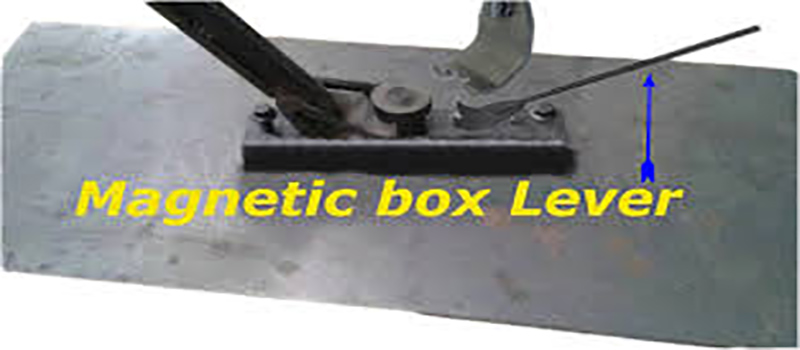
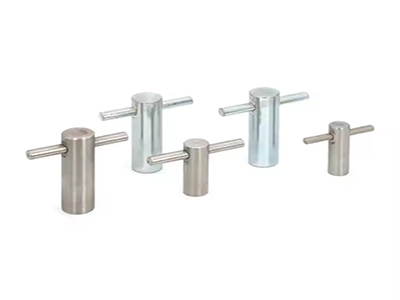
In the precast concrete industry, the shuttering magnet system has become a key technology to improve construction efficiency due to its fast positioning, high precision and reusability. However, the disassembly of the magnet often leads to efficiency bottlenecks due to complex operations or improper tools. As a supporting solution, the Releasing Tool for Shuttering Magnet has completely changed this situation through innovative design and has become an indispensable "efficient demoulding assistant" in the modern building formwork system.

Releasing Tool for Shuttering Magnet

The Releasing Tool is a disassembly tool designed specifically for magnetic mold systems. Its core function is to safely and quickly separate the magnetic mold from the casting platform. Its design highlights include:

1. One-button release mechanism: By pressing the handle or operating the lever, the internal mechanism of the tool can instantly release the magnetic adsorption, avoiding physical damage to the mold or magnet by traditional crowbars.

2. Compatibility and adaptation: supports a variety of magnetic mold specifications (such as U60, aluminum side molds, etc.), and adapts to scene requirements of different magnetic strengths.

3. Ergonomic design: The tool is light and comfortable to hold, reducing operator fatigue, especially suitable for precast factory environments with high-intensity repetitive operations.


Why choose Releasing Tool? Three core advantages

1. Efficiency increased by more than 50% - Traditional magnetic mold disassembly relies on manual prying, which is time-consuming and easy to damage the mold surface. Releasing Tool uses standardized operating procedures to shorten the single disassembly time to less than 10 seconds, which is especially suitable for prefabricated wall panels, beams and columns and other components produced at high frequencies.

2. Double guarantee of safety and durability - The tool is made of high-strength alloy material, which is impact-resistant and corrosion-resistant. Its "contactless" disassembly mechanism greatly reduces the risk of workers' finger pinching and complies with European machinery safety regulations (such as MD2006/42/EC). In addition, the aluminum side molds of the magnetic mold system are used in conjunction with the disassembly tool, and the service life can reach more than 10 years, reducing replacement costs.

3. Environmental protection and economy - By reducing wood consumption and mold loss, Releasing Tool indirectly reduces construction costs. Its reusable characteristics are also in line with the concept of green building.


Usage and maintenance tips

- Operation specifications: Ensure that the concrete reaches the demolding strength (usually ≥15 MPa) before disassembly, and clean the impurities on the surface of the magnetic mold to avoid tool jamming.

- Regular maintenance: Lubricate the joints of the tool every quarter and check the flexibility of the handle mechanism; it is recommended to apply anti-rust oil to the magnetic mold system to extend the service life.

- Training and safety: Operators need to receive professional training and be familiar with the matching method of tools and magnetic molds to avoid misoperation that may cause magnetic attenuation or tool damage.

Flat-pack container houses, also known as prefabricated container homes, are a new and innovative approach to sustainable and affordable housing solutions. These homes are constructed using repurposed shipping containers that are transformed into comfortable and modern living spaces.

The concept of flat-pack container houses is gaining popularity due to the increasing demand for affordable housing and the need for sustainable building practices. Flat-pack container houses offer several advantages over traditional housing options.

Firstly, flat-pack container houses are extremely affordable. The cost of purchasing and transforming a container into a home is significantly lower than the cost of building a traditional home. This is mainly due to the use of prefabricated components, which reduces the cost of construction.

Secondly, flat-pack container houses are highly sustainable. The repurposed containers used in the construction process are made from durable materials such as steel and wood, and can last for several decades. By using prefabricated components, the need for on-site construction is reduced, which reduces the environmental impact of the construction industry.

Thirdly, topinduscabin flat-pack container houses can be easily transported and installed. The shipping containers are designed to be stackable, which allows for easy transportation and storage. Once the home is constructed, it can be quickly and easily installed on the desired property. This flexibility allows flat-pack container houses to be used as temporary housing solutions, such as disaster relief shelters or vacation rentals, in addition to permanent residences.

Despite their advantages, flat-pack container houses are not without challenges. One of the main challenges is the difficulty in insulating the containers and making them energy-efficient. Additionally, the use of steel and wood in the construction process can lead to corrosion and rot over time if not properly maintained. To address these challenges, prefabricated container homes are being designed to be more energy-efficient, with better insulation and heating and cooling systems. Additionally, maintenance guidelines are being developed to ensure the longevity of these homes.

In conclusion, flat-pack container houses offer an innovative and sustainable solution to the affordable housing crisis. By using repurposed shipping containers as building blocks, prefabricated container homes provide a cost-effective and environmentally friendly alternative to traditional housing options. As we continue to grapple with the challenges of providing affordable and sustainable housing solutions, it’s likely that we will see more of these flat-pack container houses popping up around the world.


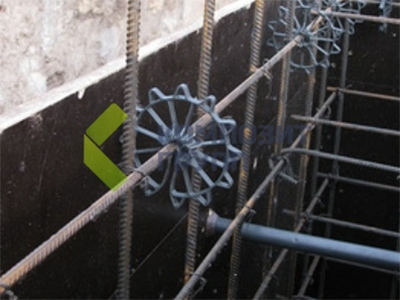
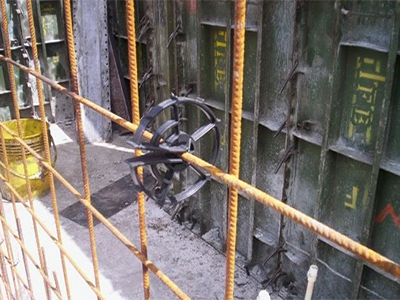
In precast concrete construction, accurate positioning of rebar is a core element to ensure the strength and durability of building structures. As an innovative accessory in modern engineering, Rebar Spacer Wheels are becoming the "invisible guardian" of the global construction industry with their efficiency and reliability. Plastic Rebar Chair is made out of durable non-corroding high-density plastic which is both strong and light. Our rebar chair systems cannot change shape and will provide a uniform concrete cover. A plastic Rebar Chair for concrete support can be used in tilt-up and slab work. They are stable and economical. Its fastening system is strong and versatile.

Rebar Spacer Wheels


Why has Rebar Spacer Wheels For Precast Concrete become the industry standard?

Precisely control the thickness of the concrete cover

Traditional construction relies on sand pads or temporary brackets, which can easily lead to uneven thickness of the cover, while the spacer wheel achieves precise positioning through standardized sizes (such as 1 inch, 3 inches, etc.) to ensure compliance with engineering specifications.

Open design optimizes concrete fluidity

The hollow structure of the spacer wheel allows concrete to flow freely, avoiding the formation of voids or honeycomb defects due to support obstruction, thereby improving the overall density of the structure. Some products also adopt a "point contact" design, which only contacts the formwork through plastic protrusions, reducing the need for repairs after demolding.

Installation efficiency increased by more than 50%

The snap-in design does not require tying wires, and only needs to press the steel bar into the center slot to complete the fixation. It is especially suitable for #3-#6 steel bars, which greatly shortens the construction period.

Long-term durability and environmental protection

High-density plastic materials are resistant to acid and alkali corrosion, and their service life far exceeds that of traditional metal supports. Plastic materials are recyclable and in line with the trend of green buildings.

Rebar Spacer WheelsRebar Spacer Wheels


Key parameters for selection:

Rebar specifications: Suitable for #3-#6 rebar (diameter 9.5mm-19mm).

Protective layer thickness: Select 1 inch to 3.5 inches according to design requirements.

Packing specifications: For large projects, large packaging of 200-2500 pieces per box can be selected to reduce costs.

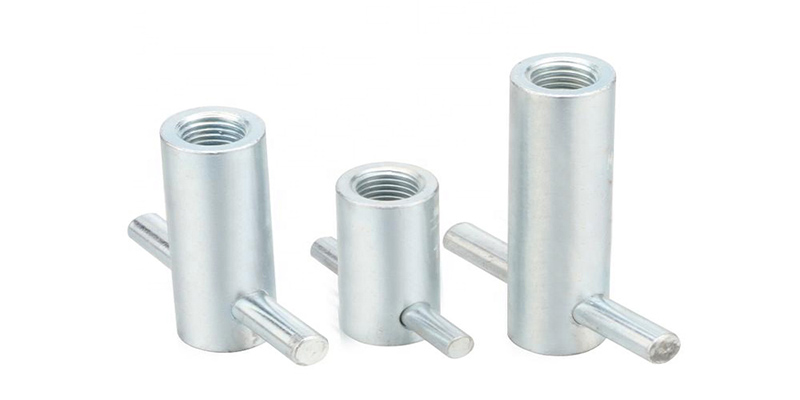
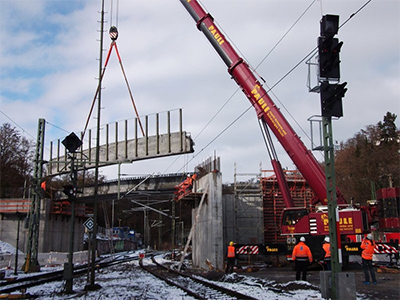
In prefabricated buildings, bridge projects and even nuclear power facilities, the lifting of heavy components has always been a core challenge for construction safety and efficiency. Traditional welding of lifting lugs or wire rope bundling is not only time-consuming, but may also cause concrete cracking due to uneven force. A device called Lifting Socket (lifting sleeve/lifting sleeve) is quietly becoming the "invisible lifting hand" of modern industrialized construction. How does it achieve precise lifting? And why is it called the "soul accessory" of modular buildings?


Lifting Socket

1. Lifting Socket: More than just an "iron ring"

Lifting Socket is a standardized lifting interface embedded in concrete or steel structure. It looks like a simple metal sleeve, but it hides a sophisticated design inside. It can evenly transfer several tons or even hundreds of tons of load to the main body of the component through quick connection with the crane sling, which can be called the "Swiss Army Knife" in the field of heavy lifting.

Core structure revealed

"Steel and iron" sleeve body

- Material: high-strength alloy steel or stainless steel, galvanized or sprayed with anti-corrosion layer on the surface, suitable for harsh environments such as humidity and salt spray.

- Internal structure: threaded hole, conical slot or standardized socket, suitable for eyebolts, shackles or special slings.

- External design: surround the anchor bar or groove to ensure a tight "bite" with the concrete to avoid force disengagement.

Pre-embedded system: invisible foundation

- Fixed in the formwork by binding or welding before pouring, deeply integrated with the component steel mesh to form a "mechanical community".

- Some models support detachable design, which enables the sleeve to be reused and reduces construction costs.


2. Why do we need Lifting Socket?

Three major pain points of traditional lifting

- High risk: The steel wire rope is easily squeezed into the edge of the concrete, which can easily cause cracks.

- Low efficiency: Each component needs to be welded with a lifting lug separately, which is time-consuming and labor-intensive.

- Irreversible: The exposed lifting point destroys the appearance of the component, and the later processing is cumbersome.

Lifting Socket's breakthrough advantage

Safety doubled - The load is evenly dispersed through the embedded system to avoid stress concentration, and the lifting accident rate is reduced by more than 70% (according to ISO 14545 standard test).

Efficiency revolution - The lifting device is "plug and play", and the single connection time is shortened from 20 minutes to 30 seconds, which is particularly suitable for batch prefabricated lifting.

Invisible aesthetics - After completion, the sleeve can be closed with a cover plate to achieve "traceless lifting" to meet the aesthetic needs of high-end buildings.


3. From factory to construction site: Lifting Socket full process analysis

Design stage: Actuarial mechanics and positioning - According to the weight and center of gravity of the component, the number of sleeves and the embedded coordinates are determined through the BIM model, and the error must be controlled within ±2mm.

Four-step installation method

- Step 1: Fix the sleeve on the steel skeleton before pouring, and vibrate and compact after injecting concrete.

- Step 2: After the maintenance is completed, screw in the galvanized eyebolt (thread lubricant needs to be applied).

- Step 3: Connect the crane hook and perform a static load test of 125% rated load.

- Step 4: After the lifting is completed, remove the bolts and cover them with protective covers to prevent foreign objects from entering.

Key points of operation and maintenance

- Rust prevention management: Coastal projects need to check the thread rust every month and use special grease for maintenance.

- Life warning: After a single sleeve is used for more than 200 times, magnetic particle inspection is required to detect internal cracks.


Lifting SocketLifting Socket

From the prefabricated arch ribs of the Sydney Opera House to the immersed tube tunnel of the Hong Kong-Zhuhai-Macao Bridge, the Lifting Socket, with its seemingly low-key attitude, is pushing modern architecture towards a more efficient and safer direction. It is not only a carrier of technology, but also a concrete embodiment of industrial thinking in the field of construction. In the future, with the popularization of intelligent construction, this "invisible screw" may redefine the rules of the game for heavy lifting.

Advantages and Applications of T-Slot Aluminum Profile Frames: A Complete Guide

In the world of modern industrial manufacturing and equipment construction, a quiet revolution in materials is taking place. T-slot aluminum profile frames are gradually replacing traditional steel structures, becoming the ideal choice for efficient, flexible, and eco-friendly solutions. According to data, the global industrial aluminum profile market reached USD 52 billion in 2023, with T-slot aluminum profiles accounting for 35% of the market share due to their standardized design. Whether in complex automation lines, stylish display equipment, or smart home systems, T-slot aluminum profiles are gaining widespread attention for their versatility and high compatibility.

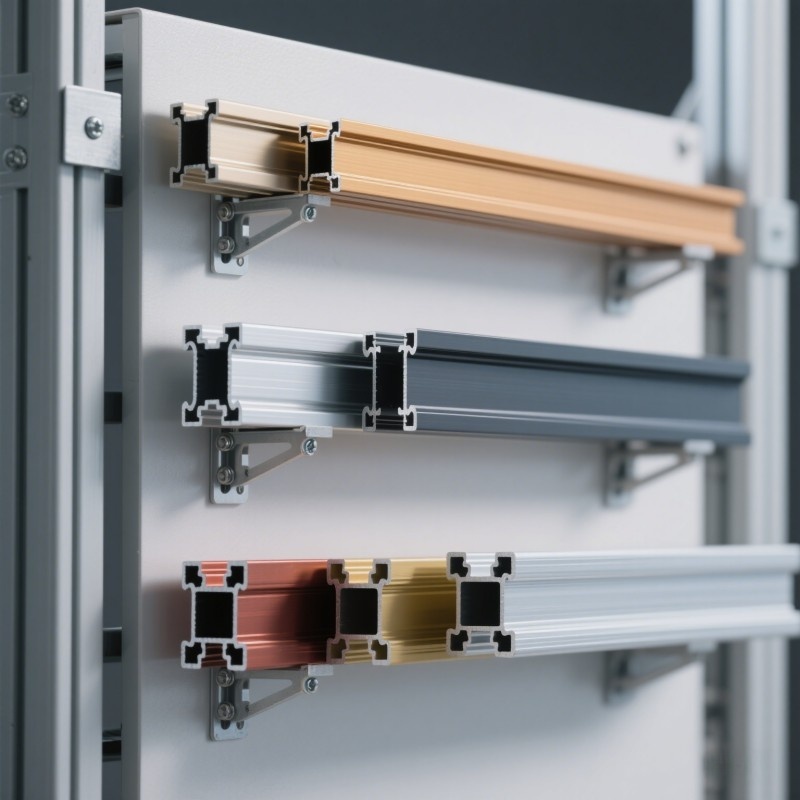
T-slot aluminum profile frame structure display


What is a T-Slot Aluminum Profile Frame?

T-slot aluminum profiles, also known as industrial aluminum profiles, are long structural materials made by extruding aluminum alloys. The surface features standardized "T-shaped slots," a design innovation that has made assembly quick and simple. The slots allow users to easily assemble frames using nuts, connectors, and other accessories, without the need for welding or drilling. The process is flexible, tool-free, and reusable, much like building with large Lego blocks. This makes it easy to construct frames that meet various needs with minimal technical expertise.


These profiles are used to build a wide range of structures, including workbenches, equipment supports, protective shields, shelving systems, robot enclosures, and conveyor frame systems—all offering firm support for equipment, ensuring safety, and aiding in industrial automation.

Display stand structure using T-slot profiles


Core Advantages of T-Slot Aluminum Profiles

Building structures with T-slot aluminum profiles brings several notable benefits:

  • Modular Design with Unlimited Possibilities: These profiles can be cut and assembled as needed, much like Lego blocks. Whether building small simple frames or large complex structures, flexibility is guaranteed. For instance, in an automation production line renovation, engineers quickly cut and assembled the T-slot aluminum profiles to match the new production process, reducing project duration from 15 days with traditional steel structures to just 7 days.

  • High Strength, Lightweight, and Easy Transportation: Aluminum alloy has a density only one-third that of steel (about 2.7g/cm³), yet its tensile strength reaches 200-400MPa, reducing the weight of the frame by more than 60%. In exhibition setups, a single person can handle a 2-meter long 40-series profile, reducing labor costs by 40% compared to steel structures.

  • No Welding Required, Simplified Installation: T-slot aluminum profiles are connected with standard components, eliminating the need for specialized welding skills. Ordinary workers using conventional tools can complete installations, tripling the assembly speed.

  • Reusable, Lower Long-Term Costs: Components can be disassembled and reused, allowing companies to repurpose the frames for other projects after a project is completed, significantly reducing long-term costs. A certain electronics manufacturer saved over 800,000 yuan in material costs within three years by reusing aluminum profile frames.

  • Corrosion-Resistant and Aesthetic: The anodized surface of the aluminum profiles ensures excellent corrosion resistance (up to 1000 hours in salt spray testing). The smooth finish (Ra≤0.8μm) gives the frames an attractive appearance, making them ideal for both industrial and commercial display applications.

  • Eco-Friendly Material, Supporting Green Manufacturing: With up to 95% recyclability and a 60% reduction in energy consumption compared to steel production, aluminum profiles are in line with modern green manufacturing trends, contributing to sustainable development.

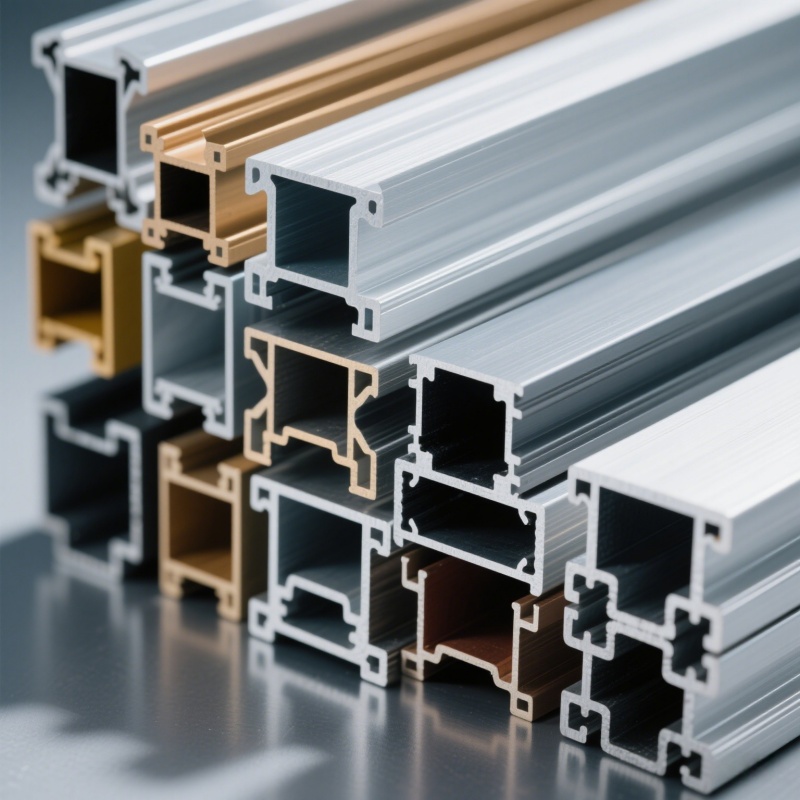
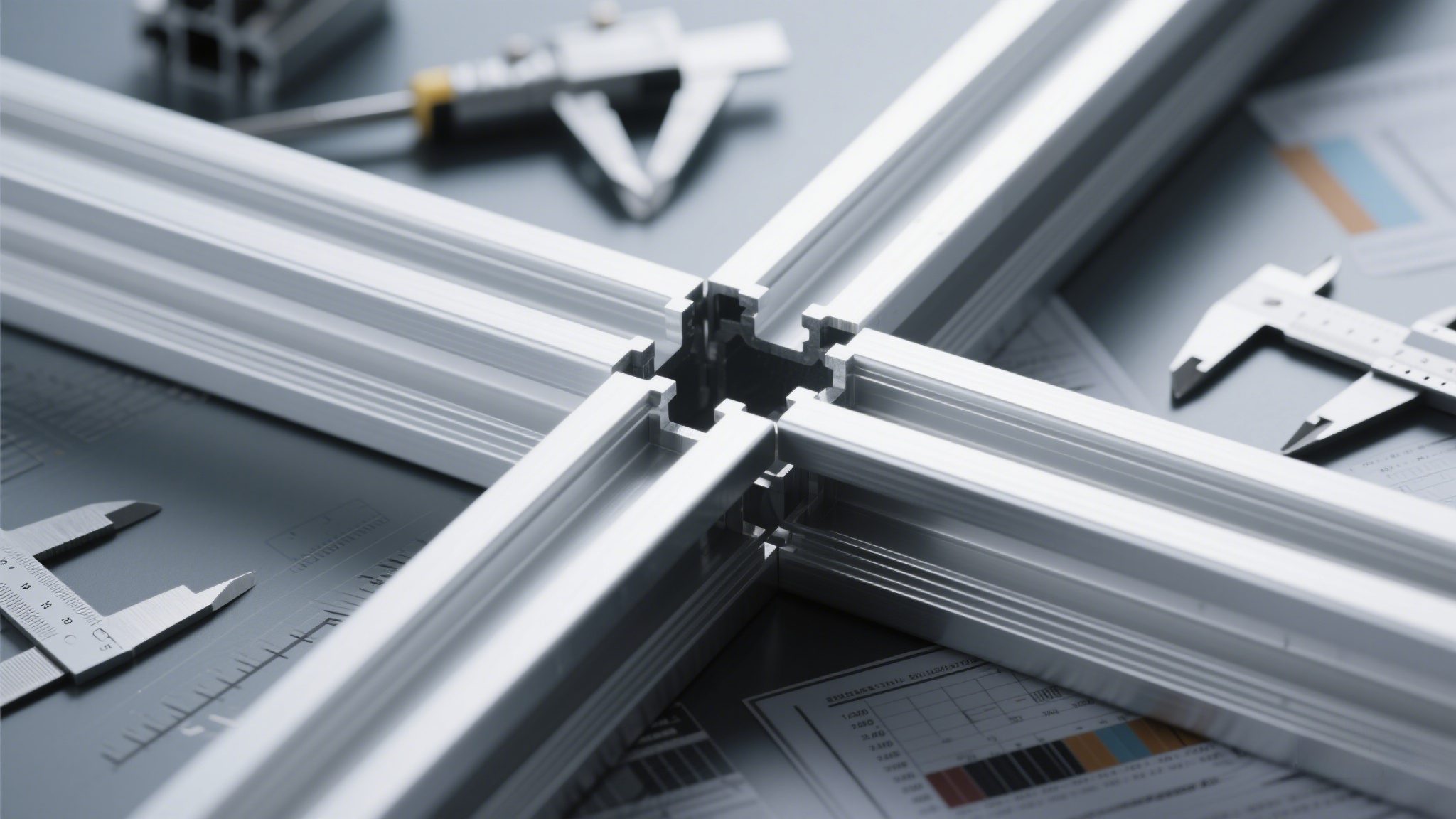
Close-up of industrial T-slot aluminum profile

Common Specifications and Selection Suggestions

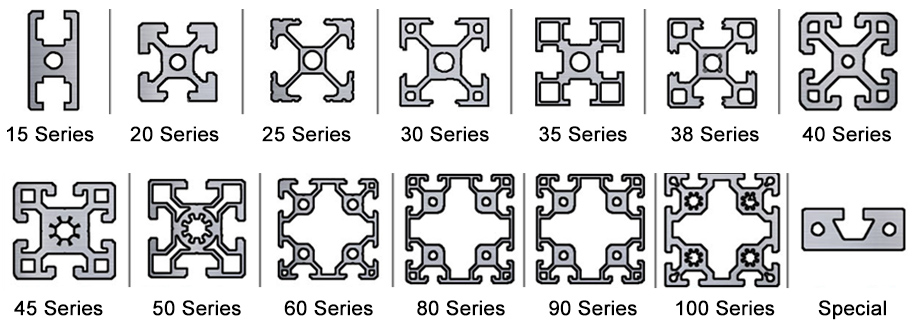
The market offers a wide range of T-slot aluminum profile specifications. Here are some common models:

Model Size (mm) Slot Width Theoretical Load (kg/m) Application
20 Series 20x20, 20x40 6mm ≤50 Small structures, light load devices
30 Series 30x30, 30x60 8mm ≤150 Display racks, partitions
40 Series 40x40, 40x80 10mm ≤300 Mechanical equipment frames
45 Series 45x45, 45x90 10mm ≤500 Heavy-duty automation equipment

When selecting profiles, factors such as load-bearing capacity, size, slot width, and accessory compatibility should be considered. For example, when building a frame to support heavy equipment, the 40 or 45-series aluminum profiles should be chosen along with high-strength connectors. For commercial display racks, the 30-series is a good choice, offering both structural integrity and cost-effectiveness.


Typical Applications of T-Slot Aluminum Profiles

T-slot aluminum profile frames are used in nearly all modern industrial scenarios:

  • Industrial Automation: These profiles are critical in applications such as robotic workstations, protective fences, and conveyor support frames. For example, a certain automotive manufacturer used T-slot aluminum frames to build a protective fence around their robotic workstation, ensuring safety and allowing the layout to be adjusted according to production needs. In the automotive industry, the annual growth rate of aluminum profile applications is 12%.

  • Warehouse Logistics: Adjustable shelving and sliding rail systems improve space utilization by 30%, increasing transport efficiency by 25%.

  • Medical Equipment: Aluminum profiles provide stable and reliable support for laboratory instruments and operation tables, meeting strict medical equipment requirements. The demand for aluminum profiles in the medical field is growing due to their non-magnetic and easy-to-clean properties.

  • Commercial Displays: Exhibition racks, LED lightbox frames, and more benefit from the attractive appearance and flexibility of assembly, enhancing the visual impact of commercial displays. Aluminum profile display racks account for over 70% of the exhibition setup market.

  • Home Décor: Modern-style bookshelves and modular walls bring unique design and practicality to living spaces.

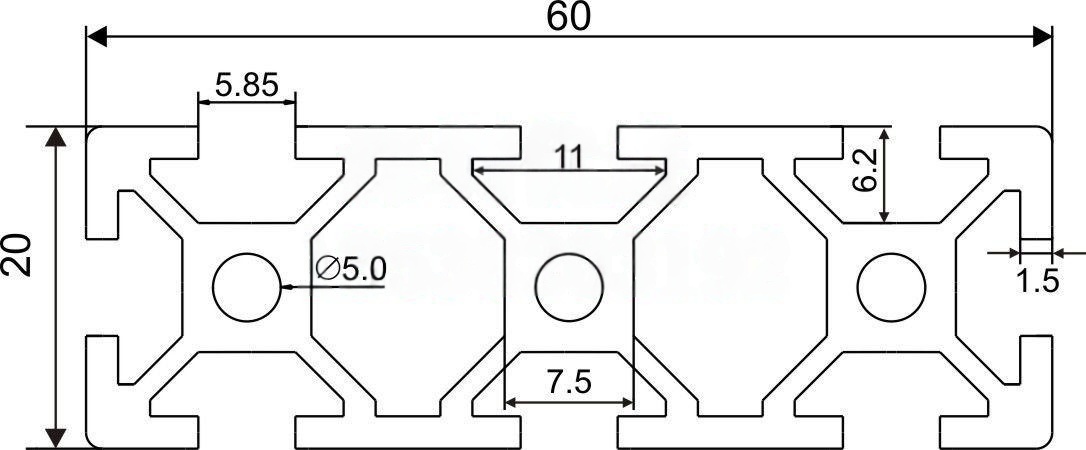
Comparison of various T-slot profile sizes

Simple and Flexible Installation Methods

The installation of T-slot aluminum profiles is incredibly easy and does not require specialized welding skills. Common connection methods include:

  • Corner Connectors: Ideal for 90° connections, simple and fast, allowing the construction of neat and well-structured frames. The connection strength can reach 800N·m.

  • Internal Hexagonal Bolt Connections: Secure and suitable for load-bearing structures, ensuring the stability of the frame. Tensile strength tests show it can withstand up to 5000N.

  • Slide Nut Connections: These allow sliding within the slot, making it easy to adjust the position of connectors to meet various installation needs, with a sliding friction coefficient of only 0.15.


Risk Warnings

While T-slot aluminum profiles offer many advantages, attention should be given to the following points:

  • High-Temperature Environments: Aluminum alloy strength decreases by 15%-20% at temperatures above 150°C, so it is not suitable for high-temperature operations like furnaces and heat treatment.

  • Extreme Weather Conditions: In coastal areas with high humidity or environments with strong winds and sand, while the profiles have basic corrosion resistance, it is recommended to perform surface maintenance every 2-3 years to prevent the anodized layer from being damaged.

  • High-Frequency Vibration: In environments with high-frequency vibrations (such as near heavy stamping equipment), connectors should be tightly secured to prevent structural loosening due to resonance.

Sunmayalu Aluminum - Your Trusted T-Slot Aluminum Profile Frame Supplier

Sunmayalu Aluminum - Your Trusted T-Slot Aluminum Profile Frame Supplier

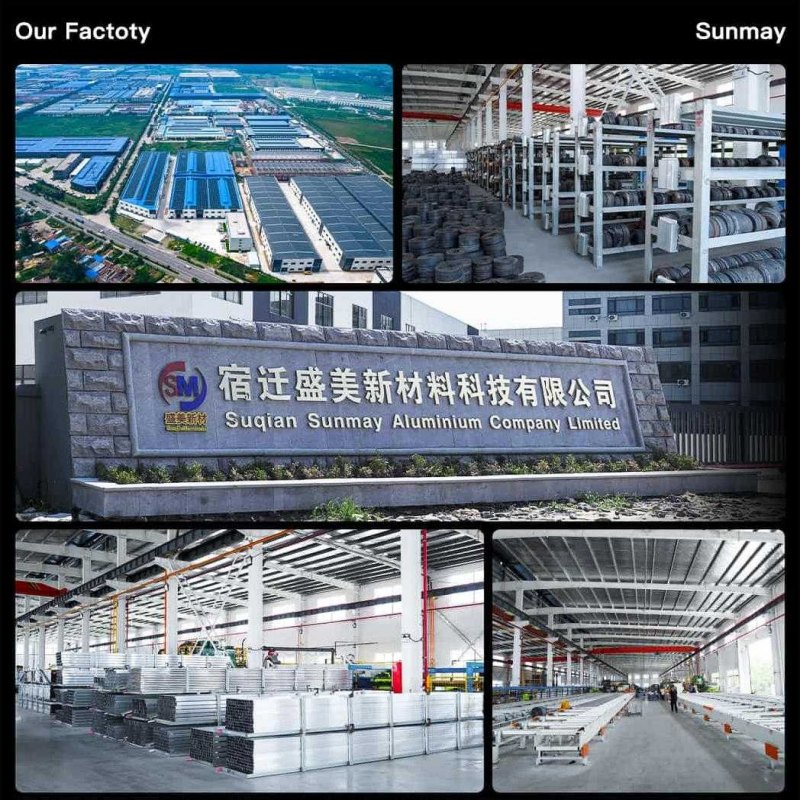
As an industry leader with 12 years of experience in the aluminum profile sector, Sunmayalu Aluminum has provided customized solutions to over 2,000 companies in 32 countries worldwide. We offer:

  • Full Industry Chain Advantage: With 20 imported extrusion production lines and an annual capacity of over 80,000 tons, we ensure full process control from raw materials to finished products, complying with ISO 9001:2015 international standards.

  • Intelligent Customization Capability: Utilizing CNC machining centers and AI simulation systems, we support 24-hour rapid drawing services, with customization accuracy up to ±0.1mm, catering to high-precision fields such as aerospace and semiconductors.

  • Comprehensive Service System: Offering a one-stop service for “design - production - installation,” with 7×24-hour technical support. The average delivery time for international clients is just 15 days.

  • Certified Quality Assurance: Our products are SGS and CE certified and have successfully supported iconic projects such as Tesla's Shanghai Gigafactory and JD.com's Asia No.1 Smart Warehouse.


FAQ

Q1: What is the difference between T-slot aluminum profiles and regular aluminum profiles?

A1: T-slot aluminum profiles have standardized slots that fit various connectors, making assembly more flexible. Regular aluminum profiles are mostly used in construction and decorative applications, with limited functionality.

Q2: Can aluminum profile frames support heavy equipment?

A2: Yes, by choosing the appropriate models like the 40 or 45-series profiles and using high-strength connectors, aluminum profiles can easily support industrial-grade loads.

Q3: Can aluminum profiles be used outdoors? Will they rust?

A3: T-slot aluminum profiles, anodized for corrosion resistance, are suitable for both indoor and outdoor environments and will not rust like steel. However, regular maintenance is recommended in extreme environments.

Q4: Do you offer customized sizes or machining services?

A4: Yes, we offer OEM customization for length, drilling, tapping, cutting corners, and other deep processing services to meet various project needs.

Q5: Can I get a sample for quality testing?

A5: Yes, feel free to contact Sunmayalu Aluminum. We offer free samples (shipping costs apply), so you can test the quality before making a decision.

Precision Large Cross-Section Aluminum Profiles: The Ideal Choice for High-Performance Structures

Precision large cross-section ultra-thin aluminum profiles for industrial applications

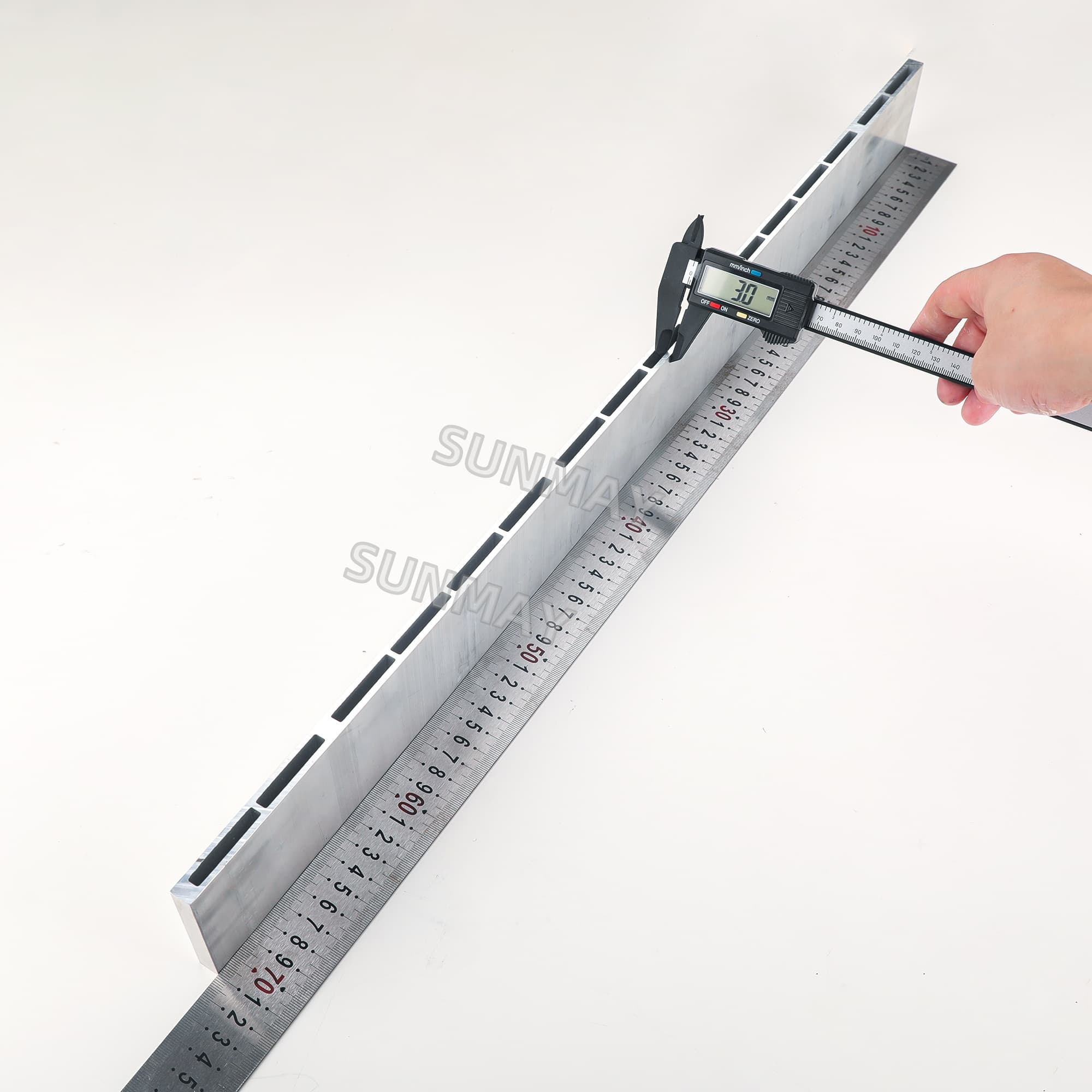
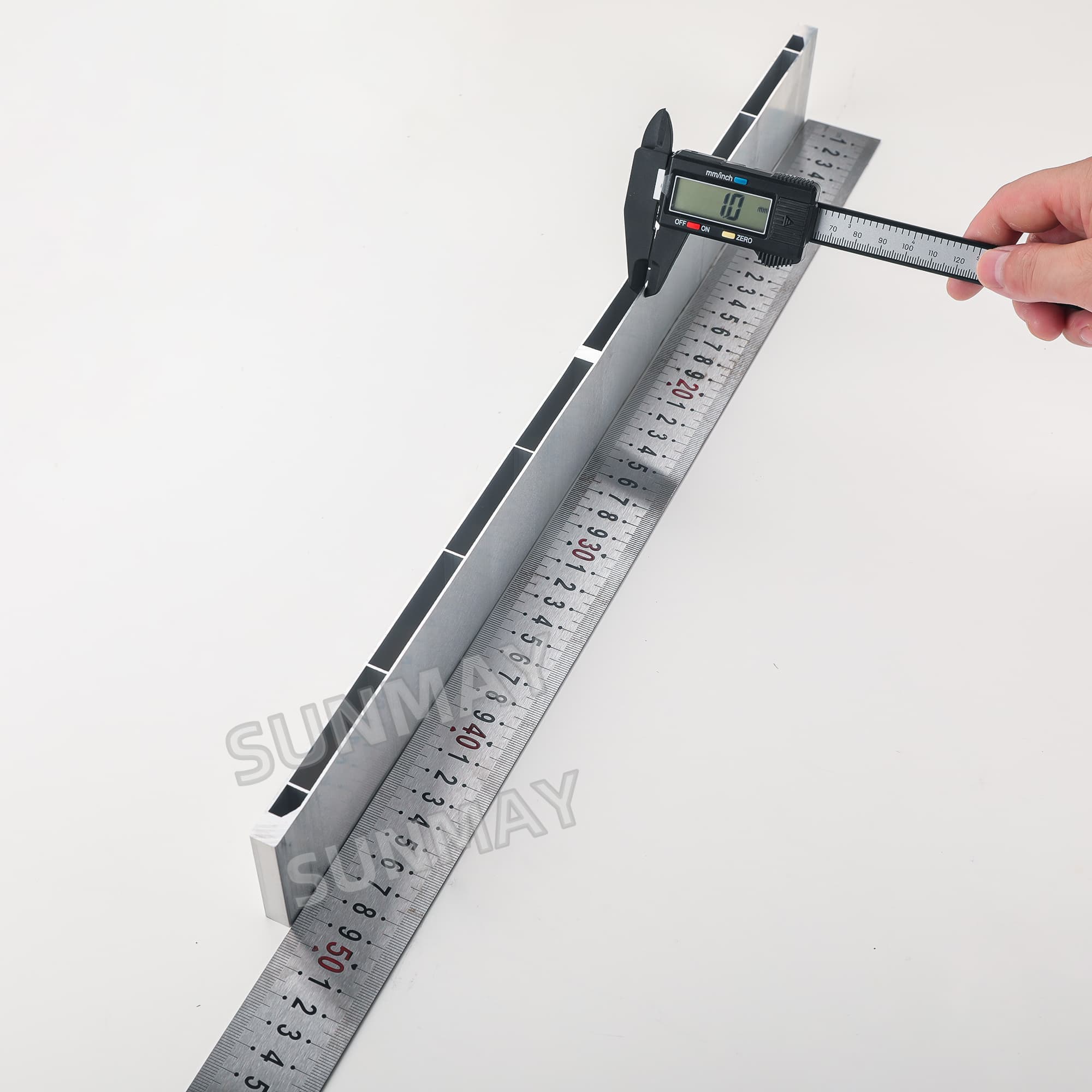
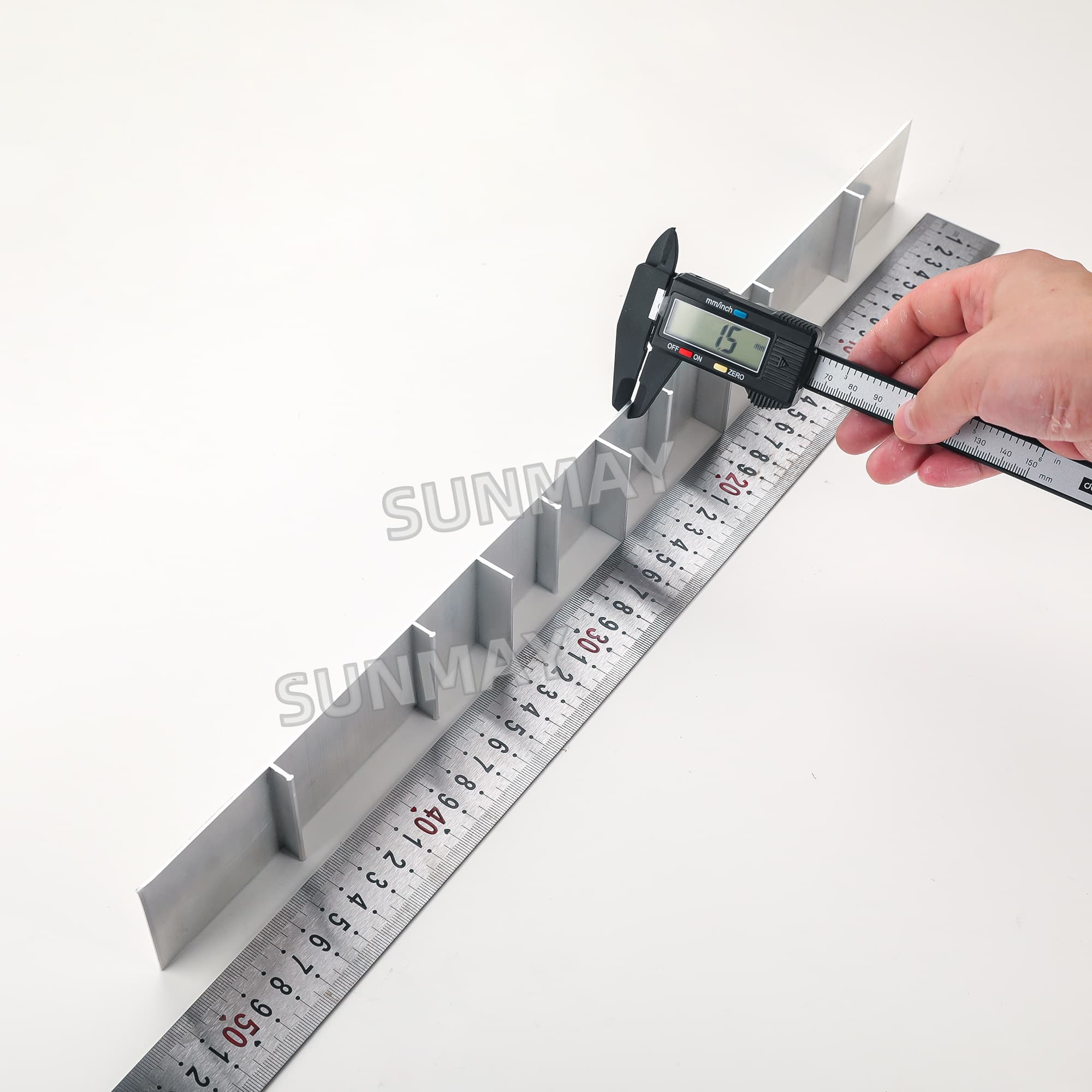
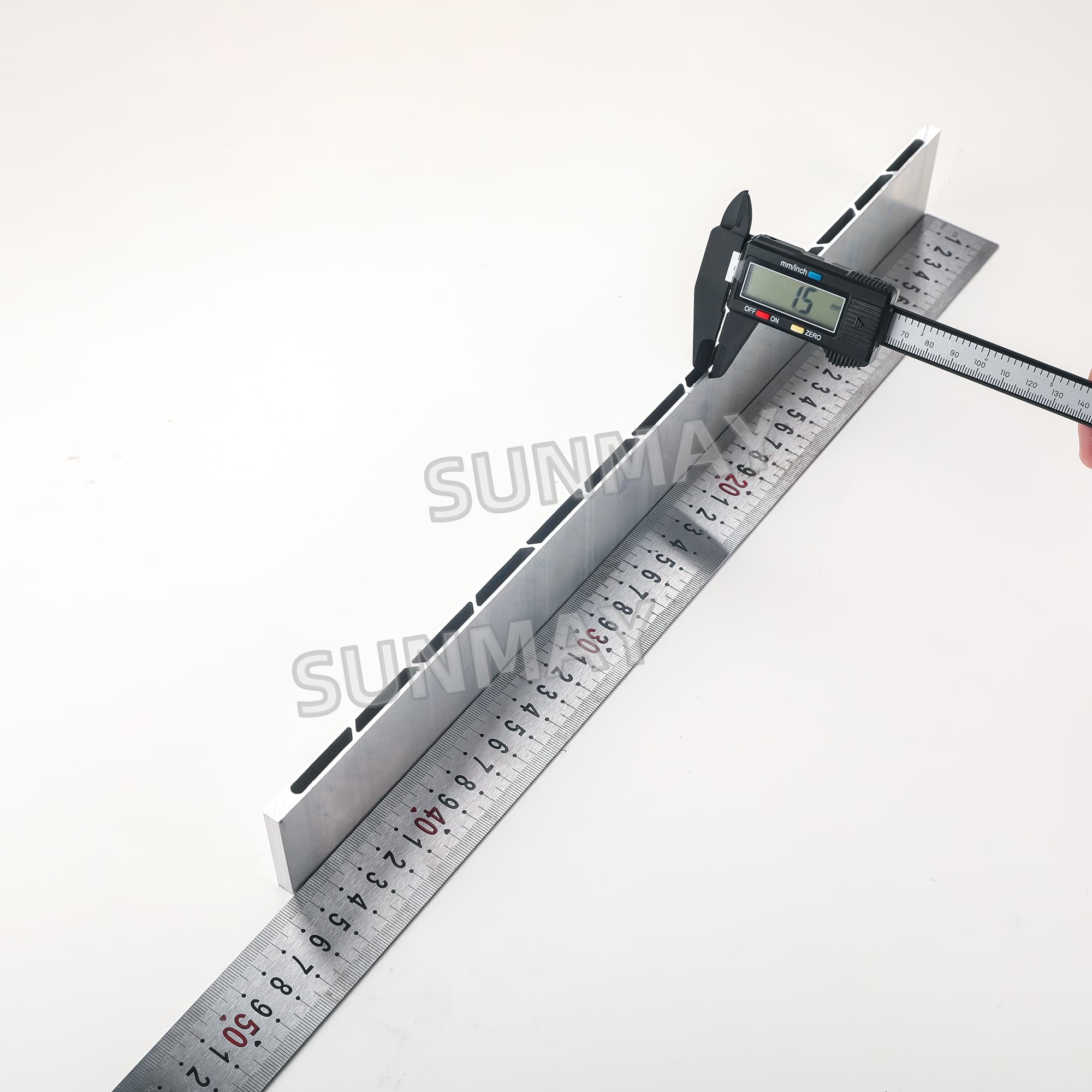
In the fields of modern industry and construction manufacturing, with the rapid advancement of technology and increasing performance demands, aluminum profiles have become a vital structural material that now face higher standards in performance, dimensional accuracy, and appearance. Against this backdrop, the precision large cross-section ultra-thin aluminum profile stands out with unique advantages, becoming a preferred solution for enterprises designing large-scale, high-strength, and lightweight structural components. This article explores the main advantages of this type of aluminum structure and explains why choosing a professional manufacturer like Sunmay Aluminium is key to achieving high-standard and high-efficiency production.


Precision Manufacturing Enables Complex Structures

Close-up of ultra-thin aluminum profile with high dimensional precision

Precision cross-section aluminum profiles are known for their dimensional stability, consistent shapes, and minimal tolerance deviations—qualities that meet the demanding requirements of complex structural design. Sunmay Aluminium adopts advanced forward extrusion technology that precisely controls temperature, pressure, and speed during the process, achieving structures with a maximum cross-section diameter of 700mm and a minimum wall thickness of just 0.25mm. In the production of battery trays for new energy vehicles, the ultra-thin aluminum profile structure offers excellent mechanical performance, ensuring stable battery support while fulfilling lightweight needs and reducing energy consumption. In the rail transit industry, its high precision ensures perfect component alignment, enhancing operational stability. Applications such as solar panel mounts and building curtain walls also benefit from this structure’s outstanding performance, ensuring long-term reliability.


Diverse Customization for Varied Demands

Cross-section of 6063 T6 aluminum profile for architectural decoration

Sunmay Aluminium offers a wide range of product options, including 6063 T6 industrial aluminum profiles, custom heat exchanger base plates, and wide-span ultra-thin aluminum profiles. The company supports customization based on drawings or samples, making it ideal for clients with specific dimensional requirements or strict standards for large cross-section aluminum profiles. These tailored services help businesses reduce material waste, lower assembly costs, and significantly shorten product development cycles, allowing faster response to market demands.


Premium Alloys Deliver Reliable Performance

Custom extruded aluminum profiles used for battery tray support structures

Sunmay mainly uses high-strength aluminum alloys such as 6063 T6, 6005, and 6082 in its cross-section aluminum profiles. 6063 T6 aluminum offers excellent extrudability and surface treatment, making it ideal for architectural and decorative use. 6005 aluminum provides high strength and weldability, suitable for load-bearing structures. 6082 aluminum excels in both strength and toughness, often used in aerospace and other high-end industries. These alloys, with their corrosion resistance, weldability, and mechanical strength, are ideal for demanding applications such as heavy-load and high-strength supports, ensuring consistent performance and product lifespan.


Surface Treatments That Enhance Appearance and Durability

Aluminum profiles with anodizing, brushing, and powder coating finishes

To meet both aesthetic and performance needs, Sunmay Aluminium provides various surface treatments for its large cross-section and ultra-thin aluminum profiles. Anodizing creates a dense oxide layer on the profile surface, improving decorative appeal, corrosion resistance, and wear resistance. Powder coating offers a wide range of color options with strong adhesion and weather resistance. Brushed finishes give aluminum a distinctive texture, often used in interior decoration. Polishing creates a mirror-like gloss for a premium look. Wood grain transfer printing allows aluminum to mimic wood aesthetics, offering a beautiful yet eco-friendly solution. These treatments ensure adaptability across indoor and outdoor environments.


Certified Quality You Can Trust

GB5237, EN755, EN12020, and TS16949 certificates

Sunmay products comply strictly with international and industry standards including GB5237, EN755, EN12020, and TS16949. From raw material inspection to production quality control and final product testing, every stage is meticulously monitored to ensure uniformity and reliability in every batch of cross-section aluminum profiles. For businesses seeking high-quality, high-performance aluminum structures, Sunmay’s certification system guarantees dependable quality.


Global Service Network and Export Expertise

Global Service Network and Export Expertise

Sunmay Aluminium’s products are exported to over 50 countries and regions, covering major industrial markets in Europe, the Americas, Africa, and Southeast Asia. In Europe, Sunmay has formed long-term partnerships with renowned enterprises through its high-quality products and excellent service. In the Americas, customized solutions tailored to local market needs have gained customer trust. In Southeast Asia, efficient logistics and prompt after-sales support have helped secure market presence. With years of export experience, Sunmay can support both long-term industrial clients and one-time project needs with efficient service and global logistics solutions.


The Value of Choosing Precision Aluminum Structures and Sunmay

Choosing Precision Aluminum Structures and Sunmay

In today’s pursuit of precision and performance, selecting a trusted aluminum profile supplier is crucial. Precision large cross-section ultra-thin aluminum profiles not only improve structural strength and service life but also offer significant benefits in weight reduction and cost savings. With strong technical capabilities, a wide range of products, strict quality control, and internationally compliant systems, Sunmay Aluminium is a trusted partner for businesses worldwide.


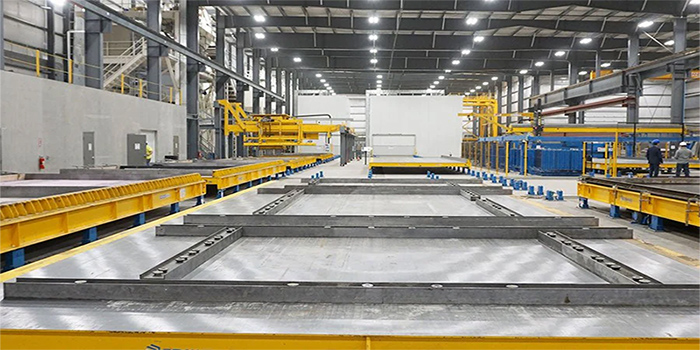
Magnetic formwork system


In the production process of precast concrete components, precision control has always been a key problem. Traditional formwork systems have many problems in terms of dimensional deviation, component consistency and rework rate. Especially in mass production, these problems will be further amplified, seriously affecting production efficiency and product quality. However, with the emergence of magnetic formwork systems, this situation has been significantly improved. With its unique design and function, the magnetic formwork system has brought unprecedented precision improvement to precast concrete production and has become the "new favorite" of the construction industry.


Precise positioning and dimensional deviation control

The Precast Concrete Formwork Magnet uses strong magnetic force to firmly fix the formwork on the prefabricated platform. This magnetic connection method can ensure that the formwork remains stable during the concrete pouring process and will not be displaced by external force or vibration. Compared with traditional bolt or welding fixing methods, the installation and removal of magnetic formwork is simpler and faster, and at the same time avoids dimensional deviation caused by loose installation or welding deformation. In actual operation, workers can quickly adjust the position and angle of the formwork according to the design requirements of the prefabricated components to achieve precise positioning, thereby effectively controlling the dimensional deviation of the components and enabling the dimensional accuracy of the prefabricated components to reach higher standards.


Improved component consistency

When mass-producing precast concrete components, it is crucial to maintain component consistency. The Precast Concrete Magnetic Formwork, through its modular design and standardized magnetic connection parts, can ensure that the formwork system of each precast component has the same structure and size. This means that during the production process, each component can be cast and formed under the same formwork conditions, which greatly improves the consistency of the components. In addition, the magnetic formwork system can also flexibly combine and adjust the formwork modules according to the different shapes and sizes of precast components, achieving diversified production while maintaining high quality consistency.


Reduce rework rate

Since the magnetic formwork system can effectively control dimensional deviations and improve component consistency, the component failure rate caused by formwork problems in precast concrete production has been greatly reduced. During the use of traditional formwork systems, problems such as formwork deformation and loose connections are prone to occur. These problems often lead to quality problems such as cracks and dimensional discrepancies in precast components, which require rework. The magnetic formwork system reduces the occurrence of these problems, reduces the rework rate, and improves production efficiency through its stable magnetic connection and precise positioning function. In mass production, this not only saves time and cost, but also improves the market competitiveness of enterprises.


Ideal for mass production

Magnetic formwork systems are particularly suitable for mass production of precast concrete components. In mass production, production efficiency and product quality stability are the two aspects that companies pay most attention to. The rapid installation and removal function of the magnetic formwork system can significantly shorten the replacement time of the formwork and improve production efficiency. At the same time, its high precision and high consistency can ensure that each precast component meets the quality standards, reducing production interruptions and rework caused by quality problems. In addition, the magnetic formwork system has a long service life and can be reused, which reduces the replacement cost of the formwork. These advantages make the magnetic formwork system extremely cost-effective in mass precast concrete production.

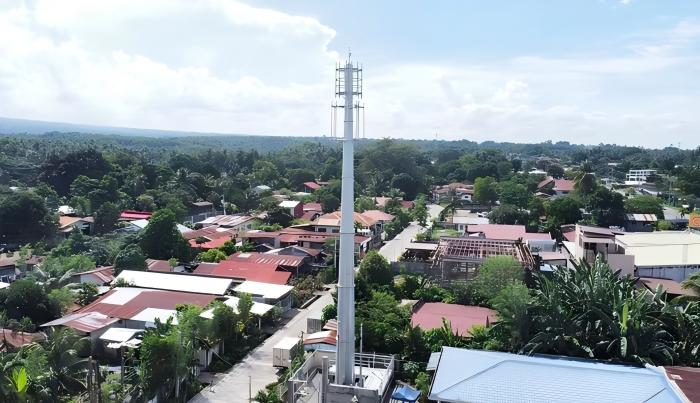
  • Cities often prefer monopole telecom towers for a variety of reasons, especially in the context of the 5G era, where the demand for reliable and high-speed wireless communication infrastructure is increasing rapidly. Here are some key factors that contribute to the preference for monopole telecom towers in urban environments and their significance in the 5G era:
  •  
  • Aesthetics and Design:
  • Sleek and Unobtrusive Design: Monopole towers have a slim and unobtrusive profile compared to traditional lattice towers or guyed masts, making them visually appealing and less disruptive to the urban landscape.

  • Customizable Appearance: Monopoles can be designed with various finishes, colors, and concealment options to blend in with the surrounding environment, including disguising them as flagpoles, trees, or architectural features for improved aesthetics.

  •  
  • Space Efficiency and Flexibility:
  • Vertical Space Utilization: Monopole towers require a smaller footprint and can be installed in areas with limited space, such as rooftops, parking lots, or alongside roads, making them suitable for dense urban environments.

  • Easy Installation: Monopoles are easier and quicker to install compared to lattice towers or guyed masts, allowing for expedited deployment of communication infrastructure in urban areas where speed is crucial.


  • monopole telecom tower

  • Functionality and Performance in the 5G Era:
  • Support for 5G Technology: Monopole towers are well-suited for accommodating 5G antennas and small cells, which require a dense network of antennas for high-speed connectivity, low latency, and improved coverage in urban settings.

  • Improved Signal Propagation: The single vertical structure of monopole towers can enhance signal propagation and coverage for 5G networks, providing better connectivity and network performance in densely populated areas.

  •  
  • Regulatory and Community Considerations:
  • Compliance with Regulations: Monopole towers often comply with local zoning and regulatory requirements for height restrictions and aesthetics in urban areas, facilitating the approval process for tower installations.

  • Community Acceptance: The aesthetic appeal and compact design of monopole towers can lead to greater community acceptance and support for the deployment of communication infrastructure, reducing potential opposition from residents or local authorities.


  • angle steel antenna tower

  • Integration of Smart Technologies:
  • Smart Infrastructure Integration: Monopole towers can be equipped with smart technologies, such as IoT sensors, environmental monitoring devices, and energy-efficient features, to create a connected and sustainable urban environment.
  •  
  • Conclusion:
  • In the 5G era, monopole telecom towers offer a balance between functionality, aesthetics, and efficiency, making them a preferred choice for cities seeking to enhance their communication infrastructure while maintaining the visual appeal of their urban landscapes. By leveraging the advantages of monopole towers, cities can support the rapid deployment of 5G technology, improve connectivity, and create a modern and sustainable urban environment that meets the evolving needs of residents and businesses.


Learn more at www.alttower.com


Contact Us


telecom tower supplier

  • Designing the antenna load on a telecom palm tree tower involves analyzing the structural capacity of the tower to support the antennas, transmitters, and associated equipment mounted on it. Here is an overview of the analysis involved in the antenna load design for a telecom palm tree tower:

  • Antenna Load Analysis for Telecom Palm Tree Tower:
  • Antenna Weight Calculation:

    • Determine the total weight of the antennas, transmitters, coaxial cables, and other equipment that will be mounted on the tower.
    • Consider the weight distribution across the tower and the specific loads imposed by each component.

    • telecom palm tree monopole

  • Wind Load Calculation:

    • Calculate the wind loads that the antennas and other equipment will be subjected to based on the local wind conditions, exposure category, and terrain characteristics.
    • Use appropriate wind load standards and formulas to determine the wind force acting on the tower and its components.
    •  
  • Ice Load Consideration:

    • If the tower is located in a region prone to icing conditions, account for the additional load imposed by ice accumulation on the antennas and equipment.
    • Determine the expected ice thickness and density to calculate the ice load on the tower accurately.
    •  
  • Dynamic Load Analysis:

    • Consider dynamic loads such as vibrations, oscillations, and resonant frequencies that may affect the tower structure due to the presence of antennas and moving equipment.
    • Evaluate the impact of dynamic loads on the tower's stability and structural integrity.
    •  
  • Structural Analysis:

    • Perform a structural analysis of the palm tree tower to assess its capacity to withstand the calculated antenna loads, wind forces, and other environmental factors.
    • Check the tower's members, connections, and foundation for stresses, deflections, and buckling under load.

  • bionic telecom palm tree tower
  • Load Distribution:

    • Ensure that the antenna loads are distributed evenly across the tower structure to prevent localized stress concentrations and potential structural failures.
    • Design mounting brackets, support arms, and other components to distribute the loads effectively.
    •  
  • Safety Factors:

    • Apply appropriate safety factors to the calculated loads to account for uncertainties, variations in loading conditions, material properties, and other factors.
    • Ensure that the tower design provides a sufficient margin of safety to prevent overloading and structural failure.
    •  
  • Compliance with Standards:

    • Verify that the antenna load design complies with relevant industry standards, building codes, and engineering guidelines to ensure the structural integrity and safety of the tower.

  • By conducting a thorough analysis of the antenna loads on the telecom palm tree tower, engineers can ensure that the tower is designed to safely and efficiently support the antennas and associated equipment, withstand environmental forces, and meet the performance requirements for reliable telecommunications operations.


Learn more at www.alttower.com


Contact Us


palm tree telecom tower

keyboard_arrow_up