The Rise of Monopole Towers: Can They Replace Traditional Angle Steel Towers?

In the rapidly evolving world of telecommunications infrastructure, the debate over tower design has intensified. Two dominant players—angle steel towers and monopole towers—are often pitted against each other. With the surge in 5G deployment and urban densification, the sleek, minimalist monopole tower is gaining traction. But does this mean the end of the rugged, tried-and-tested angle steel tower? Let’s dive into the technical nuances, industry trends, and lingering controversies.

monopole cell tower telecom


1. The Anatomy of Two Titans

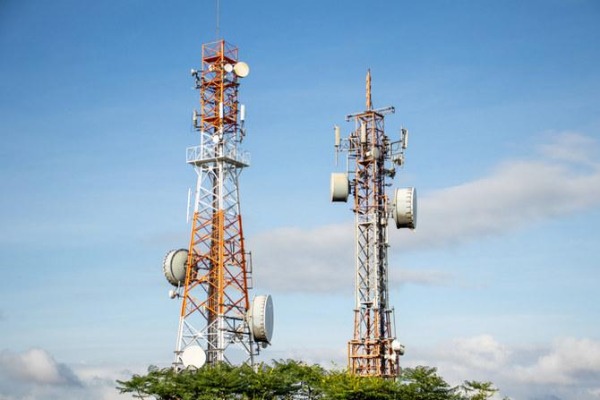
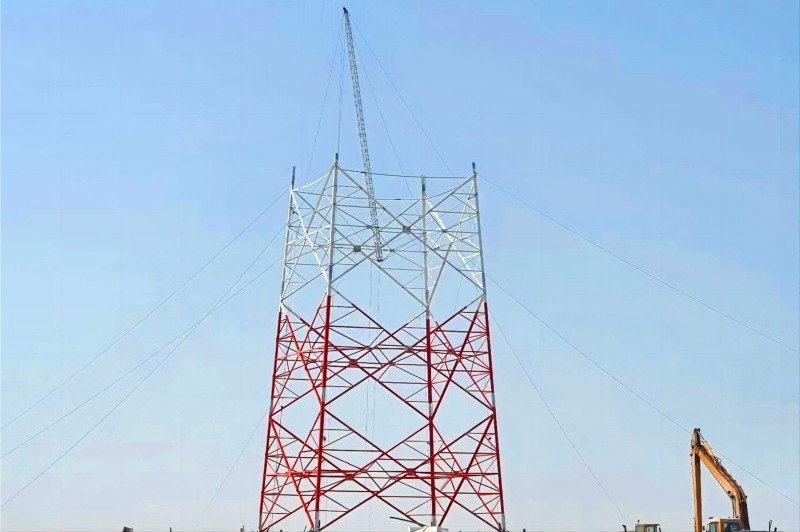
  • Angle Steel Towers: Built from lattice-like steel frameworks bolted together, these towers are known for their exceptional load-bearing capacity and adaptability to harsh environments. Their modular design allows for easy height adjustments and antenna additions.

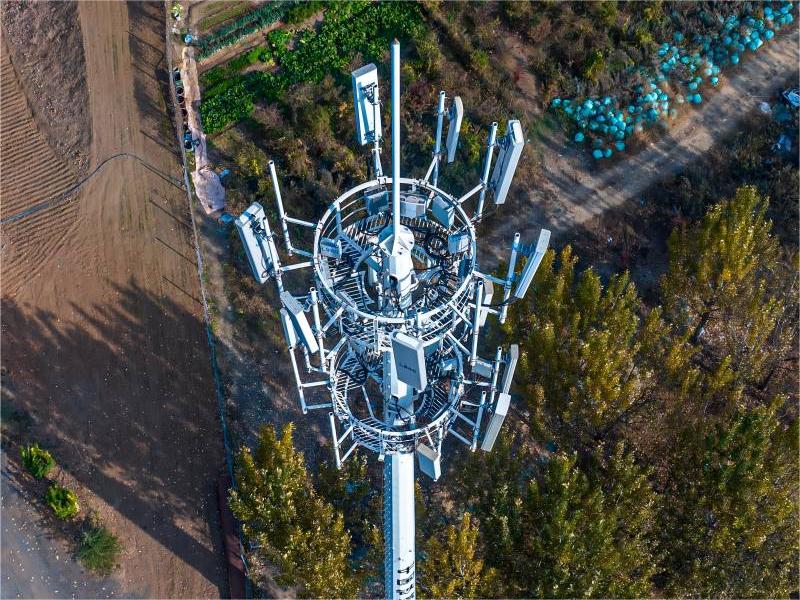
  • Monopole Towers: A single, tapered steel pole with internal or external antenna mounts. Their streamlined appearance makes them ideal for urban landscapes, while their compact footprint reduces land-use conflicts.

2. Why Monopoles Are Gaining Ground

The shift toward monopoles is driven by three key factors:

  • Aesthetic Demands: Cities prioritize visual harmony. Monopoles blend into skylines, avoiding the “industrial” look of lattice towers.

  • 5G Readiness: With 5G requiring dense networks of small cells, monopoles offer easier integration of multiple antennas and faster deployment.

  • Lower Maintenance: Fewer components mean reduced corrosion risks and simpler inspections—a win for operators in hard-to-reach areas.

3. The Unshakable Strengths of Angle Steel Towers

Despite the monopole hype, angle steel towers remain irreplaceable in specific scenarios:

  • High-Capacity Loads: They support heavier antennas, microwave dishes, and future upgrades, critical for rural or mountainous regions.

  • Cost-Effectiveness: For large-scale projects with fewer space constraints, their lower material costs and scalability still dominate.

  • Extreme Conditions: Their open lattice design withstands high winds and seismic activity better than solid monopoles.

4. The Controversy: Is Full Replacement Possible?

Industry experts are divided:

  • Pro-Monopole Advocates argue that advancements in materials (e.g., high-strength steel) and modular monopole designs now rival traditional towers in durability and flexibility.

  • Angle Steel Loyalists counter that monopoles face inherent limitations in height (rarely exceeding 50 meters) and load capacity, making them unfit for broadcast towers or remote mega-sites.

5. The Future: Coexistence, Not Competition

The verdict? Monopole towers will likely dominate urban and suburban 5G rollouts, while angle steel towers retain their stronghold in high-load, rural, or extreme environments. Innovations like hybrid designs (e.g., monopoles with lattice extensions) may bridge the gap.

As 5G evolves and 6G looms, the “tower war” will hinge on balancing aesthetics, functionality, and sustainability. One thing is clear: both structures will remain vital pillars of global connectivity.

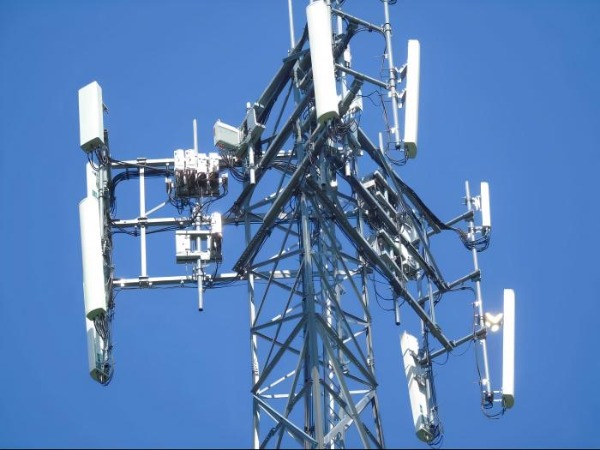
angle steel telecom tower


Learn more at www.alttower.com


Contact Us


telecom tower supplier

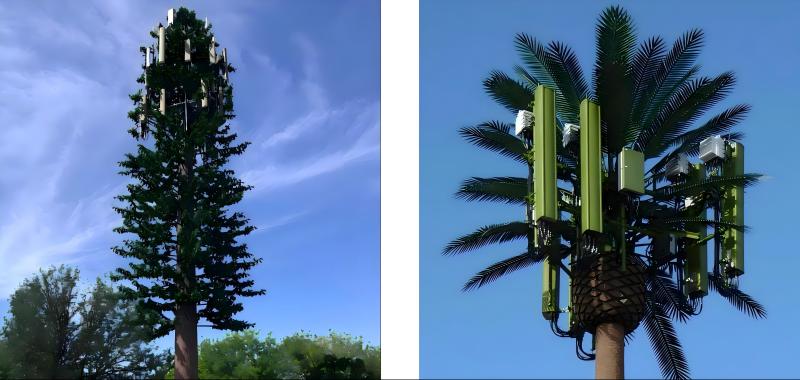
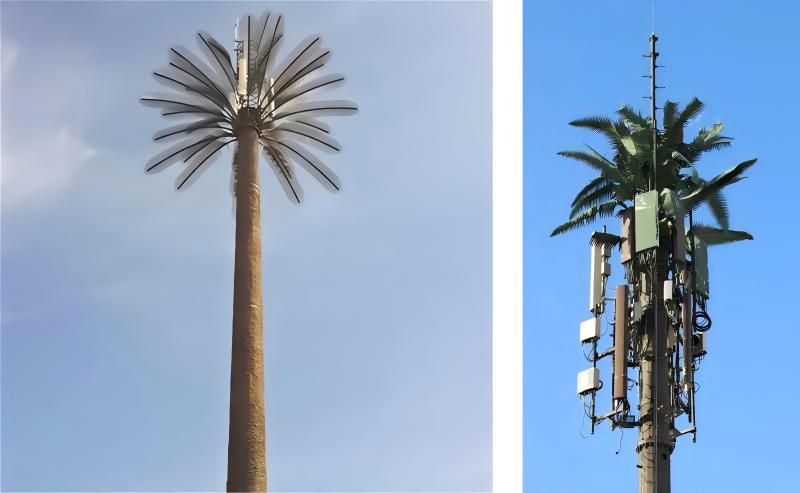
In the quest to balance connectivity with aesthetics, camouflage tree towers—mimicking pine trees, palm trees, or other flora—have emerged as a popular solution for blending telecom infrastructure into natural and urban landscapes. But their visually appealing designs come at a steep price: they often cost three times more than standard monopole towers. Are these "green giants" truly worth the investment, or is their beauty just skin-deep? Let’s break down the numbers, hidden benefits, and long-term trade-offs.


bionic tree telecom tower

1. The Price Tag: Why Camouflage Towers Cost So Much

  • The premium pricing of camouflage towers stems from three key factors:
  • Complex Manufacturing: Customized designs (e.g., artificial bark textures, lifelike branches) require advanced 3D modeling, molds, and eco-friendly composite materials.

  • Labor-Intensive Installation: Assembling and painting faux foliage on-site adds time and skilled labor costs.

  • Material Durability: To withstand weather, UV-resistant coatings and reinforced steel cores drive up material expenses.

  • By the Numbers:
  • A standard 30-meter monopole: ~$100,000.

  • A comparable "pine tree" camouflage tower: ~$300,000.

  • Annual maintenance for monopoles: ~5% of initial cost.

  • Camouflage towers: 10–15% (due to foliage repairs and paint touch-ups).


  • 2. The Hidden Value: Beyond Aesthetics
  • While the upfront cost is staggering, camouflage towers offer intangible benefits that monopoles cannot match:
  • Faster Regulatory Approval: In scenic areas (e.g., national parks, historic cities), disguised towers face fewer objections from planners and residents.

Example: In Norway’s fjord regions, pine tree towers reduced permit approval times by 60%.

  • Reduced "NIMBY" Resistance: Communities rarely protest towers that look like natural elements.

  • Brand Reputation: Telecom operators using eco-friendly designs gain ESG (Environmental, Social, Governance) credibility.


  • 3. When Do Camouflage Towers Make Financial Sense?
  • Three scenarios justify their premium cost:
  • High-Value Locations: Tourist hotspots (e.g., Dubai’s palm tree towers) or wealthy suburbs where visual pollution impacts property values.

  • Strict Zoning Laws: Regions like France’s Provence mandate disguised towers to preserve cultural landscapes.

  • Long-Term Savings: Avoiding legal battles or project delays can offset initial costs. A delayed monopole project in California incurred $500,000 in legal fees—enough to fund a camouflage tower.


  • 4. The Controversy: Is the Premium Justified?
  • Critics argue:
  • Short Lifespan: Artificial foliage degrades faster than steel, requiring frequent replacements.

  • Limited Functionality: Heavy foliage can obstruct antenna signals, forcing compromises on coverage.

  • Greenwashing Risks: A 2023 study found that 70% of camouflage towers use non-recyclable plastics, undermining their "eco-friendly" claims.


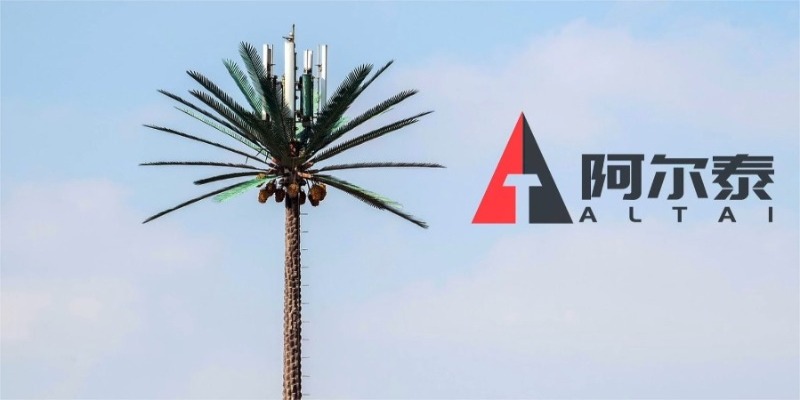
telecom palm tree tower


  • 5. Case Study: Palm Tree Towers in Dubai vs. Pine Towers in Scandinavia
  • Dubai’s Iconic Palm Towers:

    • Cost: $350,000 per tower.

    • Outcome: Blended seamlessly into luxury resorts, boosting tourism operator partnerships.

  • Norway’s Pine Camouflage:

    • Cost: $280,000 per tower.

    • Outcome: Reduced public opposition in UNESCO-protected fjord areas, enabling 5G rollout in critical zones.


  • 6. The Future: Will Costs Drop?
  • Emerging technologies may narrow the price gap:
  • 3D-Printed Foliage: Startups like StealthCell claim to cut manufacturing costs by 40%.

  • Modular Designs: Reusable "branch" attachments could simplify upgrades.

  • Solar Integration: Camouflage towers with built-in solar panels (disguised as leaves) may offset energy costs.


  • Conclusion: Beauty with a Purpose

    Camouflage tree towers are not for every project—their value shines in contexts where aesthetics, community sentiment, or regulatory hurdles outweigh pure economics. For remote industrial zones? Stick with monopoles. But for a luxury resort or a protected natural landscape? The "beautiful cost" might just pay for itself in social license and long-term goodwill. 
  •  

    Learn more at www.alttower.com


    Contact Us


    palm tree telecom tower

In an era where sleek monopole towers are increasingly favored for urban 5G deployments, angle steel communication towers continue to hold their ground as the undisputed champions of high-load environments. From remote mountaintops to hurricane-prone coastal regions, their robust design and unparalleled engineering make them irreplaceable. Let's explore why these lattice giants remain the gold standard for extreme conditions.

1. Wind Resistance: Defying Nature's Fury

Angle steel towers are engineered to thrive in high-wind zones, thanks to their open-lattice structure. Unlike solid monopole towers, which act as large wind-catching surfaces, the lattice framework allows wind to pass through, drastically reducing wind load pressure.

Design Advantage: Triangular steel segments distribute stress evenly, preventing localized failures.

Case in Point: In typhoon-prone areas like Southeast Asia, angle steel towers regularly withstand winds exceeding 200 km/h, while monopoles often require costly reinforcements or risk buckling.


angle steel telecom tower


2. Earthquake Resilience: Flexibility Saves the Day

The modular, bolted connections of angle steel towers provide built-in flexibility, a critical feature for seismic zones. During earthquakes, the tower's joints absorb and dissipate energy, minimizing structural damage.

Monopole Limitations: Solid monopole towers, while sturdy, lack this “give,” making them more prone to catastrophic failure under intense lateral shaking.

Proven Performance: After the 2011 Tōhoku earthquake in Japan, angle steel towers in affected regions showed minimal deformation compared to other infrastructure.

3. Heavy-Load Capacity: Built to Carry More

High-load scenarios—such as mounting multiple large antennas, microwave relays, or future 6G arrays—demand towers with exceptional strength. Angle steel towers excel here due to:

Scalable Frameworks: Additional sections and cross-bracings can be bolted on to support heavier equipment.

Material Efficiency: The lattice design uses less steel per unit height than monopoles while maintaining higher load thresholds.

Example: Broadcast towers requiring massive UHF/VHF antennas (weighing 5+ tons) almost exclusively rely on angle steel designs.

4. Pushing Engineering Limits: Where Monopoles Can't Compete

  • Angle steel towers dominate applications requiring extreme height or unconventional configurations:
  • Sky-High Reach: They routinely exceed 150 meters (e.g., CN Tower's communications mast), whereas monopoles rarely surpass 50 meters without stability compromises.

  • Custom Shapes: Lattice structures can be tailored for unique sites, such as sloping terrain or multi-operator “ tower farms.”

  • 5. Beyond Structure: Cost, Maintenance, and Longevity
  • While monopoles win in urban aesthetics, angle steel towers offer hidden advantages:
  • Lower Lifetime Costs: Minimal maintenance (e.g., repainting every 20+ years vs. monopoles' 10–15-year cycles).

  • Ease of Inspection: Open frameworks allow visual checks for corrosion or damage without specialized equipment.

  • Adaptability: Retrofitting for new technologies (e.g., adding IoT sensors) is simpler with modular designs.


angle steel antenna tower


  • The Verdict: No Substitute for Steel's Might
  • Despite the rise of monopoles, angle steel communication towers remain unmatched in high-load, high-risk environments. Their blend of wind/earthquake resilience, heavy-load adaptability, and engineering versatility ensures they'll continue to anchor critical infrastructure for decades. As one industry engineer put it: “Monopoles are the smartphones of towers—sleek and convenient. But when the storm hits, you'll want the ‘old-school’ angle steel in your corner.”


Learn more at www.alttower.com


Contact Us

keyboard_arrow_up