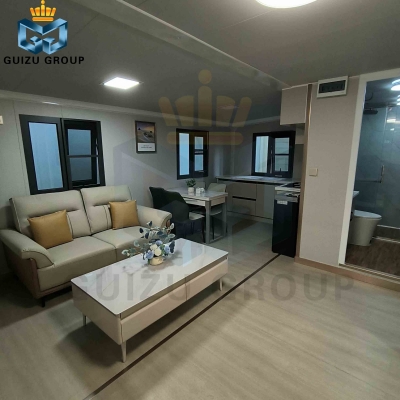
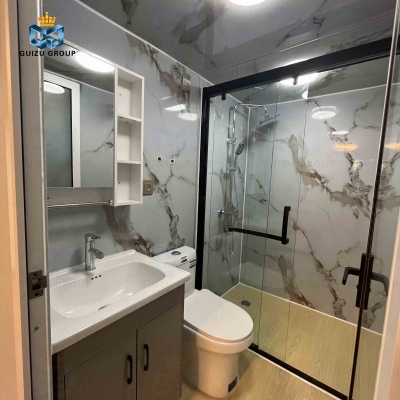
A prefab container home uses old shipping containers as its base. Builders make these homes to save energy. They add good insulation and systems to keep you comfortable. Many container homes come with utilities and appliances already installed. Some even have solar panels for off-grid living. You can pick a tiny home if you want to move it easily. You can also choose bigger modular layouts for more space. These homes are built fast, cost less, and have flexible design features.
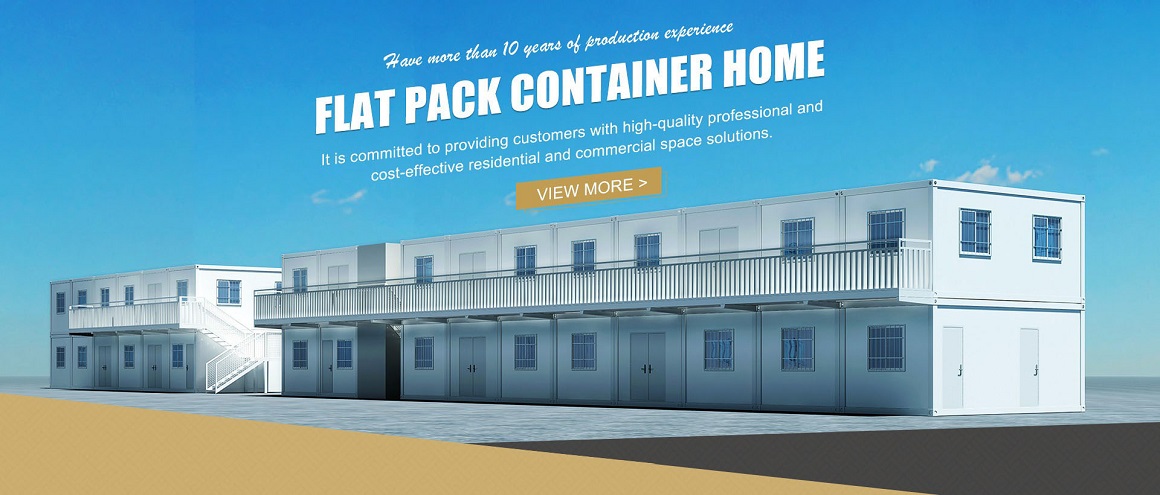
 

China prefab container home


Key Takeaways

  • Prefab container homes go up quickly and cost less. They use strong steel containers and are made in factories. Good planning and permits help you follow local rules. They also keep your home safe. Strong insulation and climate control keep homes comfy all year. You can change your home’s layout and add green features. You can also use off-grid utilities like solar panels. Regular maintenance keeps your home safe from rust and weather. A solid foundation also helps protect it from pests.


Prefab Container Benefits

Durability and Materials

Prefab container homes are very strong. They use corten steel, which is made for tough jobs. This steel can handle bad weather and heavy things. The steel shell keeps the home safe from storms. When builders add windows or doors, they make the frame stronger. Good insulation and special coatings stop rust and damage. You need to seal and treat the home for rust often. This helps your home last longer. The strong materials are a big reason people like these homes.


Speed and Efficiency

Prefab container homes are built quickly. Most work happens inside a factory. While your home is built, workers can get your land ready. This means bad weather does not slow things down. You can move in much sooner than with a normal house.


Construction Type

Typical Timeframe

Example

Prefab (Off-site)

4 to 8 weeks

Home by Kao Prefab: as little as 4 weeks

Prefab (Off-site)

6 to 8 weeks

Homes modular home: 6-8 weeks

Prefab (Off-site)

~6 to 8 weeks

Homes prefab: as little as 8 weeks

On-site

9 to 12 months

Homes on-site built: up to 12 months

Prefab container homes can be finished in just weeks. Regular homes can take almost a year to build. This fast building saves money and time.


Sustainability

Prefab container homes are good for the earth. They use old containers that might be thrown away. This means less waste and fewer new materials are needed. Many people put solar panels and more insulation on their homes.

  • You reuse strong containers, so you make less trash and save materials.

  • These homes use less energy for lights and heat.

  • Heating and cooling a container home makes less CO2 than a normal house.

  • Using corten steel helps the planet and supports green building.

Prefab container homes save money and help the environment. They are good for your budget and for nature.


Shipping Container Home Construction


Planning and Permits

Planning is very important before you build a shipping container home. You need to check the rules in your area first. Every city or county has different building rules. Some places let you build container homes, but some do not. You must get the right permits for your project. These permits make sure your home is safe and follows the rules.

Tip: Talk to your local building office early. This can help you avoid problems and waiting.

Getting permits can be hard in some places. Some areas have strict rules about what you can build. You might need to show your plans to the city. Some places want proof your shipping container home will be safe. Finding a good contractor can also take time. Not every builder knows how to work with containers. You should find a contractor who has built container homes before.


Foundation and Site Prep

A strong foundation keeps your shipping container home safe. The best foundation depends on your land and weather. Here is a table to help you choose:

Foundation Type

Benefits Relevant to Climate/Site Conditions

Considerations for Climate/Site Conditions

Concrete Slab

Provides thermal insulation, stable and durable base; good for temperature extremes

Higher cost; requires proper drainage to avoid water accumulation

Pier Foundations

Allows ventilation beneath home, suitable for uneven/sloped terrain; cost-effective

May need extra bracing in high wind/seismic areas; insulation needed beneath home

Riser Foundations

Elevates home to protect from flooding and pests; enhances air circulation; cost-effective

Requires steps/ramps; needs proper anchoring for stability

Gravel Pad

Excellent drainage, suitable for wet climates; cost-effective; flexible for soil types

May need re-leveling; less stable for larger homes

Hybrid Foundations

Customizable to site conditions; addresses uneven terrain and drainage; enhanced stability

More complex design and installation; potentially higher cost


You can use concrete slabs, piers, risers, gravel pads, or hybrid systems. Concrete slabs are good for heavy or big homes. Piers and risers help air move under the home and keep out water. Helical piles hold up heavy homes and work in tough dirt. Always attach your container to the foundation with welding or twist locks. This keeps your home safe from wind and earthquakes.

Getting the land ready for a shipping container home is fast. You only need to make the foundation before the container comes. Most of the building happens somewhere else. The work at your site can take just hours or days. Regular homes need much more time for site work and building.


Container Selection

Picking the right container is important for your home. You should look at the size first. Most containers are 20 or 40 feet long and 8 feet wide. High cube containers give you more height, so your home feels bigger.

Check the condition of the container. One-trip containers have less damage and rust. Always look for dents, dings, or rust spots. These problems can make your home weaker or look bad. The container you pick will change your design, insulation, and space. Good containers make building easier and safer.


Build a Shipping Container Home: Steps

You can follow simple steps to build a shipping container home. Here is a list to help you:

  1. Get all permits and make sure your plans follow the rules.

  2. Buy a container that fits your needs and budget.

  3. Get your land and foundation ready for the container.

  4. Put the container on the foundation with the right tools.

  5. Cut holes for doors and windows.

  6. Install doors, windows, and frames to make rooms.

  7. Finish any changes to keep the container strong.

  8. Add plumbing and electrical systems inside or under the container.

  9. Put in insulation and climate control to keep your home comfy.

  10. Paint, add floors, and finish the outside and yard.

  11. Get a final inspection to make sure your home follows the rules.


You will need to change the container in some ways. You must cut holes for windows and doors. You will add insulation to keep your home warm or cool. You will put in plumbing, wires, and HVAC systems. Do not cut too much steel, or the container could get weak. Always plan your changes carefully.

Turning your shipping container into a home takes good planning and the right steps. You must follow all rules and use the best materials. Building off-site saves time and avoids bad weather. When you build a shipping container home, you get a strong, modern, and flexible place to live.

Home Features
container office malaysia

Insulation and Climate Control

You need strong insulation to keep your container home comfy all year. Expanded foam insulation sticks to the walls and blocks heat or cold. Blanket insulation, like fiberglass or mineral wool, fits inside wall frames. High R-value insulation keeps you warm in winter and cool in summer. Many people put insulation outside the container to stop condensation and keep the metal dry. If you insulate well, you avoid mold and rust. Good insulation makes living in a container home much easier, no matter where you live.

Tip: Try a green roof or reflective coating to help with climate control, but always use good insulation as your main protection.


Utilities and Off-Grid Options

Modern container homes have many utilities for daily life. Solar panels on the roof give you power even far from the city. Mini-split heat pumps help with heating and cooling and use less energy. For water, you can collect rain or use water-saving fixtures. Many homes use composting toilets and graywater systems to save water and handle waste. These features let you live off-grid and lower your bills. You also get fresh air from windows, vents, and fans, which keeps your home healthy.

  • Solar panels and batteries for power

  • Mini-split heat pumps for heating and cooling

  • Water-saving plumbing and rainwater harvesting

  • Composting toilets and graywater recycling

  • Natural and mechanical ventilation


Safety and Maintenance

You must keep your container home safe and strong for many years. Start with a solid foundation to stop shifting or settling. Use protective paint outside to fight rust. Check your home often for leaks, rust, or pests. Clean the outside to remove dirt and keep the metal in good shape. Watch the roof for damage and fix problems fast. Seal any holes to keep out bugs. Good insulation and ventilation help stop moisture, mold, and rust. These steps protect your home and make living in a container home safe and easy.

Note: Regular checks and quick repairs help your home last for many years.


Layout Options

Single vs. Multi-Container

You can pick a single-container or multi-container layout. A single-container home is small and easy to move. You need to use smart storage and furniture that does more than one job. This helps you use every bit of space. Tiny homes are good if you want to move often. Multi-container layouts give you more room to live. You can join two or more containers for bigger spaces. This lets you have extra bedrooms or even a deck. Some families use three containers for a big home with many choices. The layout you pick changes how much space you get and how you use it.


Open-Concept and Room Divisions

You can choose an open-concept or split your home into rooms. Open-concept layouts make your home feel larger. You get space for living, cooking, and eating in one area. This is helpful because containers are narrow inside. If you put two containers next to each other, you get a wider kitchen and living room. Divided rooms give you more privacy and keep noise down. You can use L-shaped or U-shaped layouts for different zones. Some people put bedrooms in one container and living spaces in another. This helps you keep things organized and have quiet spots.

Tip: Big windows and sliding doors bring in sunlight and connect your home to the outside.


Customization and Add-Ons

You can change your container home to fit what you want. Many people like open floor plans, modular layouts, and nature features like living walls or big windows. You can add decks, green roofs, or shared gardens for a community feel. Geo-adaptable layouts let you change your home for different weather. You can pick green options to save energy and money. Good planning, smart window spots, and creative storage help you use all your space. Your home can look modern, cozy, or any way you like.

  • Open floor plans for flexible living

  • Modular designs for more space

  • Living walls and large windows for nature views

  • Decks and courtyards for outdoor living


When you pick a prefab container home, you get a strong space. The home can change to fit what you need. You can have a kitchen, bathroom, and good insulation. Many homes use green materials and follow safety rules.

Before you move in, do these things:

  1. Check the zoning laws and get the right permits.

  2. Ask experts to help with safe design.

  3. Plan for home checks and get insurance.

  4. Learn about taxes and rules for the land.

It is easier to move in when you know each step. Look at more designs to find your style and save money.

  • Modular layouts let you add or change rooms.

  • Good building means your home is safe and comfy.


FAQ

How long does it take to build a prefab container home?

You can move into your prefab container home in as little as 4 to 8 weeks. Most of the work happens off-site. This process is much faster than building a traditional house.


Do you need special permits for a container home?

Yes, you need permits before building. Local rules can change from place to place. Always check with your city or county office first.

Tip: Start your permit process early to avoid delays.


Can you live off-grid in a container home?

You can live off-grid. Many people add solar panels, rainwater systems, and composting toilets. These features help you save money and use less energy.


How do you keep a container home warm or cool?

You need good insulation and climate control. Spray foam or rigid panels work well. Mini-split heat pumps help with heating and cooling.

  • Use reflective paint or a green roof for extra comfort.


Are container homes safe during storms?

Container homes use strong steel. They can handle heavy winds and rain. You must anchor your home to a solid foundation.

Regular checks and quick repairs keep your home safe.
 

As a temporary construction expert for 13 years, we have considered many plans in order to design a residential container that can be used as both an office space and a dormitory. The one who considered welding was rejected because the design of the roof tile was unreasonable.

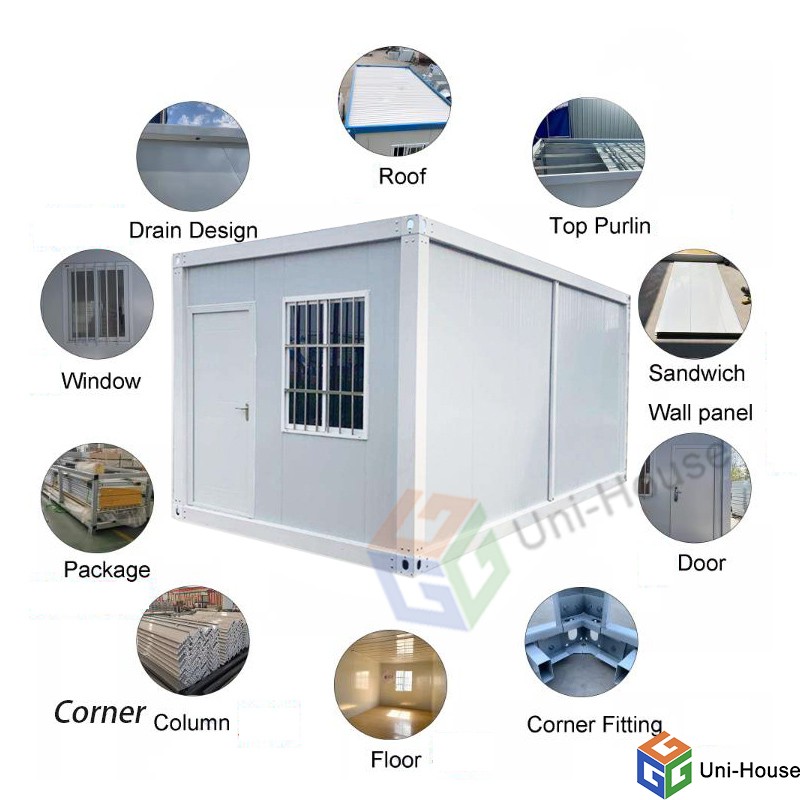
The Flat pack container with prefabricated frame, the outside box of the Flat pack container looks good, with hidden drainage, but the price will be higher. If it is used in a factory office or a dormitory where people live, the cost will be high.

Folding container, easy to transport, but because of the use of hinges to link
Rigidity and strength have decreased, and the cost of making standard boxes is also higher.

We study the solutions for general residential container houses on the market and consider from several factors:

A frame of material
Factors to consider: it must be durable and affordable. We consider the use of 10 to 15 years for our customers. Therefore, the use of materials must use relatively high specifications. We live in a container with higher material specifications, and we can use it with confidence in the next 5 to 10 years. The fixed office and lounge will also allow colleagues who use it to work at ease. So for users, that’s the real money saving.

Two drainage system
On the top of our newly designed LCL, there is an 8cm water outlet at the four corners.
A durable container house not only has a good drainage, but also cannot save on materials.

Three-connection structure
The fast LCL that we are launching now uses all the structures of bolts and does not require additional welding. Why do you want to do this?
First: When installing, regardless of foreign, domestic, or construction conditions, as long as the foundation allows and can be transported to the location, the installation can be completed without a crane during installation.
Second: The bolt structure ensures the stability of the structure of the connection point. From the perspective of quality assurance, welding> riveting> welding, welding is the most difficult to check quality.
Third: The bolt structure is easy to disassemble, and the later maintenance can be simple and convenient.
So we will give priority to ---------- bolted container houses.

Based on the three main factors considered above, we use this solution to satisfy customers with peace of mind in the next 10 to 15 years. They can live comfortably under this fast LCL.

Internal planning
After the container house ordered by the customer is delivered, the customer has many plans and plans for the configuration inside. The following planning example:
Meet four to five office workers, you can put printers, fax machines, and file cabinets. Our container house uses color steel sandwich panels, fire-resistant materials, 50mm thick wall panels, and 50mm thick tile panels. It has excellent heat insulation, sound insulation, windproof and earthquake resistance properties. Air conditioning can save energy in summer, and keep warm and windproof in winter.
If you have an idea, we have a plan ---------- There will always be a plan that will satisfy you.

Our Guizu has 13 years of experience in the design, production, and installation of prefabricated houses and container houses, and they are constantly improving their level.

Know what is a light steel structure house
Light steel structure residence is a residential building composed of cold-formed thin-wall steel structure as the load-bearing framework and light wall material as the enclosure structure. In developed countries such as the United States, Japan, and Australia, light steel structure building systems have long been used in residential construction. For example, light steel structure houses in the United States account for about 25% of ordinary houses, and the technology is relatively mature.

Compared with the traditional residential structure system, the light steel structure residence has the following characteristics:
a. The space layout is flexible and can meet the multi-functional requirements of residents;
b. The material is lightweight and high-strength, with good seismic performance and high safety;
c. The construction speed is fast and the construction period is short;
d. The industrialization and industrialization of housing construction can be realized.

Its main features in terms of land saving are:
a. The area of the component is small, and the thickness of the enclosure structure is small, which can increase the use area of the building;
b. The structure is light in weight, the amount of soil taken for foundation construction is small, and the damage to land resources is small.

Light steel housing, its main materials are steel structure frame supplemented by fireproof plates, coatings and polymer asphalt shingles. Since its frame structure is mainly portal steel frame, its construction performance is based on portal steel frame. Evolve. Generally speaking, light steel residential buildings are recognized by all walks of life for their simplicity and clarity.

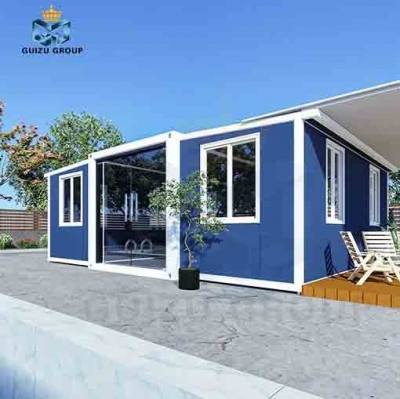
The Outdoor Mobile Home 2 Bedroom Foldable Expandable Container is the perfect choice for those in need of temporary or mobile housing. This innovative product offers a comfortable and efficient living space, ideal for construction sites, recreational parks, or any situation requiring quick and relocatable accommodation.


Mobile Home Foldable expandable Mobile Home Foldable expandable Mobile Home Foldable expandable


The Foldable Expandable Container is designed to provide a seamless living experience, combining flexibility with durability. With a simple expansion mechanism, this container can be transformed from a compact form into a spacious 2-bedroom home, offering convenience without compromising on comfort. Its space-saving design makes it an efficient solution for various needs, from temporary offices to student accommodations or even luxury camping setups.


At GUANGDONG AISHANGGUIZU MODULAR HOUSE CO.,LTD. , we pride ourselves on delivering products that are not only affordable but also sustainable. Our Outdoor Mobile Home features energy-efficient options, including solar panels, making it an eco-friendly choice for those looking to reduce their carbon footprint. Plus, with our quick manufacturing process, you can expect rapid deployment of your foldable container, minimizing delays and maximizing convenience.


Whether you need additional facilities like a bathroom, kitchen, or balcony, our modular approach allows for custom configurations tailored to your requirements. This adaptability ensures that you get the exact space you need without the high costs typically associated with traditional housing solutions.


Ready to explore more about the 2 Bedroom Foldable Expandable Container? Contact us today for personalized quotes and to discuss how we can support your housing or mobile accommodation needs!

- tags:

With a mobile shipping container gym, you can make the following transformations:


A gym in a box

Shipping containers are incredibly strong and secure, making them an ideal place to store all types of gym equipment, including weights, treadmills and bikes. Depending on your available space you can opt for containers between 8ft and 40ft! A large container should give you all the space you need to work-out inside, whereas a smaller container can be used for equipment storage, and open up into your outdoor space to allow you more room for your workout. Racks fitted around the inside of the container are handy for hanging weights etc, to give you more floor space Many people opt for unfolding training stations to take advantage of the space around the containers, or bars can be fitted to the outside of the container to secure equipment to, such as punch bags. With the addition of extra wide doors in the side, or full side access doors, once opened up the container gives you easy access to larger pieces of equipment that can brought outside.


Modifications for home gyms

Containers Direct carry out a wide range of modifications and container conversions to transform a standard shipping container into a unit fit for your gym equipment and work-out space:

Containers cut down to any size – whatever available space you have, we can provide a container to fit it

Extra large doors and windows – make your container more accessible, let in more light and air, making your workout more pleasant and comfortable

Non-slip vinyl flooring – safety first!

Air conditioning units

Wood cladded – while not a practical feature for your home gym, it can improve the appearance if you prefer an aesthetic that blends in with your garden


Commercial Container Application


If you are opening up your gym to the public you may want to invest in something larger. Joining shipping containers together can give you a larger width area, or you can opt for new build containers, built to any requested size. Showcasing at public events and festivals – if you are going down this route what could be more convenient than a gym that is entirely portable! We can even provide portable toilet and shower blocks to accompany the gym.


Home Yoga Studio


Into more gentle exercise?

If pumping iron isn't your thing, but you are still mind and body conscious, shipping containers can also provide you with a home yoga studio. Large windows and a non-slip floor can provide a safe and tranquil space at the bottom of your garden to get away from it all.


As one of the most professional container house manufacturers and suppliers in China, we're featured by quality products and customized service. Please rest assured to purchase mobile container gym house at competitive price from our factory. More Prefab house for gym and entertainment includes swimming pool, gym house, show room, KTV room.


-

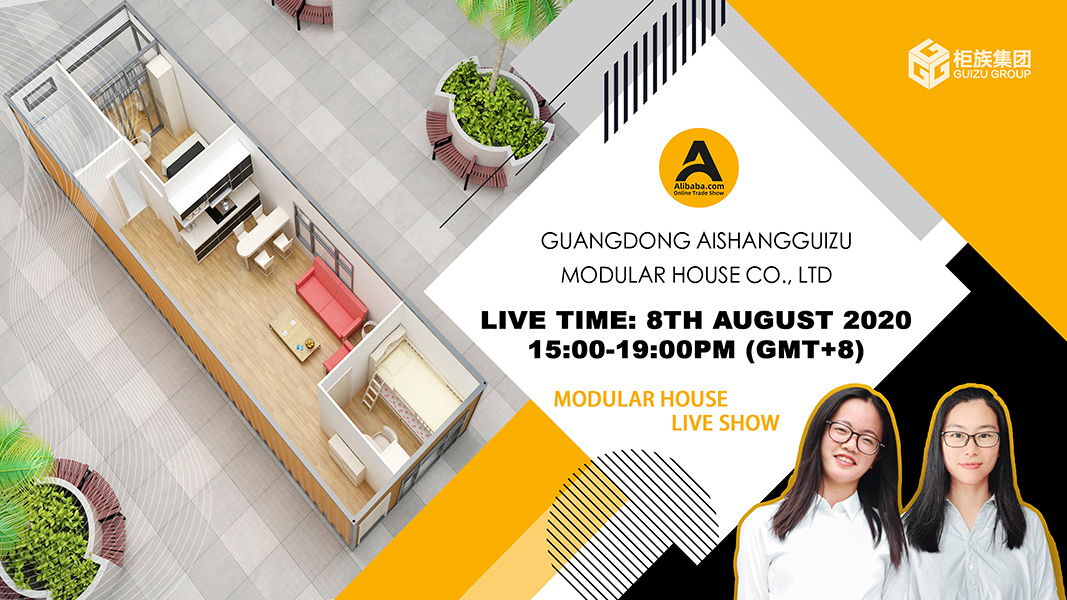
Guizu Group, a leading prefabricated house manufacturing company from China.


Come & meet us on Alibaba Online Trade Show:

https://activity.alibaba.com/page/live.html?topic=daf310b4-f54c-4370-9534-47b360db665d


TIPS:

Your "Like us" / "Follow us" / "Ask for Catalog" screen cut photo feedback will provide you an extra 5% discount coupon in August Order.

-

Prefabricated house is a kind of temporary building, which is often used in construction site workers' temporary dormitory offices, factory buildings, field work sites, exhibitions, warehouses, and outposts. It can also be applied to offices, headquarters, dormitories, warehouses, shops, toilets, equipment rooms and various temporary and mobile houses in construction, railway, highway, water conservancy, petroleum, tourism, and military industries.

Mobile room installation steps
1. Digging grooves; 2. Foundations, including brick foundations and concrete foundations; 3. C-shaped steel frame installation; 4. Installation of stairs and walkways; 5. If it is multi-layered, install prefabricated floor slabs; 6. Color steel plate Installation; 7. First floor floor; 8. Door and window installation; 9. Interior decoration.
step 1
The movable board house is similar to building a building. The surroundings and the foundation of the partition wall should be leveled. It is best to use reinforced concrete. You can also use 24-wall bricks to build it. Wall panels and door and window frames; then install floor purlins, install stairs, pave the floor, and then install one floor up, then roof trusses and roof panels; finally install doors and windows, etc., and pull vertical supports. There are sanitary ware, small hardware and the like.
Step 2
In fact, this is a light steel structure, which is very similar to a heavy steel structure factory building. The concealed construction of the mobile house refers to the part that will be covered by the next process after the previous process is completed during the construction process, and all the parts that cannot be inspected after the completion of the construction, the "concealed construction" is the key, if the "concealed construction" If it is not done well, no matter how beautiful the surface is, it is futile.
Step 3
"Hidden engineering" can be divided into water installation, electrical installation, and moisture-proof and waterproof projects. Each of these items cannot be ignored. If any link goes wrong, it may cause serious economic losses and even harm to personal safety. The construction technology and material identification of the waterproof project can avoid unnecessary economic losses and injuries.

Seven technical points for installation of movable room
1. There should be no obvious deformation or damage to the enclosure panels (roofing and wall panels) of the prefabricated house; the fixing bolts, waterproof washers, metal washers, nylon sleeves, etc. are complete, and the connection is reliable; the sealant is complete and effective.
2. Movable board house panels should be installed stably, the cornices should be straight, and the overlapping directions of the panels should be correct and consistent.
3. Attached wall panels should be installed correctly and the surface should be smooth; embedded wall panels should be installed flat, top and bottom lap joints should be tongue-and-groove seams, outer panels should be lapped downwards, and the lap length should not be less than 15mm.
4. The electrical wiring in the movable board room should be covered with PVC pipes (slots), and the wiring should be neat and beautiful; the electrical configuration meets the design requirements; the wiring has no insulation aging and extended use.
5. Fire resistance: The fire separation distance should meet the design and specification requirements, and the fire passage should be unobstructed; the configuration of fire hydrants and fire extinguishers should meet the design requirements, and the layout should be reasonable; fire prevention and heat insulation measures should be effective in fire places such as kitchens; the oxygen index of the metal surface sandwich panel should not be Below 32, combustible materials such as wood floors should be fireproofed.
6. Lightning protection: The lightning protection grounding setting meets the design and specification requirements; the grounding resistance should be qualified.
7. Anti-corrosion: steel components should be well painted, no rust, and exposed bolts properly protected; anti-corrosion measures in strong corrosive environments meet design requirements; the surrounding area of the mobile room should be drained without water, and no debris is allowed.

Precautions for installation of movable room
1. Before installing the wall panels, check that the columns and wall beams are installed correctly, firmly and flatly.
2. The vertical splicing of the metal sandwich panel wallboard should adopt tongue-and-groove seams or I-shaped aluminum splicing, and sealant should be installed at the splicing joints.
3. The connection between the metal surface sandwich panel and the ground beam, wall beam or floor sub-truss shall be connected by bolts. The horizontal spacing of the connecting bolts should not be greater than 500mm (no less than two bolts are provided in the width direction of each plate).
4. The embedded wall panel should be installed in the slot on both sides of the column in time when the cold-formed thin-walled steel structure is installed. The upper and lower lap joints of the embedded wall panel should be grooved, and the outer panel should be overlapped downwards. The connecting length should not be less than 15mm.

How many functions can a house made of containers fulfill? Office, residence, business, leisure, entertainment, catering... There are only unexpected things, nothing impossible.

The comprehensive office building built by the Guizu Group in Nansha, Guangzhou integrates multiple functions, creating a comfortable space for the Guizu employees to enjoy entertainment and leisure life after work, and it also provides a personal experience for visiting customers. A classic example of container construction function and comfort.
The comprehensive office building was officially completed in May 2016. The entire office building is composed of 21 containers and has a three-story building with a total area of 528 square meters. The functions of the entire building include office, conference, negotiation, sports and leisure, dining and entertainment, all of which are independently designed and constructed by the cabinet family. The design and construction team is 15 people, and the construction period is 45 days.

The office on the first floor has a modern design, simple colors, spacious and bright, and has a customer negotiation area to facilitate business development. The reception room and leisure area on the second floor, Chinese classical design, bring customers an elegant and comfortable noble experience; a pool table and golf indoor putter trainer are set up to adjust the office pressure and create a relaxed atmosphere. The third floor meeting room, KTV and balcony, the meeting room is used for daily office meetings and small-scale business training. Customers and employees can sing in KTV, release passion and lively atmosphere. The kitchen attached to the balcony can be used for afternoon tea and coffee; you can also open fire for cooking, party and dinner, work and life are right!

The Guizu pursues the concept of people-oriented management, and puts work in happiness, integrates this concept into its own products, continuously improves products through its own experience, and promotes research and development, so as to provide customers with more comfortable, convenient, economical and environmentally friendly Solutions for residential and commercial spaces.

-

1. OS development trend


At present, the prefabricated construction technology of various countries is still the closed system (CS) around the world. The existing production focus is on standardized components and coordinated with standard design and rapid construction. But the shortcomings of CS are the limited structure, lack of flexibility in design, and no popularization of modularity. "The technological development trend of the world's future prefabricated buildings is to transform and develop from a closed system (CS) to an open system (OS)." German architect Charles Mies believes that "OS development trends can be dedicated to the development of standardized functional blocks, Uniform modulus in design; this is easy to be unified and full of changes, which facilitates production and construction, and also brings more and greater assembly freedom to designers and builders."


2. PS/SID development trend


At present, the modular structure design of prefabricated buildings is developing relatively fast in various countries. The future world prefabricated buildings will develop towards the PS/SID integration of prefabricated structure (PS) and systematic interior decoration (SID). Japanese architect Fumihikomu pointed out, Because prefabricated buildings are not only the industrialization of the main structure, but also the industrialization of interior decoration parts, the two complement each other and rely on each other. It is wrong to one-sidedly emphasize any one of them.

3. Development trend of UFCS


German architect Wagen Feld said: "The use of the most advanced technological methods to develop a connection point has become the most basic innovative task of the prefabricated construction industry in the future, which will determine the final characteristics of a structure to a large extent. "In the German prefabricated construction industry, the construction work methods related to connection assembly are mainly wet system and dry system. However, the wet system has lower standards and requires more labor. The dry system is a combination of screws and nuts. The disadvantage is that it has poor seismic performance and no wet system has good anti-seepage performance. The German prefabricated construction industry is innovating and developing a universal flexible connection system (UFCS) that uses a combination of cast-in-place and prefabricated assembly. Using UFCS, virtual excitation and other methods can be used to analyze and determine the frequency ratio, damping ratio, and mass ratio of the connecting components. The significant effect is that it can arrange the prefabricated production of the required parts in time according to the assembly needs of the assembly operation, thereby shortening the production. Cycle, reduce the inventory of blanks and products, also improve the utilization rate of assembly components, reduce direct labor, and improve the consistency of assembly components and construction quality, which can significantly improve the economic effect.


4. WICIP development trend


"In the future, the world prefabricated construction industry will surely realize the information management and application of the entire industry chain, and build the information in the consultation, planning, design, construction and management of various links in the industrialization of prefabricated buildings through LAE, CAE, BIM and other information technologies. Exchange platform to realize the support of the whole industry chain information platform (WICIP).Italian architect Le Corbusier pointed out that promoting the industrialization of sustainable prefabricated buildings with modern informatizationis the realization of the prefabricated building industry. An important means for the traceability management of the entire life cycle and quality responsibility."

5. GSAS development trend


The green structural assembly system (GSAS) is a symbol of the industrialization and modernization of the prefabricated construction industry. The new green structural assembly system will inevitably be widely used in future prefabricated houses and buildings. At present, developed countries are paying attention to the development of a new green assembly component system based on composite light steel structure, steel/plastic structure, biomass/wood structure, etc. The goal is to make prefabricated houses and buildings from design, prefabrication, transportation, assembly In the entire housing life cycle of end-of-life treatment, the impact on the environment is the smallest and the resource efficiency is the highest, making the component system of housing and building develop in the direction of safety, environmental protection, energy saving and sustainable development.


6. IAM development trend


At present, the demand for labor resources in the world's construction industry is becoming more and more scarce, especially the construction site of prefabricated buildings, which requires a large number of workers such as hoisting, handling, assembling and connecting. The construction industry in Japan, Germany and the United States are working on the development of intelligent assembly mode (IAM) to reduce the labor resources on the construction site. The way out is to continuously invent and promote robots, automatic devices and intelligent assembly lines, and at the same time innovate and adopt high-value-added products. Prefabricated components and parts eliminate the need for a lot of dirty and cumbersome manual labor on the construction site. This intelligent assembly mode greatly saves human resources than the previous construction mode, while shortening the construction period and improving construction efficiency.


7. Development Trend of NCAB


With the rapid development of the Internet, it will bring new changes to the world's construction industry in the customization and networking of prefabricated buildings. "The main models of future network-based custom fabricated buildings (NCAB) include: networking within the customized environment, realizing the residential assembly of the customized process; networking of the customized environment and the entire assembly enterprise, and realizing the customized environment and the enterprise industry chain information system, etc. The assembly transaction of each subsystem; the networking of the industrial chain between enterprises and the realization of the sharing, combination and optimal utilization of prefabricated houses and construction resources among enterprises; through the network, the realization of customized prefabricated houses in different places." Germany Dams Franz Lampard, architect of the Dart Institute of Prefabricated Buildings, pointed out that the depth, breadth and development speed of the customized network of German prefabricated buildings in the future will often far exceed the predictions of people in other EU countries.

keyboard_arrow_up