In building construction, machinery installation, and various structural reinforcements, anchor bolts serve as crucial connecting components, and their installation quality directly impacts the safety and stability of the entire structure. However, anchor bolts may exhibit various failure modes during use. Understanding these failure modes and implementing effective preventative measures is essential for ensuring project quality and safety.
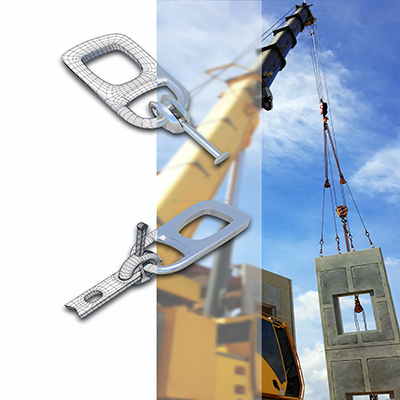
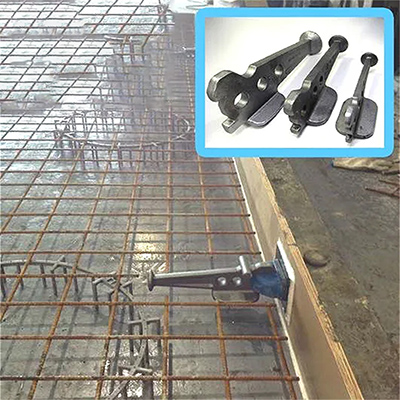
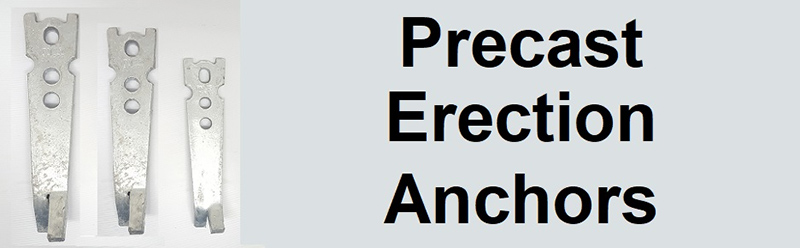
Erection AnchorsErection Anchors


I. Common Failure Modes

Anchoring Agent Related Failures

- Anchoring Agent Breakage: In hard surrounding rock, if the anchoring agent's strength is insufficient to withstand high stress, it may break, leading to anchor bolt failure.

- Insufficient Bond Strength: Incomplete cleaning of the hole or uneven mixing of the anchoring agent can result in insufficient bond strength between the anchoring agent and the concrete or substrate, reducing the anchor bolt's load-bearing capacity.


Anchor Bolt Intrinsic Strength Issues

- Insufficient Anchor Bolt Strength: Insufficient anchor bolt material strength or incorrect selection may prevent it from withstanding the design load, potentially leading to tensile or shear failure.

- Fatigue Failure: Under dynamic loads, fatigue cracks may develop in the anchor bolt or its bond with concrete, leading to early failure.


Installation Process Issues

- Improper Installation Angle and Depth: Excessive deviation in the anchor bolt installation angle or insufficient depth can affect the bond between the anchor bolt and the substrate, reducing anchoring force.

- Loose Nuts or Suspended Anchor Plates: Loose nuts or insufficient contact between the anchor plate and the substrate during installation can cause the anchor bolt to loosen under stress. 


Environmental Factors

- Corrosion: In humid, chemically corrosive, or marine environments, anchor materials may corrode, leading to a decrease in strength.

- Temperature Effects: Applying chemical anchors at low temperatures may affect the curing effect of the anchoring agent.


To ensure the safety and reliability of anchor bolts, three key aspects must be addressed:

Careful Design and Selection

Accurate Load Calculation: Fully consider static, dynamic, and accidental loads.

Strict Substrate Verification: Assess concrete strength, cracking, and edge distance.

Scientific Product Selection: Choose certified and suitable anchor bolts based on the application scenario (e.g., cracked concrete, damp environment).


Standardized Construction Operation

Precise Drilling: Use appropriate drilling tools to ensure hole depth and diameter meet design requirements.

Thorough Hole Cleaning: Use a specialized air pump and brush to thoroughly remove dust and debris from the hole.

Correct Installation: Strictly follow the product instructions for applying adhesive or tightening, using a calibrated torque wrench, and ensuring sufficient curing/maintenance time.


Strictly implement inspection procedures.

Conduct necessary on-site pull-out tests to verify anchoring performance.

Maintain accurate installation records for anchors in critical areas to ensure quality traceability.


Anchor bolt failure can pose serious safety hazards, therefore it must be given high priority during installation and use. By understanding failure modes and taking effective preventative measures, the reliability of anchor bolts can be significantly improved, ensuring the safety and stability of the structure.
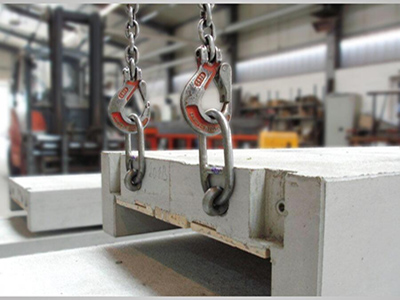
On the construction site of precast concrete buildings, when huge wall panels or floor slabs are steadily hoisted, few people notice the inconspicuous metal anchors on the components. However, the two key components, "installation anchors" and "lifting anchors," although similar in appearance, play completely different roles. Confusing them can lead to serious safety hazards.


I. Lifting Anchor: The Starting Point of Lifting

Lifting anchors are key devices used for lifting precast concrete components during the production stage. They are typically pre-embedded or installed on the component during production, primarily used to lift the component from the precast site and transport it to the installation location. The design focus of lifting anchors is to withstand the vertical tensile forces during lifting, ensuring the component remains stable and preventing damage due to uneven lifting forces.

Features

- Load-bearing capacity: Lifting anchors need to have sufficient load-bearing capacity to cope with the weight of the component and the dynamic loads during lifting.

- Installation location: Usually installed near the component's center of gravity to ensure balance during lifting.

- Single-use: After the component is installed in place, lifting anchors are usually no longer used; their main function is to facilitate transportation from precast to the installation location.


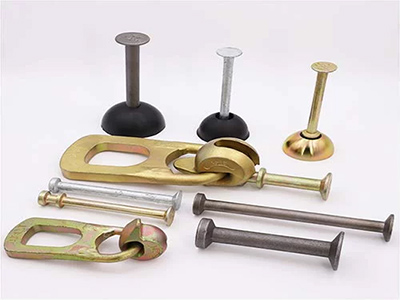
Lifting AnchorsLifting Anchors


II. Erection Anchors: The Key to Precise Positioning

Installation anchors are primarily used for fixing and positioning precast components at their installation locations. After the component is hoisted to the designated position, the installation anchor, through its connection with the main structure, ensures the component remains stable during installation and ultimately achieves a secure connection with the main structure. The design focus of installation anchors is to provide sufficient tensile, shear, and pull-out resistance to ensure the safety of the component during installation and use.

Features

- Connection Method: Installation anchors are typically connected to the main structure using bolts, welding, or chemical anchors.

- Long-Term Use: Installation anchors continue to function after the component is installed, ensuring the stability of the component throughout its entire service life.

-  Precision Requirements: Installation anchors require high precision in their installation position and connection to ensure accurate positioning of the component.


Erection Anchors


III. Differences between the two


characteristic Lifting Anchor Install anchor
Function Used for lifting and transporting prefabricated components Used for the installation, positioning, and fixing of precast components.
Load requirements Withstand vertical tension to ensure lifting stability Withstands various forces (tension, shear, pull) to ensure stable installation.
Use phase Transportation stage from prefabricated component production to installation location Installation location positioning and long-term fixation stage
Installation location Near the center of gravity of the component Determined based on installation requirements and structural connection points.
Number of times used Single use Long-term use


Why is strict differentiation necessary?

Safety Risk: If a temporary anchor intended only for lifting is mistakenly used as a permanent installation anchor, its load-bearing capacity and durability cannot be guaranteed, potentially leading to connection failure and posing a serious safety hazard.

Functional Mismatch: The location of the installation anchor is determined through precise structural calculations. If it is incorrectly subjected to force at a non-designed lifting point during temporary lifting, it may cause component cracking and damage.


keyboard_arrow_up