When choosing acoustic panels, many buyers focus on appearance, thickness, or price. However, one of the most critical yet often overlooked factors is material density.


So, how does density affect acoustic panel performance?

The short answer: density directly determines how effectively an acoustic panel absorbs, controls, and manages sound.


In this article, we explain the role of density in acoustic panels, how it impacts real-world performance, and why high-density materials are essential for professional-grade wood slat acoustic panels.
Acoustic Wood Slat Panels from Reliable Manufacturer

What Does “Density” Mean in Acoustic Panels?


Density refers to the mass of material per unit volume, usually measured in kg/m³.


In acoustic panels, density affects:


How much sound energy the panel can absorb


Which frequencies are absorbed (high, mid, or low)


Structural stability and durability


Long-term acoustic consistency


Different materials—such as MDF, PET felt, mineral wool, and fiberglass—perform very differently depending on their density.


Why Density Is Critical for Sound Absorption


Sound waves lose energy when they pass through or strike materials that create internal friction.

Higher-density materials generally provide:


Greater resistance to sound wave movement


More friction within the material structure


Better absorption of mid-to-low frequencies


However, density must be optimized, not simply maximized.


Too low → sound passes through

Too high → sound reflects instead of being absorbed


Professional acoustic panels strike a balanced density range.


Low-Density vs High-Density Acoustic Panels

Low-Density Panels (Poor Performance)


Examples:


Thin foam panels


Low-density PET felt


Soft decorative panels


Limitations:


Absorb mainly high frequencies


Weak control of echo and reverb


Ineffective against voice and music clarity issues


Shorter lifespan and deformation over time


These panels may reduce flutter echo but do not deliver professional acoustic results.


High-Density Panels (Professional Performance)


Examples:


High-density MDF wood slat panels


Mineral wool-backed acoustic panels


Engineered composite systems


Advantages:


Balanced absorption across frequencies


Improved speech intelligibility


Better music clarity


Stronger structural stability


Consistent long-term performance


This is why high-density materials are widely used in commercial, architectural, and premium residential projects.


How Density Works in Wood Slat Acoustic Panels


Wood slat acoustic panels are not a single material—they are a system.


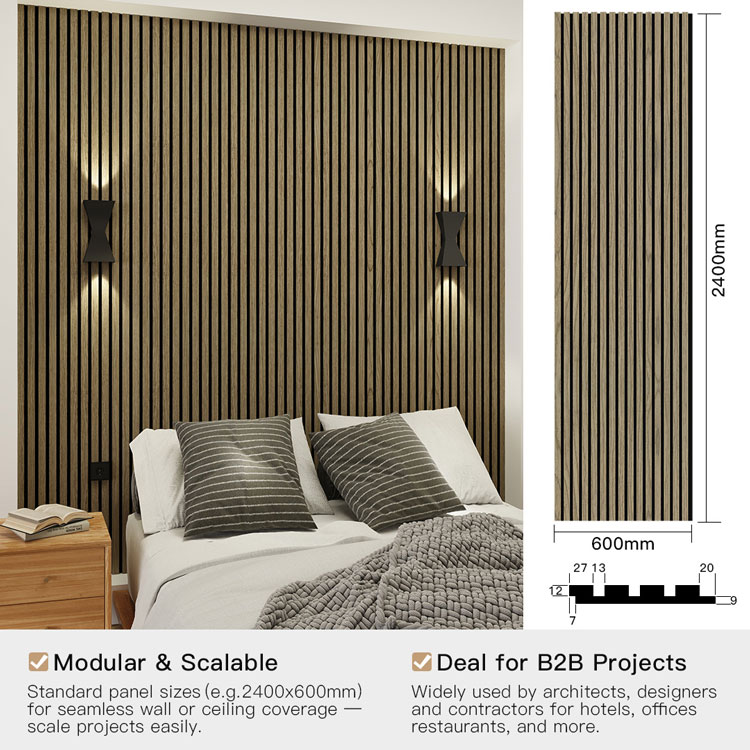
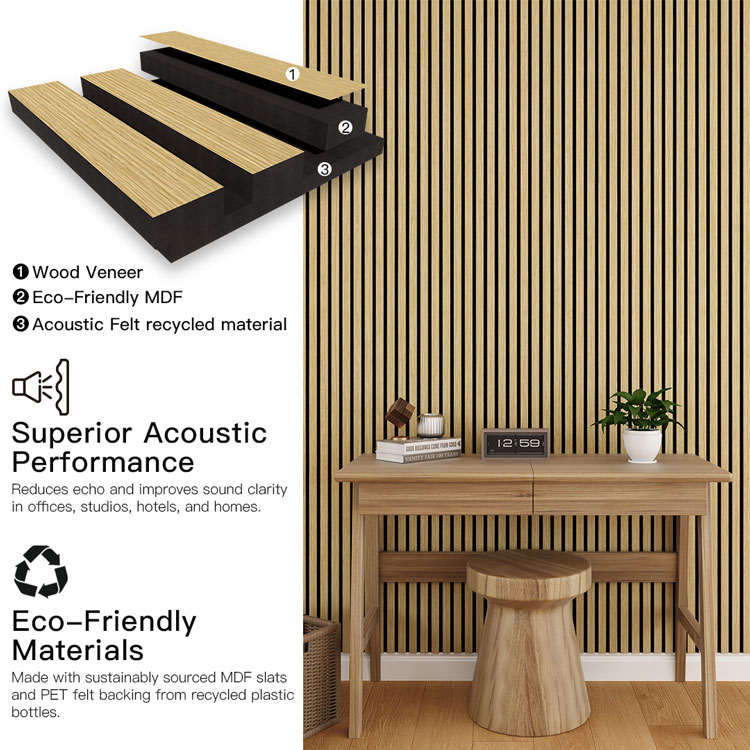
A typical high-quality wood slat acoustic panel includes:


Natural wood veneer surface


High-density MDF slats


Acoustic backing (PET felt or mineral wool)


Each layer has a specific density function.


1. MDF Density and Acoustic Control


High-density MDF:


Provides structural rigidity


Helps diffuse reflected sound


Enhances mid-frequency control


Maintains precise slat spacing


Low-density MDF:


Warps more easily


Loses acoustic consistency


Reduces durability


Affects visual alignment


At Guangdong Leeyin Acoustics, we carefully select stable, high-density MDF to ensure consistent acoustic and structural performance.


2. Acoustic Backing Density Matters


The backing layer is responsible for absorbing sound energy.


Low-density backing → weak absorption


Optimized-density backing → strong absorption without reflection


Correct backing density improves:


Noise reduction


Echo control


Overall room comfort


This balance is essential for spaces like offices, studios, home theaters, and apartments.


Does Higher Density Always Mean Better Acoustic Performance?


Not always.


Extremely high-density solid materials (like concrete or solid wood) tend to reflect sound rather than absorb it.


Effective acoustic panels rely on:


Controlled density


Internal porosity


Layered construction


That’s why engineered acoustic panels outperform single-material solutions.


Density and Fire Safety, Sustainability, and Durability


Density also affects non-acoustic performance factors:


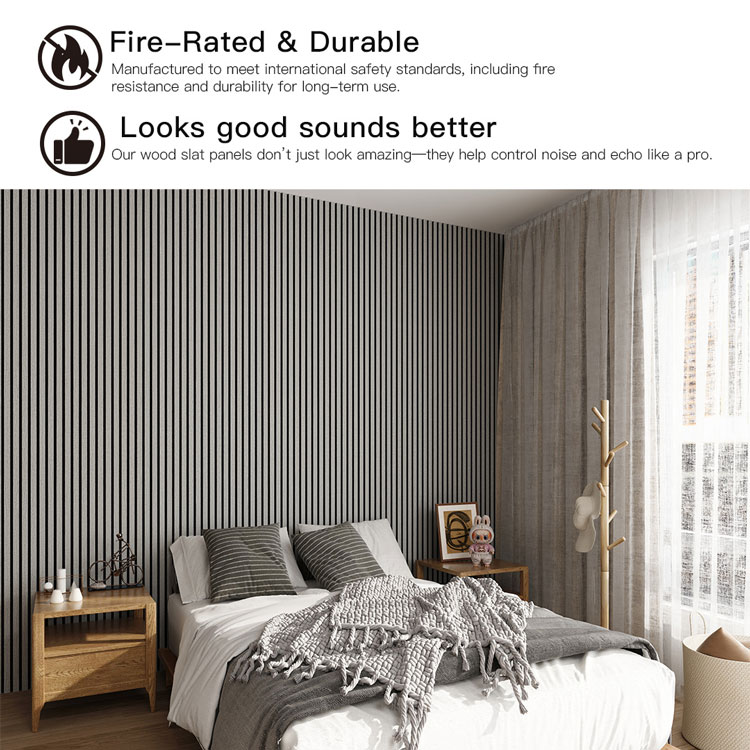
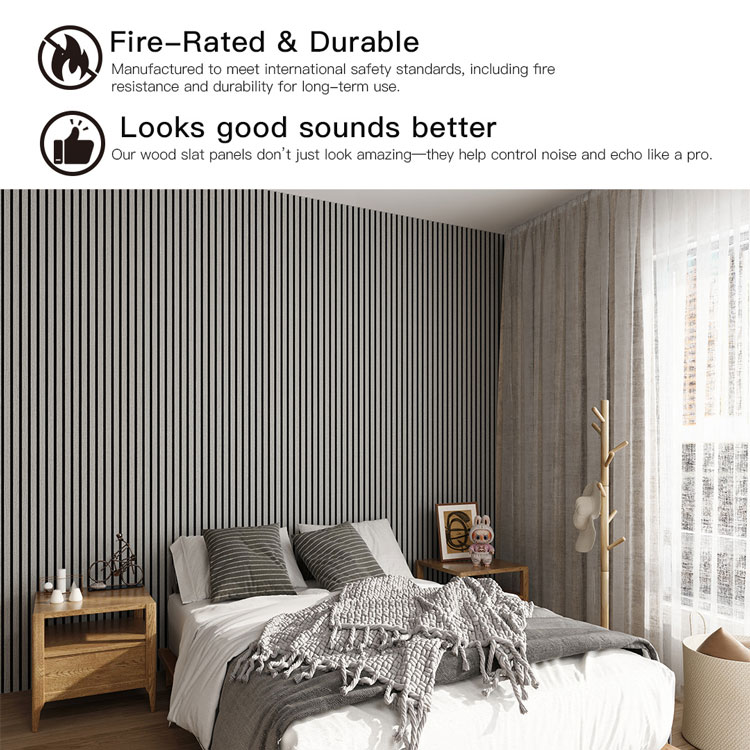
Fire Resistance


High-density MDF and treated acoustic backing improve fire ratings


Low-density foam often fails fire safety requirements


Environmental Performance


Proper density reduces material waste


High-quality MDF lowers emissions and improves lifespan


Certified raw materials meet international standards


Longevity


Dense panels resist sagging and deformation


Maintain acoustic performance over many years
Understand the Key Differences to Find Better Acoustic Solutions


When people start looking for ways to reduce noise, a common question keeps recurring:


Are acoustic panels and soundproofing the same?

Customizable Acoustic Wood Slat Panels Supplier

In short, the answer is no—but a complete explanation is more valuable. Understanding the difference between acoustic treatments and soundproofing can help you choose the right solution, avoid unrealistic expectations, and allocate your budget wisely.


In this article, we will explain the differences between the two in a clear and easy-to-understand way, combined with expert insights from experienced acoustic panel manufacturers.


What are Acoustic Panels?


Acoustic panels are designed to improve the sound quality of a room by absorbing sound waves. They primarily target mid-to-high frequency reflections, reducing echoes, reverberation, and noise buildup.


Most acoustic panels are made of sound-absorbing materials such as:


Acoustic felt or PET fiber


High-density MDF board with backing


Mineral wool or foam core


Common forms of acoustic panels include wood strip acoustic wall panels, fabric-covered acoustic panels, and decorative acoustic systems.


Advantages of sound-absorbing panels:


Reduces echo and reverberation


Improves speech clarity


Enhances music and audio quality


Creates a more comfortable acoustic environment


What is soundproofing?


Soundproofing focuses on preventing sound from entering or leaving a room.


True soundproofing requires structural solutions to address the following issues:


Sound propagation through walls, floors, and ceilings


Vibration propagation within the building structure


Air gaps around doors, windows, and electrical outlets


Common soundproofing methods include:


Increasing mass (e.g., adding drywall, high-density sound insulation materials)


Structural vibration isolation (e.g., double-wall construction, flexible joists)


Sealing gaps with acoustic sealants


Structural treatment of floors and ceilings


Sound Absorbers vs. Sound Insulation: Key Differences


Aspects: Sound Absorbers, Sound Insulation


Main Uses: Improves indoor acoustics, Blocks sound propagation


Affects: Reflected sound within the room, Sound passing through the building


Installation Methods: Surface mounting, Structural modification


Cost: Medium, High


Typical Applications: Studios, offices, residences, apartments, shared walls, noisy environments


👉 Sound absorbers cannot replace sound insulation, but they are often the first and most practical step.


Why Sound Absorbers are Often Misunderstood as Sound Insulation Materials


Many people find their rooms quieter after installing sound absorbers. This leads them to mistakenly believe they have achieved soundproofing.


However, the reality is:


Echoes and reflections are reduced.


Sound energy is contained within the room.


Noise sounds less harsh and more comfortable.


However, external noise (neighbors, traffic, footsteps) can still be heard because the sound-absorbing panels are not heavy enough to block sound propagation.


How Sound-Absorbing Panels and Soundproofing Materials Can Work Better Together


In professional projects, sound-absorbing panels are often used in conjunction with soundproofing measures.


For example:


Soundproofing the wall structure to reduce noise transmission.


Installing wood strip sound-absorbing panels to optimize sound clarity and aesthetics.


This combination is widely used in:


Recording studios


Home theaters


Office meeting rooms


Hotel and commercial interior spaces


Why Wood Strip Sound-Absorbing Panels Are a Wise Choice


Wood strip wall panels offer unique advantages: they perfectly combine functional sound absorption with modern interior design.


The strip-shaped medium-density fiberboard (MDF) surface helps diffuse sound, while the sound-absorbing felt backing absorbs reflected sound—making it ideal for both performance and aesthetics. Manufacturing Quality is More Important Than You Think


Not all sound-absorbing panels perform the same. Factors such as the density of the medium-density fiberboard (MDF), the thickness of the felt layer, cutting precision, and bonding quality all directly affect sound absorption.


Why Global Customers Choose Our(leeyin) Acoustic Products


🏭 20,000 square meters of modern production facilities


📦 Strong capacity for handling bulk and project orders


🌍 One of China's leading exporters of wood strip wall panels


📐 Strict adherence to international quality management standards


🎯 Stable performance, consistent dimensions, and exquisite craftsmanship


Our products are trusted by distributors, designers, and contractors worldwide.


So, are sound-absorbing panels and sound-insulating panels the same?


No—but they are both crucial.


Acoustic panels:


Improve indoor sound propagation


Enhance comfort, clarity, and usability


Sound insulation panels:


Block noise propagation between spaces


Requires a structural solution


Acoustic panels offer the highest return on investment for most residential and commercial interior spaces, especially when sourced from specialized manufacturers.

One of the most frequently asked questions by buyers when choosing acoustic panels is:


Are thicker acoustic panels better?

Custom Solutions Acoustic Wood Slat Panels

In short, the answer is yes—but not always in the way people expect.


Panel thickness does affect sound absorption, but it's only one part of the overall acoustic performance. In this article, we'll explain how thickness works, when thicker panels are more beneficial, and how to choose the right solution for your space.


How Acoustic Panels Absorb Sound


Acoustic panels reduce echoes and reverberation in a room by absorbing sound energy, especially mid-to-high frequency sound waves.


Key factors affecting performance include:


Panel thickness


Material density


Surface design


Installation method


Air gap behind the panel


Thickness alone does not guarantee better results.


Does thickness really improve sound absorption?


Yes—especially for low frequencies.


Generally speaking:


Thicker panels can absorb a wider frequency range.


They are more effective at low frequencies than thinner panels.


For example:


12-25 mm thick panels primarily absorb high frequencies.


40-50 mm thick panels absorb mid-frequency frequencies more effectively.


Thick panels with backing systems help control low-frequency energy.


However, for everyday residential and commercial spaces, ultra-thick panels are often unnecessary.


Thicker with Smarter Design


Modern acoustic solutions are not simply about increasing thickness, but about balancing design.


For example, wood slat acoustic panels use:


Rigid medium-density fiberboard slats for sound diffusion


High-density polyethylene terephthalate (PET) felt for sound absorption


Thickness optimized for the actual space


This combination achieves effective acoustic control without adding excessive volume or visual clutter.


When to Need Thicker Acoustic Panels


Thicker acoustic panels are best suited for:


Recording studios


Music rehearsal rooms


Home theaters


Large open-plan commercial spaces


In these environments, low-frequency control is crucial.


When Thicker Acoustic Panels Are Not Needed


For example:


Living rooms


Bedrooms


Offices


Conference rooms


Restaurants and hotels


Standard-thickness acoustic panels or wood strip acoustic panels, if installed properly, already provide excellent sound absorption.


In these cases, installation location and coverage are more important than thickness.


The Role of Air Gap (Often Overlooked)


An important professional insight:


Adding an air gap behind the acoustic panel can significantly improve low-frequency absorption—sometimes even better than increasing thickness.


This is why wall-mounted wood strip acoustic panels with felt backing are so effective in actual installations.


Why Wood Strip Acoustic Panels are the Ideal Balanced Choice


Wood strip acoustic panels offer the following advantages:


Moderate thickness, suitable for most environments


Natural sound diffusion and absorption


Aesthetically pleasing, perfectly complementing modern interior design


Highly effective sound absorption without excessive space occupation


Achieving an ideal balance between functionality, design, and ease of installation

What Can and Can't They Do?

Neighbor noise is one of the most common complaints in apartments, townhouses, and shared office buildings. Many people choose acoustic panels as a quick solution—but do they really block neighbor noise?

High-Quality Acoustic Wood Slat Panels

In short: Acoustic panels help, but they don't completely block sound transmission.


To understand why, it's crucial to understand the difference between sound absorption and sound insulation.


Acoustic Panels vs. Sound Insulation: Key Differences


This is where most misconceptions originate.


Acoustic Panels


Reduce echoes, reverberation, and reflected sound


Improve indoor acoustic clarity


Absorb mid-to-high frequency sounds


Doesn't significantly increase wall mass


Sound Insulation Materials


Prevent sound from passing through walls, floors, and ceilings


Requires a certain level of mass, airtight structure, and vibration isolation


Usually requires structural modifications to the walls


Acoustic panels are designed to control sound, not completely block it.


So, do acoustic panels really reduce neighbor noise?


Yes—but the effect is indirect. Sound-absorbing panels can:


Reduce the perceived intensity of indoor noise


Absorb reflected sound, thus reducing noise from neighbors


Improve overall acoustic comfort


Reduce noise from next door, television, and music


However, they cannot completely prevent sound from penetrating shared walls.


Why is neighbor noise so easily transmitted?


Neighbor noise typically enters a room through:


Shared walls


Structural vibrations


Gap around outlets, doors, and ceilings


Thin drywall structures


Because sound travels as vibrations, blocking sound requires a large, airtight barrier, not just absorption.


How Wood Strip Sound-Absorbing Panels Can Help Improve Sound Insulation in Apartments


While sound-absorbing panels are not a complete soundproofing solution, wood strip sound-absorbing wall panels offer many practical advantages for shared living spaces.


Advantages include:


Absorbing reflected noise entering the room


Reducing booming sounds and harsh echoes


Improving speech clarity in home office environments


Creating a calmer, quieter listening environment


When installed on shared walls, they help control indoor sound energy, making neighbor noise less bothersome.


Optimal installation locations for reducing neighbor noise


For best results:


Install the sound-absorbing panels on shared walls


Cover the first reflecting area near seating or beds


Use sound-absorbing panels with high-density sound-absorbing backing


Coordinate with soft furnishings such as curtains and carpets


While this won't completely eliminate noise, it can significantly improve comfort.


When you need more than just sound-absorbing panels


If neighbor noise is severe, sound-absorbing panels should be used as part of a multi-layered soundproofing approach, including:


Sealing wall gaps and electrical outlets


Adding drywall or soundproofing materials


Using soundproof curtains or door seals


Combining sound-absorbing materials with high-density soundproofing materials


Sound-absorbing panels work best when used in conjunction with basic soundproofing measures.


Why is the quality of sound-absorbing panels important?


Not all sound-absorbing panels perform the same way.


Our company's wood strip sound-absorbing panels use the following materials:


High-density medium-density fiberboard (MDF) strips


Precisely cut sound-absorbing slits


High-quality PET sound-absorbing backing


Stable bonding process ensures long-term performance


This guarantees consistent sound absorption in residential and commercial applications.

What Exactly Does Acoustic Panel Do? A Beginner's Guide


If you've ever experienced echoes, noise build-up, or unclear sound in a room, then you've encountered an acoustic challenge. With the growing interest in home studios, modern offices, and high-quality interior design, more and more people are starting to wonder about a simple question: What exactly does an acoustic panel do?

Premium Acoustic Wood Slat Panels Manufacturer

In this beginner's guide, we'll explain how acoustic panels work, what problems they can solve, and how to choose the right solution for your space, from the perspective of a professional acoustic panel manufacturer.


What is an Acoustic Panel?


Acoustic panels are specially designed engineered products designed to control indoor sound. They help reduce echoes, reverberation, and excessive noise reflection by absorbing sound waves, especially mid-to-high frequencies.


Unlike exposed walls, glass, or concrete surfaces that reflect sound, acoustic panels convert sound energy into heat energy through porous materials, such as:


Sound-absorbing PET fibers


High-density MDF boards with felt backing


Mineral wool or sound-absorbing core materials


These materials are commonly used in wood slat wall panels, fabric panels, and decorative acoustic systems.


What are the actual functions of acoustic panels?


1. Reduce Echoes and Reverberation


One of the main functions of acoustic panels is to reduce reverberation time. In an untreated room, sound reflects repeatedly between hard surfaces, creating echoes and a muddy sound. Acoustic panels absorb these reflections, creating a clearer, more controlled acoustic environment.


This is especially important in the following settings:


Home theaters


Music studios


Meeting rooms


Dining rooms and open-plan offices


2. Improve Sound Clarity


By reducing unwanted reflections, acoustic panels improve speech clarity and audio detail. Conversations are easier to understand, music sounds more balanced, and auditory fatigue is reduced.


This is why acoustic panels are widely used in:


Recording studios


Podcast recording studios


Classrooms and training centers


Business meeting spaces


3. Enhance Acoustic Comfort (Not Complete Soundproofing)


People often mistakenly believe that acoustic panels completely block noise from entering and leaving a room. In reality, acoustic panels are designed to absorb sound, not completely isolate it.


They help to:


Reduce indoor noise buildup


Minimize sound reflections


Improve indoor acoustics


To achieve complete sound insulation, additional construction methods such as massing, vibration damping, and sealing are required. However, acoustic panels are a cost-effective and essential first step in most acoustic treatments.


Where are acoustic panels commonly found?


Acoustic panels are suitable for residential and commercial spaces, including:


Living rooms and home theaters


Bedrooms and apartments


Offices and coworking spaces


Hotels, lobbies, and restaurants


Recording studios, rehearsal rooms, and broadcasting studios


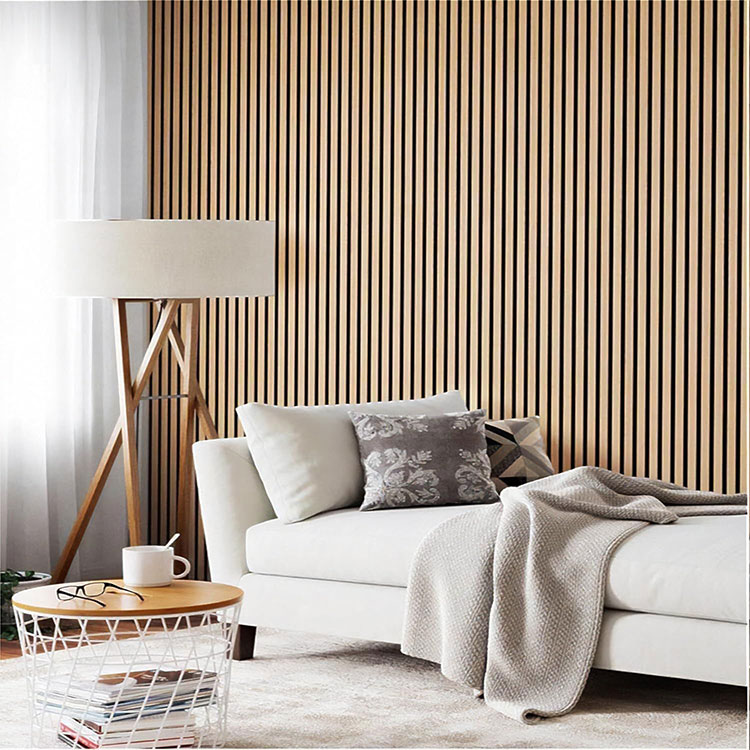
In modern interior design, wood slat acoustic wall panels are favored for their combination of sound absorption and modern aesthetics.


Why are wood slat acoustic panels so popular?


Wood slat wall panels achieve a unique balance between design and performance. The strip-shaped medium-density fiberboard (MDF) surface diffuses sound, while the sound-absorbing felt backing absorbs noise, making it both practical and beautiful.


Advantages include:


Highly efficient sound absorption


Warm and modern appearance


Easy wall or ceiling installation


Customizable colors, finishes, and sizes


Specialized manufacturing processes ensure superior quality


The performance of sound-absorbing panels depends heavily on material quality, density, and manufacturing precision.

keyboard_arrow_up