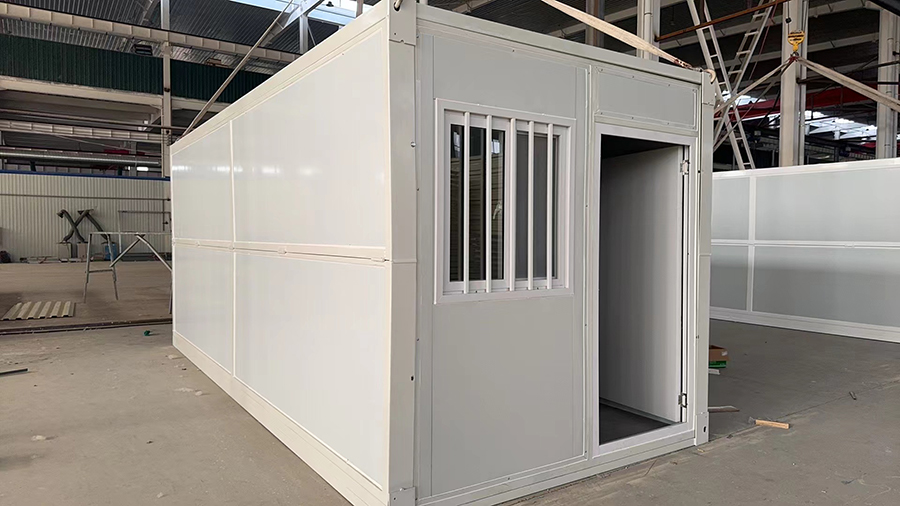
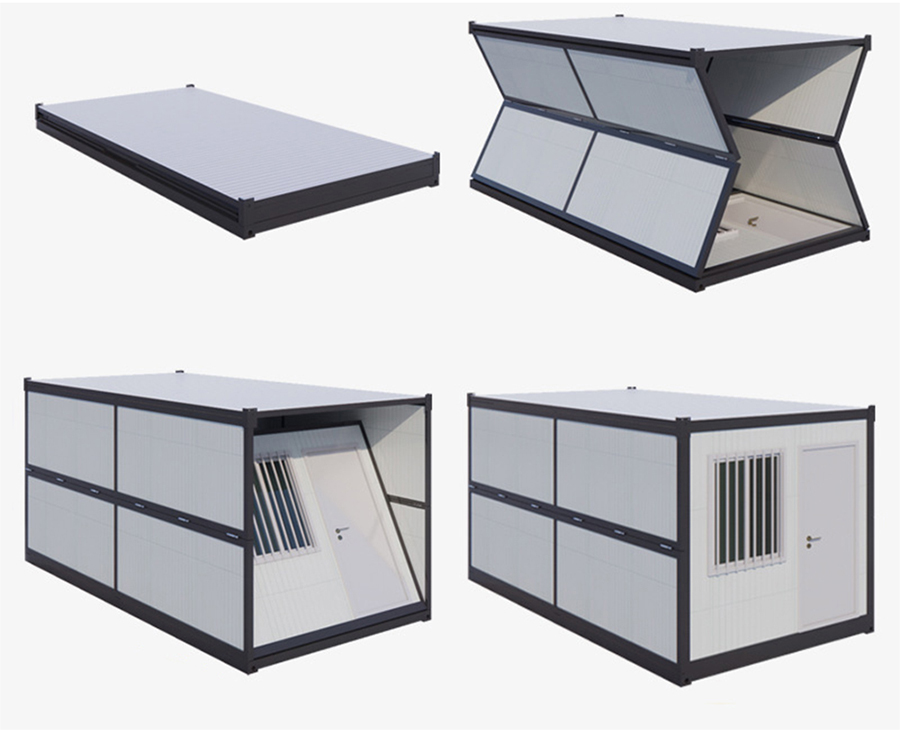
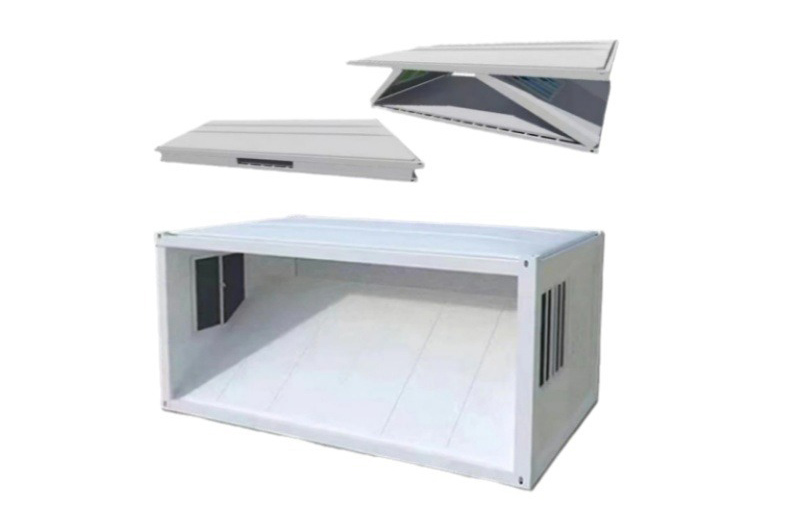
At first glance, do you think all container houses look exactly the same? This perception often comes from limited exposure to prefabricated structures. In reality, various types exist with distinct features. Today, we will introduce two main categories: flat-pack container houses and expandable container houses.
☆Definition
Flat-pack container houses
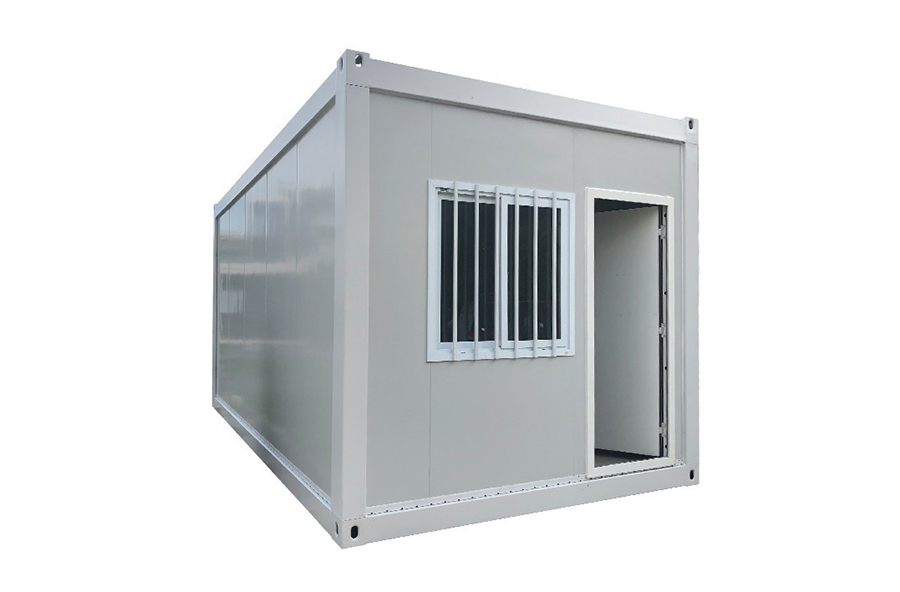
Flat-Pack Container Houses are prefabricated structures shipped as disassembled wall panels, roof, and floor sections. These components are bundled for compact transportation, with key frames pre-welded for structural integrity. On-site assembly involves installing the pre-assembled roof and floor frames before attaching wall panels and columns. This method enables efficient logistics—allowing 6-8 units of a 6×2.4m module to fit in a 40-ft container—while ensuring a robust, weathertight building. However, crane or forklift assistance is typically required for positioning the main frames.
Expandable container houses
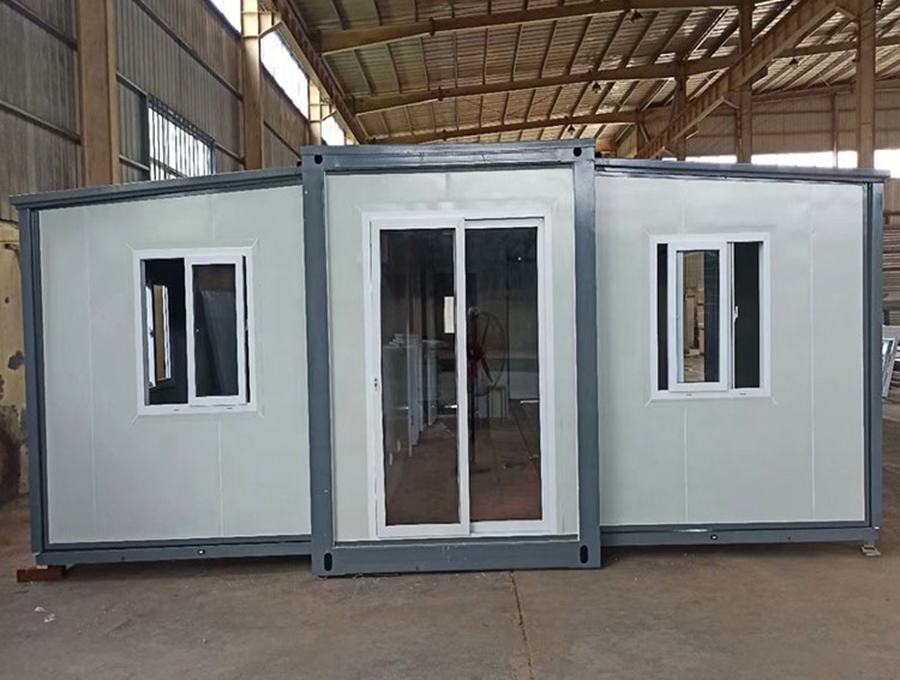
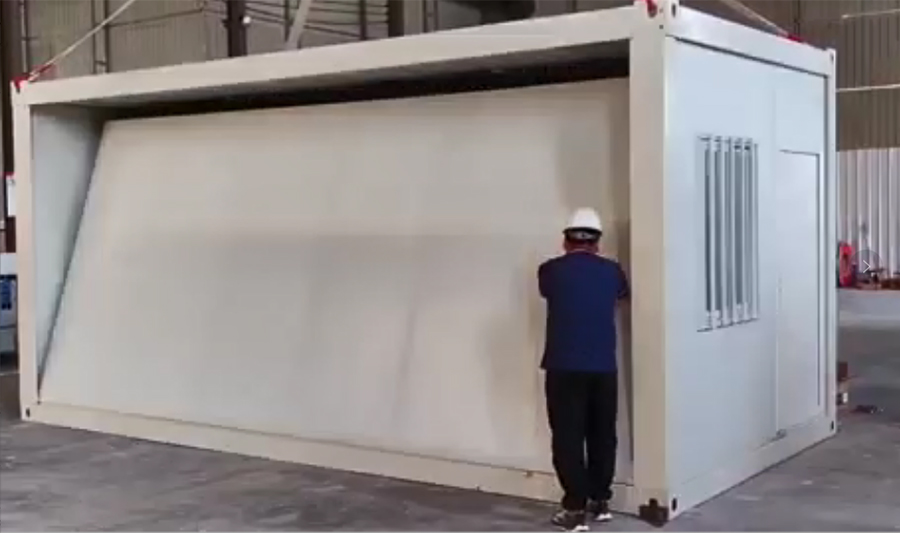
Expandable folding container houses are prefabricated modular units shipped as complete, fully-formed boxes. Utilizing integrated hinges and folding mechanisms, these structures rapidly deploy on-site by unfolding wall and floor sections to significantly expand interior space. Requiring minimal labor and no complex assembly, they transform from a compact transport configuration into spacious, continuous rooms within hours. This design combines rapid deployment with complete structural integrity, offering an ideal balance of portability and immediate usability.
☆Set up and shipping
Flat-pack houses ship as kits of frames and panels you bolt together.
Flat-pack container houses occupy moderate shipping space—typically 6-8 units fit in a 40-ft container. On-site assembly involves positioning the pre-welded base frame, bolting columns and wall panels, then installing the roof frame. This process generally requires crane or forklift assistance for handling the main structural components.
Expandable houses arrive as a single folded box that unfolds into full rooms in less time.
Expandable container houses ship as near-complete units, typically fitting only 2 modules per 40-ft trailer due to their container-sized folded dimensions. On-site deployment involves unlocking fold-out floors, swinging walls into position, and using integrated jacks or cranes to secure extensions. This design enables remarkably rapid setup despite requiring greater transport space.
☆Roof Performance
Flat-pack houses feature factory-welded roof and floor frames, creating an exceptionally rigid structure. Wall panels are bolted to these frames, often incorporating integrated drainage systems. This welded construction provides superior weather resistance against rain and wind compared to alternative container types.
Expandable houses utilize hinged wall and floor sections with rubber gaskets for sealing. Integrated drainage channels along fold lines direct rainwater away. While highly leak-resistant when properly assembled, their waterproof reliability depends entirely on precise seal installation.
☆ Space & Layout
Flat-pack units offer maximum layout flexibility, functioning as structural shells that allow custom configuration of walls, windows, and partitions. Their standardized dimensions enable seamless side-by-side or vertical stacking to create larger spaces. This system supports tailored room divisions and future expansions, making it ideal for customized residential or commercial applications.
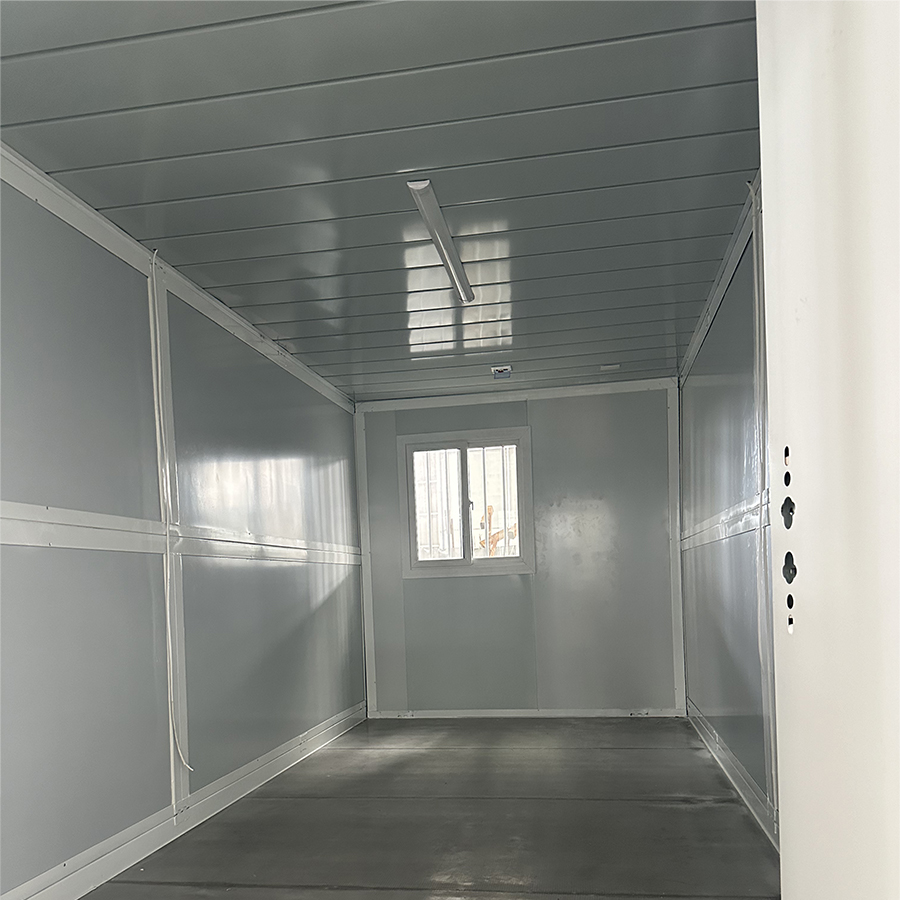
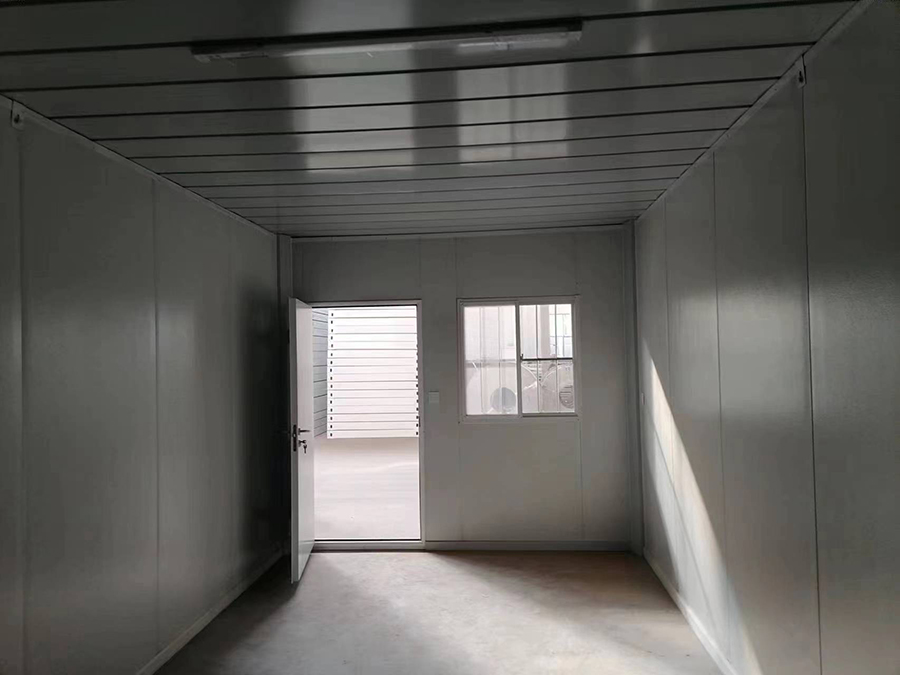
Expandable units feature predetermined layouts defined by their folding mechanisms, typically forming one or two fixed spaces. Delivered with pre-installed interiors including plumbing and electrical systems, they offer immediate usability but minimal reconfiguration potential. This design suits scenarios requiring rapid deployment with standardized, self-contained facilities.
☆Application
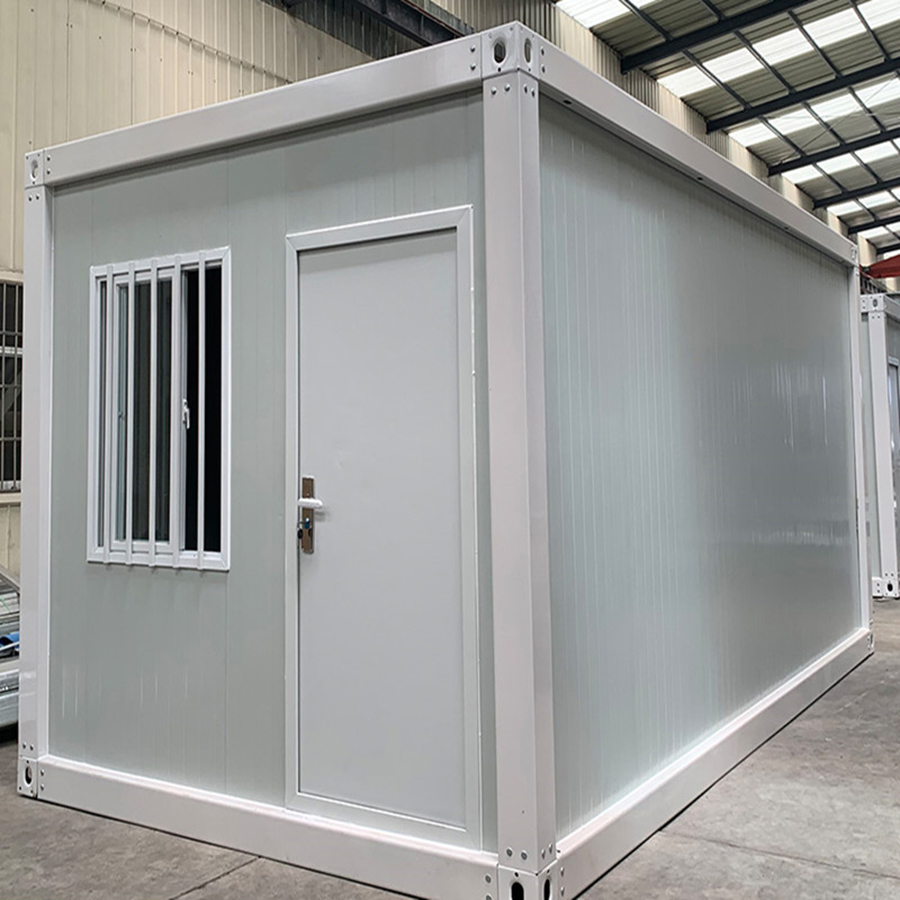 Flat-pack Container Houses are ideal for permanent or long-term installations requiring customized layouts and multi-story configurations. Their structural strength and modularity make them perfect for residential complexes, schools, medical clinics, and commercial facilities where spatial flexibility and durability are prioritized.
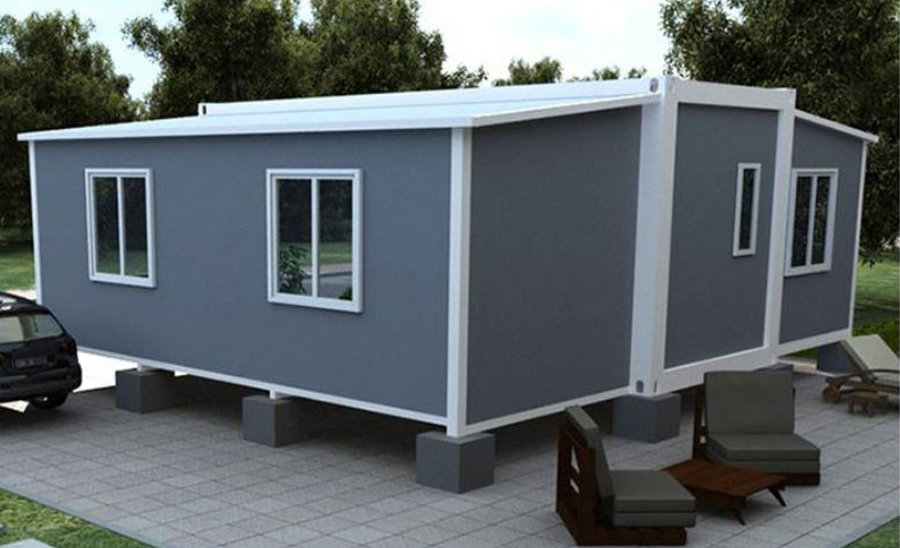 Expandable Container Houses are optimized for immediate deployment scenarios requiring fully-equipped interiors. These units serve excellently as emergency response shelters, site offices, mobile clinics, and temporary showrooms where rapid setup and operational readiness are critical.
☆Advantages and Disadvantanges
|
|
Advantages |
Disadvantanges |
|
Flat-Pack Container Houses |
Excellent transport efficiency (6-8 units/40ft container); superior structural rigidity with welded frames; outstanding weatherproof performance; flexible modular combinations. |
Requires crane equipment for installation; higher initial cost and longer production lead time; relatively complex on-site assembly. |
|
Expandable Container Houses |
Rapid deployment (under 1 hour); pre-finished interiors with modern amenities; immediate usability after unfolding. |
Fixed internal layout with limited reconfiguration; requires regular maintenance of folding mechanisms; needs substantial clearance for operation; restricted modular connectivity. |
Ultimately, your choice between flat packed containers and expandable folding containers hinges on specific project priorities. For maximizing shipping efficiency and storage space, flat packs excel. For projects demanding rapid on-site deployment and minimal labor, expandable containers offer superior convenience, making them ideal for temporary or mobile needs.
If you have any questions,please contact the Yumisteel team for tailored solutions!Thank you!