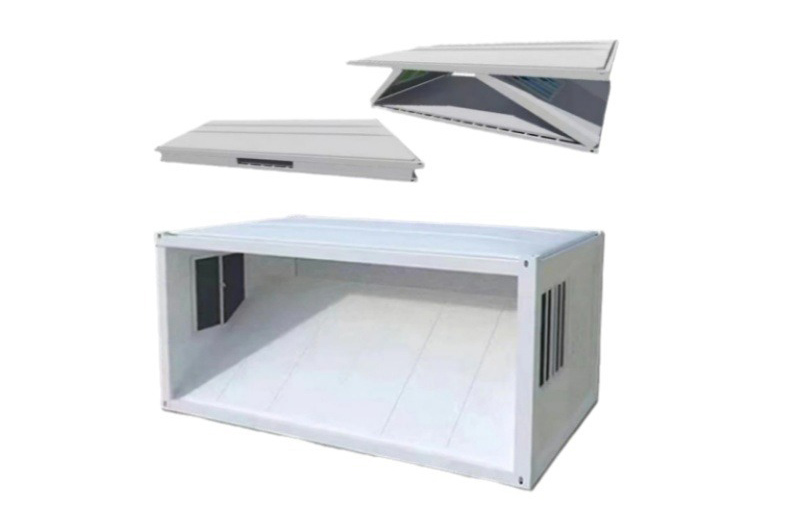
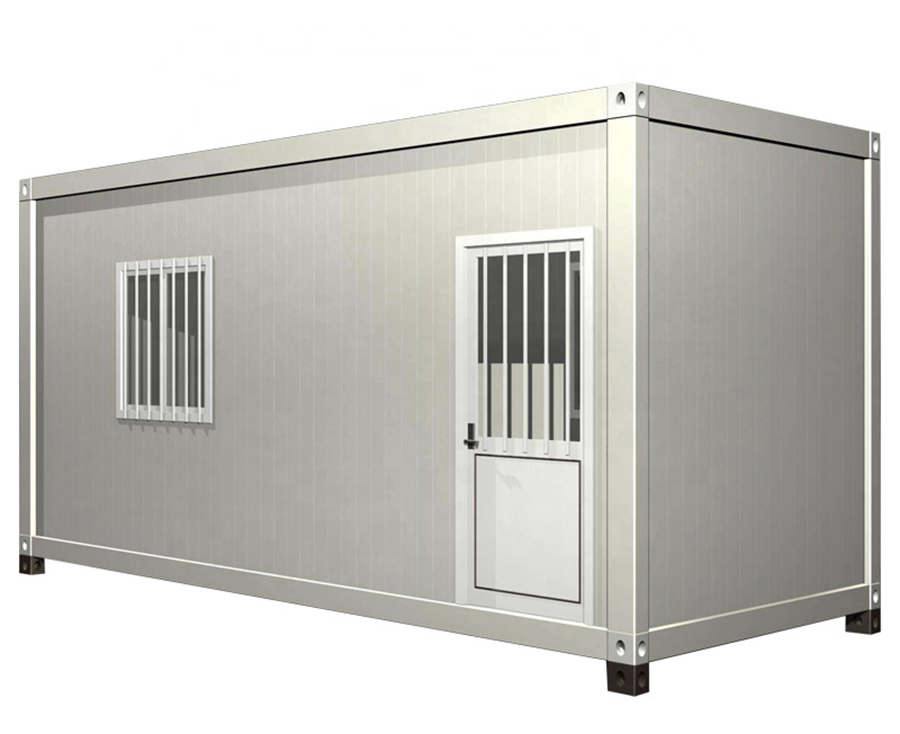
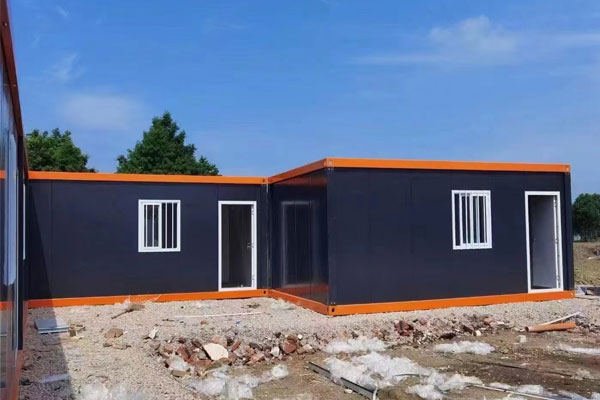
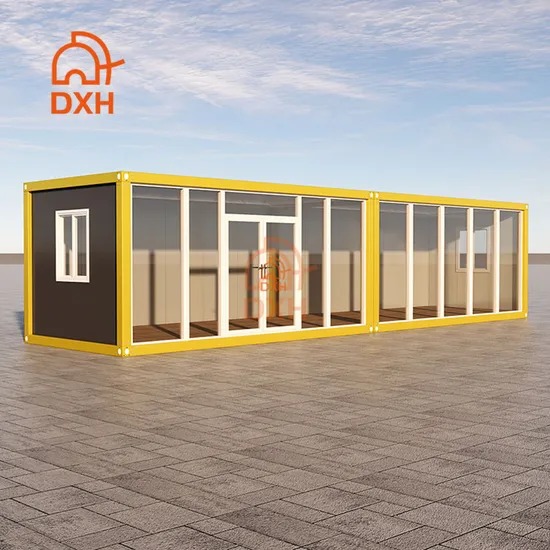
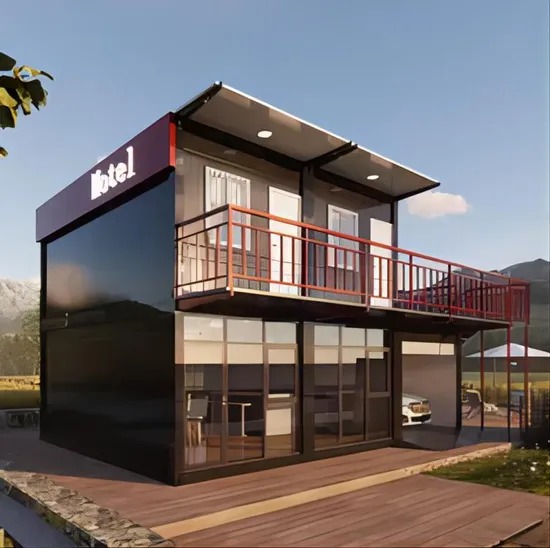
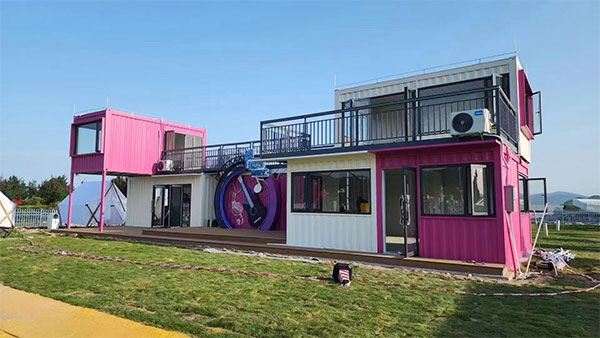
Flatpack container homes have become a cost-effective, eco-friendly, and versatile solution. These modular homes are easy to transport and assemble, making them ideal for temporary sites or emergencies. If you are considering installing a flat-pack container home, this guide will walk you through the entire process from preparation to completion.
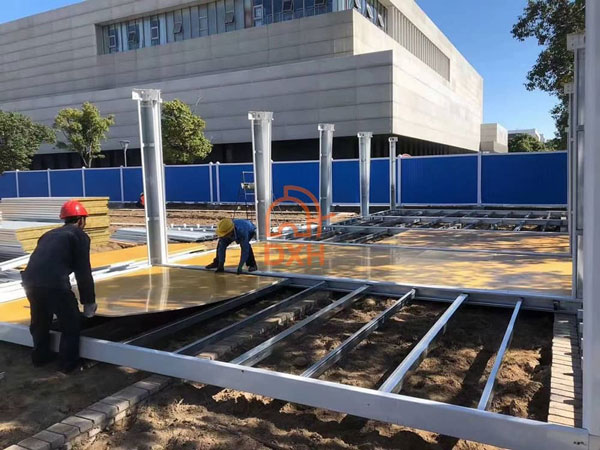
 

Install Flatpack Container House Floor


What is a Flatpack Container Home?


A flat-pack container home is a prefabricated home shipped to your construction site in a flatpack kit. The individual components (walls, roofs, windows, doors, and other parts) are pre-manufactured off-site and then assembled.


Flat-pack container houses are becoming increasingly popular due to their ease of construction, cost-effectiveness, and sustainability. In addition, they are made of steel for durability and are highly resistant to earthquakes and deformation.
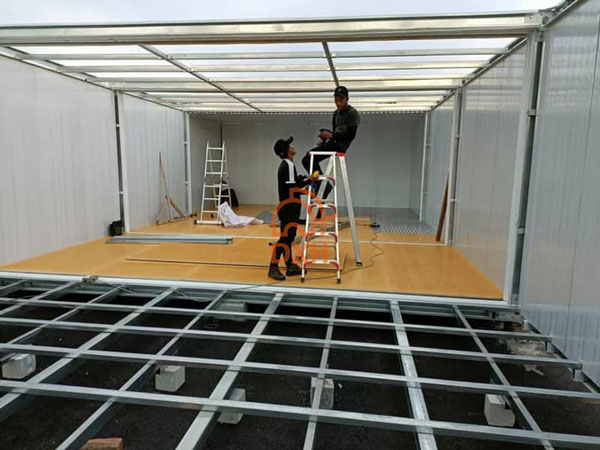
 

Install Flat Pack Container


Steps to Install a Flat-Pack Container House


There are several key steps involved in installing a flat-pack container home. They are described below:


Step 1: Choose the Right Flat-Pack Container Home


The following factors need to be considered before installation to choose the right flat-pack container home:

- Size: How many rooms and square feet do you need.

- Materials: Steel and insulation for durability and energy efficiency.

- Features: Windows, doors, plumbing, and electrical setup.

- Budget: Cost considerations, including shipping and installation fees.


Step 2: Prepare the Site


A well-prepared site ensures a smooth installation process. Follow these steps:

- Check local regulations: Obtain necessary permits and comply with local laws.

- Clear the land: Remove debris, trees, or obstructions from the installation site.

- Level the ground: Ensure the foundation is stable and level.

- Install utilities: Install plumbing, electrical, and sewer connections if necessary.


Step 3: Lay the Foundation


While a flatpack home can be placed directly on the ground, a proper foundation can improve stability and longevity. Choose from the following:

- Concrete slab: Provides a strong and permanent foundation.

- Pier foundation: Uses concrete piers for elevated support.

- Steel beams: Provide a durable and quick-to-install alternative.
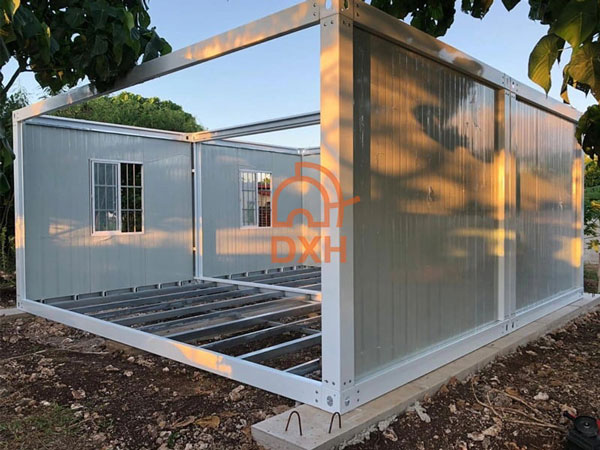
 

Flatpack Container Home


Step 4: Disassemble and Arrange the Parts


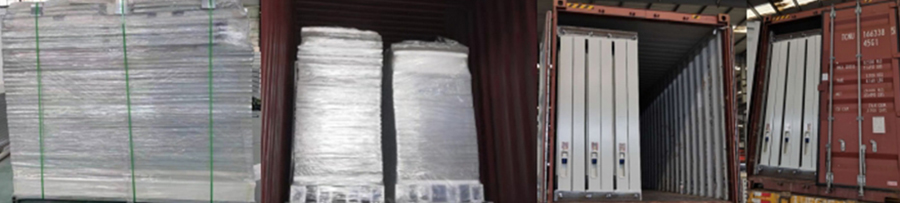
When your flatpack arrives, it will look like a giant puzzle. Unpack all the packaging and check the fittings against the list provided by the supplier to avoid any problems during assembly. Place the panels, frame pieces, and hardware in the order they will be assembled. If necessary, place the installation manual information next to it.


Step 5: Assemble the Base Frame


Bolt or screw the pieces together as instructed. Double-check that it is square (measure the diagonals; they should match). Secure the base to the foundation using anchors or brackets, depending on your location.


Step 6: Lift the Walls


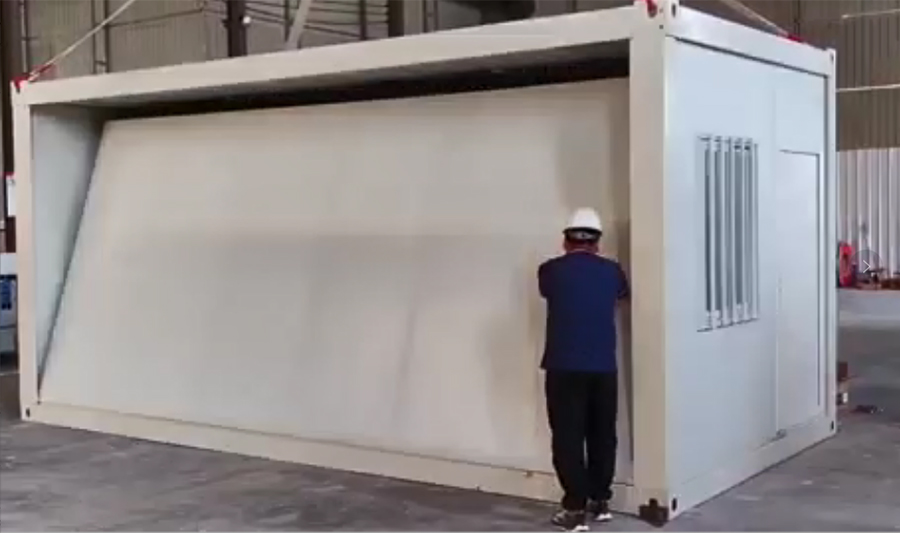
Next, install the wall panels. These panels are usually inserted into the base frame and secured with bolts, screws, or clips. You may need another helper to help you with this job. If your kit includes insulation or electrical conduits, they are usually pre-installed in the panels, which can save a lot of time.


Step 7: Install the Roof


Lift the roof panels into place and secure them to the wall. Some kits have sloped roofs to drain rainwater, while others are flat. Either way, follow the manual to make sure the roof is sealed tightly. This step usually requires climbing, so use a sturdy ladder to assist you and use a safety harness if necessary.


Step 8: Add Doors, Windows, and Finishing Touches


Install pre-cut doors and windows (usually included). When you're done, seal the edges with weatherproof caulk to prevent drafts and leaks.


Step 9: Inspect and Move In


- Structural Integrity: Make sure all bolts and connections are secure.

- Practical Functionality: Test electrical, plumbing, and heating/cooling systems.

- Safety Measures: Install smoke detectors, fire extinguishers, and emergency exits.


Once everything is in place, you can move into your flatpack container right away! Whether used as a mobile office, temporary dormitory, emergency shelter, or more, these modular homes offer flexibility and sustainability for modern living.


Conclusion


Installing a flat-pack container home offers an affordable and efficient housing solution. With careful planning for both the interior and exterior, you can create a space that is comfortable, stylish, and functional. If you're seeking an easy, eco-friendly way to build your own private living space or for other purposes, a flatpack container house is worth considering. With some DIY effort, you can create a stylish, customized living area that meets your needs and fits within your budget. Come and get a quote for your ideal container house right now!


YouTube Video
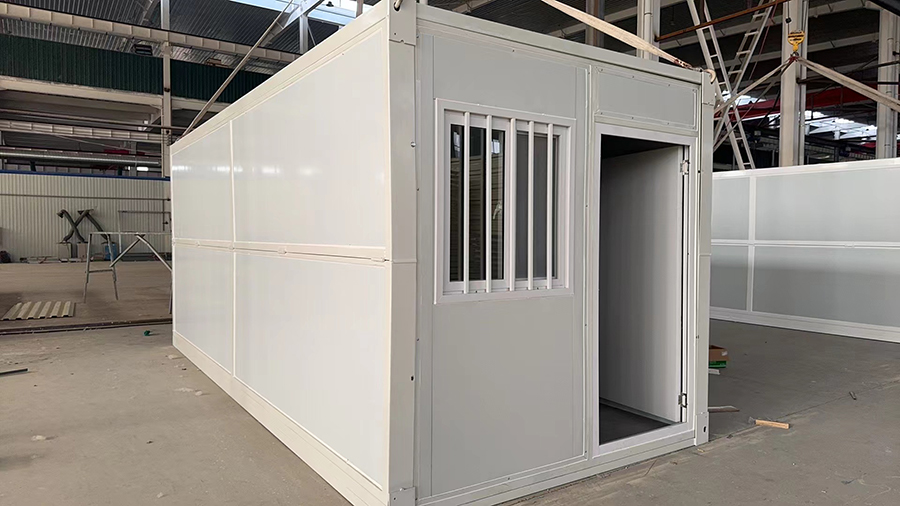


Flat pack prefab house for multiple introduces modern design elements, customized services based on product categories and customer needs. Compared with a single container, it can present more rich functions through stacking and other construction methods. The Flat Pack container house has been bringing in plenty of benefits to the construction and other regular purposes. Most of the contractors and designers are now turning their attention towards flat pack containers for an innovative and unique type of construction and housing style. This makes it easier for homeowners to gain a perfect and affordable place to enjoy their livelihood.


Following are some benefits of the flat pack container house :

1. Affordable

The first and foremost important benefit of the flat pack containers is its affordability. These containers cost much less than laying the actual foundation in the regular construction industry.

2. Flexibility in Building

In flat pack containers, there is no such limit on the design and style in which the construction should be done; you get to choose from a wide variety of available designs due to the flexibility of these containers in every way possible.

3. Customization

With the help of a good designer you can have a perfectly customized house in these flat pack containers.

4. Freedom

The choice of using flat pack containers brings along the freedom of choice. These containers give us the freedom of choosing whatever structure and design we want our building to be in.

5. Anti Rust


The Flat Pack container house is made from galvanizing steel which helps them stay away from getting rusted and which also brings long durability in these containers.


GUIZU committed to providing customers with high-quality professional and cost-effective flat pack container house,Flat pack prefab house. Let us join together and become the most reliable partner in this diversified market.

With the fast pace of modern life, foldable houses are becoming an efficient solution for contemporary living. They save time, reduce costs, and are easy to transport. The X-type and Z-type foldable container houses are two popular models. Here, we analyze the differences between these two types of container houses.

The differences between X and Z Folding Container House

Definition

X Folding Container House

X Folding Container House

The X-folding container house is an expandable modular building utilizing a horizontal cross-folding mechanism. It consists of reinforced steel frames, interconnected wall panels, and central locking systems. This prefabricated structure provides rapid deployment, excellent weather resistance, and durable spatial performance. Its compact transport size and quick setup make it ideal for temporary facilities and emergency shelters.

Z Folding Container House

Z Folding Container House

The Z-folding container house is a prefabricated modular structure featuring a unique zig-zag folding wall system. Its core components include reinforced steel frames, interconnected wall panels, and integrated locking mechanisms. This portable building offers excellent structural stability, weather resistance, and rapid deployment capability. The compact folding design ensures maximum space utilization and transportation efficiency, making it an ideal relocatable shelter solution for various temporary applications.


Set up and fold method

X Folding Container House

The X-folding container house expands horizontally via a manual pull mechanism. Its four wall assemblies slide outward along tracks, doubling the floor space. After unfolding, locking pins are secured for stability, enabling rapid deployment without heavy machinery.

Z Folding Container House

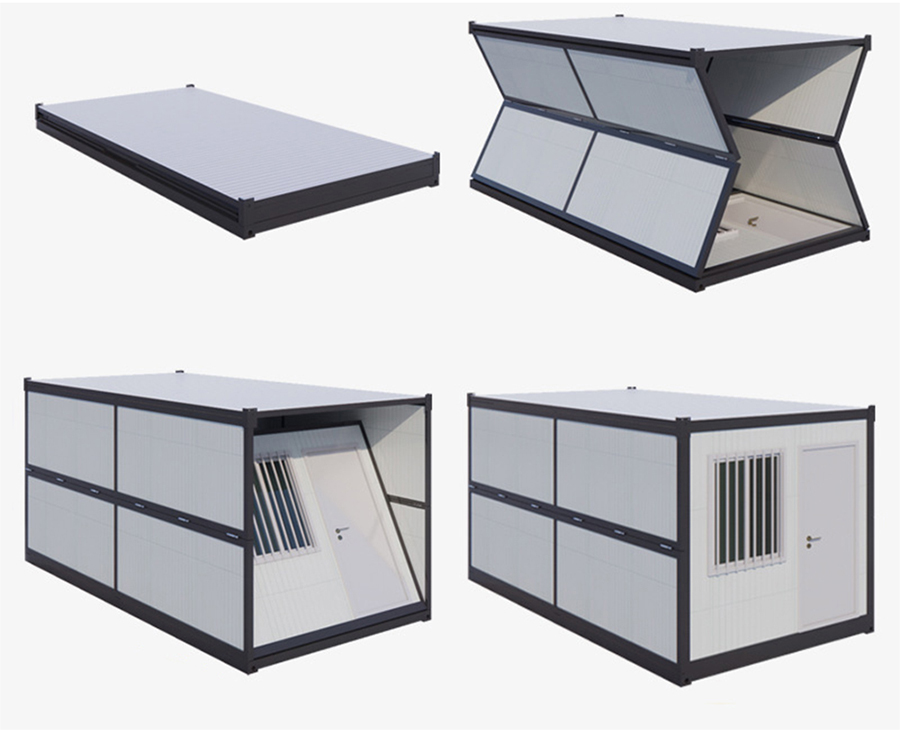
The Z-folding container house features a zig-zag folding mechanism. It expands from a compact unit by lifting the roof, which unfolds walls automatically. Locking pins secure the structure, enabling rapid, crane-free setup and repeated use.


Roof Performance

X Folding Container House

The X-type utilizes a simpler roof formed by folded wall panels, relying primarily on sealants for waterproofing. While functional in mild conditions, it requires regular maintenance of fold-line seals and demonstrates limited performance in extreme weather situations compared to reinforced designs.

Z Folding Container House

The Z-type features a reinforced roof structure with integrated gaskets and drainage systems, providing exceptional load-bearing capacity and waterproofing. It effectively handles heavy rain and snow, preventing water pooling and leakage for reliable all-weather protection with minimal maintenance requirements.


Space & Layout

X Folding Container House

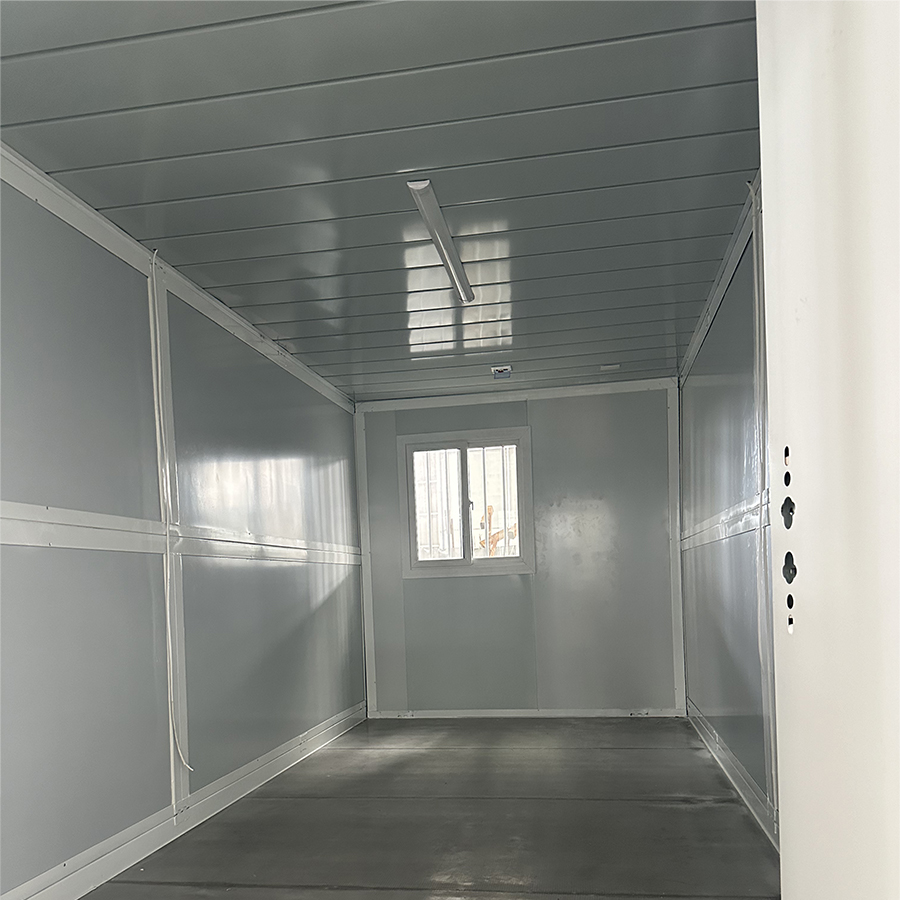
The X-type features an open-plan layout with minimal internal divisions, creating flexible single-space interiors. This configuration is particularly suitable for temporary pop-up offices and short-stay housing where rapid deployment and open spaces are prioritized over room separation.

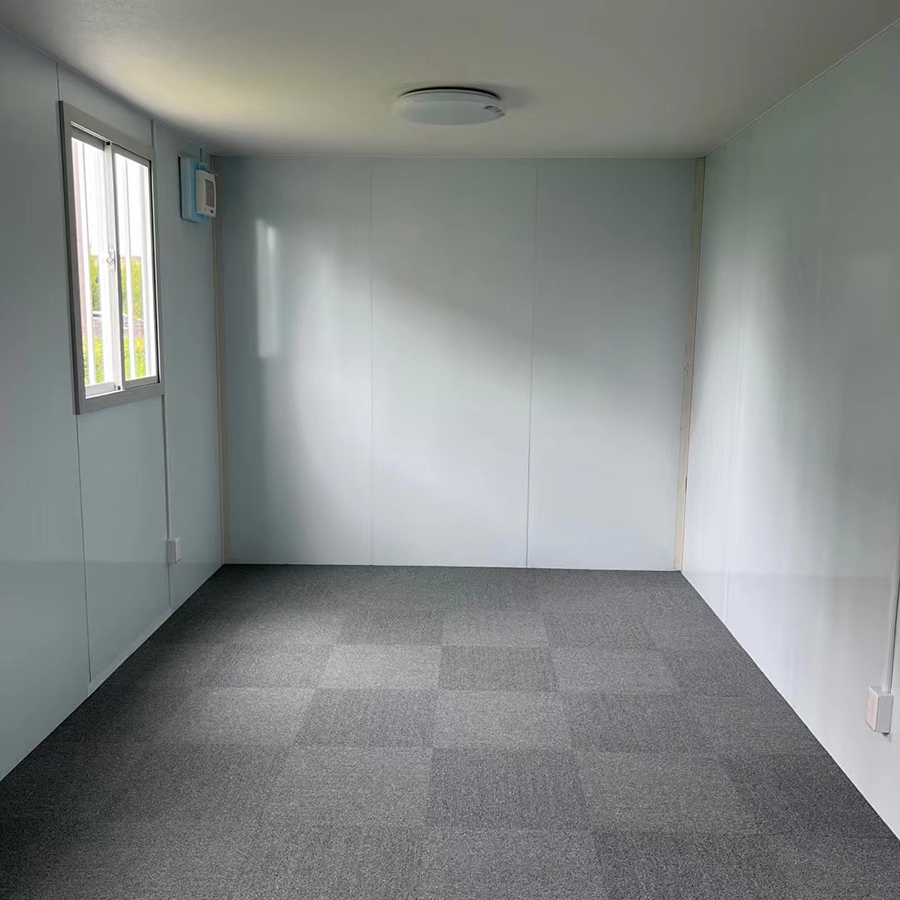
The interior of X Folding Container House

Z Folding Container House

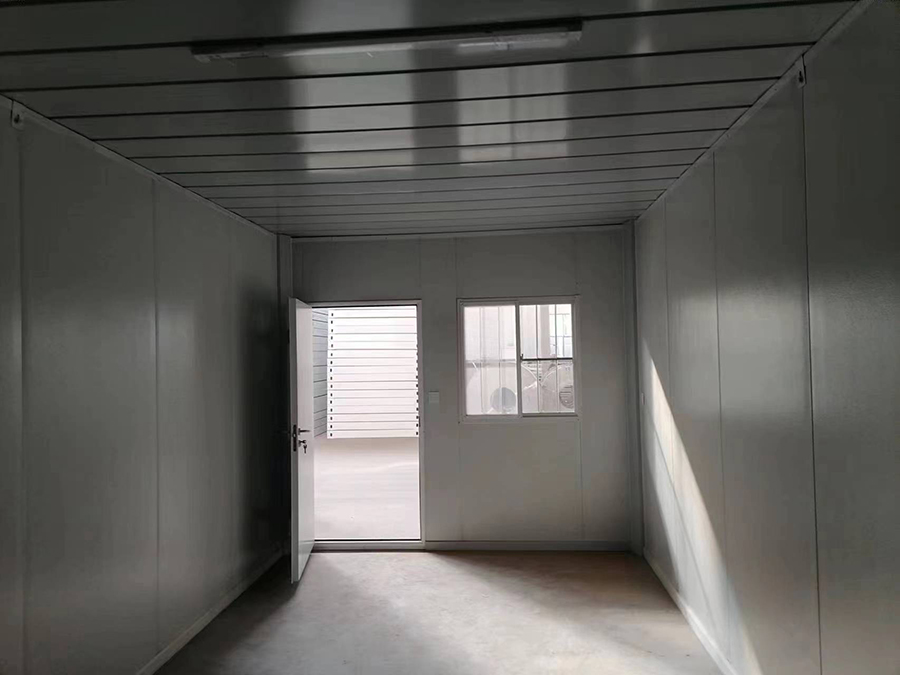
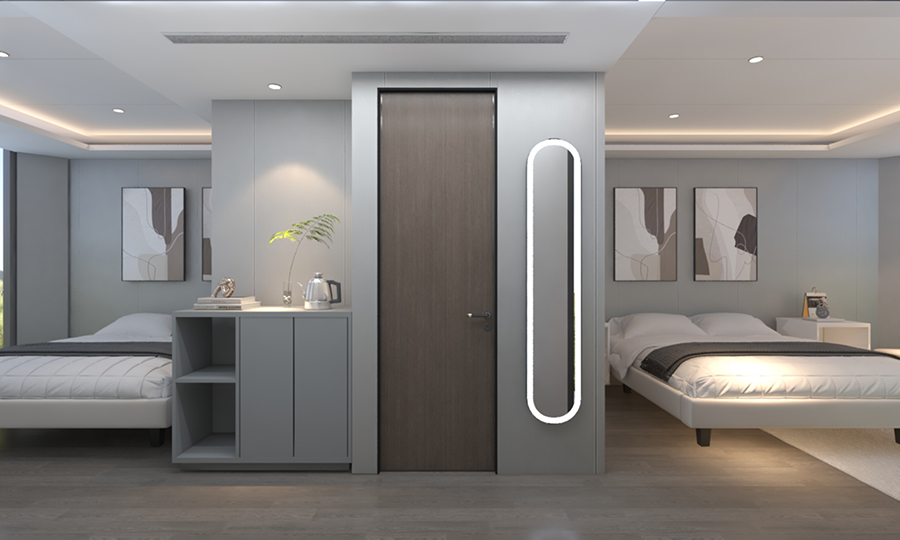
The Z-type design creates defined room divisions, offering clear separate spaces ideal for two-bedroom configurations. This layout provides enhanced privacy and organization, making it well-suited for staff housing, rental units, and other applications requiring structured long-term living arrangements.

The interior of Z Folding Container House


Application

X Folding Container House

The X-type model suits temporary projects where cost-effectiveness and simplicity are prioritized. Designed for under 50 folding cycles and a 5-8 year lifespan, it serves well for pop-up offices, short-term housing, and event spaces where minimal relocation and basic functionality are required.

The folding of X Folding Container House

Z Folding Container House

The Z-type model is engineered for projects requiring frequent relocation and long-term use, supporting over 100 folding cycles and offering a 15-year service life. Its durable construction and enhanced weather resistance make it ideal for permanent installations, repeated deployments, and applications demanding high durability.

The folding of Z Folding Container House

In summary, the choice between X and Z folding container houses depends on your specific project requirements. The Z-type folding house offers superior durability, long-term performance, and excellent weather resistance, making it ideal for frequent relocation and extended service life. Conversely, the X-type folding container house provides cost-effective simplicity perfect for temporary installations and short-term needs. Carefully evaluating your timeline, mobility requirements, and environmental conditions will ensure you select the most suitable prefabricated housing solution. Both modular designs deliver practical portable architecture while serving distinct application scenarios.

If you have any questionsplease contact the Yumisteel team for tailored solutions!Thank you!

Are you struggling to choose the right housing solution for your project? Generally, capsule units and container houses are both suitable options. However, deciding between the two can often be challenging, as each type has its own specific applications and advantages. Here, we provide a detailed comparison to help you identify the best fit for your project's needs.

What are capsule and container houses?

Capsule house

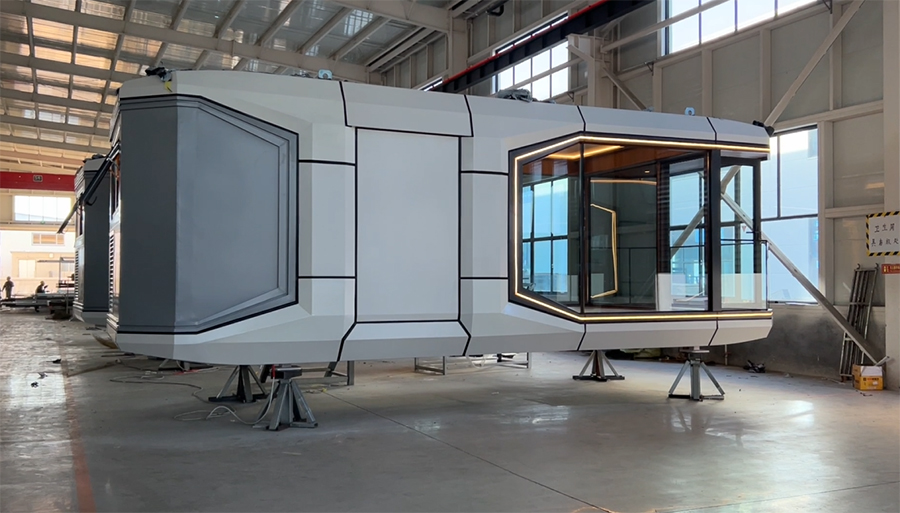
Capsule house is a fully customized, factory-finished dwelling designed for immediate living. Its key features include integrated insulation, pre-installed electrical and plumbing systems, and a modern interior, requiring minimal additional work. The distinctive dome-shaped exterior offers weather resistance and low maintenance. Setup is quick, involving only placement on a small foundation and connection to utilities, allowing for habitation shortly after delivery.

Container house

Container house is a modular home built using main beam,sandwich panels,windows,doors or custom-made steel structures.It is beginning as an empty steel structure. It requires significant customization to become habitable, including cutting openings for windows and doors, and installing insulation, electrical systems, and plumbing. The interior needs extensive finishing work to conceal the raw walls and create a comfortable living space. While its modular shape offers a modern aesthetic, the flat roof requires consistent maintenance to prevent water accumulation and rust. Ultimately, despite a potentially lower initial cost, container houses demand considerable on-site effort and ongoing upkeep.

What is the difference between the capsule and container houses?

Key Characteristics

Capsule House decoration

Capsule House

Space-Optimized Design

Capsule homes are designed to maximize utility in a small footprint, providing essential living areas like a bathroom and kitchen in a compact design.

Modular and Prefabricated

They are built using modular components in a factory setting and can be shipped and assembled quickly on-site, sometimes in just a couple of days.

Modern Technology and Sustainability

Many capsule homes feature smart home systems, energy-efficient designs, and are sometimes equipped with solar panels for power.

Futuristic and Sleek Aesthetics

The design often has a space-age, futuristic appearance, with a sleek, clean, and often white exterior.

Durable Construction

Built with lightweight but strong materials, these homes can be engineered to be durable and even resilient to extreme weather conditions.

Container house decoration

Container House

Modular and Versatile

Containers are standardized units that can be arranged in various configurations and stacked to create multi-level structures.

Durable Structure

Built from strong Corten steel, shipping containers are engineered to withstand harsh conditions, making them resistant to weather and robust for housing.

Cost-Effectiveness

Using recycled containers can reduce material and labor costs compared to traditional construction, although the final price varies greatly based on features.

Sustainability

Reusing containers for homes aligns with sustainability movements by giving these metal boxes a second life.

Aesthetic Flexibility

Designs can range from simple cabins to luxurious, modern homes, often featuring large windows, modern kitchens, and open-concept layouts.

Installation

Capsule house arrives nearly fully assembled, requiring only a simple foundation like pads or blocks. After a crane places the unit on-site, utility connections are made, enabling occupancy within hours. This process significantly reduces both construction effort and overall cost.

Container house construction is a multi-stage process. It begins with cutting openings for windows and doors, followed by installing insulation, electrical wiring, and plumbing. Interior finishes such as walls, floors, and ceilings are added to conceal the steel structure, along with HVAC systems for comfort. Finally, protective coatings are applied to prevent rust. This labor-intensive approach requires significantly more time, effort, and cost compared to capsule units.

Packing and delivery

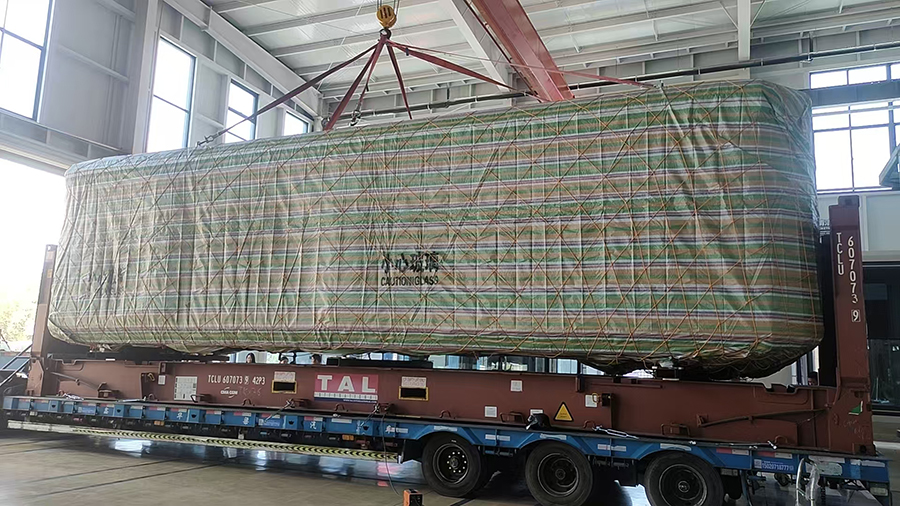
Capsule House packingCapsule house is delivered as a single, complete unit, typically requiring a truck and crane for transportation and placement onto a prepared foundation. This method ensures the structure is fully operational upon arrival, making it ideal for hospitality projects like resorts and glamping sites where immediate visual appeal and functionality are crucial.


Flat packed container hosue packing Container houses excel in bulk relocation due to their standardized dimensions, which allow efficient stacking and transport via truck, rail, or ship. This makes them a cost-effective solution for projects requiring rapid deployment of multiple units, such as temporary worker camps or construction site offices.


Cost

Capsule houses represent a premium housing solution, with prices varying based on size and specifications. Basic models start around $34,000-$8,000, mid-range glamping units cost $8,000-$21,000, and luxury or two-bedroom models begin at approximately $26,000. Significant cost reductions are available for bulk orders, with prices potentially falling to $23,000 per unit for orders of 10-30, and to $16,000 for orders exceeding 100 units. These prices exclude shipping and foundation preparation costs.

While container house may have a lower initial purchase price than a capsule house, the total cost increases significantly with necessary modifications. These include cutting openings, adding insulation, installing utilities, and finishing the interior. Therefore, container houses are most cost-effective for large-scale projects where bulk purchasing and standardized finishing can reduce the per-unit cost.

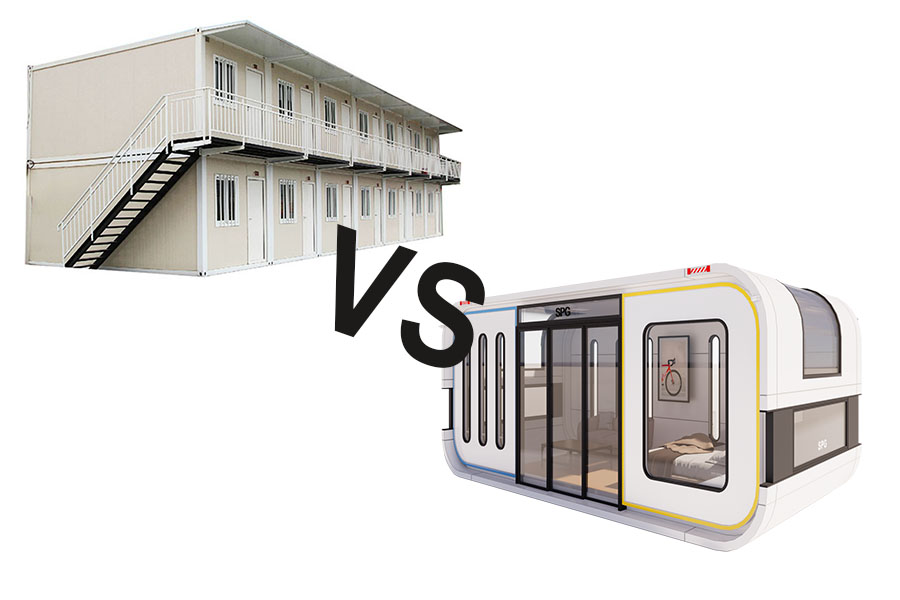
Capsule House vs Container HouseIn summary, both capsule houses and container houses offer distinct advantages. For rapid deployment and modern design, capsule units excel. For large-scale, budget-conscious projects, container houses are ideal. Your choice ultimately depends on project priorities: speed and aesthetics versus scalability and initial cost efficiency.

If you have any questionsplease contact the Yumisteel team for tailored solutions!Thank you!

In recent years, a large number of creative, sustainable, and affordable solutions have emerged in the housing field. One of the prominent options is the flat-pack container house. At its core, the flat-pack container house is a modular house made of containers, which is portable, economical, and quick to assemble. It is very suitable for construction, mining, industrial camps, hospital facilities, and emergency or disaster relief command centers.


Prefab Modular Container Home


The Basics: Breaking Down Flatpack Design


Flat-pack container homes are prefab container structures designed to be shipped in a compact, flat-packed format and then assembled on site. They come with prefabricated walls, floors, roofs, and necessary structural components, making the assembly process quick and efficient. The sections are flat-packed, neatly stacked, and delivered to your location. These modular units can be easily transported, stacked, and rearranged to accommodate a variety of site conditions and space requirements. This adaptability makes them an ideal solution for everything from emergency housing and temporary shelter to permanent residences and commercial spaces.


Prefab Container Houses


How To Make It A Home?


Flatpack container homes are insulated, weatherproof, and have customizable features like doors and windows. Depending on your needs, you can use a standard prefab modular container home layout or combine multiple modular units for a larger space. Stack them up to make a two-storey prefab home, or get creative with a multi-story design.


The container home interior can be customized and catered to any design or style you want. You can add some smooth floors, modern fixtures, and kitchen cabinets to highlight your personal style and turn it into a stylish and practical home. In addition, its assembly is far more efficient, affordable, and durable than traditional construction.


2-Storey Modular Container Houses


Why Choose a Flat-Pack Container House?


You might be wondering: What's the appeal? Firstly, these are an affordable alternative to brick-and-mortar construction for homes. These modular units can be combined, stacked, or customized, allowing for the development of entire communities made up of interconnected container homes. As a result, flat-pack container houses are becoming an increasingly attractive option for individual homeowners, developers, and governments looking for innovative and affordable housing solutions.


Another big attraction is the environmental angle, with flatpack homes having less impact on the environment than traditional homes. Add to that energy-efficient insulation and optional solar panels, and you have a green living option that's hard to beat. Flatpack container houses often feature clever storage solutions, multi-functional furniture, and open-plan layouts to maximize the available square footage.


Common Uses for Flat-Pack Containers


Residential: A cost-effective and stylish alternative to traditional housing.


Office Space: Provides a fast and modern office solution for businesses.


Emergency Housing: Provides fast and durable shelter in disaster-stricken areas.


Retail Stores and Cafes: Stylish and compact spaces for small businesses.


Flatpack Container for Retail Shops


Is a Flat-Pack Container Home Right for You?


If you're looking for an affordable, sustainable, and easy-to-build housing option, a flat-pack container home may be the perfect choice for you. Whether you're planning to create an eco-friendly retreat, or need a flexible living space, these innovative container houses offer endless possibilities.

At DXH Container, we specialize in providing high-quality flat-pack container homes customized to your needs. Whether you’re looking for container offices, container dormitory, container coffee shop, or container villa, contact us today to learn more!


keyboard_arrow_up