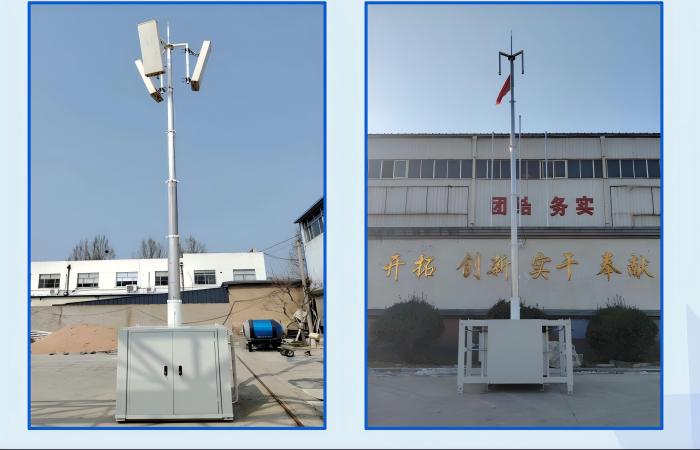
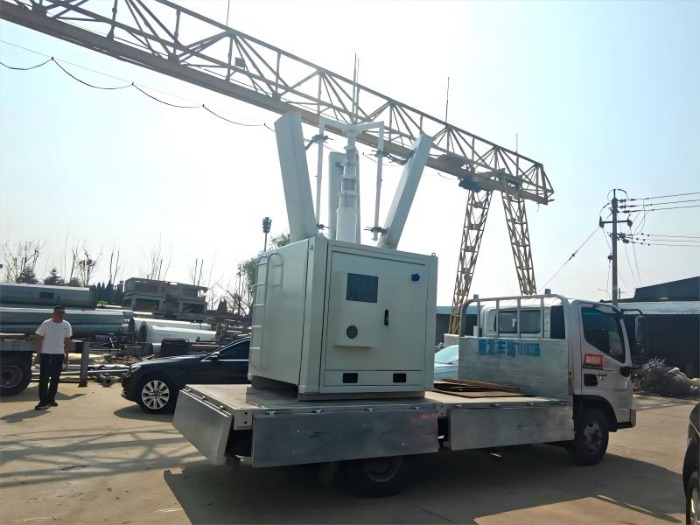
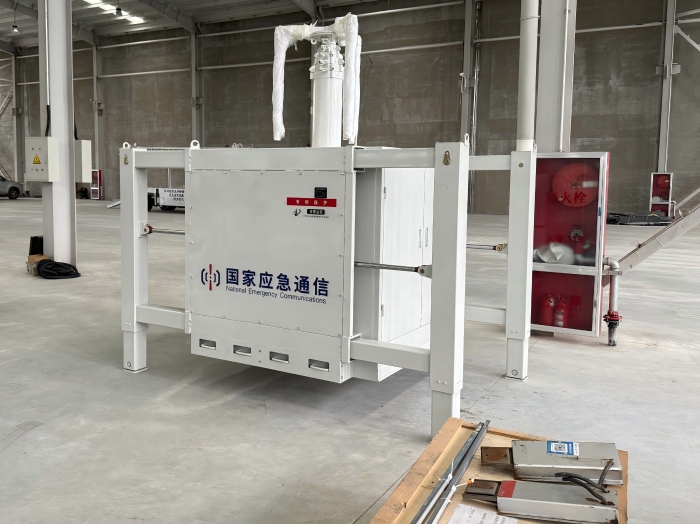
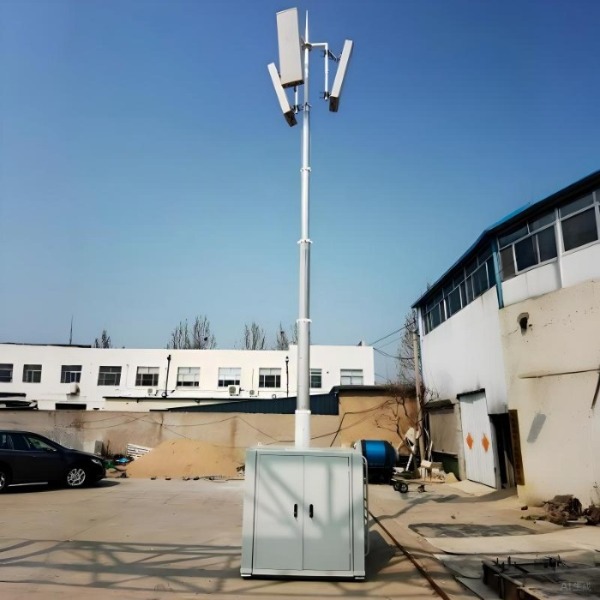
In critical emergencies, communication is a lifeline. Traditional emergency communication setups often take days to become operational—a delay that can cost lives. Today, integrated telecom shelters are revolutionizing this process, slashing deployment times to mere minutes. This blog explores how integrated design and advanced technology are redefining rapid response.
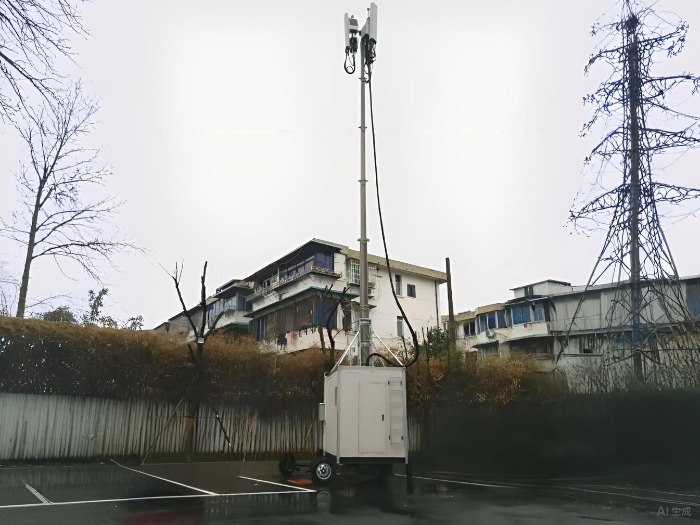

integrated telecom shelter


1. The Traditional Emergency Communication Setup: A Race Against Time

Before all-in-one shelters, establishing emergency communications involved:

  1. Transporting multiple vehicles for command, power, and living support.

  2. Manual assembly of generators, antenna masts, and network equipment.

  3. Complex coordination between disparate systems (e.g., satellite, radio, power).

  4. Typical Deployment Time: 24–72 hours, depending on site accessibility and team expertise.


These delays stem from fragmented logistics, incompatible equipment, and labor-intensive processes.


2. The Game Changer: All-in-One Emergency Shelters

Modern shelters consolidate command, power, and communication into a single, rapidly deployable unit. For example, Sichuan's "shelter fleet" includes a multi-expansion command vehicle that unfolds automatically in 10 minutes and supports up to 70 personnel. Key features enabling this speed include:

2.1 Integrated Systems

  1. Pre-installed Telecom Gear: Satellite, LTE/5G, and radio systems are built in, eliminating on-site assembly.

  2. Unified Power Supply: Onboard generators or batteries eliminate external power setup.

  3. Modular Components: Plug-and-play modules for lighting, computing, and reconnaissance.
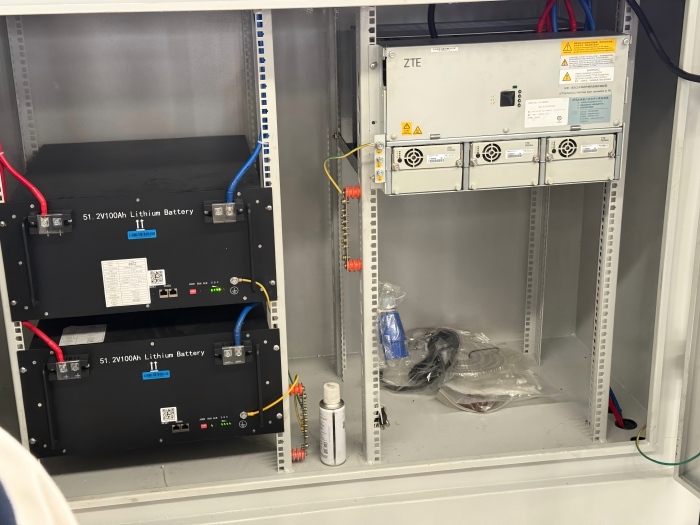

integrated telecom shelter


2.2 Rapid Deployment Mechanisms

  1. One-Button Expansion: Hydraulic or automated systems unfold shelters without manual effort.

  2. Lightweight Materials: Advanced alloys and composites reduce weight, accelerating transport and setup.

  3. Standardized Interfaces: Components connect via pre-configured ports, avoiding technical delays.
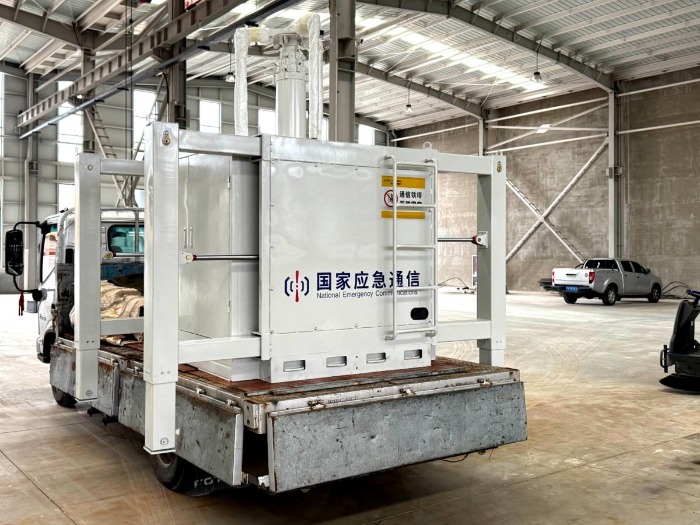

integrated emergency telecom shelter


2.3 Instant Connectivity


  1. Multi-Network Support: Simultaneous use of satellite, cellular, and ad-hoc networks (e.g., narrowband radio) ensures connectivity even in "blackout" zones.

  2. Self-Organizing Networks: Devices like Hubei's "Feng Su Tong" system autonomously form local networks in 30 seconds.


3. Deployment Timeline: "Days-to-Minutes" in Practice


Phase Traditional Approach All-in-One Shelter
Transport & Setup 12–24 hours (multiple trips) 5–10 minutes (single unit)
Power Activation 2–6 hours (generator setup) Instant (built-in supply)
Network Establishment 4–12 hours (antenna alignment, configuration) 3–5 minutes (auto-connected systems)
Full Operational Readiness 24–72 hours 10–30 minutes


Case in Point: In a simulated earthquake response, Sichuan's shelter fleet established a full command center with communications, lighting, and logistics support in under 30 minutes.


4. Core Technologies Driving Efficiency

4.1 Compact, High-Density Power

  1. Lithium-Ion Batteries: Support operations without generators, reducing noise and setup steps.

  2. Liquid-Cooled Systems: Solutions like Shenyang Gufen's immersion-cooled shelters ensure stability in high-temperature environments.

4.2 Automated Infrastructure

  1. Robotic Antenna Masts: Self-erecting masts with auto-tracking satellites.

  2. AI-Optimized Workflows: Predictive algorithms pre-configure networks based on location and disaster type.

4.3 Modularity and Scalability


  1. Plug-and-Play Peripherals: Add lighting, drones, or sensors without recalibration.

  2. Multi-Mission Flexibility: The same shelter can transition from disaster response to event support in minutes.
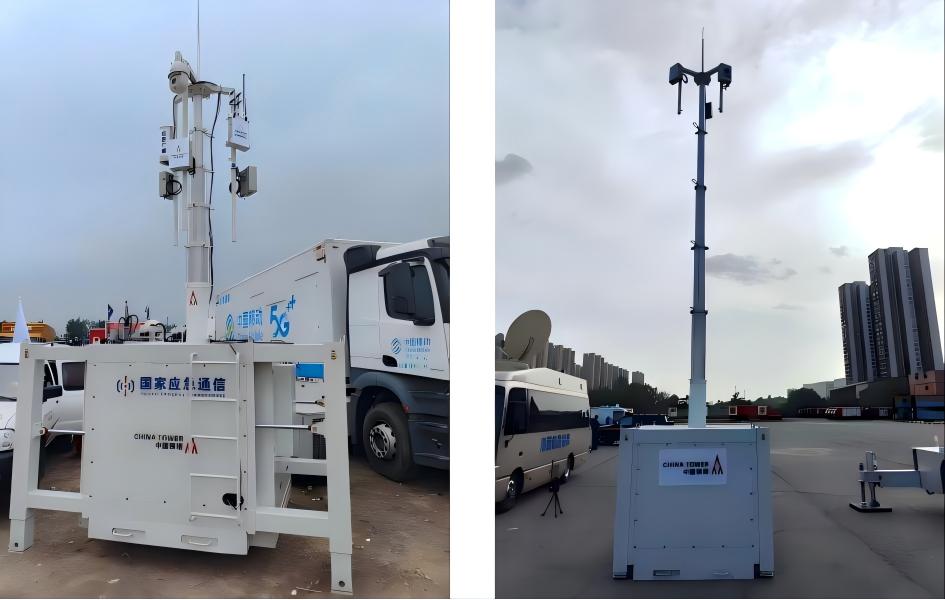

emergency telecom shelter


5. Real-World Impact: From Disaster Zones to Event Coverage

  1. Emergency Missions: In Gansu mountain flood rescue, narrowband radio networks restored communications within 3–5 minutes of arrival.

  2. Public Events: During large gatherings, shelters provide temporary coverage without the need for permanent infrastructure.

  3. Military Uses: Mobile launch-control shelters reduce rocket launch setup time from weeks to hours.
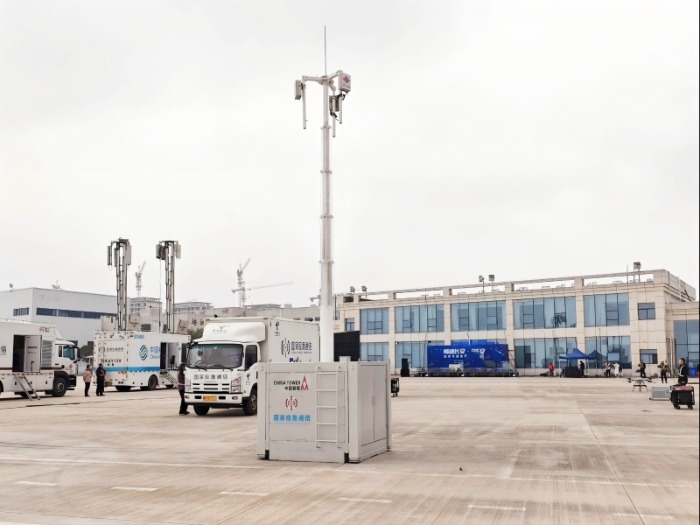

integrated telecom shelter


6. The Future: Autonomy and AI Integration

Next-generation shelters will leverage:

  1. AI-Powered Deployment: Systems that autonomously select optimal locations and configurations.

  2. Self-Healing Networks: Algorithms that reroute data automatically around damaged nodes.

  3. Drone Integration: UAVs for aerial reconnaissance and temporary signal relaying.


7. Conclusion: Efficiency as the New Standard

The shift from days to minutes in emergency communication deployment isn't just an improvement—it's a fundamental redefinition of response capabilities. By embracing all-in-one shelters, agencies ensure that when disasters strike, communication—the backbone of coordination and safety—is available almost instantly.


Click here to learn more about the product. 


Contact Us


Introduction: The Versatile World of Emergency Communication Shelters

In an increasingly connected world, maintaining reliable communication during emergencies and major events is not just convenient—it's critical. Emergency communication shelters have emerged as transformative solutions that bridge the gap between permanent infrastructure and temporary needs. These mobile units represent the perfect fusion of advanced engineering and practical functionality, designed to deploy rapidly wherever and whenever communication capabilities are needed most.


portable telecom cabin


At their core, emergency communication shelters are self-contained units housing comprehensive communication equipment, power systems, and environmental controls. Their true value lies in their remarkable adaptability—the same fundamental technology can be reconfigured to support diverse scenarios, from earthquake response to international sporting events. This guide explores the full spectrum of applications for these versatile systems.


Technical Capabilities: Engineering for Reliability

Robust Construction and Environmental Resilience

Emergency communication shelters are built to perform under pressure. Their engineering begins with the shell—typically constructed with steel framework and enhanced plastic panels that resist corrosion while maintaining a professional appearance . The panels are filled with foam insulation that provides both thermal protection and noise reduction, creating an optimal environment for sensitive electronic equipment .

This robust construction enables operation across extreme temperature ranges, from -41°C to +66°C , making them equally viable for arctic rescue operations and desert deployments. Additional protective features include anti-salt spray capabilities for coastal environments  and storm-resistant designs that can withstand high winds and heavy precipitation .


Comprehensive Communication Systems

What sets these shelters apart is their integrated approach to communication challenges. A single unit typically combines:

  • Multi-band radio systems that enable interoperability between different agencies and their equipment 

  • Satellite communications for areas where terrestrial networks are compromised or nonexistent 

  • 4G/5G cellular capabilities through integrated base stations that can create instant networks 

  • Video conferencing systems that maintain connection with command centers and other locations 

The communication system in one of these shelters represents a miniaturized version of a full-scale command center, condensed into a transportable package that can be operational within hours of arrival.


emergency integrated telecom cabinet


Primary Application Scenarios

Emergency Response and Disaster Relief

When disasters strike—whether natural or man-made—emergency communication shelters become the beating heart of response operations. Their value was prominently displayed during the "Emergency Mission·2025" exercises across China, where specialized vehicles and shelters provided critical communication links during simulated "broken road, broken network, broken power" scenarios .

In these high-pressure environments, the shelters deliver:

  • Rapid deployment with some models operational within 30-60 minutes of arrival 

  • Inter-agency coordination through systems that connect different response teams regardless of their equipment 

  • Situational awareness with integrated monitoring systems that collect environmental data, track resources, and map the affected area 

  • Remote consultation capabilities that connect field personnel with subject matter experts anywhere in the world 

The modular nature of these systems was demonstrated in a Chinese military exercise, where a complete field hospital with specialized communication shelters was fully operational within 40 minutes of arrival , highlighting how quickly these units can establish order in chaos.


portable emergency telecom cabinet


Major Event Support and Conference Guarantee

Beyond emergencies, these shelters provide crucial support for planned major events where temporary communication infrastructure is needed. During conferences, international gatherings, and cultural events, they serve as:

  • Mobile command centers that coordinate security, logistics, and emergency response 

  • Temporary network expansion that supplements existing infrastructure to handle increased demand 

  • Broadcast support units that facilitate media coverage and information dissemination 

The same "Emergency Mission·2025" exercise that tested disaster response capabilities also highlighted how these shelters can support large-scale coordination, with some models offering approximately 70 square meters of conference space capable of accommodating 60+ personnel . This dual-use capability makes them equally valuable for both crisis response and prestigious international events.


Field Hospitals and Medical Response

The COVID-19 pandemic underscored the critical importance of integrating communication systems with medical response. Emergency communication shelters have become indispensable components of modern field hospitals, including Fangcang-style temporary medical facilities.

In these medical scenarios, communication shelters provide:

  • Telemedicine connections that enable consultation between field clinicians and specialist physicians 

  • Patient tracking systems that monitor admissions, discharges, and transfers 

  • Supply chain management that ensures adequate medical supplies are available when needed 

  • Administrative support for the complex coordination required in medical emergencies 

A powerful example comes from Hangzhou's White Lake Fangcang Hospital, where a communication network was established within 12 hours using flexible deployment technology, including 5G connectivity . This rapid integration of communication infrastructure with medical facilities demonstrates how these shelters create bridges between patients, field staff, and centralized medical resources.


emergency telecom cabinet


Specialized Configurations for Unique Challenges

Transportation and Logistics

The versatility of emergency communication shelters extends to their mobility options. Units are designed for transport via:

  • Road trailers for regional deployment 

  • Air transport for rapid long-distance deployment 

  • Maritime shipping for international missions or island response 

  • Rail transport for heavy equipment movement 

This multi-modal capability ensures that communication support can reach virtually any location, with specially designed units for "last-mile" deployment in areas where traditional vehicles cannot travel.


Integrated Command Ecosystems

Modern emergency communication shelters rarely operate in isolation. They function as nodes in broader response networks, connecting with:

  • Portable command kits that extend reach into inaccessible areas 

  • Unmanned aerial systems that provide aerial perspective and reconnaissance 

  • Mobile incident command vehicles that create coordinated response clusters 

  • Wearable technology that connects individual responders to the command structure 

This interconnected approach was demonstrated in the "Xiaodi Intelligent System," which enables centralized management of multiple response vehicles and equipment , creating a unified response despite the complexity of modern emergency management.


emergency telecom cabinet


Conclusion: The Future of Emergency Communication

Emergency communication shelters have evolved from simple equipment transporters to sophisticated mobile command centers that adapt to virtually any scenario. Their continued development points toward even greater integration with emerging technologies like artificial intelligence, advanced satellite constellations, and autonomous deployment systems.

As climate change increases the frequency and severity of natural disasters, and as global events continue to draw large crowds, these versatile systems will play an increasingly vital role in keeping people connected when it matters most. Their ability to function across the full spectrum of scenarios—from disaster response to major event support—makes them not just specialized tools, but essential components of modern civic infrastructure.

The true measure of their value lies not in their technical specifications, but in their impact: enabling responders to save lives, helping event organizers ensure safety, and providing medical professionals with the tools they need to deliver care under challenging conditions. In an uncertain world, emergency communication shelters offer the certainty of connection when it's needed most.


Click here to learn more about the product. 


Contact Us

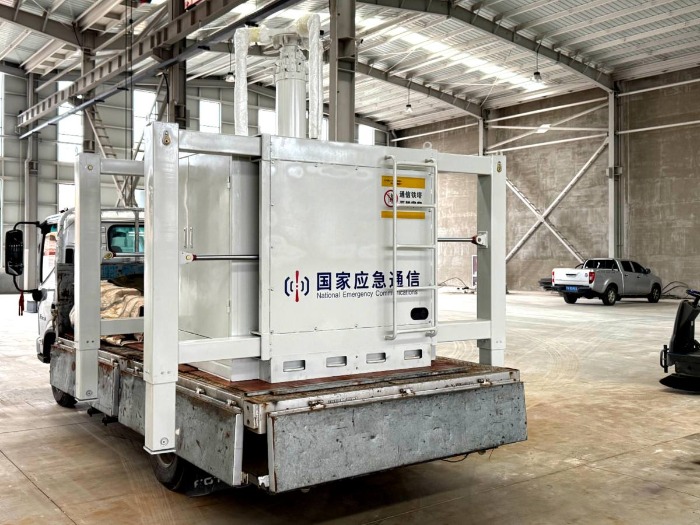
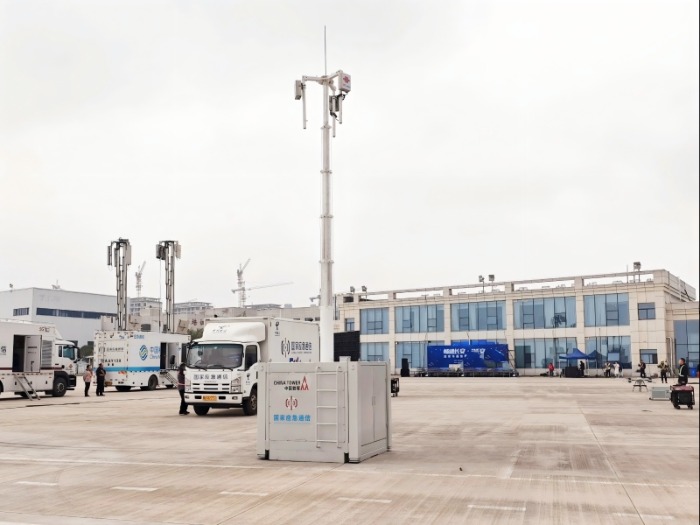
In today's fast-changing environments—whether in urban development, remote areas, or emergency scenarios—the need for reliable and rapidly deployable communication infrastructure has never been greater. The Emergency Telecom Cabinet offers a versatile and efficient solution designed to meet these demands with minimal setup time and maximum flexibility.  


emergency telecom cabinet


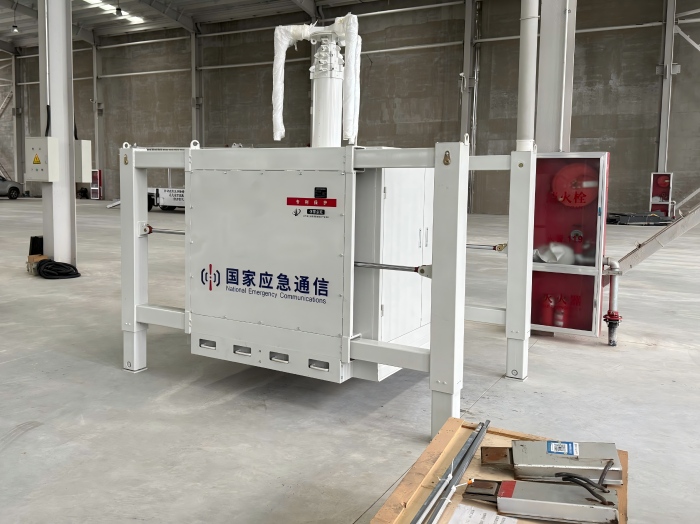
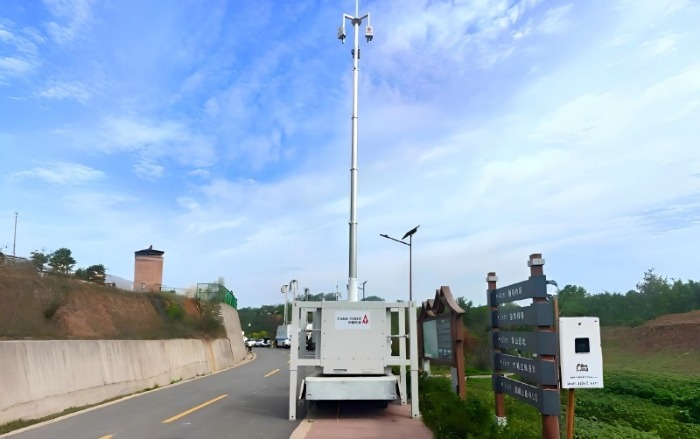
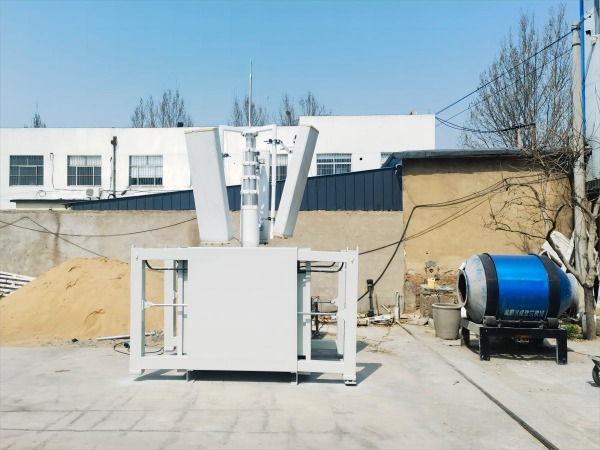
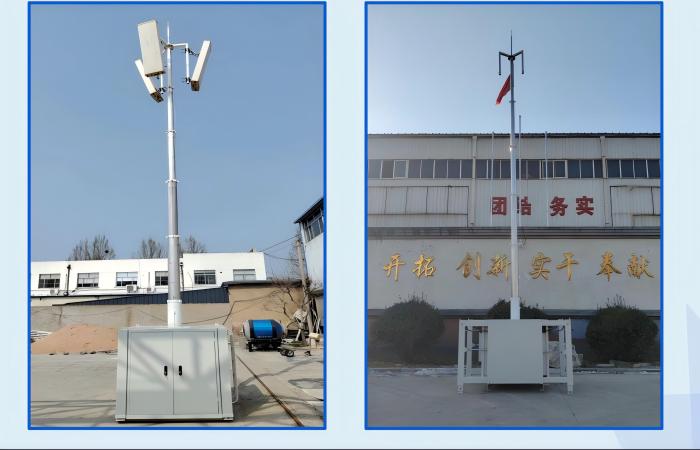
Developed with mature and reliable technology widely adopted across China, this mobile hydraulic lifting tower integrates communication equipment, power systems, and structural components into a compact and transportable unit. It is engineered to support rapid network deployment in a variety of settings, making it an ideal tool for both temporary and semi-permanent communication coverage.


Key Features and Benefits

Rapid Deployment:

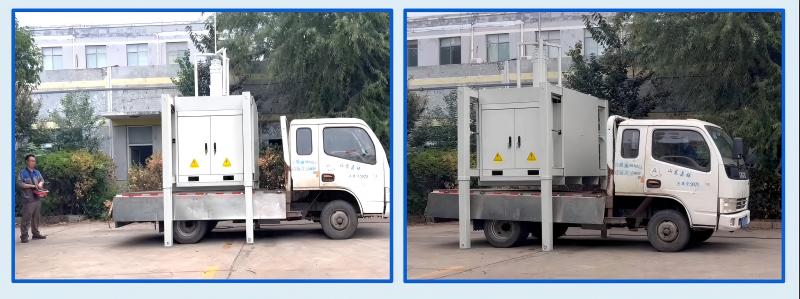
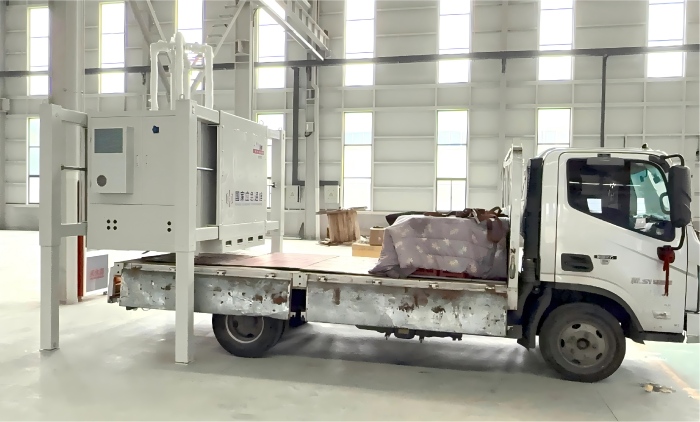
The Emergency Telecom Cabinet can be fully deployed within 30 minutes to 2 hours, depending on the scenario. Its automated hydraulic system allows for quick setup without the need for heavy machinery or extensive manual labor.

Easy Transportation and Mobility:
With a compact folded size of 1.8m (L) × 1.8m (W) × 1.6m (H) and a built-in self-loading/unloading function, the unit can be easily transported using a standard truck. This makes it suitable for repeated relocation, reducing the need for multiple fixed installations.


emergency telecom cabinet

Telecom Cabinet for National Emergency Communication


Cost-Effective and Reusable:
Unlike traditional base stations, which often involve high construction costs and permanent land use, this mobile cabinet can be reused across multiple locations and events. It offers a low total cost of ownership while maintaining high performance.


Multidimensional Application Scenarios

The flexibility of the Emergency Telecom Cabinet has been proven across a variety of settings:

  1. Emergency & Disaster Response: Used during natural disasters such as typhoons and floods to restore communication swiftly.

  2. Public Events: Deployed for expo and conference coverage—such as during the Shanghai import expo—without damaging existing infrastructure.

  3. Temporary Sites: Ideal for construction zones, “bone sites” (long-disputed or difficult locations), and historic scenic areas (e.g., Xi'an's Huaqing Palace) where permanent construction is restricted.

  4. Remote & Industrial Use: Supports smart mining and rural connectivity with easy relocation and minimal repeated investment.


emergency telecom cabinet


Resilient and Self-Sufficient:
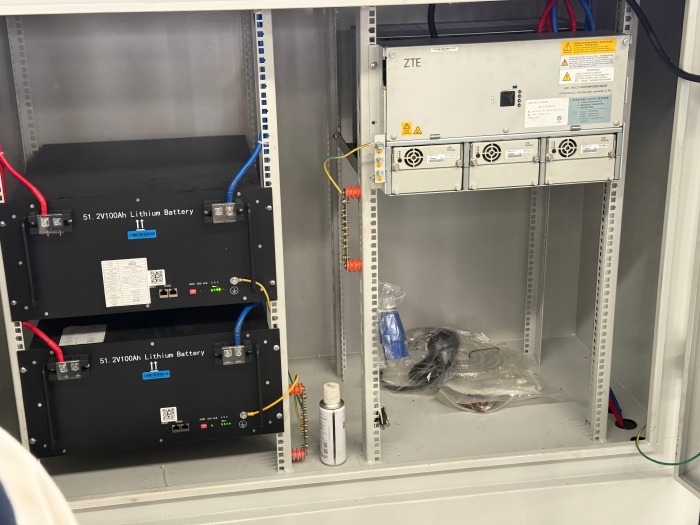
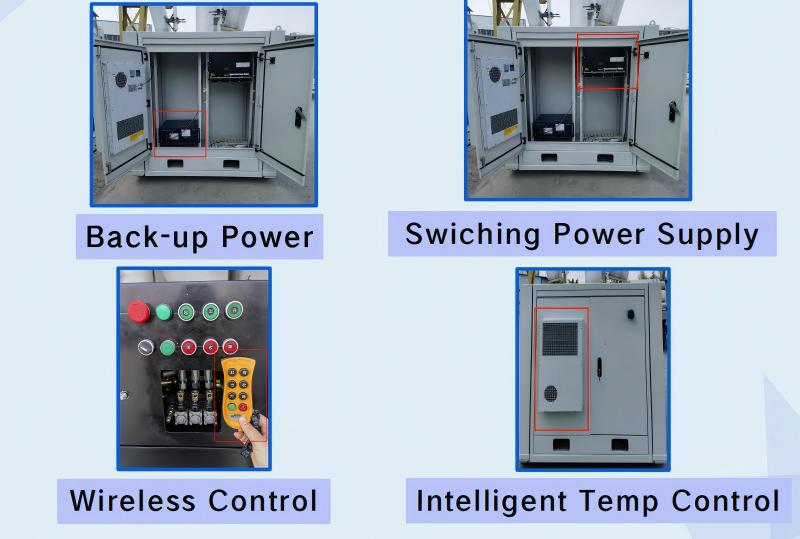
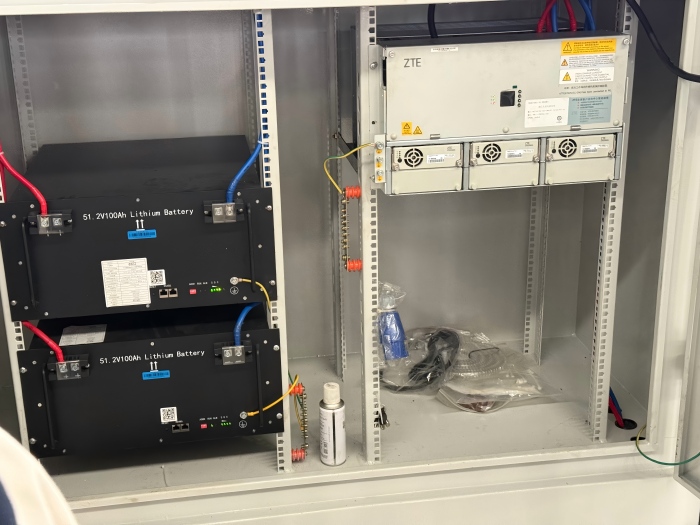
Equipped with an integrated power system—including backup batteries and a switching power supply—the cabinet can operate independently in areas with unstable or no grid power. It also supports remote monitoring and wireless control, enhancing operational safety and efficiency.

Proven Performance in the Chinese Market:
With multiple real-world implementations across China—from Hainan to Shanghai, Xi'an to Inner Mongolia—the technology has been refined to meet diverse environmental and operational challenges. It has received positive feedback from both telecom operators and government users.


Conclusion

The Emergency Telecom Cabinet represents a practical and forward-thinking approach to modern communication challenges. By combining rapid deployment, high mobility, and proven performance, it provides a reliable and economical alternative to conventional base stations. Whether supporting urban transformation, emergency communications, or temporary network expansion, this solution stands out as a smart choice in today's dynamic world.


Click here to learn more about the product. 
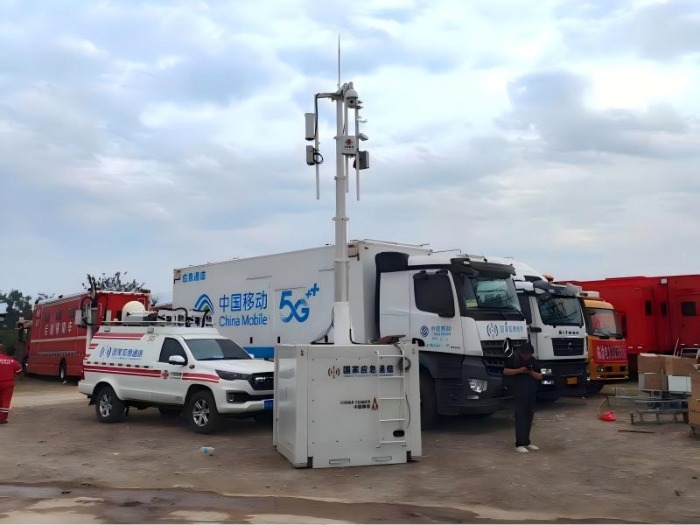


Contact Us

When disaster strikes and conventional infrastructure fails, emergency communication shelters become the critical lifeline for coordination and rescue operations. These mobile units must operate reliably in the most challenging environments—from scorching deserts to freezing blizzards, and in areas completely devoid of grid power.

The true measure of their effectiveness lies not in their ideal performance under laboratory conditions, but in their unwavering reliability during power outages and extreme temperatures. This blog delves into the advanced engineering behind the intelligent temperature control and robust backup power systems that ensure these shelters remain operational when they are needed most.


telecom emergency cabinet


1. The Core Challenge: Hostile Environments Demand Unwavering Reliability

Emergency scenarios are, by nature, unpredictable. A shelter deployed for earthquake relief might face sub-zero temperatures at night, while one used in a desert wildfire operation could endure searing heat. The common denominator is often a lack of reliable grid power. The electronic equipment inside—servers, radios, base stations, and switching gear—generates significant heat and has a narrow operating temperature window. Failure to maintain this environment results in system shutdown, rendering the shelter useless at the most critical moment.


2. The Brain and Brawn: Intelligent Temperature Control System

Our emergency communication shelters are equipped with a multi-layered climate management system designed for maximum environmental adaptability.

  1. -· Advanced Insulation and Structural Integrity: The shelter's shell is the first line of defense. Constructed with steel framing and composite panels filled with high-density foam insulation, it creates a powerful thermal barrier. This design significantly reduces the energy required for heating and cooling, protecting the interior from external temperature extremes.

  2. -· Dual-Mode HVAC System: At the heart of the climate control system is a robust Heating, Ventilation, and Air Conditioning (HVAC) unit capable of operating in a wide temperature range, from -41°C to +56°C. This system doesn't just cool; it precisely manages humidity and prevents condensation, which can be as damaging to electronics as heat.

  3. -· AI-Driven Thermal Management: This is where "intelligence" truly comes into play. Sensors continuously monitor temperature zones inside the shelter. The system dynamically adjusts cooling/heating output based on real-time equipment load and ambient conditions. For example, if some equipment is idle, the system can reduce cooling to that specific area, conserving precious backup power. This smart regulation ensures optimal conditions while maximizing operational endurance.


integrated telecom cabinet


3. The Uninterrupted Heartbeat: Robust Backup Power Assurance

A temperature control system is only as good as the power that runs it. Our shelters feature a comprehensive, multi-stage power system designed for zero downtime.

  1. -· Integrated Backup Power System: The primary backup is a built-in diesel or gasoline generator, sized to handle the full electrical load of the shelter, including the HVAC, for extended periods. These generators are housed in sound-dampened enclosures to allow for operation in noise-sensitive environments like field hospitals or residential areas.

  2. -· Seamless Automatic Transfer Switch (ATS): In the event of a grid power failure, the ATS automatically and instantaneously switches the electrical load to the backup generator. This transition happens within seconds, ensuring no interruption to communication equipment or climate control systems.

  3. -· Supporting Facilities for Extended Autonomy: The ecosystem includes a switching power supply for clean, stable power distribution and a hydraulic power system for auxiliary functions. Together, these systems form a self-sufficient power hub that can operate independently for days, ensuring continuous communication capabilities throughout a prolonged crisis.


emergency telecom cabinet


4. Proven Resilience in Real-World Scenarios

The effectiveness of these systems is validated in the field:

  1. -· Extreme Cold: In winter emergency drills, the shelters have maintained a stable internal temperature of +20°C while external temperatures plummeted to -25°C, with the backup generator and HVAC system operating flawlessly for over 48 hours.

  2. -· Site-Specific Deployments: The system's resilience has been proven in challenging "bone site" locations, such as the Vienna International Hotel in Nanjing. Here, the shelter's ability to be pre-configured and then rapidly deployed with its own power and cooling was key to overcoming longstanding infrastructure obstacles.


emergency telecom shelter


Conclusion: Reliability Built-In, Not Bolted On

In emergency response, "good enough" is not sufficient. The intelligent temperature control and backup power systems in our emergency communication shelters are not optional accessories; they are foundational components engineered for ultimate reliability. By integrating robust hardware with smart, adaptive software, we ensure that these vital communication links remain active, stable, and effective—truly defying the harshest elements to save lives and restore order.


Click here to learn more about the product. 


Contact Us


In disaster zones, remote areas, and crisis scenarios where every second counts, Altai's Emergency Base Station Cabinet delivers cellular connectivity faster than traditional solutions. Engineered for rapid deployment in under 30 minutes, this innovation transforms emergency response, temporary coverage, and smart infrastructure projects.


telecom cabinet


Core Technical Advantages

  1. Ultra-Fast Deployment

    1. 0.5-Hour Setup: Hydraulic self-loading/unloading systems + wireless remote control enable instant activation.

    2. Zero Crane Dependency: Integrated lifting mechanisms deploy the 8–15m tower autonomously.

  2. All-in-One Infrastructure

    1. Integrated Systems: Pre-installed switching power, backup batteries, HVAC, and antenna mounts (3×1.5m poles w/RRUs).

    2. Compact Footprint: Occupies just 2.6m² (1.6m×1.6m) – fits pickup trucks or helicopters.

  3. Extreme Environment Ready

    1. Wind Resilience: 0.55kN/m² pressure rating (withstands 150 km/h winds).

    2. Thermal Management: Intelligent climate control (-30°C to +55°C operational range).

    3.  

quick deploy telecom cabin


Critical Applications

Scenario Impact
Disaster Response Restore comms post-earthquake/flood in <1hr
Field Hospitals Instant 5G coverage for Fangcang facilities
Mining/Construction Rapid coverage in remote sites
Event Security Live HD video backhaul for crowd control

telecom cabinet


Engineering Breakthroughs

  1. Self-Unloading Chassis:
    Hydraulic legs auto-stabilize on uneven terrain – no ground prep needed.
  2. Patent-Pending Design:
    Co-developed with Shanghai Tongji University for unmatched reliability.

  3. Modular Payload:
    Supports 3× multi-band antennas + RRUs (4G/5G ready).

“When Typhoon Maria severed communications in Zhejiang, Altai cabins restored 4G for 20,000 people in 40 minutes – faster than rescue teams could arrive.”
– Emergency Response Unit, China Telecom


telecom cell cabin


Why Choose Altai?


Deploy Connectivity Where It's Needed Most
From disaster relief to smart mining, the Altai Emergency Base Station Cabin ensures no one stays disconnected.


 Learn more at   www.alttower.com


Contact Us 

keyboard_arrow_up