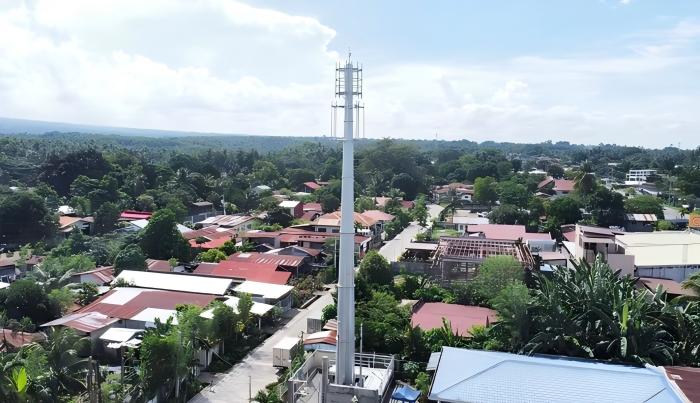
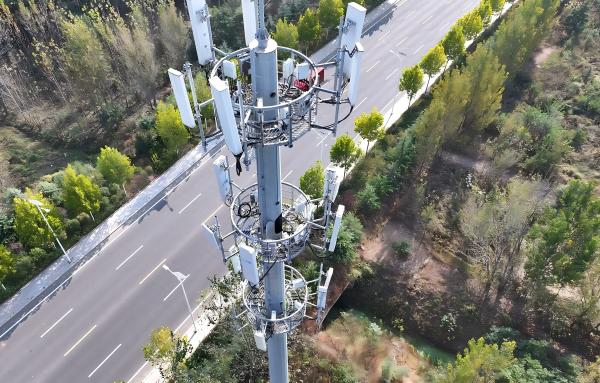
In the race to deploy 5G and expand network coverage, telecom operators face a critical challenge: securing viable sites quickly and cost-effectively. The solution lies not just in building more towers, but in building smarter ones. The modern monopole tower, specifically engineered for multi-operator use, has emerged as the ultimate host, transforming a single site into a powerful, revenue-generating hub that maximizes site value for owners and provides unparalleled deployment speed for operators.
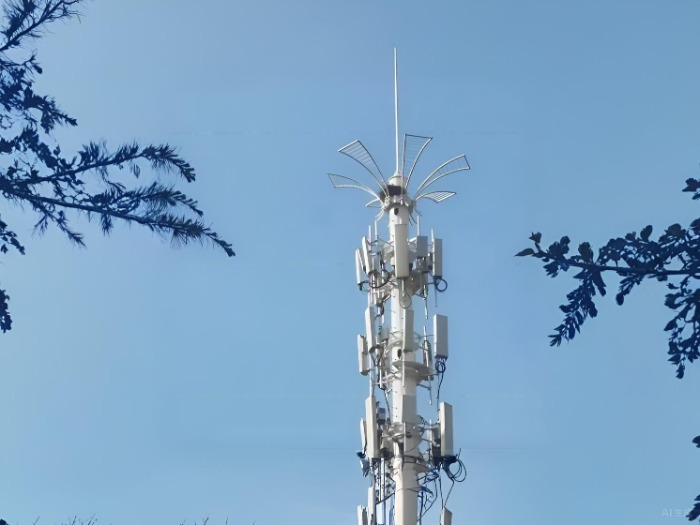
The Paradigm Shift: From Single-User to Shared Infrastructure
The traditional model of each operator building its own tower is inefficient, costly, and unsustainable, especially in dense urban areas where space is at a premium. The shared infrastructure model, championed by tower companies worldwide, consolidates multiple operators onto a single structure. The sleek, low-footprint monopole is perfectly suited for this role, but it requires a deliberate design philosophy to unlock its full potential.
Engineering the Ultimate Host: Key Design Strategies
To successfully host multiple carriers, a standard monopole must be re-engineered from the ground up. This involves three critical areas of optimization:
1. Optimized Platform Design: Creating Vertical Real Estate
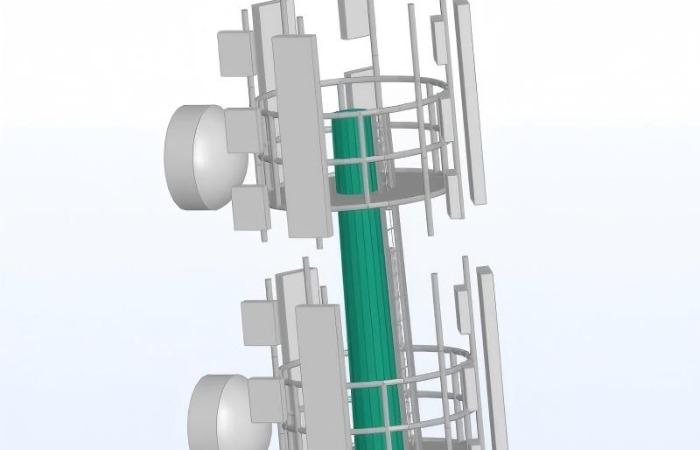
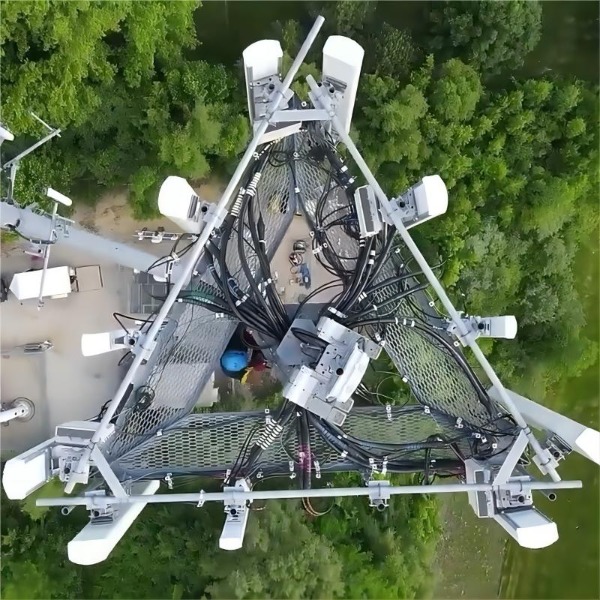
A single platform is insufficient for multi-operator collocation. The solution is a tiered platform system.
-
· Sector-Specific Tiering: Multiple platforms are installed at different heights, allowing each operator to have a dedicated, interference-free zone for their antenna arrays.
-
· Customized Layouts: Platforms are designed with specific mounting patterns to accommodate various antenna types (e.g., massive MIMO, legacy 2G/3G panels) and sizes from different manufacturers.
-
· Access and Safety: Each platform is designed with adequate working space, certified fall protection systems, and clear cable routing pathways to ensure safe and efficient maintenance for all tenants.
2. Advanced Antenna Mounting Solutions: Flexibility is Key
A one-size-fits-all mounting approach doesn't work in a multi-operator environment. Flexibility is achieved through:
-
· Universal Bracketry: Customizable, hot-dip galvanized antenna mounting brackets can be configured to hold equipment from all major OEMs (e.g., Ericsson, Huawei, Nokia).
-
· Offset Mounts and Extension Arms: These are used to position antennas further from the pole, preventing "tower shadow" (signal blockage by the pole itself) and ensuring optimal radio frequency (RF) performance for every operator.
-
· Pre-Installed Cable Management: Integrated ladder racks and conduit systems prevent cable chaos, reducing installation time and minimizing wind load.
3. Rigorous Load Capacity and Structural Analysis
The addition of multiple operators significantly increases the structural demand. A robust engineering analysis is non-negotiable:
-
· Comprehensive Load Calculation: Engineers must account for the combined weight of all antennas and RRUs, increased wind load from the larger collective surface area, and potential ice loading in certain climates.
-
· Dynamic Analysis: The tower's dynamic response to wind is modeled using Finite Element Analysis (FEA) to ensure it can withstand extreme weather events without excessive deflection or vibration that could impact radar or network performance.
-
· Future-Proofing with Margin: Designs incorporate a generous reserve capacity margin, allowing for the addition of future tenants or next-generation equipment (e.g., 6G antennas) without requiring costly structural reinforcement.
The Economic Advantage: A Compelling Value Proposition
The financial benefits of a multi-operator monopole are transformative for site owners and operators alike.
| Beneficiary | Economic Advantages |
|---|---|
| Site Owner / TowerCo | Maximized Revenue: Recurring rental income from multiple tenants. Higher Asset Valuation: The site becomes a more valuable, cash-flow-generating asset. Optimized CAPEX: The cost of one superior structure is shared, improving return on investment. |
| Mobile Network Operators | Reduced CAPEX: Eliminates the cost of acquiring land and building a new tower. Faster Time-to-Market: Can deploy services in months, not years. Lower OPEX: Shared costs for power, security, and site maintenance. |
Case Study: A 40-Meter Urban Monopole Hosting 3 Operators
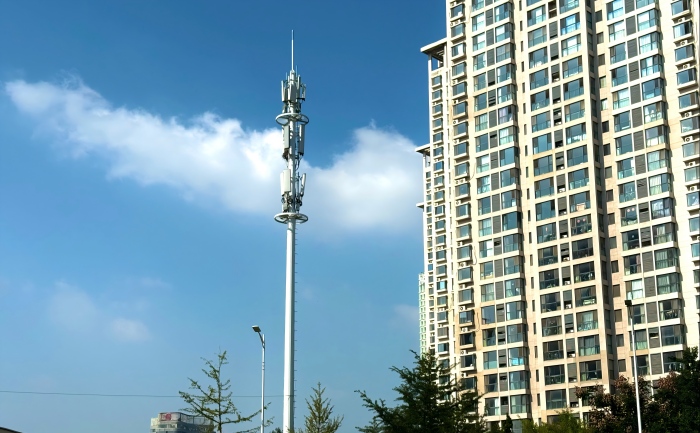
A 40-meter monopole in a major European city was designed from the outset to host three mobile operators. The design featured:
-
Four-tiered platform system with dedicated levels for each operator and a shared top tier for microwave backhaul.
-
Customized offset mounts to ensure precise antenna positioning for optimal sector alignment.
-
A 30% reserve capacity in the structural design to accommodate future equipment.
Result: The site was fully tenanted within six months of completion, generating triple the revenue of a single-operator site and providing 5G coverage to a key urban area two years faster than through traditional methods.
Conclusion: The Monopole as a Strategic Asset
The modern multi-operator monopole is far more than a simple steel tube; it is a highly engineered, revenue-optimizing platform. By focusing on intelligent platform design, flexible mounting solutions, and rigorous structural engineering, tower companies and network operators can unlock unprecedented site value. In an era defined by connectivity demands and cost pressures, the ability to host multiple carriers on a single, aesthetically pleasing structure is not just an advantage—it is the ultimate strategy for building the resilient, high-capacity networks of the future.
Learn more at www.alttower.com