As telecommunications networks evolve to support 5G and future generations of wireless technology, the demand for taller towers continues to grow. While conventional towers typically max out around 80 meters, next-generation networks require structures that can reach 100 meters and beyond. Enter the 4-legged angle steel tower – an engineering solution specifically designed to break through conventional height limitations while maintaining structural integrity and operational reliability.


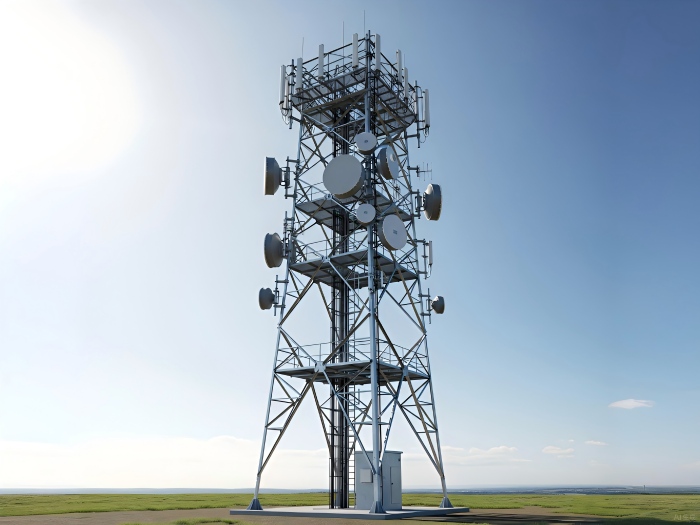
self support tower


The Height Challenge: Why Conventional Designs Fail

Traditional tower designs face significant challenges when exceeding 80 meters:

  1. -Exponential increase in bending moments from wind loads

  2. -Buckling risks in compression members

  3. -Dynamic wind effects causing complex vibration patterns

  4. -Foundation stability concerns under combined loading conditions

The transition from 80 to 100+ meters represents more than just adding height – it requires a fundamental rethinking of structural principles and load management strategies.


4 legged self support tower


Four-Legged Configuration: The Structural Advantage

The quadrilateral geometry of 4-legged towers provides distinct advantages for extreme-height applications:

Enhanced Stability Mechanism

  1. -Wider base dimensions create significantly larger resisting moments

  2. -Redundant load paths distribute stresses more efficiently than three-legged designs

  3. -Superior torsional rigidity prevents twisting under asymmetric loading

  4. -Progressive failure prevention through multiple redundant members

Material Efficiency

  1. -Optimized bracing patterns maximize strength-to-weight ratios

  2. -Segmented construction allows for varying cross-sections along the height

  3. -Strategic member sizing places heavier sections where stress concentrations occur


Critical Technical Considerations for 100+ Meter Towers

Advanced Buckling Analysis
Traditional Euler buckling calculations prove insufficient for ultra-tall towers. Our engineering approach incorporates:

  1. -Non-linear finite element analysis to predict complex buckling modes

  2. -Initial imperfection sensitivity studies accounting for fabrication tolerances

  3. -Local-global interaction buckling assessment for compression members

  4. -Dynamic buckling evaluation under wind-induced vibrations

Wind Engineering Innovations
At heights exceeding 80 meters, wind behavior becomes increasingly complex:

  1. -Aeroelastic effects requiring specialized damping systems

  2. -Wind speed gradient modeling across the tower height

  3. -Vortex shedding mitigation through helical strakes or tuned mass dampers

  4. -Directional wind analysis for site-specific loading conditions

Non-Linear Dynamic Response
Our design methodology addresses several critical dynamic phenomena:

  1. -Galloping instability prevention through member shape optimization

  2. -Wake-induced vibrations in multi-tower configurations

  3. -Rain-wind induced vibrations and their mitigation

  4. -Seismic-wind combination effects for regions with multiple hazards


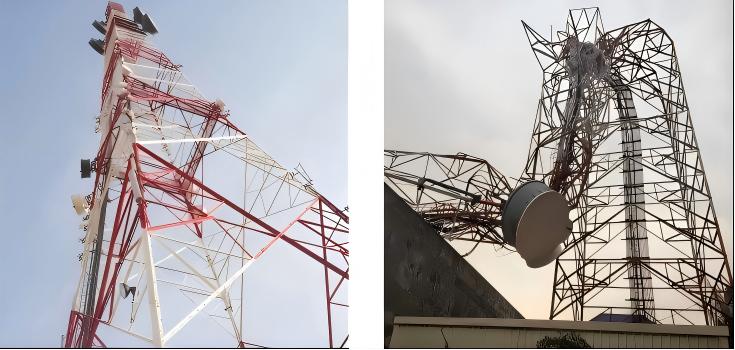
120m angle steel tower


Foundation Engineering for Extreme Heights

The foundation system for 100+ meter towers represents one of the most critical design elements:

Soil-Structure Interaction

  1. -Deep foundation solutions using large-diameter bored piles

  2. -Pile group efficiency optimization for lateral load resistance

  3. -Soil-structure interaction modeling to accurately predict deformations

  4. -Uplift resistance mechanisms using underreamed piles or rock anchors

Advanced Foundation Types

  1. -Raft foundations with integrated pile systems for difficult soil conditions

  2. -Rock-socketed foundations in mountainous terrain

  3. -Slab-base designs with ground improvement techniques

  4. -Multi-level foundation systems for sloped sites


Case Study: 118-Meter Tower Project

A recent project demonstrates our approach to extreme-height tower design:

Project Specifications

  1. Height: 118 meters

  2. Location: Coastal region with high wind speeds

  3. Loading: Multiple carrier antennas + microwave links

  4. Design life: 50 years

Technical Solutions Implemented

  1. -Hybrid bracing system combining K-bracing and X-bracing patterns

  2. -Tuned mass damper at 95-meter level for vibration control

  3. -Rock-anchored foundation with 32-meter deep piles

  4. -Progressive member sizing with heavier angles at lower sections

Performance Results

  1. -Natural frequency: 0.45 Hz, well separated from vortex shedding frequencies

  2. -Peak acceleration: <15 mg under 50-year wind conditions

  3. -Foundation settlement: <12 mm after 2 years of monitoring


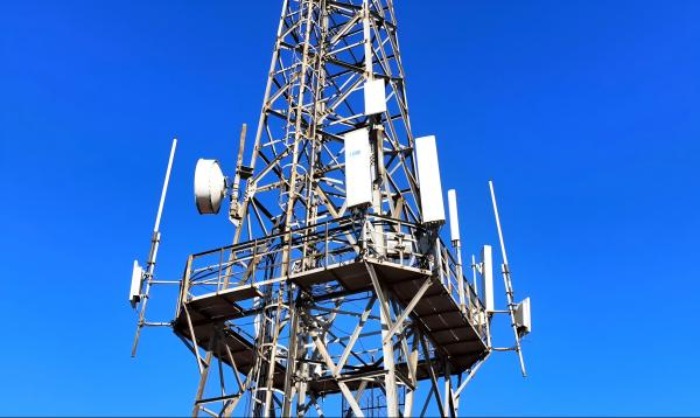
self supporting towers


Material and Fabrication Innovations

High-Strength Steel Applications

  1. -Q420 steel (yield strength 420 MPa) for critical compression members
  2. -Hybrid construction using varying steel grades based on stress requirements
  3. -Cold-formed angles with enhanced buckling resistance

Advanced Connection Design

  1. -High-strength bolting with pre-tensioned connections

  2. -Moment-resistant joints at key structural intersections

  3. -Slip-critical connections for fatigue-sensitive locations


Monitoring and Maintenance Considerations

Ultra-tall towers require specialized monitoring systems:

  1. -Structural health monitoring with strain gauges and accelerometers

  2. -Foundation settlement monitoring using precision instruments

  3. -Corrosion protection systems with enhanced coating specifications

  4. -Robotic inspection systems for difficult-to-access areas


Future Directions: Beyond 150 Meters

The engineering frontier continues to advance with several emerging technologies:

  1. -Composite materials combining steel with carbon fiber elements

  2. -Active damping systems using real-time response control

  3. -Digital twin technology for predictive maintenance

  4. -Adaptive structures that modify their properties in response to loading


Conclusion: Engineering Without Height Limits

The 4-legged angle steel tower design represents a proven solution for pushing beyond the conventional 80-meter barrier. Through advanced buckling analysis, sophisticated wind engineering, and innovative foundation design, these structures can safely reach 100+ meters while maintaining operational reliability.

As network demands continue to evolve, the ability to build higher will remain crucial for providing comprehensive coverage and capacity. The 4-legged configuration, with its inherent stability and redundant load paths, provides the engineering foundation for these next-generation towers.

At Qingdao Altai Tower, we're committed to advancing tower technology through rigorous engineering and innovative design. Our experience with extreme-height projects demonstrates that with the right approach, there are no inherent limits to how high we can build – only new engineering challenges to solve.


 Learn more at  www.alttower.com


Contact Us

When Concrete Fails: Why Tubular Steel Towers Dominate Salite Coastal Sites

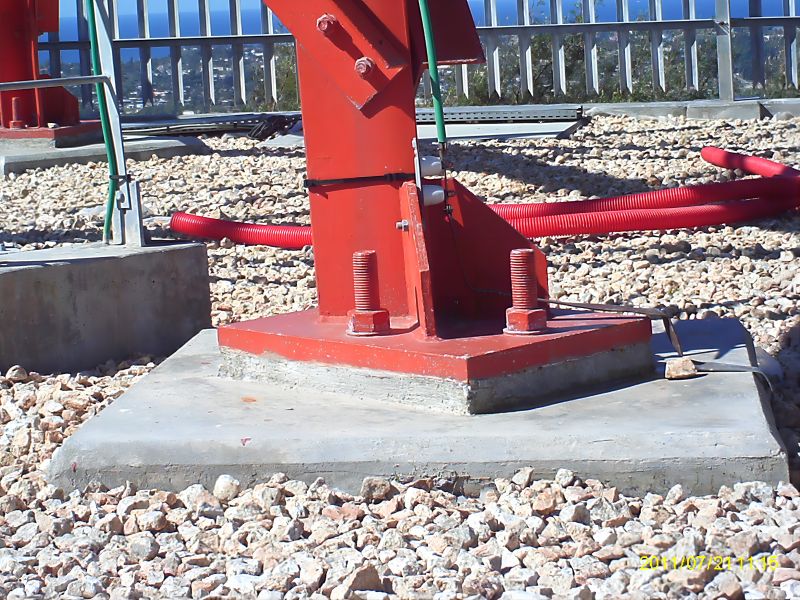
Concrete: the seemingly indestructible backbone of modern infrastructure. Yet, place it on a saline coast, and a silent war begins. Salt-laden air and moisture penetrate pores, triggering corrosion of the embedded steel rebar. This rust expands, cracking the concrete from within – a process called spalling. What looks solid becomes dangerously compromised, often with little external warning until catastrophic failure looms. In the relentless battle against coastal corrosion, concrete has a critical vulnerability.


tubular steel tower


This is precisely why tubular steel towers, armed with advanced protection systems, are becoming the undisputed champions for critical structures like telecom towers in these harsh environments. Let's break down their winning defenses:

The Zn-5%Al Alloy Coating: The First Line of Defense

    • What it is: A metallic coating consisting of 95% Zinc and 5% Aluminum, often applied via hot-dip galvanizing to tubular steel sections.

    • Why it wins vs. Salt:

      • Barrier Protection: Creates a dense, continuous physical barrier shielding the underlying steel.

      • Galvanic Sacrifice: Zinc preferentially corrodes, protecting the steel (like standard galvanizing).

      • Aluminum's Superpower: Aluminum forms stable, highly adherent oxide layers (Al₂O₃) that significantly slow down the corrosion reaction itself. This is crucial against the constant chemical assault of chlorides.

      • Self-Healing Potential: The Zn-Al alloy offers better "flow" during application and potentially better healing of minor scratches than pure zinc coatings.

      • Longevity: Zn-5%Al coatings demonstrably outperform standard zinc coatings (Zn-100%) in saline atmospheres, offering significantly extended service life before maintenance is needed. Studies show life extensions of 50-100% or more compared to traditional galvanizing in marine settings.

  1. Cathodic Protection (CP): The Active Shield

    • What it is: An electrochemical technique that forces the entire steel structure to become the cathode in a corrosion cell, halting the corrosion reaction.

    • How it Works with Towers:

      1. Sacrificial Anodes: Blocks of a more reactive metal (like Zinc or Magnesium alloys) are attached directly to the tower's foundation or lower sections. These anodes corrode sacrificially instead of the steel. The Zn-5%Al coating acts synergistically, becoming part of this protective system.

      2. Impressed Current CP (ICCP): For very large or critical structures, a low DC current is applied from an external power source through inert anodes, actively polarizing the steel to a protective state.

    • Why it Wins vs. Salt: CP is highly effective in electrolyte-rich environments like damp, saline soil or splash zones. It provides active, ongoing protection, even if the primary coating is locally damaged. It's the essential "insurance policy" for decades-long durability.


tubular steel tower


tubular steel tower

The Cost of Concrete Failure: Lessons from the Coastlines

  • The Philippines: Tropical storms combined with pervasive salt spray create a nightmare for infrastructure. Numerous concrete telecom tower bases, especially older or less well-maintained ones, suffer severe spalling and rebar corrosion. This leads to:

    1. Emergency structural repairs or rebuilds, causing significant network downtime.

    2. Skyrocketing long-term maintenance costs as patchwork fixes struggle against relentless decay.

    3. Safety hazards from falling concrete chunks or potential structural collapse.

  • The Middle East: While often drier, the combination of extreme coastal humidity, high temperatures accelerating chemical reactions, and frequent sandstorms (abrading surfaces) creates a uniquely aggressive environment. Corrosion rates on unprotected or poorly protected steel and concrete can be shockingly high. Premature degradation of concrete foundations supporting various structures is a well-documented, costly issue.

Tubular Steel: Engineered for Victory

Beyond superior corrosion protection, tubular steel towers offer inherent advantages perfectly suited for challenging coastal deployments:

  1. Strength-to-Weight Ratio: Steel provides immense strength with less bulk compared to concrete. This allows for taller, more slender structures capable of handling heavy antenna loads and high winds.

  2. Design Efficiency: The smooth, tapered profile (like conical monopoles) offers minimal wind resistance.

  3. Foundation Flexibility: Requires significantly smaller, less invasive foundations than heavy concrete structures, crucial for unstable coastal soils or sensitive environments.

  4. Aesthetics & Space Saving: The sleek design drastically reduces visual impact and physical footprint.


tubular steel tower


Proof in Performance: The Dubai Waterfront Advantage

Consider this compelling real-world validation from a demanding coastal megaproject:

"Dubai's ambitious waterfront development faced the dual challenge of harsh salt-laden winds and premium land costs. By deploying tapered tubular steel monopoles (diameter tapering from 1.2m at the base to 0.4m at the top) protected with Zn-5%Al coatings and integrated cathodic protection systems, the project achieved remarkable outcomes vs. traditional lattice (angle steel) towers:

  1. 40% Increase in Wind Load Resistance: The inherent strength and aerodynamic efficiency of the tubular design handled coastal gusts far more effectively.

  2. 70% Reduction in Visual Footprint: The sleek monopoles blended into the upscale waterfront environment, a critical planning approval factor.

  3. $2.8 Million Saved in Land Costs: The drastically smaller base footprint allowed colocation of 12 different operators' equipment on single, efficient towers, avoiding the need for multiple large tower plots on extremely valuable land."**

tubular steel tower

The Verdict for Saline Sites

Concrete's hidden vulnerability to chloride attack makes it a risky long-term proposition for critical coastal infrastructure like telecommunication towers. The combination of advanced metallic coatings (Zn-5%Al) and robust cathodic protection transforms tubular steel towers into the corrosion-resistant champions of these demanding environments. They deliver not just superior durability and safety, but also tangible benefits in performance, space utilization, aesthetics, and ultimately, significant cost savings over the asset's lifetime.

When failure isn't an option on the salty coast, the choice is clear: engineered tubular steel stands tall. Specify Zn-5%Al and CP – it's the investment that withstands the elements.


 Learn more at   www.alttower.com


Contact Us 

keyboard_arrow_up