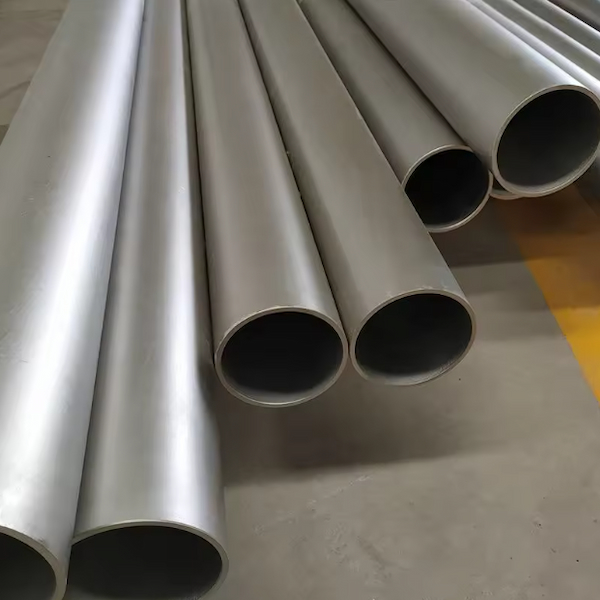
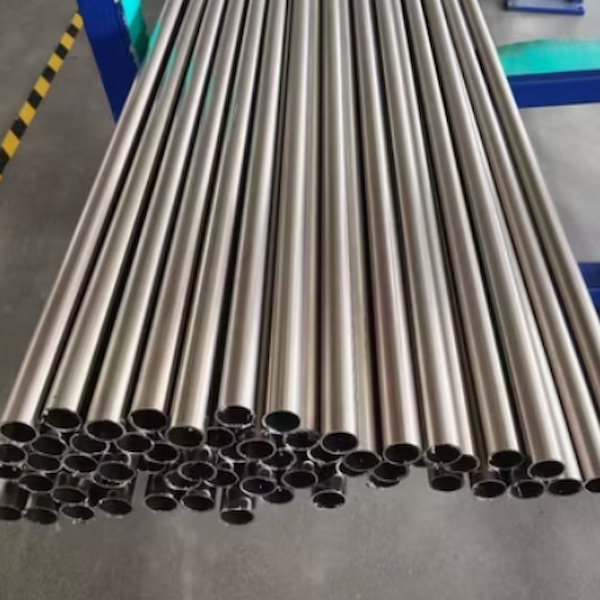
In high-end manufacturing, seamless, large-diameter titanium alloy pipes represent the pinnacle of material and process engineering. However, combining 'large-diameter' (typically ≥Φ300 mm) with 'thin-wall' (wall thickness ≤5 mm, often ≤3 mm) exponentially increases the technical challenges. It's not just about the material; it's a rigorous test of precision manufacturing.


Why is large-diameter, thin-wall so difficult?

Forming dilemma: traditional rolling or extrusion of large-diameter pipes puts immense radial force on the thin walls, causing instability, wrinkling or even tearing.

Uniformity challenge: ensuring millimetre-level consistency in wall thickness across a large cross-section requires highly precise equipment, die design and process control. The slightest deviation creates weak points.

Strength-toughness balance: Thinner walls mean that less material must withstand equal or higher pressures. The core challenge lies in guaranteeing sufficient strength, toughness and fatigue resistance through microstructural control, whilst also achieving weight reduction.


Key Breakthrough Technologies:

'Balanced rigidity and flexibility' forming: This utilises multi-stage, temperature-controlled hot extrusion combined with powerful back-pressure or internal mandrel support, which acts like a 'skeleton' to prevent collapse. This is followed by multi-pass cold rolling/spinning for progressive thinning, enhanced dimensional accuracy and a better surface finish.

NDT's "Eagle Eye": Large-diameter, thin-wall pipes demand zero tolerance for defects. High-precision automated ultrasonic testing (UT) and eddy current testing (ECT) provide full coverage and can detect even the smallest inclusions, micro-cracks or variations in wall thickness, guaranteeing integrity.


Why pursue 'thin' and 'large'?

Ultimate weight reduction: This is crucial for aerospace and deep-sea structures, where saving 1 kg can make a big difference. These pipes can offer up to 40% weight savings compared to conventional solutions, thereby increasing payload and efficiency.

Enhanced flow efficiency: In the chemical and energy sectors, larger diameters enable higher flow rates and throughput, while thinner walls reduce material usage and thermal resistance.


Seamless titanium plate


The manufacturing of seamless titanium alloy large-diameter thin-wall pipes is a symphony of materials science, precision processing and intelligent control. Each successful reduction in wall thickness or increase in diameter represents another leap forward in humanity's extreme manufacturing capabilities. These are not just pipes; they are critical enablers of a lighter, stronger and more efficient future. Emerging technologies such as intelligent shape control and additive-composite integration will continue to push the boundaries of what is possible in terms of "thin" and "large".


NBSM is committed to promoting the development of the titanium product industry and expanding the range of applications for titanium products. As a professional titanium alloy manufacturer, NBSM offers a comprehensive product range, including highly acclaimed titanium plates, titanium rods and titanium tubes. Titanium steel clad plate and nickel steel clad plate have also received positive feedback from the chemical and power plant industries.

capsule houses

As we all know,capsule houses offer a simple, affordable, and modern living solution. If you want to buy a capsule house? Please follow these easy steps: choose a model, inspect it, handle logistics, and set it up!

Mobile Space Capsule House

How to Buy a Capsule House?

Simple Step-by-Step Guide

Research Suppliers

Compare manufacturers for quality and pricing.

Choose Your Model

Pick a design that fits your needs.

Request Quotes

Get detailed pricing and shipping estimates.

Check Certifications

Ensure the product meets safety standards.

Arrange Shipping

Confirm logistics and delivery options.

Finalize Payment

Use secure methods for transactions.

Installation

You have to set it up in the right way.

Research Suppliers

Search for Experienced Suppliers

Look for manufacturers or exporters with proven experience in building and shipping capsule houses internationally.

Verify Certifications

Check for key certifications like ISO 9001, CE, or SGSalways request documentation.

Read Customer Reviews

Check feedback on Alibaba, Made-in-China, or Global Sources for quality, delivery, and service reliability.

Compare Prices & Services

Request quotes from multiple suppliers and compare costs, warranties, and shipping terms.

Request Quotes

Price

Depends on size, materials, and design features.

Shipping Costs

Varies by transport method, distance, and container type.

Import Fees

Check your country's customs duties and taxes.

Installation

May require local contractors or special equipment.

Choose Your Model

Mini (5-10)

Single-room design, ideal for solo use or short stays.

☆Standard (15-25)

Bedroom + compact kitchen/bathroom, fits 1-2 people comfortably.

☆Family (30-50)

Multi-room layout with living area, kitchen, and 2+ bedrooms for families.


Check Certifications

Material Check

Request specs: steel frame strength (250-550 MPa), insulation type (e.g., polyurethane foam, 0.022 W/m·K thermal conductivity), fire resistance rating.

☆Weatherproofing

Waterproof coating: ≤1.0 g/m²·h water resistance.

Wind resistance: 120-150 km/h for storm-prone areas.

Quality Verification

Ask for samples/prototypes before bulk orders.

Confirm compliance with local building codes.

Arrange Shipping

Sea Shipping

3-8 weeks (cost-effective, but slower)

☆Air Shipping

3-7 days (4-5x more expensive than sea)

Installation

Hire Experts

Get professional help for utilities (power, water, sewage).

☆Follow Manual

Study the manufacturer's installation guide carefully.

☆Check Compliance

Ensure setup meets local building regulations.

Modular Space Capsule House

So purchasing a capsule house is simpler than you think! Start by researching reputable prefab capsule home suppliers, comparing modular housing designs and prices. Check material quality, customization options, and shipping container home certifications. Confirm delivery, assembly, and after-sales support. Whether for compact living, vacation homes, or temporary housing, a portable capsule unit offers affordability and sustainability. Choose wisely and enjoy your innovative, space-saving home!

What is a sandwich panel?

A sandwich panel is a product used for cladding building walls and roofs. It consists of an insulated core material sandwiched between two metal sheets. A sandwich panel is not a structural material, but rather a cladding material. While the structural forces are carried by a steel frame or other supporting framework, the sandwich panel is attached to it.

Types of sandwich panel

Classification by Application

‌Wall panels

Sandwich panels are used for vertical building envelopes, requiring aesthetic appeal and fire resistance.

‌Roof panels

Sandwich panels are engineered for horizontal installation, prioritizing waterproofing and load-bearing capacity.

‌☆Classification by Core Material‌

Sandwich panels' performance is primarily determined by their core material, categorized into four key types:

‌Polyurethane (PU)/Polyisocyanurate (PIR) core sandwich panels

Featuring ultra-low thermal conductivity (as low as 0.022 W/m·K) and high structural strength,

They are extensively used in temperature-controlled environments (e.g., cold storage, cold chain logistics centers).

‌Rock wool core sandwich panels

With Class A non-combustibility, these panels provide optimal fire resistance for high-safety facilities (e.g., hospitals, chemical plants).

But they exhibit strong hygroscopicity, requiring strict seam sealing during installation.

‌Expanded polystyrene (EPS) core sandwich panels‌

With ≈60% lower cost than rock wool panels and lightweight properties (10–14 kg/m²),

But they are flammable and emit toxic fumes, restricting their use to temporary structures or non-fire compartment areas.

‌Glass wool core sandwich panels

As a balanced option, they surpass rock wool in thermal insulation and outperform EPS in fire resistance.

Hydrophobic types must be selected to ensure moisture resistance (water absorption ≤2%)


Why choose sandwich panels rather than traditional masonry?

Sandwich panels are preferred for cost efficiency, with key advantages over traditional masonry in three areas:

‌‌☆Direct costs‌

Construction expenses (materials, labor, and shipping) are comparable between stud partition (frame-based) and masonry methods.

‌‌☆Construction time‌

Stud partition buildings assemble in 1 month versus 6–7 months for masonry, enabling faster commissioning and return on investment. Components arrive prefabricated for dry assembly, eliminating moisture-waiting delays.

‌‌☆Construction processes‌

Stud partitioning uses a "dry process"—only screw-based assembly without water—unlike masonry's "wet processes" (e.g., mortar/concrete mixing). This suits humidity-sensitive industries like pharmaceuticals or wood processing.


Price of sandwich panels

Purchase cost depends on panel thickness and insulating core material, with EPS-core panels offering a budget option; however, panels featuring lower thermal conductivity coefficients, such as PIR-core, provide greater long-term cost efficiency and performance.

For more details, please contact Yumisteel.


Installation of sandwich panels

Sandwich panel installation is efficient—a skilled crew can install 600m² in ~8 hours.

Key steps include:

☆‌Material Delivery & Handling‌

Panels, subframes (cold-formed beams/purlins), and accessories (flashing, fasteners, seals) arrive on-site and are unloaded using equipment.

☆‌Subframe Assembly‌

Structural frames (beams, posts, purlins) are erected to support panels.

‌☆Panel Installation‌

Remove protective film from panels.

Secure panels to subframes using specialized fasteners (≈1.1 screws/m²; exact spacing/layout determined by engineers).

‌☆Sealing & Finishing‌

Seal joints between panels and install flashing for weatherproofing.


Production process of sandwich panels


Sandwich panels revolutionize construction by offering speed, efficiency, and sustainability, making them ideal for modern, eco-friendly buildings.


Magnetic Materials in Food Processing

In a food processing plant that pursues deliciousness and health, you may not think of "magnets" at the first time. However, these invisible magnetic field forces are indispensable key players in ensuring the safety of our dining tables and improving production efficiency. They are unknown, but they have a great responsibility - they are specifically designed to deal with those "uninvited guests" that may be mixed into food: metal impurities.


* Wide range of sources: Metal impurities may come from raw materials (such as harvester parts fragments and ore residues in grain), production equipment (such as screen wear, loose and falling mechanical parts), employee negligence (such as screws, washers), and even packaging materials.

* Huge harm:

Physical damage: Sharp metal fragments are a major threat to consumer safety and may cause damage to the mouth, esophagus, and even internal organs.

Equipment damage: Hard metal particles can seriously wear or even jam expensive crushers, grinders, pumps and valves and other key equipment, causing unexpected downtime and high repair costs.

Reputation and legal risks: Once products containing metal foreign matter enter the market, they will inevitably lead to consumer complaints, large-scale recalls, serious damage to brand reputation, and even face severe regulatory penalties and lawsuits.


The above factors are the stage where magnetic separators come into play. They use the magnetic field generated by powerful permanent magnets (such as neodymium iron boron) or electromagnets to accurately "capture" ferromagnetic metals (iron, steel) and some weakly magnetic metals (such as some stainless steel) at key points in the food processing process. The working principle is that when food materials flow through or approach a strong magnetic field area, the ferromagnetic metal impurities in them will be firmly adsorbed on the surface of the magnet by the magnetic force, while the pure food passes smoothly, achieving precise separation.

What types of magnetic separation equipment are used in the food industry?

There are several types of magnetic separation equipment commonly used in the food processing industry, including:

Plate magnets: These flat magnetic plates are most commonly found in conveyors or chutes. They are often used to remove metal contaminants from dry goods such as grains, seeds or pet food.

Grid magnets: Similar to plate magnets, grid magnets are also suitable for dry material applications. These magnetic separators are composed of multiple magnetic bars through which the material passes. The magnetic bars collect and remove iron impurities from the material. Grid magnets are available in a variety of designs to suit a variety of material types, such as flour, grain, sugar, and more.

Rotary magnets: These magnets are most effective for dry, sticky, difficult-to-flow products that have bridging issues, such as milk powder or sugar.

 In-line magnets: These types of magnetic separators include designs suitable for both dry and wet applications, as well as high-speed product lines, pump lines, and pneumatic conveying.


Magnetic Materials in Food ProcessingMagnetic Materials in Food Processing


Magnetic separation technology ensures safety: not only equipment, but also a system

* Comply with regulations and standards: HACCP (Hazard Analysis and Critical Control Points) system, ISO 22000, FSSC 22000 and other global food safety standards all list metal foreign matter control as a critical control point (CCP) or prerequisite program (PRP). High-performance magnetic separators are the basic hardware to meet these requirements.

* Equipment selection and verification: The magnetic strength, form and installation location must be scientifically selected based on material characteristics (dry/wet, particle size, flow rate), expected metal size and type. Equipment performance needs to be verified regularly (such as using standard test pieces).

* Strict maintenance procedures: This is the lifeline to ensure the continued effectiveness of magnetic separation equipment! Must establish and implement:

* Regular cleaning: Clean the metal impurities adsorbed on the surface of the magnet according to the plan (such as every shift, every day) to prevent accumulation from causing magnetic field shielding or re-mixing of impurities.

* Regular inspection: Check whether the magnet is damaged, whether the coating is intact (to prevent food contamination), and whether the magnetic force is attenuated (regularly use a gauss meter to test).

* Records and traceability: Detailed records of cleaning, inspection, and metal impurities found to ensure the process is traceable.


In the field of food processing, magnetic materials and their separation technology are by no means dispensable supporting roles. They are the cornerstone of building a food safety defense line and the guardian of efficient operation of the production line. Intercepting every potentially harmful metal impurity from the source is a manifestation of the modern food industry's responsibility for consumer health and a wise investment for companies to achieve sustainable development and win market trust.

Therefore, please pay attention to these "invisible guardians":

* Scientifically select applicable magnetic separation equipment.

* Strictly implement maintenance and cleaning procedures.

* Deeply integrate it into your food safety management system.

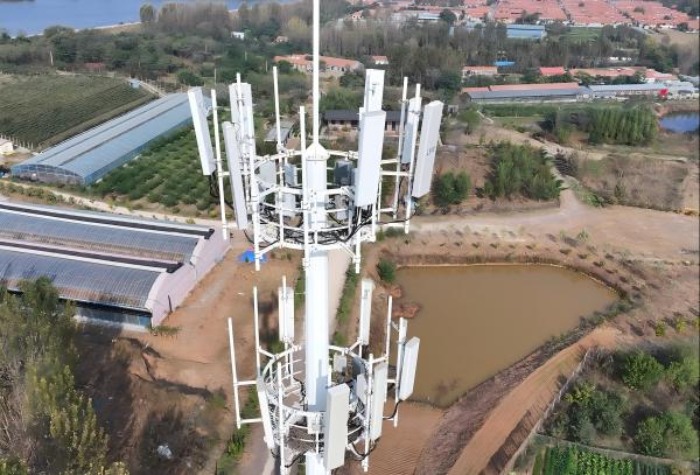
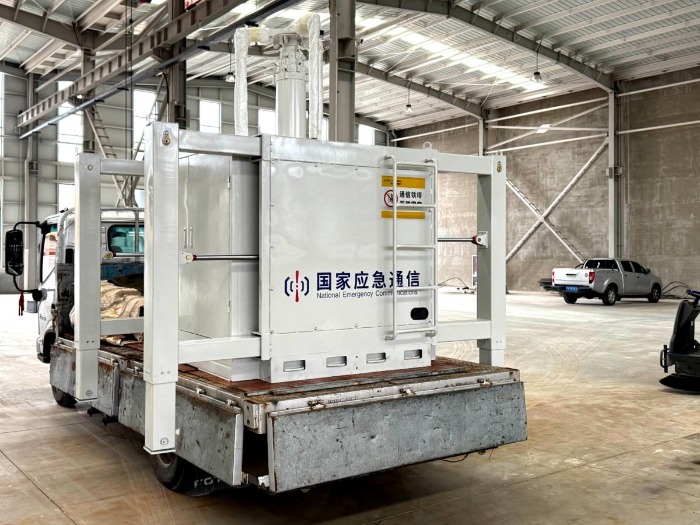
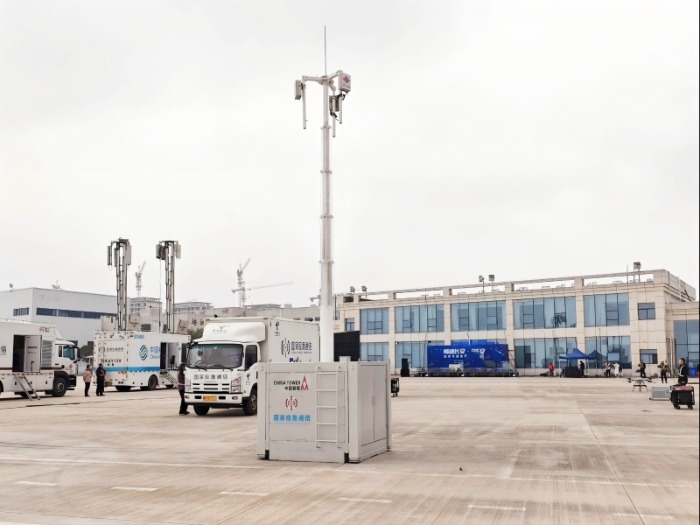
In disaster zones, remote areas, and crisis scenarios where every second counts, Altai's Emergency Base Station Cabinet delivers cellular connectivity faster than traditional solutions. Engineered for rapid deployment in under 30 minutes, this innovation transforms emergency response, temporary coverage, and smart infrastructure projects.


telecom cabinet


Core Technical Advantages

  1. Ultra-Fast Deployment

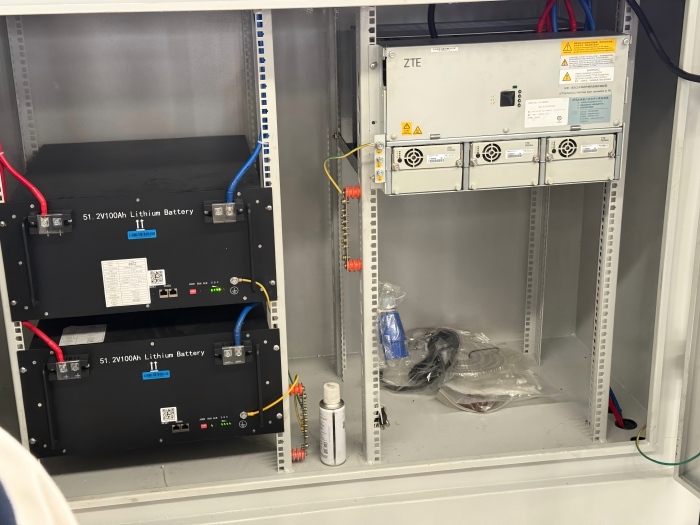
    1. 0.5-Hour Setup: Hydraulic self-loading/unloading systems + wireless remote control enable instant activation.

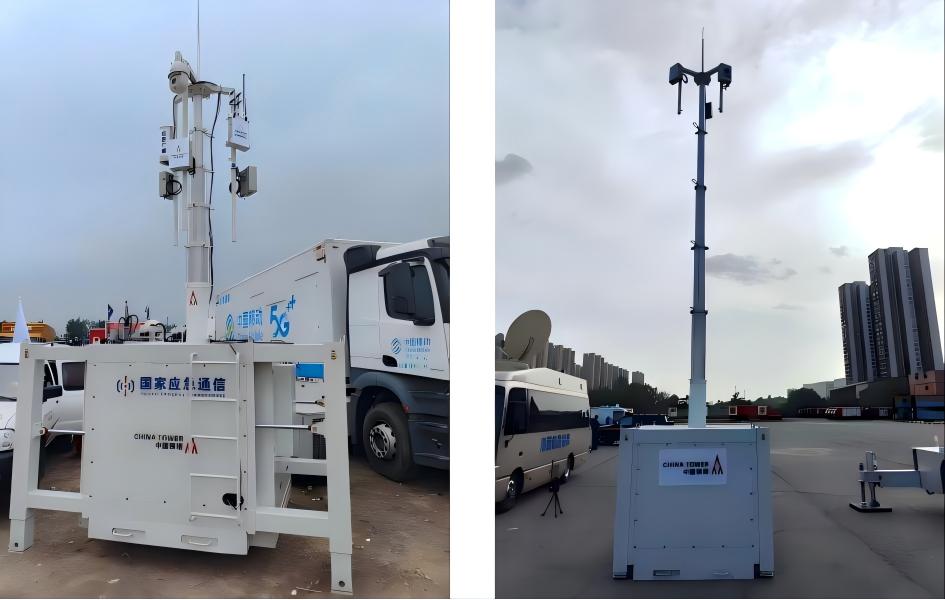
    2. Zero Crane Dependency: Integrated lifting mechanisms deploy the 8–15m tower autonomously.

  2. All-in-One Infrastructure

    1. Integrated Systems: Pre-installed switching power, backup batteries, HVAC, and antenna mounts (3×1.5m poles w/RRUs).

    2. Compact Footprint: Occupies just 2.6m² (1.6m×1.6m) – fits pickup trucks or helicopters.

  3. Extreme Environment Ready

    1. Wind Resilience: 0.55kN/m² pressure rating (withstands 150 km/h winds).

    2. Thermal Management: Intelligent climate control (-30°C to +55°C operational range).

    3.  

quick deploy telecom cabin


Critical Applications

Scenario Impact
Disaster Response Restore comms post-earthquake/flood in <1hr
Field Hospitals Instant 5G coverage for Fangcang facilities
Mining/Construction Rapid coverage in remote sites
Event Security Live HD video backhaul for crowd control

telecom cabinet


Engineering Breakthroughs

  1. Self-Unloading Chassis:
    Hydraulic legs auto-stabilize on uneven terrain – no ground prep needed.
  2. Patent-Pending Design:
    Co-developed with Shanghai Tongji University for unmatched reliability.

  3. Modular Payload:
    Supports 3× multi-band antennas + RRUs (4G/5G ready).

“When Typhoon Maria severed communications in Zhejiang, Altai cabins restored 4G for 20,000 people in 40 minutes – faster than rescue teams could arrive.”
– Emergency Response Unit, China Telecom


telecom cell cabin


Why Choose Altai?


Deploy Connectivity Where It's Needed Most
From disaster relief to smart mining, the Altai Emergency Base Station Cabin ensures no one stays disconnected.


 Learn more at   www.alttower.com


Contact Us 

I. Camouflage Tower Fundamentals

Definition: Structural towers engineered to visually blend with surroundings while maintaining full functionality.
Core Objectives:

  1. Minimize visual intrusion in sensitive areas (residential, historic, scenic)

  2. Reduce vandalism/theft risk in remote locations

  3. Conceal critical infrastructure (military/security)

  4. Meet strict zoning/regulatory requirements

Key Engineering Principles:

  1. Spectrum Matching: Replicate surrounding reflectance across visible, IR & radar bands

  2. Texture Replication: Mimic surface granularity (bark, concrete, foliage)

  3. Form Disruption: Break recognisable tower silhouettes

  4. Material Adaptation: Use non-reflective, radar-absorbing composites


camouflage monopole tower


II. Camouflage Tower Classification

1. Environmental Blending Towers

Subtype Technical Specifications Applications
Forest Towers - Glass-reinforced polymer (GRP) bark-textured cladding
- Antenna mounts disguised as tree branches
- Custom color matching using RAL K7 woodland palette
Cellular networks in national parks
Wildlife observation posts
Rockface Towers - Geopolymer concrete with embedded local aggregates
- Non-reflective angled facets (10°–45°)
- Radar-diffusing surface treatments
Mountainous telecom sites
Border surveillance
Desert Towers - Sand-textured polyurethane coating (RAL 1019)
- Heat-dissipating vent designs mimicking dunes
- UV-stable materials resisting 50+°C temps
Oil field communications
Military desert ops

2. Urban Camouflage Towers

Subtype Technical Specifications Applications
Stealth Steeple - Church spire profile with internal lattice structure
- Bell tower acoustic dampening for equipment noise
- Lead-coated copper exterior (patina aged)
Historic district 5G deployment
Monopalm Trees - FRP trunk with polyethylene fronds (wind rating 130km/h)
- Internal stainless steel reinforcement spine
- Rain gutter systems disguised as vines
Resort area telecom
High-end residential
Vent Stack Towers - Double-walled chimney design with thermal baffles
- Industrial-grade powder coating (RAL 7022)
- Emissions-compliant heat dissipation
Factory complexes
Port authority systems

camouflage tree monopole


3. Architectural Mimicry Towers

Subtype Technical Specifications Applications
Flagpole Towers - Telescoping aluminum sections (max 40m)
- Internal waveguide antenna feeds
- Halyard pulley system integration
Embassies & government compounds
Urban microcells
Water Tower Replicas - Pressurized FRP tank shell (holds 20,000L)
- Structural lattice inside tank cavity
- Functional water level indicators
Municipal infrastructure
Rural water districts
Billboard Towers - Digital display mounting structure
- Cable raceways behind ad panels
- 360° service catwalks
Highway telecom
Urban advertising

4. Military Concealment Towers

(Note: Declassified tech only)

Subtype Technical Specifications Applications
RF-Stealth Masts - Carbon fiber composites with radar-absorbent mats (RAM)
- Reduced RCS profile (<0.1 m² at X-band)
- IR-suppressing thermal wraps
Forward operating bases
ELINT stations
Rapid-Deploy Scrim - Modular camo netting with spectral signature control
- Lightweight tensioned membrane (3kg/m²)
- Multi-band frequency selective surfaces (FSS)
Mobile artillery radar
Temporary surveillance
False Structures - Inflatable decoy towers with corner reflectors
- Heat signature emulators
- EMI-shielded equipment pods
Electronic warfare deception
Force protection

III. Camouflage Technology Deep Dive

Material Science:

  1. Coatings: Ceramic-loaded epoxy with chameleon pigments (shift with viewing angle)

  2. Texturing: Laser-etched mold replication of natural surfaces (±0.02mm accuracy)

  3. Thermal Management: Phase-change materials (PCM) in cladding to mask heat signatures

Electromagnetic Engineering:

  1. Frequency Selective Surfaces (FSS): Transparent to operational bands (e.g., 1.7–2.5 GHz) while blocking others

  2. Radar-Absorbing Structures (RAS): Carbon nanotube-doped composites attenuating 8–18 GHz

Structural Integration:

  1. Wind load preservation: Camo elements engineered for ≤5% additional drag

  2. Maintenance access: Hidden hatches with biometric security

  3. Lightning protection: Dissipative strips embedded in artificial bark


telecom monopole tree tower


IV. Performance Metrics Comparison

Camouflage Type Visual Detection Range Radar Cross Section Maintenance Cycle Cost Premium
Forest Blending ≤100m Baseline 18 months 25–40%
Urban Stealth ≤50m +0.5 dBsm 24 months 35–60%
Military RF-Stealth ≤30m -20 dBsm 6 months 200–400%
Architectural Mimic ≤15m +3 dBsm 60 months 70–90%

V. Implementation Guidelines

  1. Site Analysis Phase

    1. LiDAR scanning of surroundings

    2. Spectral reflectance mapping (350–2500nm)

    3. Historic visibility studies (seasonal variations)

  2. Regulatory Compliance

    1. FAA obstacle marking exemptions

    2. Local heritage preservation codes

    3. Military security clearance requirements

  3. Lifecycle Considerations

    1. UV degradation testing (3000+ hour accelerated weathering)

    2. Vandalism resistance (IK10 impact rating)

    3. Fire safety (Class A flame spread rating)

    4.  

Case Study: Singapore's "Trees of Knowledge" project deployed 132 monopalm towers in Marina Bay, reducing visual impact complaints by 92% while delivering 5G coverage. Each "tree" contains 18 antennas with <0.5dB signal loss through FRP cladding.


 Learn more at   www.alttower.com


Contact Us 

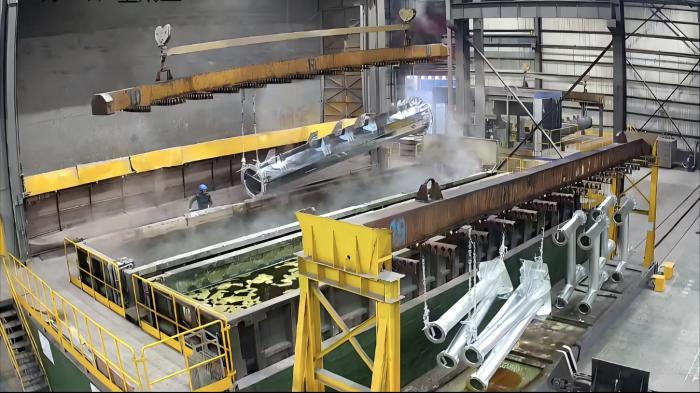
utility steel pole

4.6-33kV Steel Utility Pole: Core Specifications

Definition: Hot-dip galvanized steel structures engineered for medium-voltage distribution lines, transformer mounting, and rural/urban power networks.

Parameter Specification Standard/Grade
Voltage Class 4.6kV / 11kV / 22kV / 33kV IEC 60038
Height Range 9–18m Modular sections
Material ASTM A572 Gr.50 / S355JR Yield: 345-355 MPa
Coating Hot-Dip Galvanizing (HDG) Min. 610g/m² (ISO 1461)
Top Diameter 100-180mm Taper: 1.2%/m
Base Diameter 220-450mm  
Wind Resistance 160 km/h (IEC 60826 Class 4) 12.5mm radial ice load
Bending Moment 20-150 kN·m At GL (ground line)

Structural Design Features

1. Sectional Configuration

2. Insulator & Hardware Mounting

Component Specification
Crossarms Hot-dip galvanized steel (1.5-3m length)
Insulator Pins 16-24mm Ø, spaced per phase clearance
Phase Spacing 11kV: 0.9m / 33kV: 1.8m (IEC 61936)
Ground Clearance ≥5.5m for 33kV (AS/NZS 7000)

3. Foundation Systems


33kv utility steel pole


Electrical Safety Systems

Component Function Standard
Neutral Conductor Top-mounted (ABC systems) / Crossarm-mounted IEC 60502-2
Grounding 50mm² Cu cable to 2×3m rods (≤10Ω) IEEE 80
Surge Arresters Polymer-housed (30kA, 36kV MCOV) IEC 60099-4
Warning Signs "DANGER 33kV" at 2.5m height ISO 3864

Performance Comparison

Feature Steel (33kV) Concrete (33kV) Wood (33kV)
Lifespan 50+ years 40 years 20 years
Failure Mode Bend deformation Brittle fracture Rot at base
Ice Load Capacity 25mm radial 20mm radial 15mm radial
Maintenance Zero Crack inspection Pest control
Recyclability 100% Limited Low

Corrosion Protection System


33kv utility pole


Typical Configurations

11kV Distribution Pole

text
 
Height: 12m  
Crossarms: 2×2.4m (horizontal V-configuration)  
Conductors: AAC 150mm² (3-phase + neutral)  
Ground Clearance: 5.0m  

33kV Sub-Transmission Pole

text
 
Height: 18m  
Crossarms: 3×3.0m (delta formation)  
Conductors: ACSR 240/40mm²  
Ground Clearance: 6.5m  

Installation Protocol

  1. Site Survey:

    1. Soil resistivity testing (Wenner 4-pin method)

    2. Overhead line scan (LiDAR clearance check)

  2. Erection:

    1. Crane lift with spreader bars

    2. Verticality tolerance: ≤1:500

  3. Commissioning:

    1. Insulator cleaning (silicone coating)

    2. Torque check: 90% yield strength of bolts

    3. Megger test: >500 MΩ (phase-to-ground)


Cost Analysis

18m 33kV Pole Cost (USD)
Pole + Hardware $1,800–2,500
Foundation $600–1,200
Installation $1,000–1,500
Total $3,400–5,200
Note: 40% lower lifecycle cost vs. concrete over 30 years

Case Study: Desert Deployment

Project: Saudi Arabia 132/33kV Substation Feeder


utility steel pole


Compliance & Certification

Engineering Tip: For 33kV lines, specify corona rings on insulators where altitude >1000m to reduce RF noise.

For custom designs: Provide soil class, wind/ice zone, and conductor tension for pole class selection (Class 1 to Class 5 per IEC 60826).


 Learn more at   www.alttower.com


Contact Us

At the heavy steel plate lifting site, the crane moves slowly, but there are no steel cables or hooks below - only an inconspicuous metal plate adsorbing several tons of steel, hanging steadily in the air. Behind this is the power of the magnetic lifter, which uses the "invisible hand" of the magnetic field to completely revolutionize the way heavy materials are transported.


magnetic lifter


Core principle: precise control of magnetic field

Magnetic lifters are mainly divided into two types: permanent magnet and electromagnetic. The core of both types is to achieve adsorption and release through the control of magnetic field.

- Permanent magnet lifter: It uses high-performance permanent magnet materials such as neodymium iron boron (NdFeB) inside, and changes the distribution of magnetic lines of force by rotating the mechanical handle. When turned on, the bottom forms a longitudinal magnetic pole to adsorb the load; when closed, the magnetic lines of force are closed inside to achieve "zero magnetic leakage" release. The feature of not requiring power makes it extremely safe in power-off scenarios.

- Electromagnetic lifter: It relies on current to pass through the coil to generate a magnetic field, and the size of the magnetic force can be flexibly controlled by adjusting the voltage. The advantage is that it can be remotely controlled and is suitable for accurately separating single pieces of material from stacked plates. However, it requires continuous power supply and a backup battery to deal with the risk of power outages.

- Innovative combination: Electro-permanent magnet technology (such as Magswitch) combines the advantages of both. It only needs to be powered on for a moment to switch the magnetic state, and no power is required to maintain the magnetic force thereafter, with an energy saving rate of 95%, and supports remote control operation.

 magnetic lifter

Why is it the darling of the industry?

1. Safe and reliable:

The maximum pull-off force of the permanent magnet type is 3.5 times the rated load, eliminating accidental falling off; the electromagnetic type avoids the arcing failure of the traditional contactor through contactless control technology (such as thyristor module) and improves stability.

2. High efficiency and energy saving:

Permanent magnets do not require electricity, and electromagnetics only consume electricity when working. Compared with hydraulic or mechanical clamps, energy consumption is reduced by more than 90%, and the cost of the cooling system is eliminated.

3. Lightweight design:

The high magnetic energy product of neodymium magnets reduces the size of the equipment by 50%, and it can be carried by manpower, greatly reducing the load of the crane.

Key usage tips: Avoid "magnetic traps"

The performance of magnetic lifters is affected by multiple factors, and ignoring these details may lead to accidents:

Influencing factors Performance changes Solution
Insufficient material thickness Lifting capacity decreased by 30%-50% Select equipment with higher rating
Surface roughness>50μm Magnetic force attenuated by 40% Clean the surface or increase the number of magnets
High carbon steel load Magnetic force weakened by 5%-10% Calculate at 95% of the rating
High temperature environment (>80℃) Neodymium magnets are irreversibly demagnetized Use samarium cobalt magnets (resistant to 350℃)


Good maintenance and monitoring can extend the life:

- Avoid impacting neodymium magnets (brittle materials are prone to breakage);

- Check magnetic force attenuation every two years and replace aged magnet modules;

- Electromagnetically check the battery capacity regularly to ensure that the power-off magnetic retention function is effective.

In new energy vehicles, NdFeB permanent magnets are usually installed on the rotor of a permanent magnet synchronous motor (PMSM). When current passes through the stator winding to generate a rotating magnetic field, the permanent magnet's inherent magnetic field interacts with it, generating torque to drive the rotor to rotate - this is the precise physical process that occurs when you step on the "gate". Therefore, rare earth permanent magnets are called the "invisible heart" of new energy vehicles.


earth magnet

Rare earth permanent magnets: the "magnet king" of modern motors

The history of the development of rare earth permanent magnet materials can be described as an evolution of materials science. From the earliest natural magnets, to AlNiCo magnets in the early 20th century, to ferrite permanent magnet materials in 1947, humans have been constantly pursuing stronger magnetic properties. The real revolution occurred in 1983 when the third-generation rare earth permanent magnet material neodymium iron boron (NdFeB) came into being.

Why is neodymium iron boron called the "king of permanent magnets"? Its magnetic energy product is 10 to 15 times higher than that of ferrite, 5 to 8 times higher than that of traditional electric excitation materials, and second only to superconducting excitation. This material has extremely high remanence and coercivity, strong anti-demagnetization ability, and can allow the motor to generate a strong magnetic field in a smaller volume.


Why is it necessary for new energy vehicles?

Unlike traditional fuel vehicles, new energy vehicles have almost stringent requirements for drive motors: high power, small size, light weight, and high efficiency. Rare earth permanent magnet synchronous motors just meet these requirements perfectly:

Efficiency king: The efficiency can reach up to 97%, which is 6% higher than the efficiency of the induction motor used by Tesla in the early days, which directly translates into a longer driving range.

Power density king: Small size, light weight, and power density far exceeds other motor types, making vehicle layout more flexible.

Precise control: High speed regulation accuracy, fast response speed, and smooth and immediate power response.

In contrast, although AC induction motors are low in price and high temperature resistance, they have low power density; switched reluctance motors are low in price but have high noise and vibration. In terms of comprehensive performance, rare earth permanent magnet synchronous motors are undoubtedly the optimal solution for current new energy vehicle drive motors.


According to research, each new energy vehicle consumes an average of 2.5 kg of NdFeB permanent magnet materials. With the explosive growth of new energy vehicles:

In 2025, the global demand for rare earth magnets for new energy vehicles is expected to reach 30,000 tons.

The compound growth rate of rare earth magnet demand from 2021 to 2025 is 35%+, and new energy vehicles contribute about 60% of the growth.

Although rare earth permanent magnets are small, they have become an indispensable "industrial vitamin" for new energy vehicles. In the field of new energy vehicles, the essence of competition has shifted from the application level to the basic science level. With its advantages in rare earth resources and processing technology, China is transforming this strategic resource into a fulcrum for defining the future automotive technology paradigm.

Landscaping monopole towers with integrated lamps offer a unique and functional solution for combining telecommunication support with decorative landscape lighting. These structures enhance the aesthetics of outdoor spaces while providing practical lighting solutions for various applications, promoting safety, ambiance, and visual appeal in both public and private settings.


Core Specifications

Parameter Specification
Height 8–30m (26–60 ft)
Diameter 300–600mm (tapered)
Material Hot-dip galvanized steel + aluminum composite shrouds
Lighting LED luminaires (3,000–12,000 lm, 3000K–5000K CCT)
Antenna Capacity 3–6 sector antennas + 2 small cells
Wind Rating 160 km/h (100 mph)
Corrosion Protection ISO 12944 C4/C5 coating
Foundation 2m×2m×3m reinforced concrete

landscape monopole tower 


Design Features

1. Stealth Integration

  • Aesthetic Shrouds:

    • Textured powder coating (RAL colors: 8004/7016)

    • Optional faux-bark or stone veneers

  • Concealed Antennas:

    • Radomes embedded in crown or lamp housing

    • RRUs hidden in base cabinets (IP55 rated)

2. Lighting System

Component Function
LED Modules 100–150 lm/W efficiency (IES LM-80 compliant)
Optics Asymmetric distribution (EN 13201 Road Lighting)
Smart Control Dimming + motion sensing (DALI/Zigbee 3.0)
Solar Hybrid Optional 400W PV panels + LiFePO₄ batteries

3. Structural Engineering


Telecom & Lighting Payload

plaintext
 
                                    [ Antenna Radomes ]  
                                      │    ▲    
                                      │ 5G mmWave  
                                      ▼    │  
[ LED Array ]──────[ Lighting Control ]───[ Power/Signal Conduit ]  
      │                   (DALI/Zigbee)               │  
      │                                               │  
      └────[ Pole Structure ]──────[ RRU Cabinet ]────┘  
                      ▼                     (IP55)  
               [ Foundation ]  

landscape monopole tower

Deployment Workflow

  1. Site Planning:

    • LiDAR scans for lighting uniformity + RF coverage simulation

  2. Foundation:

    • Concrete pour with embedded conduit stubs (power/fiber)

  3. Assembly:

    • Stack tapered sections → Install lighting/antenna modules

  4. Commissioning:

    • Photometric testing (lux/m²)

    • VSWR antenna tuning (<1.5)


Smart City Integration

Feature Technical Benefit
IoT Hub Air quality/temperature sensors (LoRaWAN)
Public Wi-Fi Dual-band 802.11ax (4×4 MU-MIMO)
Emergency Comms Blue light SOS + intercom
Data Backhaul Fiber/microwave via internal ducts

Compliance & Certifications


Cost Analysis (12m Unit)

Component Cost Range
Monopole Structure $12,000–$22,000
Lighting System $3,000–$6,000
Antenna Integration $8,000–$15,000
Installation $5,000–$10,000
Total CAPEX $28,000–$53,000
OPEX Savings 30% vs. separate installations

landscaping monopole tower


Real-World Application: Singapore Gardens


Critical Considerations

  1. Glare Control:

    • IES Type III optics (max 25° vertical cutoff)

  2. EMF Management:

    • Antennas >4m


      above ground (ICNIRP compliance)

  3. Maintenance:

    • Downtime <30 mins (hot-swappable LED modules)


Future-Proofing

"In Barcelona’s smart districts, landscaping monopoles reduced street clutter by 62% – replacing 7 standalone structures per km. Their dual functionality accelerated permit approvals by 300%."
– Urban Infrastructure Director


 Learn more at   www.alttower.com


Contact Us 


keyboard_arrow_up