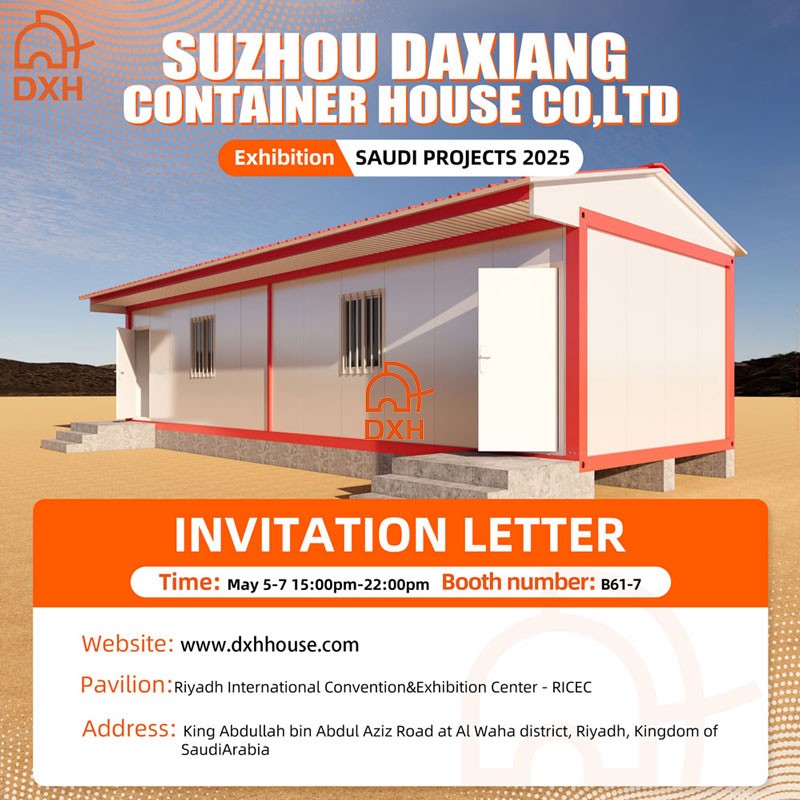
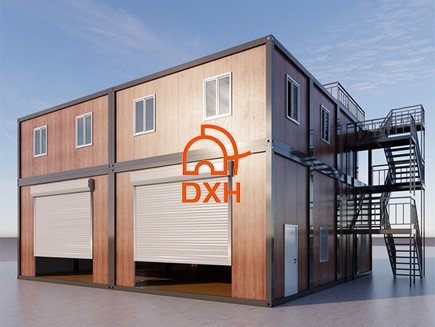
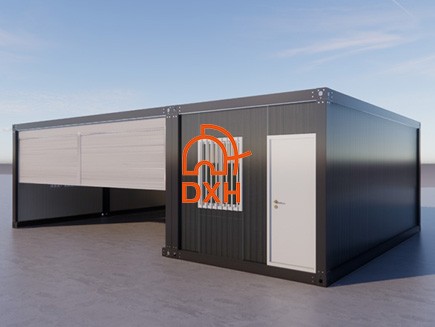
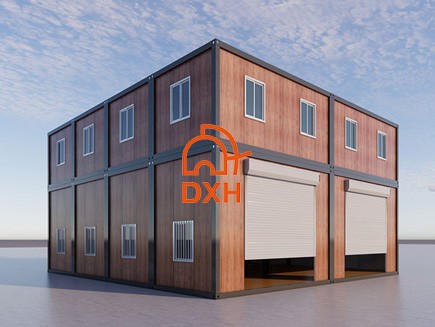
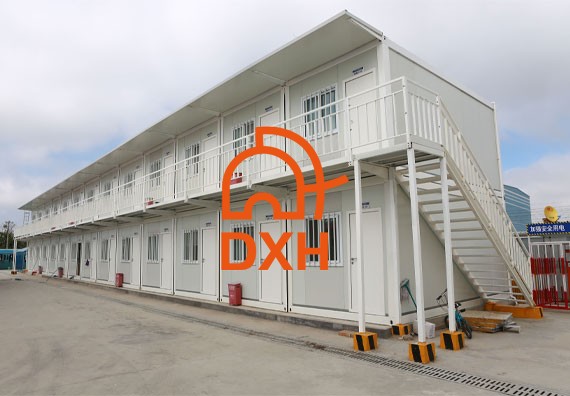
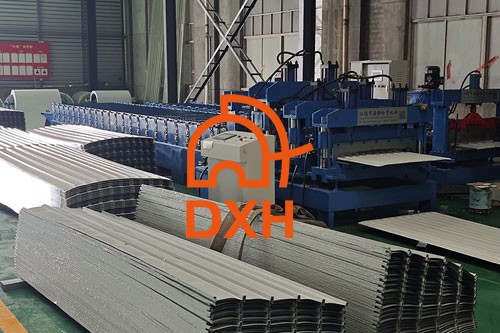
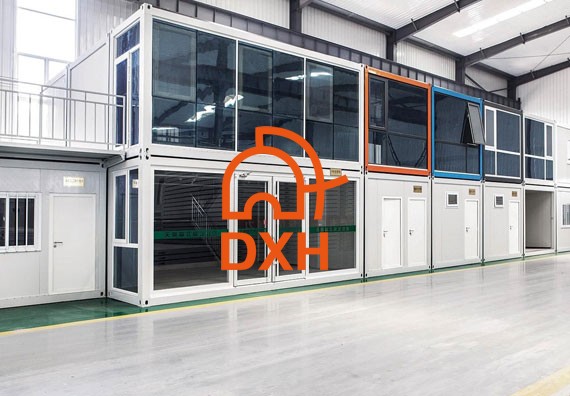
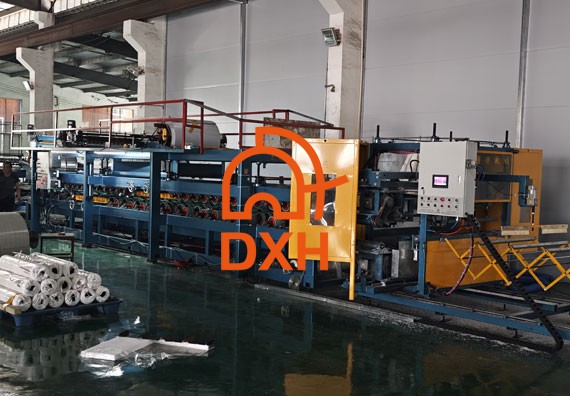
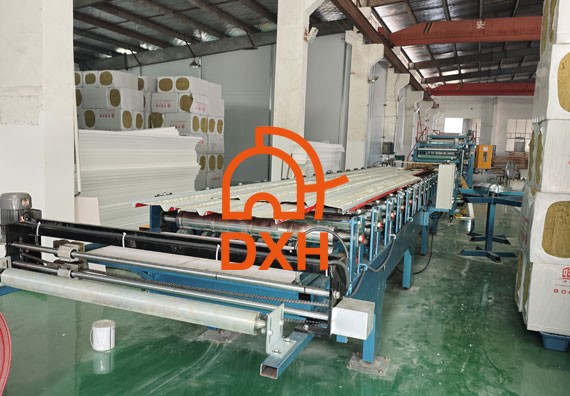
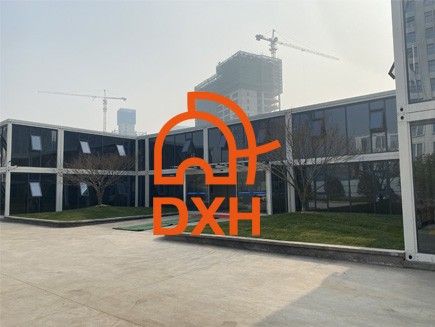
DXH House is excited to announce our participation in the upcoming major exhibition in Saudi Arabia! We'll be showcasing our innovative and versatile modular solutions, including our popular container offices and customizable building designs. This is a prime opportunity to see firsthand how our durable, rapidly deployable, and cost-effective structures can meet the dynamic needs of projects across the Kingdom. We invite you to visit our booth [B61-7] to meet our team, discuss your specific requirements, and explore the future of adaptable spaces with DXH House.
Prefab container houses are changing our perspective on how to approach home building. Whether you're a minimalist, an eco-conscious homeowner, or looking for a unique living space, prefab container homes offer a versatile solution. In this article, we'll explore what prefab container houses are, their benefits, design possibilities, and why they are becoming a top choice for homeowners in 2025.
What Are Prefab Container Houses?
Prefab container houses are built using modular structures as their primary framework. These containers, originally designed for transporting goods, are converted into livable spaces. They are prefabricated, meaning much of the construction occurs off-site in a factory before being delivered and assembled at the homeowner's location.
Container homes can range from single-container units to multi-container homes. Their modular nature allows for endless customization, making them ideal for various lifestyles and budgets.
Why Choose a Prefab Container House?
Prefab containers are a practical housing solution. Here are the reasons:
1. Affordability: Building a traditional home can be expensive due to material and labor costs. Prefab container homes, whether standard containers or fully customized, are often more budget-friendly.
2. Sustainability: Containers reduce waste and the demand for new construction materials. Numerous prefabricated container homes can integrate environmentally sustainable features, such as solar panels and energy-efficient insulation systems.
3. Construction Speed: Prefabricated container houses can be completed in a few weeks because most of their components are built in factories.
4. Durability: Container houses were originally designed to withstand harsh sea transportation, so they are durable and weather-resistant. As long as they are properly maintained during use, they can be used for decades.
5. Flexibility: Whether you want a tiny home, a vacation cabin, or a multi-story residence, containers can be stacked, combined, or modified to suit your needs.
Designing Your Prefab Container Home
One of the biggest draws of prefab container houses is their design versatility. Here are some popular design ideas to inspire your dream home:
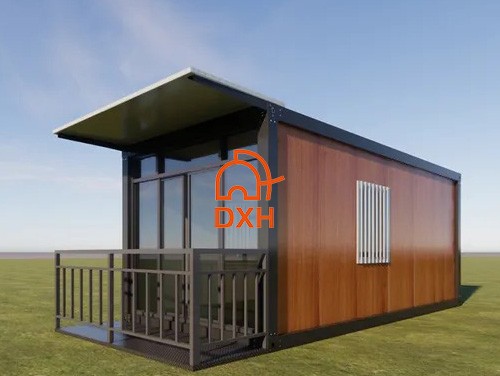
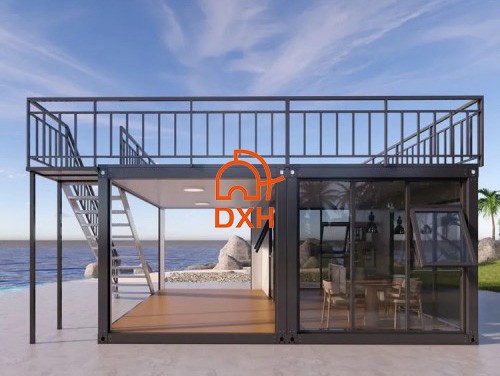
1. Tiny Home: A single 20- or 40-foot container can be transformed into a sleek, compact living space perfect for singles or couples. Add large windows and a rooftop deck for an open, airy feel.
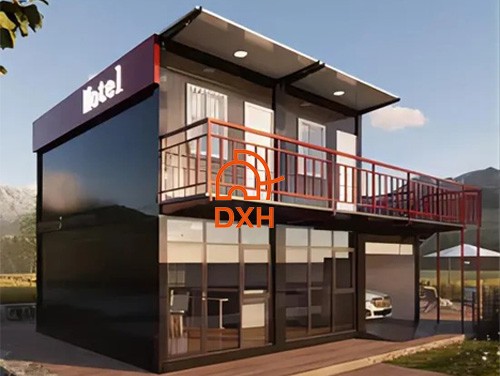
2. Multi-Storey Container: Combine multiple containers to create a spacious family home. Stack them for a modern two-story look or arrange them side-by-side for a sprawling layout.
3. Off-Grid System: Equip your container home with solar panels, composting toilets, and water recycling systems for a sustainable off-grid lifestyle.
4. Portable Home: Mount your container home on a trailer for a portable living solution, ideal for adventurers or those who love to travel.
Customization Options
Prefab container homes can be tailored with various features, such as:
1. Insulation: Essential for temperature control and energy efficiency.
2. Windows and Doors: Use large windows or glass sliding doors to create a modern aesthetic and let in natural light.
3. Interior Finishes: The interior can be as luxurious or simple as you like.
4. Outdoor Spaces: You can add decks, patios, or green roofs to enhance outdoor living.
The Advantages of Prefab Container Houses for Contemporary Living
In 2025, prefab container houses are increasingly attracting a diverse demographic, spanning from young adults to retirees. The following points illustrate why these residences are well-suited for contemporary living:
1. Urban Affordability: In cities with high housing costs, container homes offer an affordable alternative to apartments or condos.
2. Rural Versatility: They are suitable for those seeking off-grid living or vacation homes.
3. Comfortable Living: With growing awareness of climate change, homeowners are increasingly drawn to the sustainable aspects of container homes.
4. Unique Design: The industrial look of containers appeals to those who desire a home that stands out.
How to Get Started with a Prefab Container Home
Ready to explore prefab container houses? Here’s a simple guide to get started:
1. Providers: Look for reputable companies specializing in prefab container homes, such as DXH House, which has over 10 years of experience and a professional technical team to meet your container home needs.
2. Plan Your Budget: Factor in the costs of the container, customizations, permits, and land preparation.
3. Consult Local Authorities: Ensure your project complies with zoning laws and building codes.
4. Work with Designers: Collaborate with an architect or designer to create a layout that suits your needs.
5. Eco-Friendly Features: Consider adding sustainable elements like solar panels or energy-efficient windows to reduce your environmental footprint.
The Future of Prefab Container Houses
As housing costs continue to rise and sustainable living gains importance, prefab container houses are positioning themselves as a pragmatic solution. They offer affordability and customization options, making them suitable for various lifestyles. Whether one envisions a minimalist tiny home or a spacious modern residence, a prefab container house can bring that vision to fruition.
To further explore tailored designs, start contacting DXH House's prefab container home designs today to create a space that's uniquely yours.
In the trend of innovative sustainable construction, containers are being used as effective solutions for residential, commercial, and storage needs. Their practicality and durability make them particularly suitable for use as garages. For individuals seeking an economical method to securely park and protect vehicles while simultaneously optimizing space for additional storage or work areas, a container garage presents an ideal solution.
What is a Container Garage?
A container garage is a structure built from one or more Corten Steel containers. These durable containers are usually 20 to 40 feet in size and can be converted into a garage, studio, or storage unit. The containers are delivered to your site and arranged in various ways depending on the available space. These vehicle garages can be customized to meet different needs, from simple single garages to multi-story facilities.
Benefits of Container Garages
Sturdy and Reliable
Crafted from robust, weather-resistant steel, these containers are incredibly durable, capable of enduring harsh weather conditions and heavy loads. Their robust structure provides excellent protection for your vehicles and belongings from theft and harsh conditions. Their weatherproof properties ensure that your vehicles and belongings are shielded from rain, wind, and pests.
Budget-Friendly
Garage containers often offer a more economical alternative compared to traditional wood-frame garages. While the overall cost may vary depending on size and layout, the basic structure is generally much cheaper. Besides, the installation is swift and straightforward, which helps reduce labor costs.
Flexible and Customizable
Parking containers are available in a range of flexible and customizable configurations. They can be arranged as single units, double units, or multi-container combinations, and can be stacked to form multi-layer garages. Additionally, options such as rolling shutters, windows, insulation, and electrical systems can be incorporated to cater to individual requirements. Some homeowners choose to convert multiple containers into expansive multi-car garages or dedicated workshops, further enhancing their functionality.
Movable Features
The modular design is ideal for properties with limited land space. Containers can be stacked or arranged creatively to maximize storage without occupying additional land. In some cases, depending on the foundation and renovations, certain container garages can be relocated and used elsewhere when you move.
Creative Uses of Containers as Garages
Single-car Garage: Perfect for parking vehicles near personal residences or as a workshop for tools and equipment.
Double-Container Garage: Ideal for families with multiple vehicles or those needing extra storage. Containers can be placed side by side or stacked to create two levels of parking space, tailored to your specific needs.
Workshop Studio: With insulation and electrical upgrades, a container garage can serve as a workshop for car enthusiasts.
Multi-Storey Garage: For some remote-based businesses, containers can be stacked in a multi-story structure, allowing them to create additional floors for vehicles, storage, and even office space.
Installation and Considerations
Foundation: Establishing a solid and level foundation, such as a concrete slab, is essential for ensuring the structure's stability and durability.
Ventilation and Insulation: To reduce condensation and maintain an optimal temperature within the structure, it's wise to integrate effective insulation and ventilation systems.
Permits and Zoning: Before starting any project, it's crucial to verify local regulations regarding container structures to comply with zoning laws and permit requirements.
Conclusion
If you require additional storage, workspace, or a customized garage solution, a container garage may be the ideal choice for you. With its versatility, durability, and customization options, a container garage can provide a perfect solution for your home or business.
Contact DXH House to get your container garage solution and to learn more about how this innovative structure can meet your needs.
Construction site containers are versatile, modular units that can be utilized for various purposes within a construction project, including offices, warehouses, and living quarters. Compared to traditional construction methods, these sturdy steel boxes offer a versatile and cost-effective solution to the daily challenges of construction projects. These containers can be quickly deployed, customized, and relocated, making them ideally suited to the dynamic nature of construction sites.
Why use Containers on Construction Sites?
Construction sites are busy and demanding. Workers need secure storage, comfortable workspaces, and efficient equipment. Containers are typically made of steel, ensuring durability while also allowing for mobility. They can save time, reduce costs, and improve on-site operations. Here are some key ways containers can help construction sites.
Secure Storage for Tools and Materials
Secure storage is a critical need on construction sites. Tools, building materials, and heavy equipment can be vulnerable to theft and weather damage. Containers have a robust steel structure that can store power tools, copper wire, and construction materials, while also protecting against the elements to keep items dry.
Many contractors use multiple containers to organize different types of equipment. One container might hold hand tools, and another might hold electrical supplies. This system keeps everything organized and secure.
Temporary Site Offices and Workspaces
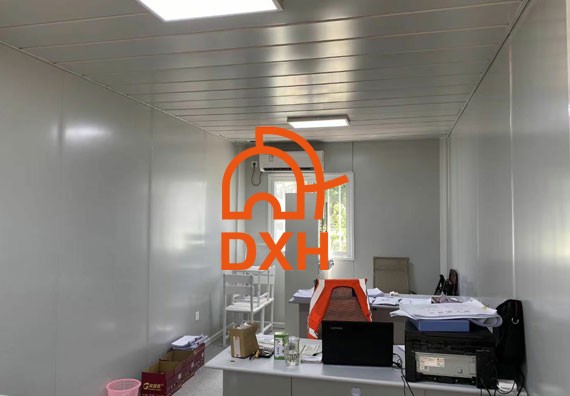
A temporary site office can be easily constructed using multiple containers. These containers can be outfitted with necessary features such as insulation, air conditioning, windows, desks, and internet connectivity. This advantageous approach is both time and cost-effective compared to creating a conventional office from scratch.
As your project shifts to different locations, your container office can move along, providing flexibility that helps minimize expenses while keeping your team productive throughout the project.
Worker Accommodation and Sanitary Facilities
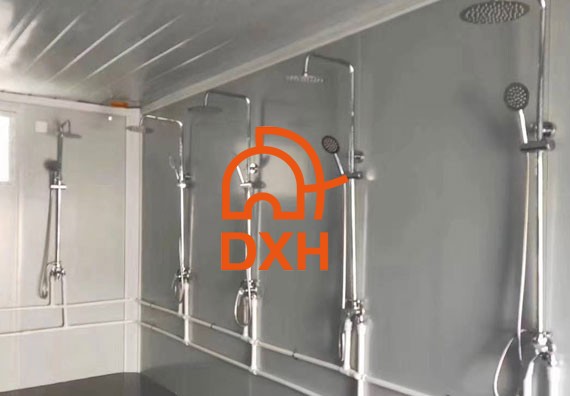
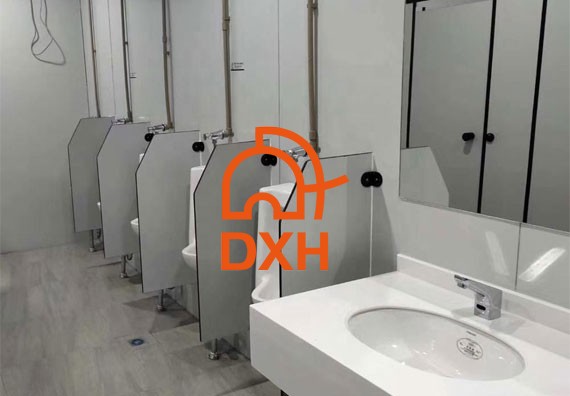
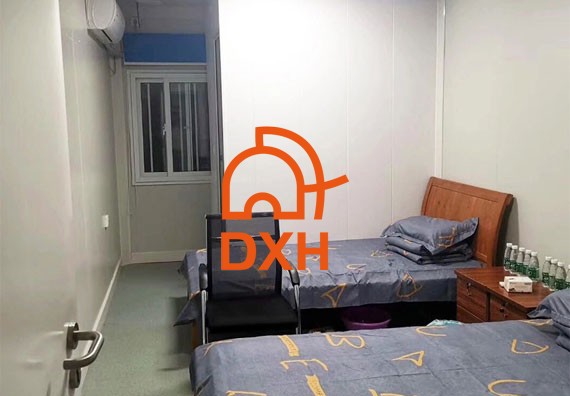
Temporary container dormitories provide construction workers with a comfortable living space and essential sanitary facilities. These container homes serve as a practical alternative because they can include basic amenities such as bedrooms, bathrooms, and common areas.
Container dormitories are especially suitable for pipeline projects, mining operations, and disaster relief construction. They provide safe, comfortable, and sanitary accommodations and can be quickly set up in various locations.
Advantages of Containers on Construction Sites
Cost-Effectiveness
Traditional construction site facilities require a significant initial investment. Building permanent structures for temporary needs can be quite expensive, while purchasing several portable containers is generally more economical.
Modular container houses offer a cost-effective alternative in several ways. Used containers can often be acquired at a lower price while still providing the same essential functionality.
Advantages for the Environment
As global environmental protection standards rise, the construction sector faces pressure to adopt sustainable practices. Clients are increasingly seeking eco-friendly options, and regulations are encouraging efforts to minimize waste and enhance recycling initiatives.
Using containers helps protect the environment and reduce carbon footprints. Container conversions typically use less new material than traditional construction, and their steel structure makes them highly recyclable at the end of their lifespan.
Quick Construction and Deployment
Prefab structures made from containers can be delivered and put into use within just a few days. Simple modifications, such as adding doors, windows, and electrical systems, can be completed quickly. Even more complex renovations take significantly less time compared to traditional construction methods.
Customization Options
Container homes provide limitless customization possibilities. They can be tailored to meet your site's specific needs, from exterior design to interior layout. Several container houses can be connected to form more spacious areas.
Additional features like stairs, awnings, and other elements can be added. Paint and siding options allow the container to match your company's branding or to blend with the surrounding environment.
Mobility and Reusability
The mobility and reusability of container homes also bring cost savings through their cyclical usage in the construction industry. Containers can be moved from one project to another throughout their lifespan. For example, a container office used for a highway project could later serve a shopping mall development, maximizing your return on investment.
Reusability also facilitates planning for future projects. You can better assess available facilities and their condition, which can aid in bidding and project planning.
Conclusion
Containers solve many common problems on construction sites. They provide secure storage, comfortable offices, and adaptable facilities that traditional solutions often can't match. Their security, mobility, and cost-effectiveness make containers an ideal choice for construction needs.
Whether you require temporary office space, secure storage, or worker facilities, containers offer a practical solution. Their durability and flexibility ensure your investment lasts for many years across multiple projects.
Think about incorporating container homes into your upcoming construction project. Reach out to our sales team today for a quote, and let our design team create a free container home design tailored to your needs.
Businesses are choosing prefabricated buildings due to their significant speed, cost-effectiveness, and superior quality control compared to traditional construction methods. Prefabrication enables the simultaneous construction of building components in a controlled factory environment, minimizing waste, reducing labor costs, and ensuring greater precision and durability. In addition, prefabricated structures offer greater flexibility for customization and expansion, faster return on investment, and improved energy efficiency, making them an attractive and sustainable choice ideal for businesses of all sizes.
Business Advantages of Prefab Construction
Fast Construction for Fast-paced Operations
Prefabricated buildings can shorten project schedules, often by as much as 50%. All components of these structures are built in a factory, allowing the foundation work to commence simultaneously on-site. This parallel approach helps avoid common delays, such as those caused by bad weather or material shortages. As a result, you don’t have to worry about weather-related setbacks, enabling your business to open sooner and begin making a profit more quickly.
In the later stages, the installers need very little equipment to complete the assembly quickly. Companies minimize downtime during the installation process. Startups have immediate access to growth space. Resumption of operations is faster compared to conventional buildings.
Cost Savings Drive Prefab Adoption
A manageable budget is a major advantage of prefabricated structural buildings. Modular buildings are typically 20-40% less expensive to build than traditional buildings, while the controlled factory environment minimizes material waste. Bulk purchasing of materials reduces expenses. Besides, the lower long-term maintenance costs of a steel design also help companies avoid the high maintenance costs associated with traditional buildings.
Traditional commercial buildings take 12-18 months to complete, while the prefab buildings are usually completed in 3-6 months and have lower labor costs. Fewer delays and a predictable schedule mean your project is more likely to stay on budget. This kind of financial predictability is critical to any business plan.
Quality Assurance
A controlled factory environment enables strict quality assurance and precise manufacturing, resulting in more reliable and consistent final products. Prefab modular building components undergo rigorous inspection procedures before being shipped from the factory. These structures are strong, durable, and fully compliant with building codes, ensuring they are built to last.
Compared to on-site construction, this approach eliminates human error and prevents material damage caused by sudden weather changes. Quality control measures provide a reliable foundation for the sustainable use of the company's investment for decades to come.
These modular prefab structures reduce environmental impact, while sustainable business practices influence construction decisions. Factory-produced buildings generate 50-90% less construction waste than traditional methods through precise manufacturing. Factory production enables accurate material calculations and efficient use of waste materials.
A controlled production environment enables optimal site layout and high-quality installation. Many prefabricated buildings are easier to obtain LEED certification than traditional buildings. A smaller carbon footprint benefits both the Earth's environment and your brand image.
Flexible and Customizable Design Solutions
Modern prefabricated buildings provide a variety of customization options. They can be designed as contemporary offices, dormitories, or industrial warehouses. Companies have the flexibility to choose layouts that align with their brand identity. Additionally, the interior layouts and materials—such as insulation, windows, and finishes—can be tailored to fit specific business requirements and workflow needs.
Modular structures are simple to expand and move. Growing businesses can add functional parts without causing significant disruption to existing operations. Movable modular buildings offer flexibility for companies with evolving location requirements.
Benefits of Technical Integration
Integrating smart building technology into factory production processes is becoming increasingly straightforward. Enhanced electrical systems, HVAC controls, and data infrastructure lead to more accurate installations. The use of pre-wiring and pre-piping streamlines the setup and reduces the likelihood of mistakes. Therefore, features for monitoring and controlling energy usage can reduce operating expenses. Modular designs also facilitate easier upgrades to technology down the line.
Industry-Specific Applications
Factories in the manufacturing industry benefit from the rapid construction and cost-effectiveness of prefab construction buildings. For example, warehouses and distribution centers can easily adopt modular designs, while retail stores can use modular buildings to expand their market presence quickly.
The healthcare industry can ensure access to medical facilities for remote populations through rapid construction. Educational institutions can build affordable educational facilities or expand resources in underdeveloped areas. The livestock or agricultural sectors can utilize prefab modular structures for equipment storage and processing facilities.
Additional Benefits
Modular buildings often have better construction quality control, which can lead to lower insurance premiums. Additionally, they might receive a more favorable evaluation for property tax purposes. When it comes to resale value, modular buildings remain competitive with traditional commercial properties.
Future-Proof Business Growth
Scalable designs can help businesses grow without needing major renovations. Modular construction add-ons can effortlessly blend with current prefabricated structures. The technical infrastructure is flexible enough to adjust to evolving business requirements. Rapid construction not only enables companies to quickly adapt to market changes but also allows companies to expand into new markets more quickly through prefab designs. Additionally, seasonal operations can benefit from moveable building solutions.
Budget planning should include site preparation, utilities, and permit fees. While other factors must be considered, the total project cost remains lower than traditional construction. In most commercial applications, return on investment (ROI) calculations favor prefabricated buildings.
Prefabricated buildings provide an effective solution for modern business construction needs. They offer cost savings, improved quality, and environmental benefits, making them an appealing alternative to traditional building methods. Forward-thinking businesses are taking advantage of these benefits by incorporating prefab structures into their development strategies.
Modular construction finishes projects faster than traditional buildings. This innovative approach combines factory precision with on-site efficiency, saving developers, contractors, and owners significant time and costs.
What is Modular Construction?
Modular construction involves prefabricated sections and modules of a building in a factory, which are then transported to the site for assembly and integration into the final structure. Unlike traditional construction, which is entirely site-based, modular building utilizes a controlled environment for most of the construction process. This method (also known as prefabrication) offers numerous advantages, including reduced construction time, cost savings, improved quality control, and reduced waste.
Speed Advantage of Modular Construction
Factory Production
The factory team constructs building modules while the on-site staff prepares the foundation and utilities. This parallel workflow for modular buildings significantly decreases project timelines and avoids common delays associated with traditional construction methods.
Controlled Environment
Most of the construction work for modular buildings is carried out indoors. Workers build modules in a controlled factory environment. This avoids delays caused by extreme weather conditions (rain, snow, and strong winds). Additionally, this environment enables strict quality control, preventing materials from being exposed to the elements, which could affect their performance.
Streamlined Assembly
Pre-fabricated modules can be installed upon arrival at the construction site. Standardized connection systems reduce on-site labor requirements, accelerate construction timelines, and minimize installation errors. Large-scale projects (such as hotels, apartments, and office buildings) can be completed in weeks rather than months.
Cost-effective for Modular Construction
Reduced Labor Costs
A controlled production environment improves worker productivity. Since modules are pre-assembled, fewer workers are needed for on-site assembly. Standardized processes minimize labor requirements and reduce costs.
Reduced Material Waste
Precise factory cutting and assembly minimize material waste. Bulk purchasing capabilities for multiple projects reduce material costs. Surplus materials from one project can be reused in future modules, maximizing resource efficiency.
Predictable Project Budgets
Modular construction achieves predictable project budgets through bulk purchasing and standardized designs. This approach avoids the effects of weather delays, material price fluctuations, and on-site complexities on the final project cost.
Shorter Project Timelines
Shorter timelines mean projects can be operational and generating revenue more quickly, thereby reducing expenses in other areas. For commercial buildings, such as offices or retail spaces, this rapid turnaround is a key advantage of cost-effective construction.
Other Benefits of Modular Construction
Quality Control
Factory-built homes maintain strict quality standards. On-site construction faces variables such as weather or worker skill levels. Additionally, high-quality modular homes can lead to lower long-term maintenance costs.
Sustainability
Modular construction embodies environmental principles. Reduced waste, efficient factory processes, and the use of recyclable materials minimize ecological impact. Sustainable building practices attract clients seeking eco-friendly solutions.
Flexibility and Adaptability
The modular construction buildings can be used in various building types and scenario applications. They can achieve long-term cost savings through relocation or rearrangement. For example, temporary structures such as construction site dormitories, medical facilities, or classrooms can be relocated according to changing needs, thereby avoiding the costs associated with new construction.
Practical Applications
Modular buildings are well-suited for a variety of projects, including commercial and industrial constructions, as well as emergency housing. They are ideal for community apartments, cabin hotels, schools, hospitals, and temporary offices, all of which benefit from the quick and cost-effective construction offered by prefabricated modular structures. For example, modular hotels can open several months earlier than those built using traditional methods, allowing for faster revenue generation.
Summary
Modular construction buildings offer significant advantages for projects that require rapid construction, cost control, and quality assurance. The combination of factory efficiency, weather independence, and parallel workflows can significantly save time. Cost-effectiveness stems from reduced labor requirements, minimized material waste, and predictable project budgets. Improved quality control and technology integration further enhance the value proposition. As the construction industry continues to evolve, modular methods can meet growing demands while controlling costs and maintaining standards.
Visit our website to learn more about modular buildings and explore designs that could suit your next project. If you already have a design idea, please leave a message, and the sales team and designers at DXH House will assist you in bringing your modular project to life.
The global demand for housing is rising, and modular construction presents a solution to this challenge. As the need for affordable, sustainable, and high-quality homes increases, modular construction provides an innovative approach that addresses many problems associated with traditional building methods. Here are the main reasons why modular construction is shaping the future of housing.
1. Cost-Effectiveness
A key benefit of modular houses is their cost-effectiveness. Generally, modular construction is 10-30% cheaper compared to conventional buildings. This is because the modules are fully prefabricated in a factory and delivered ready to assemble, which lowers labor costs and reduces the amount of materials needed. Building in a controlled factory environment also makes costs more predictable, helping homeowners and developers stay within budget while ensuring timely completion and quality standards.
2. Faster Construction Timeline
As mentioned earlier, since the modules are assembled in the factory, the process after transportation to the site is more efficient. Modular homes are typically completed 30-50% faster than traditional homes, often within 8-9 months compared to 12-18 months for conventional construction. Factory fabrication reduces weather-related delays and on-site problems, allowing multiple phases to happen simultaneously. This means homeowners or developers can access their homes sooner, and affordable housing projects can rapidly address housing shortages.
3. High Quality and Durability
Modular homes are constructed in manufacturing facilities where strict quality control measures are followed. They undergo rigorous waterproofing and fire safety testing, tend to be more resilient than traditional homes, and are safer in areas prone to natural disasters. The controlled environment allows for precise craftsmanship, resulting in durable, well-finished homes built to last.
4. Sustainability and Waste Reduction
Compared to traditional building methods, factory-built modular homes significantly cut material waste. Manufacturing in a controlled setting optimizes resource use and minimizes environmental impact. Many modular homes incorporate energy-efficient materials and systems, such as solar panels and advanced insulation, which help reduce energy consumption and lower carbon footprints.
5. Flexibility and Innovation
Modern modular houses have evolved beyond basic designs. Advancements in design and technology enable customizable layouts to suit a variety of needs, from affordable entry-level homes to luxury condos and resorts. The construction style is also expanding into multi-story buildings, including apartments and hotels, broadening its impact on urban housing.
6. Safer and Cleaner Construction Sites
Since most work occurs off-site, construction sites are cleaner and safer. This approach reduces disruption within communities and enhances safety for workers. It also lessens the need for on-site material storage, which is especially beneficial in densely populated urban areas.
7. Addressing Housing Shortages
With increasing demand and affordability challenges, modular construction offers a scalable and flexible solution. It delivers quality homes faster and more cost-effectively, helping to alleviate housing shortages in cities and regions worldwide.
DXH House Container House Manufacturer
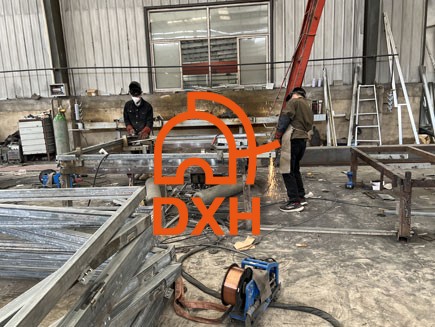
Founded in 2008, DXH House has grown into a leading international enterprise specializing in the production and sale of container houses made in China. We have obtained various international certifications, such as CQC, CE, and ISO 9001.
Our detachable container houses are primarily used as container offices, retail shops, container schools, garage containers, and in areas affected by natural disasters or emergencies. Our partnership with clients spans Western Europe, Australia, and other regions.
If you're considering building a container house for personal use or as an investment, feel free to visit our project page for more details or contact us for additional information.
Conclusion
Modular construction offers more than an alternative to traditional building methods; it reshapes perspectives on housing needs. Combining cost savings, speed, quality, sustainability, and design flexibility, it is well-positioned to meet future housing demands. As technology and regulations evolve, modular construction will play an increasingly vital role in providing affordable, durable, and eco-friendly housing solutions worldwide.
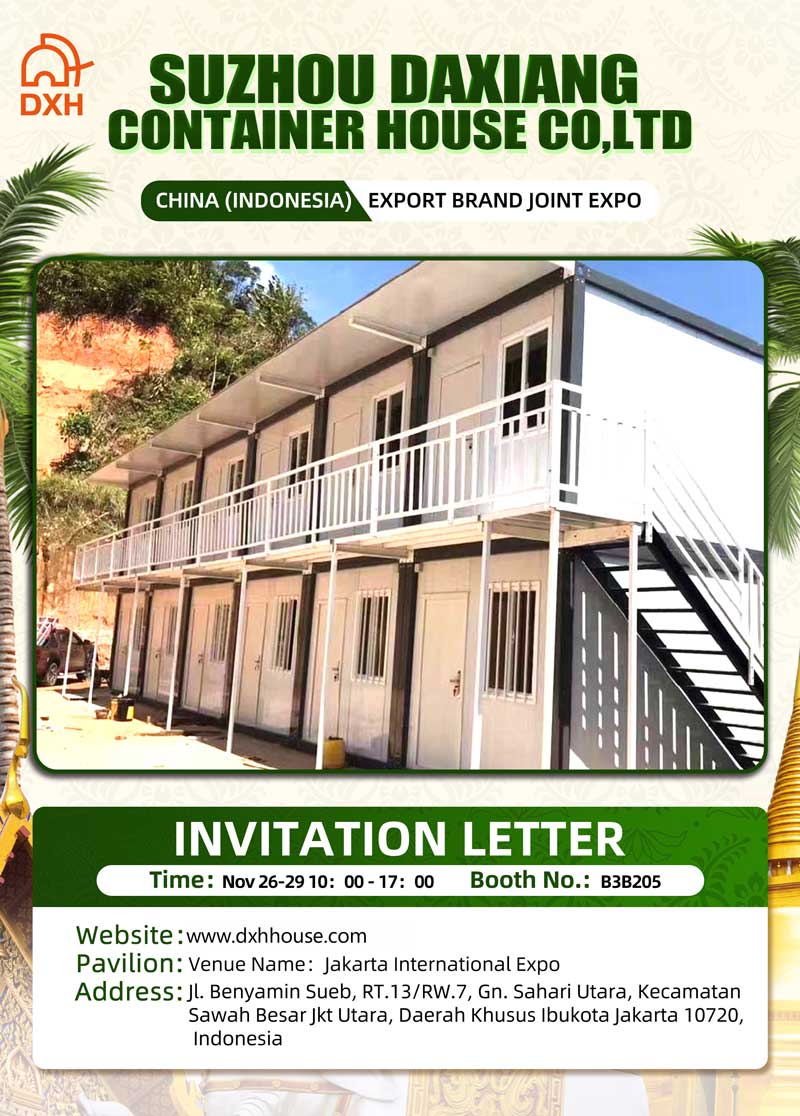
Dates and Time: November 26–29, 2025, 10:00 AM to 5:00 PM
Venue: Jakarta International Expo (JIExpo), Hall B3 (Booth B3B205).
Address: Jl. Benyamin Sueb, RT.13/RW.7, Gn. Sahari Utara, Kecamatan Sawah Besar, Jakarta Utara, Daerah Khusus Ibukota Jakarta 10720, Indonesia.
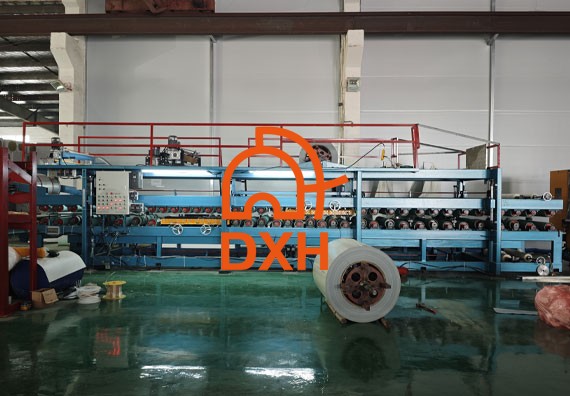
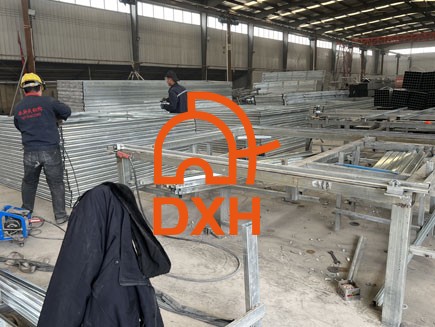
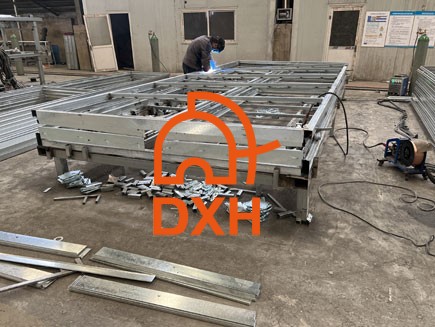
With a 60,000+ sqm production facility, nearly 200 employees, and an annual output exceeding 80,000 units, DXH House products are exported to over 80 countries, including the USA, Germany, Australia, Thailand, and South Africa. They cater to diverse needs like residential living, offices, hotels, hospitals, construction sites, and emergency housing, offering one-stop services from custom design to installation and after-sales support.
DXH House Products Key Features
DXH House container homes transform standard containers into versatile, expandable living spaces. With high-quality materials - Corten steel frames, weathering-resistant exteriors, and insulated sandwich panels for thermal efficiency. Core highlights include:
Quick Assembly: Most container homes can be assembled in a few hours to a few days.
Durability and Adaptability: Engineered for extreme climates (e.g., high winds, heavy rain, or seismic zones), with fire-resistant, waterproof, and anti-corrosion features.
Eco-Friendly Design: Modular construction reduces waste; recyclable steel and energy-efficient insulation lower carbon footprints. Options for solar panels, rainwater harvesting, and green roofing are available.
Customization: Free 3D renderings, floor plans, and material selections to match client specs, including international standards (e.g., CE, ISO certifications).
Portability: Flat pack homes for easy transport via standard trucks or containers—ideal for remote or temporary sites.
Recent Projects and Exhibitions
DXH House has been showcased at global events such as the 12th BDExpo Brazil (September 2025), where it highlighted the durability of prefab construction and modular buildings. Notable projects include:
Hospital containers in Solomon Islands (quick-deploy isolation units).
Flat pack container office in Brazil, while helping expand their businesses.
Container Dorimotries and Hotels in Thailand provide a resting place for staff and travellers.
If you plan to attend, you can register for free via the official website, where you'll have the opportunity for B2B networking in the fields of construction and prefabrication technology. Should you require directions, a JIExpo map, company details, or any other assistance (such as Indonesian visa information), please let me know!
Modular homes are being built as a solution to modern housing needs. These homes are constructed as modular structures in a controlled factory environment and then transported to a site for assembly. This modern construction method offers numerous advantages over traditional, site-built homes. This blog explains why modular homes are the future of living and their affordability, sustainability, and customization.
What is a Modular Home?
A modular home is a prefabricated structure built in sections at a factory. Once constructed, these modules are transported to the construction site by various means for assembly. Unlike traditional buildings, modular buildings not only simplify the construction process but also adhere to the same building codes and standards as traditional ones, ensuring quality and safety.
Why Choose Modular Homes?
Quality Control and Fast Construction
Modular homes are manufactured in a controlled factory. Each module is manufactured to standards comparable to traditional construction and undergoes rigorous inspection. This construction method eliminates project delays caused by weather conditions.
Quality control ensures consistent construction standards across all modular homes. Furthermore, since all components are built in the factory, foundation and other preparatory work can be completed simultaneously, reducing the overall project time by 30-50%.
Affordable Housing
Modular homes typically cost 10-20% less than traditional construction. Factory-based production efficiencies reduce labor costs and excess materials. Homebuyers can enjoy significant savings compared to traditional construction, typically ranging from $100 to $200 per square foot, depending on the home's square footage and other requirements.
Sustainable and Environmentally Friendly
Modular construction, with its environmentally friendly approach, reduces construction waste by 30-50% compared to traditional construction methods. Factory-based construction minimizes waste, and excess materials can be reused or recycled. On-site construction also reduces the impact on the neighborhood and nearby residents. Therefore, many modular home manufacturers now offer integrated solar panels and other green building features.
Customization and Design Flexibility
Modular homes offer a wide range of custom designs, from exterior finishes to interior layouts and finishes. Homebuyers can follow their own design ideas or discuss with designers to optimize their modular home construction. Leading custom designs, from multi-story homes to open-plan layouts, cater to modern lifestyle preferences.
Market Growth Portends a Strong Future
The modular house market is expected to grow significantly over the next decade. It provides job opportunities to address labor shortages in the traditional construction industry. Young homebuyers favor innovative housing solutions that combine practicality and sustainability. Builders are investing in modular housing because of its rapid construction.
Meet the Challenges
Building codes vary widely across countries, potentially restricting modular home construction in certain areas. Therefore, it's important to consult local regulations before making plans to avoid unnecessary losses.
For remote areas, transportation and installation costs may be higher. Multi-story modular buildings require cranes, which increases installation costs.
Rental Market Opportunities
Modular houses present new opportunities for rental property investors, the hotel industry, and the camping industry. Faster construction cycles result in faster returns on investment.
Accessory dwelling units (ADUs) constructed using modular methods can help alleviate housing shortages in urban areas. These units provide rental income while offering flexible living arrangements for families. Hotels and camping businesses can offer short-term rentals to travelers, providing a new experience.
Is Modular Housing Right for You?
Modular homes offer an affordable, convenient, and sustainable solution for modern living. While barriers such as zoning and awareness remain, continued innovation and market growth signal well for the future. Modular construction provides a scalable solution that can be rapidly deployed to meet increasing demand.
Explore the various modular home designs and project examples on the DXH House website to see if they suit your lifestyle. As housing needs continue to evolve, modular homes are likely to define the future of modern living. If you would like to learn more about DXH House's products, leave your information on our Contact Us page.
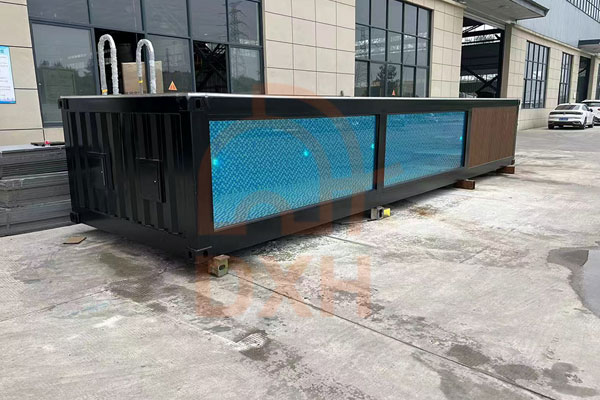
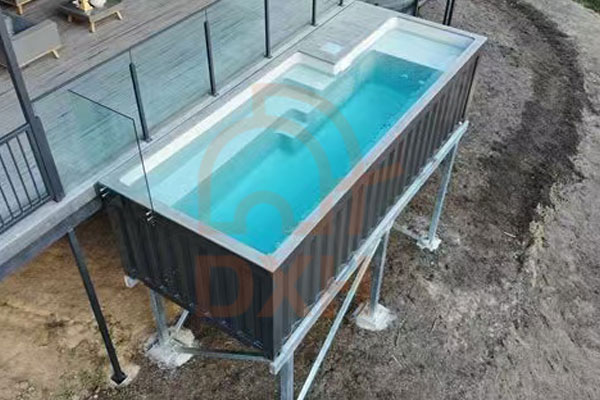
Among many container conversion projects, transforming containers into swimming pools provides families with an affordable and practical solution. This innovative approach to pool creation combines customization and sustainability. In this article, we'll show how to convert a container into a fully functional swimming pool.
Why Choose Containers for Swimming Pools
First, containers are extremely durable due to their weather-resistant steel structure, which allows them to endure tough weather conditions. Additionally, compared to traditional in-ground pools, container pools cost significantly less to build, making them a budget-friendly option. Furthermore, containers offer great design flexibility, allowing you to customize to match your personal style. Their modern, industrial look can enhance any outdoor area. Lastly, container pools are easier to install than conventional pools, meaning significant savings on labor costs.
Why Build Your Own Container Pool?
Building your own container pool offers many specific benefits. Here are reasons to consider doing so:
Cost Savings: Container pool projects are generally more affordable than hiring professionals to build a traditional pool. Factory-prefabricated manufacturing allows you to select materials and features within your budget, reducing labor costs and providing better budget control.
Private Space: Installing a container pool at home creates a relaxing retreat. There you can exercise, have fun, and spend time with family in complete privacy.
Customization: Creating a container pool enables you to design it according to your creativity and personal preferences. You can customize the size, depth, shape, and finishes to craft your perfect pool.
Distinctive Looks: Containers naturally have an industrial vibe. You can personalize the appearance by adding colorful exterior cladding, decking, and landscaping to match your style and boost your outdoor living space.
Choosing the Right Container Pool Size
Standard container sizes include 20 feet and 40 feet long. A 20-foot container provides approximately 160 square feet of swimming area, suitable for small yards or compact pools. A 40-foot container provides around 320 square feet—ideal for hosting family gatherings.
DXH House recommends using new or single-use containers for pool conversions. These containers show minimal rust and structural damage. Before buying, carefully check the container for holes, dents, and contamination.
Steps to Build a Container Pool
1. Site Preparation: Place the container pool on level ground. For in-ground pools, excavate the area to the proper depth.
2. Container Modification: Cut the top to create the pool opening. Reinforce the sides and bottom if necessary to prevent warping under water pressure.
3. Install the Pool Liner: The liner is vital for waterproofing. Ensure it fits well and is securely placed to avoid leaks. Consider a fiberglass liner for better durability and easier upkeep.
4. Install the Filtration System and Piping: Set up the filtration system and connect it to the pool's piping network. Ensure all connections are tight to prevent leaks and ensure proper water flow.
5. Add Insulation Walls: Insulate the container walls to help keep the water temperature stable. This step is crucial in areas with large temperature changes.
6. Electrical Work: Install all required electrical components, such as lights and heaters, following safety standards.
7. Finishing Touches: Build the deck, steps, and any other features. Include safety features like fencing and non-slip surfaces.
Conclusion
Turning a steel container into a swimming pool is a rewarding project that blends creativity, practicality, and eco-friendliness. By following these detailed steps and using quality materials, you can build a durable pool for your outdoor area. Whether you prefer a simple design or a more detailed setup, a container pool lets you enjoy swimming right at home.
Come and send your inquiry today to DXH House, and we will help you design your ideal container pool to suit your needs.
FAQs About Container Swimming Pools
Are Container Swimming Pools Safe?
As long as your pool is manufactured and installed to high standards and follows all necessary safety measures—such as adequate sealing and non-slip surfaces—it is perfectly safe to use.
Are Container Swimming Pools Durable?
Steel itself is capable of withstanding various natural elements and harsh weather. Therefore, as long as you maintain your container pool effectively, it will have a long lifespan.
Will Container Swimming Pools Rust?
Corrosion and rust are common concerns, but as long as your pool has a suitable anti-corrosion coating, a waterproof lining, and/or a fiberglass body, it can remain rust-free.