Reinforcing steel bars, hailed as the "skeleton" of a building, directly impact the safety, durability, and stability of concrete structures through their binding quality. Even a seemingly insignificant negligence in binding can sow the seeds of future structural problems. For project managers, technical supervisors, and frontline workers, mastering the core principles of reinforcing steel binding and avoiding common errors is crucial for ensuring project quality. This article will delve into typical errors in reinforcing steel binding operations and provide practical prevention and optimization methods to help you build a rock-solid building framework.
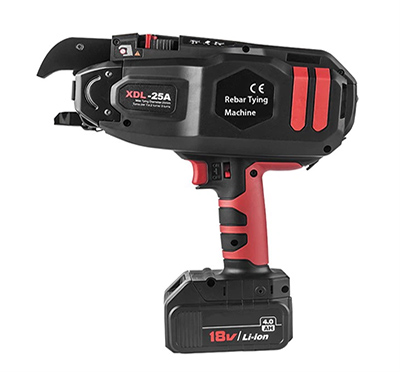
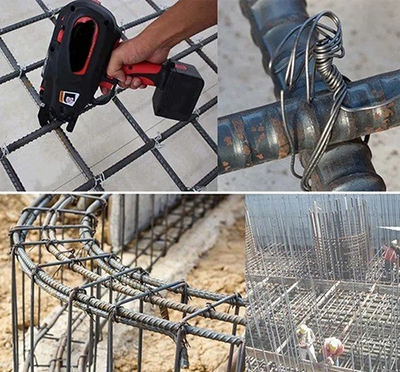
  

Rebar Tying Machines AutomaticRebar Tying Machines Automatic


I. Core Error Area: Uncontrolled Positioning and Spacing

Error Manifestations:

* Uneven Reinforcement Spacing: Overly dense reinforcement makes concrete pouring difficult, easily resulting in honeycombing and voids; overly sparse reinforcement cannot effectively bear loads, leading to cracking.

* Misalignment of Main Reinforcement Bars: Main reinforcement bars in beams, columns, and slabs are not placed in the correct positions as required by the drawings, greatly affecting the bending and compressive strength of the components.

Consequences: Reduced structural load-bearing capacity, inability to guarantee design strength, and serious safety hazards.

Optimized Solutions:

1. Use Standardized Spacing Fixtures: Before binding, prefabricate calipers or positioning bars with the same spacing as the design. During binding, use them as a ruler to ensure the accurate positioning of each reinforcement bar.

2. Fabricate and Fix Reinforcement Positioning Frames: For components such as beams and columns, simple positioning frames can be welded off-site before placing the main reinforcement bars inside the frames for binding, effectively preventing the reinforcement bars from shifting during construction.

3. Strengthen process inspection and acceptance: Before concrete pouring, a measuring tape must be used to check the spacing of the reinforcing bars and the thickness of the protective layer in each area to ensure that they meet the design requirements.


II. The "Hidden Killer" of Lap Joints and Anchorages

Error Manifestations:

* Insufficient Lap Length: To save materials, the lap length of reinforcing bars is arbitrarily shortened.

* Incorrect Lap Location: Lapping is performed at points of maximum stress (such as beam ends or column tops), or the lap ratio within the same cross-section exceeds the standard.

* Insufficient Anchorage Length: The reinforcing bar does not extend sufficiently into the support, failing to effectively transfer stress.

Consequences: The reinforcing bar cannot effectively transfer stress, creating weak points in the structure, making it highly susceptible to failure at the lap/anchorage points.

Optimized Solutions:

1. Strictly Follow Drawings and Memorize Specifications: Before construction, technicians must provide detailed instructions to the work team, clearly defining the lap and anchorage lengths for reinforcing bars of different diameters and in different locations. Key data should be compiled into simple charts and posted on the construction site.

2. Use Color Coding: Mark the ends of reinforcing bars with different lap lengths using different colors of paint for easy worker identification and inspection. 3. Use mechanical connections or welding: When connecting important components or large-diameter steel bars, mechanical connection methods such as straight threaded sleeves should be given priority. These methods provide more reliable connection quality and can avoid lap joint errors.

3. Use mechanical connections or welding: When connecting important components or large-diameter steel bars, mechanical connection methods such as straight threaded sleeves should be given priority, as they provide more reliable connection quality and can avoid lap joint errors.


III. Binding Secureness: More Than Just "Tying"

Incorrect Manifestations:

* Insufficient or Missing Binding Points: Especially at the corners of rebar intersections.

* Arbitrary Twisting Direction of Binding Wire: The ends of the binding wires are not bent inwards towards the concrete, but outwards, making them prone to rusting and creating seepage channels.

* Loose Binding Wires: Rebars easily shift under foot traffic or concrete impact.

Consequences: Poor overall integrity of the rebar cage, unable to work together effectively, and losing the overall load-bearing capacity assumed in the design.

Optimized Solutions:

1. Follow the "Figure-Eight" Binding Method: For bidirectional rebar meshes, ensure that every intersection is securely bound.

2. Standardize Binding Wire Orientation: Clearly specify and bend the ends of the binding wires towards the inside of the concrete. This is a crucial step reflecting construction details and quality.

3. Use Dedicated Binding Tools: Using high-quality binding guns or pliers not only improves efficiency but also ensures tightness and secure binding. Conduct a "tightening test" and manually check the security of key nodes.


IV. Protective Layer Thickness: The Structure's "Golden Outer Garment"

Errors:

* Failure to use or incorrect use of spacers: Spacers are crushed due to insufficient strength, spaced too far apart, or even replaced directly with crushed stone.

* Improper placement of spacers: Spacers for the bottom reinforcement of beams and slabs are stepped on and removed, causing the reinforcement to adhere to the formwork.

Consequences: Insufficient protective layer leads to easy corrosion of the reinforcement, significantly reducing durability; excessive protective layer reduces the effective height of the component, lowering its load-bearing capacity.

Optimized Solutions:

1. Use high-strength dedicated spacers: Use customized cement mortar spacers, plastic clip-on spacers, or hub-type spacers with the same or higher strength as the concrete design strength.

2. Ensure proper spacer placement: The spacing between spacers should be 0.8-1 meter, with appropriate densification below the stressed reinforcement. After binding, a designated person should check whether the spacers are missing or in good working order.

3. Promote the use of stirrups: For the upper layer of steel bars in floor slabs, continuous stirrups must be used for support to ensure that they do not sink during the pouring process.
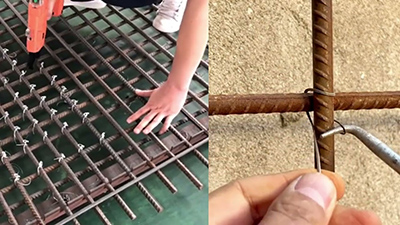
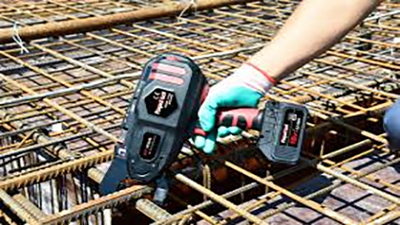
 

Rebar tyingRebar tying


To systematically avoid the above errors, the following core processes should be followed:

1. Pre-construction control (preparation): Detailed design and technical briefing – Thoroughly understand the drawings, lay out complex details, and provide visual and operational briefings to all workers.

2. In-construction control (execution): Standardized operations and process inspection – Promote the use of positioning clamps, high-strength spacers, and other tooling; construction workers and quality inspectors should supervise and inspect to promptly identify and correct problems.

3. Post-construction control (acceptance): Strict three-inspection system – Team self-inspection, inter-process handover inspection, and quality inspector-led inspection; complete the acceptance of all concealed rebar works before concrete pouring.


Remember: High-quality rebar tying is not only a reflection of technical skill but also a demonstration of responsibility. Every standardized operation contributes to the safety of the building. Starting with details and optimizing processes, let us jointly build a safer and stronger future.


 

Erection AnchorsErection Anchors


Anchor bolts are connectors used to securely fix precast components to concrete foundations or other structures. During the installation of precast components, anchor bolts act as a bridge, ensuring a tight connection between the precast component and the foundation. Depending on the installation method, anchor bolts can be divided into pre-embedded anchor bolts and post-installed anchor bolts.

Pre-embedded Anchor Bolts: Pre-embedded anchor bolts are installed inside the precast component during the precast component manufacturing process. These anchor bolts are fixed in the designated position when the precast component is poured with concrete. After the component is installed on site, it is tightly connected to the foundation using nuts and other connectors. The advantage of pre-embedded anchor bolts is their high installation precision, effectively ensuring the installation quality of the precast component.

Post-installed Anchor Bolts: Post-installed anchor bolts are installed into the foundation after the precast component is installed on site, using methods such as drilling. These anchor bolts are suitable for scenarios requiring flexible adjustment of the installation position. Post-installed anchor bolts offer relatively flexible installation, but it is necessary to ensure the accuracy and depth of the drilling to guarantee the anchor bolt's anchoring effect.


Why are they so crucial in building construction?

If prefabricated components are the "flesh and blood" of a building, then anchor bolt connections are its "skeleton." Their importance is reflected in the following vital aspects:

1. Fundamental Guarantee of Structural Safety: Resisting Loads and Disasters

This is the most core and indispensable responsibility of anchor bolts.

Load Transfer: Buildings must withstand their own weight, service loads, wind loads, snow loads, and even seismic forces. These forces need to be transferred between various components through joints. As a key part of the joint, anchor bolts bear complex stresses such as tension, shear, and bending, ensuring that the entire structural system works collaboratively, rather than disorganized.

Earthquake Resistance and Disaster Prevention: During an earthquake, buildings experience enormous horizontal forces and deformations. Anchor bolts embedded in column bases and beam ends must have sufficient ductility and strength to allow the structure to undergo a certain degree of plastic deformation to dissipate seismic energy, while preventing component detachment or overturning, buying precious time for escape. The failure of one anchor bolt can lead to the destruction of the entire joint, subsequently triggering a cascading collapse.

2. Core Technologies for Prefabricated Construction: The Cornerstone of Precision and Efficiency

The advantages of prefabricated buildings lie in their speed and accuracy, which heavily rely on anchor bolts.

Precision Control: Pre-embedded anchor bolts are installed in a factory environment, achieving millimeter-level positioning accuracy. This enables on-site "hole-to-hole" installation, allowing large components to be installed seamlessly, significantly reducing on-site adjustments and cutting work.

Improved Efficiency: Reliable anchor bolt connections mean rapid tightening. Workers only need to hoist the components into place, insert high-strength bolts, and tighten them to complete the main structural connections, significantly shortening the construction period.

3. Ensuring Building Integrity and Durability

Overall Stability: Through the effective connection of anchor bolts, dispersed prefabricated components are integrated into a spatial structure with sufficient rigidity and stability to collectively resist external forces.

Sealing and Corrosion Protection: Many anchor bolt connection nodes also integrate sealing strips and anti-corrosion designs to prevent moisture and harmful gases from penetrating the connection area, protecting the internal steel and prestressing tendons, and extending the building's lifespan.


Although small, anchor bolts play a crucial role in the installation of precast components. They not only ensure the installation accuracy and stability of precast components but also improve construction efficiency and enhance the seismic performance of buildings. In modern building construction, anchor bolt installation has become an indispensable part. However, please note the following key points in construction:

1. Anchor Bolt Selection and Design

During the design phase of precast components, it is necessary to select the appropriate anchor bolt type based on the component's intended use and stress conditions. Pre-embedded anchor bolts are suitable for scenarios requiring high precision and fixed installation positions; post-installed anchor bolts and chemical anchor bolts are suitable for scenarios requiring flexible adjustment of installation positions.

2. Installation Accuracy

The accuracy of anchor bolt installation directly affects the installation quality of precast components. During installation, high-precision measuring tools are required to ensure the accurate positioning of the anchor bolts. For pre-embedded anchor bolts, the pre-embedded position of the anchor bolts must be strictly controlled during the production of precast components.

3. Quality Inspection

After installation, the installation quality of the anchor bolts needs to be inspected. The anchoring force of anchor bolts can be ensured to meet design requirements through methods such as pull-out tests and ultrasonic testing. For chemical anchor bolts, the curing status of the chemical adhesive also needs to be tested to ensure the reliability of the anchor bolt.

4. Corrosion Protection Anchor bolts are typically exposed to complex environments and are susceptible to corrosion. Therefore, anti-corrosion treatments such as galvanizing and applying anti-corrosion paint are necessary to extend the service life of the anchor bolts.

With the continuous emergence of new technologies such as welding and mechanical connection, why does steel wire coil for rebar tying still occupy an absolutely mainstream position? Today, let's explore its main advantages in depth.


Rebar Tying Wire CoilsRebar Tying Wire Coils


1. Ultimate Flexibility and Adaptability

Building structures are not simply a combination of straight lines; they are full of complex nodes, corners, and irregularly shaped components. Reinforcing steel wire coils act like an all-around "engineering tailor," capable of handling any complex shape.

Three-Dimensional Flexible Winding:The wire can be wound around the intersections of reinforcing bars in any direction, making it particularly suitable for irregularly shaped components, dense beam-column joints, and curved walls—areas where welding is difficult or sleeves cannot be screwed in.

No Heat-Affected Zone:Avoids tempering, embrittlement, and deformation of the base material caused by high welding temperatures, maintaining the original design mechanical properties.

Compatible with All Reinforcing Steel Types:Whether it's 400 MPa ordinary threaded steel, 500 MPa high-strength steel, or seismic-resistant "E" grade steel or stainless steel reinforcement, the wire coils treat them all equally.


2. Unparalleled Economic Efficiency

In large-scale projects, cost control is paramount. Rebar tying wire coils offer a significant advantage in this regard.

Extremely Low Tool Costs: The required tools are very simple—a common hook or automatic tying gun, plus coils of wire. This initial investment is negligible compared to expensive specialized equipment such as welding machines and hydraulic pliers.

Low Material Costs: The tying wire itself is annealed low-carbon steel wire, inexpensive and widely available. While the cost per node is low, the sheer volume used throughout the building results in substantial overall cost-effectiveness.

Low Skill Barrier: Training a qualified rebar tying worker is far faster than training a skilled welder or mechanical connection operator, significantly reducing labor costs and training time.


3. Reliable Synergistic Performance

The essence of reinforced concrete structures lies in the "synergistic work" between the steel reinforcement and the concrete. Lap connections perfectly serve this core principle.

Preservation of Reinforcement Properties: Lap connections do not create a heat-affected zone in the parent material of the steel reinforcement, avoiding the risks of brittleness and strength reduction that can occur with welding. They fully preserve the original mechanical properties of the steel reinforcement.

Allowing Minor Slippage: Under ultimate loads, lap connections allow for minor slippage in the steel reinforcement, which is actually a beneficial "stress redistribution" mechanism. This avoids stress concentration, making the structure more ductile and exhibiting better seismic performance. In contrast, welded joints are too rigid and often become brittle upon failure.


4. Exceptional Construction Efficiency

For large-area, high-density steel mesh and frameworks, the binding efficiency is extremely high.

Assembly Line Operation: Workers can be distributed across different areas to perform binding operations simultaneously, forming a highly efficient assembly line. Especially with the widespread adoption of automatic binding guns, binding efficiency has seen a qualitative leap; a hook and pull takes less than a second, far exceeding the speed of welding.

No Pre-Preparation Required: Binding eliminates the need for tedious pre-preparation work such as cleaning weld joints and preheating; it's ready to use immediately, significantly saving time between processes.


5. Green and Sustainable: An Overlooked Low-Carbon Highlight

Energy Consumption Comparison—The entire process from steelmaking to galvanizing, each kilogram of binding wire emits approximately 2.3 kg of CO₂, while a weld of equivalent strength requires 4.1 kg (including welding materials and electricity), resulting in a 44% reduction in carbon footprint.

No Waste Gas, No Sparks—On-site PM2.5 and manganese dust emissions are zero, eliminating the need for investment in welding fume purification equipment. 100% Recyclable—During demolition, the steel wire and rebar enter the scrap steel recycling system together, while the alloy steel of the sleeve is mixed with the main steel type, reducing its recycling grade.


In summary, steel wire coils for rebar tying solve the core problem of "keeping the rebar in the correct position" in reinforced concrete structures with minimal cost, tools, and time; while also considering quality, low carbon footprint, and economic efficiency throughout the entire life cycle. With the emergence of high-zinc coated corrosion-resistant steel wire and mechanical pushing tying devices, this traditional method continues to evolve. For modern engineering projects that prioritize speed, cost-effectiveness, and environmental friendliness, steel wire tying is not a transitional solution but rather the optimal long-term solution.

In the modern construction industry, prefabricated building technology is transforming traditional construction methods with its advantages of high efficiency, environmental friendliness, and controlled quality. During the production, transportation, and installation of prefabricated components, the importance of lifting and anchoring systems, as key components connecting components to lifting equipment, is self-evident. More than just simple connectors, they provide a safety guarantee for the entire component, bearing its weight.


Lifting AnchorsLifting Anchors


Definition and Function of a Lifting Anchor

A lifting anchor is a mechanical anchor pre-embedded within a concrete structure, designed specifically for lifting. It works with a lifting device (clutch, eye, shackle, etc.) to form a removable temporary lifting point. Its main functions include:

Safely transmitting lifting force to the concrete structure;

Preventing local damage such as splitting and edge chipping during lifting;

Enabling rapid hooking and unhooking, improving the operating efficiency of tower cranes or mobile cranes;

Meeting the complex load requirements of multiple turnovers (demolding, flipping, and on-site repositioning).

A typical lifting anchor system typically consists of three components:

Anchor rod: The portion embedded in the concrete, typically with a hook, thread, or a special tail shape (such as a wavy shape) to ensure maximum grip with the concrete and prevent pullout.

Exposed portion: The structure used to connect the lifting device, which can be a eye, threaded hole, or ball head.

Lifting device: The component used with the lifting anchor, such as a shackle or specialized sling, connected between the crane hook and the anchor.


The following are common lifting anchor types and characteristics used in precast components.

1. Spherical Head Anchor

Construction: Round steel with a forged spherical head on one end and an anchor foot or straight rod on the other; used with a lifting clutch.

Advantages:

360° rotation and oscillation to accommodate diagonal tension;

Small anchor head embedment depth, suitable for thin-walled panels;

Automatic clutch lock, installation and removal takes seconds.

Load range: 1.3–32 t.

Applications: General components such as staircases, exterior wall panels, columns, and beams, especially suitable for diagonal tension or tilting applications.

2. Threaded Socket/Foot Anchor

Construction: Thick-walled socket with a bottom anchor foot (or corrugated tail), internally threaded for eyebolt connection.

Advantages:

The lifting point is flush with the concrete surface, resulting in a clean appearance;

Replaceable bolts can be reused repeatedly;

Balanced shear and tensile properties. Load range: 0.5–20 t.

Applications: Components requiring high aesthetics, such as exposed concrete exterior walls, decorative panels, and pipe gallery roofs.

3. Double Head Anchor

Construction: A single anchor rod with forged ends and equipped with a dual-point clutch.

Advantages: Two-point load application, minimal out-of-plane deflection, and smoother rollover.

Applications: Rollover of slender components such as large floor slabs and hollow bridge decks.

4. Spread Anchor

Construction: The lower end of the anchor rod spreads out in a "swallowtail" or "fishtail" shape.

Advantages: Load distribution, reducing the risk of splitting at thin-wall edges.

Applications: Stair treads, balcony railings, and precast decorative tiles with a thickness of less than 80 mm.

5. Wavy Tail Anchor

Construction: The anchor tail is bent into a "wavy" shape in multiple sections, increasing the anchoring length. Advantages: Provides high pull-out strength without requiring additional anchors; suitable for low-strength early-stage concrete.

Applications: Components requiring rapid demolding, such as pipe corridors, box culverts, and thin-walled beams.

6. Disk Anchor (QuikLift® Disk)

Construction: Short rod + large-diameter disk. Used for the outer panels of sandwich insulated walls.

Advantages: Single-point lifting without penetrating the insulation layer; the disk provides a large bearing surface.

Applications: Lifting the outer panels of prefabricated sandwich insulated walls to avoid cold bridging.

7. Pin Anchor

Construction: Plain round pin + removable adapter head with a tapered hole.

Advantages: Low cost; the adapter head is recyclable; after removal, only a small tapered hole remains, making it easy to repair.

Applications: Components with low to medium loads, such as pipelines, box culverts, and curbs.


The selection and use of lifting anchors is not arbitrary and requires consideration:

Working load: The weight of the component to be lifted.

Dynamic factor: The effects of dynamic loads caused by sudden starts and stops during lifting. This factor is typically multiplied by a safety factor (e.g., 1.5 or higher) based on the static load.

Concrete strength: Concrete strength is typically low during demolding, and it is essential to ensure that it is strong enough to withstand the lifting forces.

Lifting angle: The angle between the slings significantly increases the actual load on the anchor rod; 60 degrees is a common and recommended angle.

Safety factor: The lifting anchor is designed with a high safety factor (typically ≥3 for the material itself and ≥2.5 for concrete cone failure) to ensure a safe and reliable lift.

Component shape and center of gravity: The number and location of anchor points must be calculated to ensure a balanced lift.

When it comes to enhancing the beauty and functionality of your kitchen, choosing the right cabinets is key. One option that stands out is the timeless and durable solid wood kitchen cabinets. With its natural beauty and exceptional craftsmanship,   an excellent choice for homeowners seeking a blend of style and functionality.


Solid wood cabinets exude a unique charm that other materials simply cannot match. The rich, natural grains and warm tones of solid wood create a welcoming and cozy atmosphere in your kitchen. Whether you prefer the classic elegance of oak or the sleek sophistication of cherry, they offer a wide range of wood species and finishes to suit your personal taste and kitchen design.


Investing in wood kitchen cabinets guarantees long-lasting performance and durability. Unlike other materials, the wood cabinets can withstand the demands of a busy kitchen without losing their appeal. Their solid construction ensures that they can handle heavy loads and resist wear and tear over time. With proper care, solid wood cabinets can last for decades, making them a wise investment for your home.


One of the advantages of the cabinets is their versatility. They can be easily customized to fit your unique kitchen layout and design preferences. Whether you need extra storage space, specialized compartments, or unique features like glass panels or ornate carvings, they can be tailored to meet your specific needs. This flexibility allows you to create a kitchen that perfectly reflects your style and enhances your cooking experience.


Such kitchen cabinets have a timeless appeal that transcends trends and fads. They add a sense of luxury and sophistication to any kitchen, making it a focal point of your home. Moreover, they are considered a valuable asset, which can significantly increase the resale value of your property. Potential buyers appreciate the craftsmanship and durability of solid wood cabinets, making them a sought-after feature in the real estate market.


When it comes to kitchen cabinets, they are an excellent choice that combines beauty, durability, and customization options. Their natural appeal, longevity, and ability to enhance your kitchen's value make them an investment that pays off in the long run. Whether you're renovating your kitchen or building a new home, consider opting for these cabinets to create a timeless and inviting space that will continue to impress for years to come.

Are you struggling to choose the right housing solution for your project? Generally, capsule units and container houses are both suitable options. However, deciding between the two can often be challenging, as each type has its own specific applications and advantages. Here, we provide a detailed comparison to help you identify the best fit for your project's needs.

What are capsule and container houses?

Capsule house

Capsule house is a fully customized, factory-finished dwelling designed for immediate living. Its key features include integrated insulation, pre-installed electrical and plumbing systems, and a modern interior, requiring minimal additional work. The distinctive dome-shaped exterior offers weather resistance and low maintenance. Setup is quick, involving only placement on a small foundation and connection to utilities, allowing for habitation shortly after delivery.

Container house

Container house is a modular home built using main beam,sandwich panels,windows,doors or custom-made steel structures.It is beginning as an empty steel structure. It requires significant customization to become habitable, including cutting openings for windows and doors, and installing insulation, electrical systems, and plumbing. The interior needs extensive finishing work to conceal the raw walls and create a comfortable living space. While its modular shape offers a modern aesthetic, the flat roof requires consistent maintenance to prevent water accumulation and rust. Ultimately, despite a potentially lower initial cost, container houses demand considerable on-site effort and ongoing upkeep.

What is the difference between the capsule and container houses?

Key Characteristics

Capsule House decoration

Capsule House

Space-Optimized Design

Capsule homes are designed to maximize utility in a small footprint, providing essential living areas like a bathroom and kitchen in a compact design.

Modular and Prefabricated

They are built using modular components in a factory setting and can be shipped and assembled quickly on-site, sometimes in just a couple of days.

Modern Technology and Sustainability

Many capsule homes feature smart home systems, energy-efficient designs, and are sometimes equipped with solar panels for power.

Futuristic and Sleek Aesthetics

The design often has a space-age, futuristic appearance, with a sleek, clean, and often white exterior.

Durable Construction

Built with lightweight but strong materials, these homes can be engineered to be durable and even resilient to extreme weather conditions.

Container house decoration

Container House

Modular and Versatile

Containers are standardized units that can be arranged in various configurations and stacked to create multi-level structures.

Durable Structure

Built from strong Corten steel, shipping containers are engineered to withstand harsh conditions, making them resistant to weather and robust for housing.

Cost-Effectiveness

Using recycled containers can reduce material and labor costs compared to traditional construction, although the final price varies greatly based on features.

Sustainability

Reusing containers for homes aligns with sustainability movements by giving these metal boxes a second life.

Aesthetic Flexibility

Designs can range from simple cabins to luxurious, modern homes, often featuring large windows, modern kitchens, and open-concept layouts.

Installation

Capsule house arrives nearly fully assembled, requiring only a simple foundation like pads or blocks. After a crane places the unit on-site, utility connections are made, enabling occupancy within hours. This process significantly reduces both construction effort and overall cost.

Container house construction is a multi-stage process. It begins with cutting openings for windows and doors, followed by installing insulation, electrical wiring, and plumbing. Interior finishes such as walls, floors, and ceilings are added to conceal the steel structure, along with HVAC systems for comfort. Finally, protective coatings are applied to prevent rust. This labor-intensive approach requires significantly more time, effort, and cost compared to capsule units.

Packing and delivery

Capsule House packingCapsule house is delivered as a single, complete unit, typically requiring a truck and crane for transportation and placement onto a prepared foundation. This method ensures the structure is fully operational upon arrival, making it ideal for hospitality projects like resorts and glamping sites where immediate visual appeal and functionality are crucial.


Flat packed container hosue packing Container houses excel in bulk relocation due to their standardized dimensions, which allow efficient stacking and transport via truck, rail, or ship. This makes them a cost-effective solution for projects requiring rapid deployment of multiple units, such as temporary worker camps or construction site offices.


Cost

Capsule houses represent a premium housing solution, with prices varying based on size and specifications. Basic models start around $34,000-$8,000, mid-range glamping units cost $8,000-$21,000, and luxury or two-bedroom models begin at approximately $26,000. Significant cost reductions are available for bulk orders, with prices potentially falling to $23,000 per unit for orders of 10-30, and to $16,000 for orders exceeding 100 units. These prices exclude shipping and foundation preparation costs.

While container house may have a lower initial purchase price than a capsule house, the total cost increases significantly with necessary modifications. These include cutting openings, adding insulation, installing utilities, and finishing the interior. Therefore, container houses are most cost-effective for large-scale projects where bulk purchasing and standardized finishing can reduce the per-unit cost.

Capsule House vs Container HouseIn summary, both capsule houses and container houses offer distinct advantages. For rapid deployment and modern design, capsule units excel. For large-scale, budget-conscious projects, container houses are ideal. Your choice ultimately depends on project priorities: speed and aesthetics versus scalability and initial cost efficiency.

If you have any questionsplease contact the Yumisteel team for tailored solutions!Thank you!

At prefabricated building construction sites, we often see this scene: a tower crane effortlessly lifts multi-ton prefabricated wall panels or staircases, placing the components precisely as if they were building blocks. Curiously, the hook doesn't engage rebar, nor does it wrap around cables, yet the concrete components are hoisted with rock-solid stability. The hero behind this is today's featured work: the precast concrete lifting anchor.


precast concrete lifting anchor


First, what is a precast concrete lifting anchor?

Simply put, a lifting anchor is a metal device (usually made of high-strength steel or stainless steel) embedded in a concrete structure. It's secured in place during concrete pouring. After the concrete sets, a threaded hole or eye appears on the anchor for attachment of lifting equipment. Its core purpose is to safely transmit lifting forces throughout the concrete structure.


II. Structural Composition: All three components are essential.

A typical lifting anchor consists of the anchor rod (head), the anchoring section (foot), and accessories:

Anchor Rod Head

Shape: Ring, hemisphere, tapered thread, or "harpoon" notch

Purpose: Quickly connects to the hook/chain and allows for oscillation within a 0–90° range to avoid additional bending moments

Anchoring Section

Forms: Short bar hook, disc, double-ended cone, spiral blade

Purpose: Converts axial tension into a localized combined compression-shear-friction force in the concrete through "shape-resistance," reducing peak pure tensile stresses

Accessories: Rubber locating plug: Ensures the anchor head is flush with the concrete surface

Rust-proof cap: Caps the anchor head after installation to prevent rust from spreading


Please note that a safe lifting system relies on the perfect combination of three essential elements:

The anchor itself: It must be made of high-strength material, properly designed, and free of manufacturing defects.

Concrete strength: The concrete must meet the design strength to provide sufficient compressive and bond strength.

Proper reinforcement arrangement: The surrounding reinforcement must be arranged strictly according to the design drawings.


So what is the workflow for precast concrete lifting anchors?

Positioning and embedding: Before pouring concrete, the lifting anchor is precisely fixed to the designated position on the formwork.

Pouring and curing: Concrete fills and envelops the anchor. During the curing and hardening process, it forms a strong bond with the anchor's surface texture (such as threads).

Connecting and lifting: After the concrete reaches full strength, the lifting bolts or shackles are screwed into the exposed threads of the anchor.

Force transmission: When the crane lifts, the tensile force is transmitted to the anchor through the bolts. The anchor converts the force into compression on the concrete through mechanical interlocking and bond strength. This force is further distributed by the surrounding reinforcement, ultimately allowing the entire component to be safely lifted.


In short, the precast concrete lifting anchor, though small, is the cornerstone of modern precast construction technology. Its ingenuity lies in adapting to and utilizing the fundamental properties of the material—using concrete to withstand its inherent compressive forces, while steel handles its inherent tensile forces. Consequently, it's considered a veritable "invisible hero" on construction sites.

On magnificent construction sites, we're often captivated by towering steel structures or cast-in-place concrete walls, but rarely pay attention to the "wires" that tightly connect countless rebars—rebar ties. Though small, these wires are crucial for ensuring the stability and reliability of a building's "skeleton." Choosing the wrong ties can compromise construction efficiency at best and create safety hazards at worst. So, how can you choose the best ties for different construction projects? This article will provide a detailed explanation.


Rebar Tie WireRebar Tie Wire


I. Understanding Rebar Tie Wire: More Than Just "Wire"

Rebar tie wire is typically made of low-carbon steel, annealed for increased flexibility, and often coated with zinc (electro- or hot-dip galvanizing) to prevent rust. Its core function is to securely connect the intersections of rebar mesh or ribs before concrete pouring, ensuring the correct positioning and overall stability of the rebar within the concrete.

Core Performance Requirements:

Sufficient Tensile Strength: Withstands the tensile forces during the tie process and subsequent disturbances during construction without breaking.

Good Flexibility: Allows for easy bending and winding, facilitating worker handling and improving efficiency.

Excellent Corrosion Resistance: The zinc coating effectively prevents rust, especially in humid, open, or corrosive environments, ensuring the long-term effectiveness of the tie.

Specification Matching: The wire diameter must match the diameter and load conditions of the tied rebar.


II. Key Considerations for Selecting Tie Wire

Before selecting a tie wire for a specific project, you must first clarify the following key questions:

A. Structure Type and Importance: Is it an ordinary residential building, a nuclear power plant, or a cross-sea bridge? Critical structures require higher durability from the tie wire.

B. Environmental Conditions: Is the building located in a dry indoor area, a humid environment, a coastal area, or an industrial area with severe chemical pollution? The corrosiveness of the environment determines the required level of rust protection.

C. Rebar Specifications and Spacing: Thick rebar and dense rebar mesh require thicker, stronger tie wire to provide sufficient holding force.

D. Construction Efficiency and Cost: Different tie wires have different prices and ease of installation, so a balance must be found between performance and cost-effectiveness.


III. How to Accurately Select Ties Based on Project Type?

Different construction projects have vastly different structural characteristics, rebar specifications, load-bearing requirements, and construction environments, resulting in varying requirements for tie wire.

A. Residential and Commercial Construction: Standard Specifications, Prioritizing Efficiency

Features: Rebar specifications are relatively uniform (commonly Φ12-Φ25mm), the structure primarily consists of beams, slabs, and columns, and the construction volume is high, with a focus on efficiency.

Tie Wire Selection:

Specifications: For beams, columns, and slabs in the main structure, tie wire with a diameter of 2.2mm - 2.5mm (approximately 13-12 gauge) is recommended. This offers the optimal balance of strength and efficiency, ensuring secure binding of the main reinforcement without the difficulty of handling due to excessively thick wire diameters.

Type: For dry indoor environments, lower-cost electrogalvanized tie wire can be used. For exposed areas such as balconies and roofs that may be exposed to rainwater, hot-dip galvanized tie wire, which offers greater corrosion resistance, is recommended. Packaging: To improve efficiency, pre-cut U-shaped wire cutters or ring ties can be used to reduce on-site wire cutting time.

B. Bridge Engineering: A Century-Long Project, Safety and Reliability

Features: As lifeline projects, bridges require extremely high safety and durability requirements. They feature large rebar diameters, heavy frames, and are exposed to harsh environments and dynamic loads for extended periods.

Tie Wire Selection:

Specifications: For bridge main reinforcement (often larger than Φ25mm) and critical joints, thicker tie wire must be used to ensure secure connections. φ3.2mm - φ4.0mm (No. 10-8) is recommended.

Type: Hot-dip galvanized tie wire must be used. Its thicker zinc coating provides decades of corrosion protection and is suitable for harsh outdoor environments such as humidity and salt spray (especially for cross-sea bridges).

Standards: National standards (such as GB/T 343) must be strictly adhered to. Material certification should be verified upon delivery to ensure that the tensile strength and zinc coating thickness meet the standards.

C. Tunnels and Underground Projects: Humid and Enclosed, Corrosion Prevention is Key

Characteristics: Underground environments are humid, even with groundwater, and have poor ventilation, placing a significant strain on the corrosion resistance of materials.

Tie Wire Selection:

Specifications: Tie wires ranging from 2.0mm to 3.2mm in diameter can be flexibly selected, depending on the tunnel's primary support (e.g., steel mesh with finer steel bars) and secondary lining (main structure with coarser steel bars). For example, 2.0mm diameter can be used for steel mesh, while 2.5mm or thicker diameter can be used for main reinforcement.

Type: Hot-dip galvanizing is the minimum requirement. In formations rich in corrosive ions (e.g., salt rock and sulfide formations), PVC-coated tie wires can be considered. The plastic coating provides an additional chemical barrier, completely isolating the wire from the aggressive environment.

D. Water Conservancy Projects: A Land of Water, Proceed with Caution

Characteristics: Projects such as sluices, pumping stations, and reservoirs are in constant contact with water. Some structures (e.g., seawalls and canals) may also be corroded by chloride ions (seawater). Tie Wire Selection:

Specifications: Common rebar sizes for hydraulic projects range from 8 to 22 mm, so 2.0 to 2.5 mm dia. tie wire is the most widely used.

Type: Hot-dip galvanized is standard. For critical underwater structures or coastal projects, PVC-coated wire is also a more reliable option, resistant to harsh environments characterized by long-term wet-dry cycles and chloride ion corrosion.


Finally, some construction tips and common misconceptions.

* Prefer thicker to thinner? Not necessarily: Overly thick ties are not only costly but also difficult to bend and tighten, potentially resulting in loose ties or even catching workers. Matching the rebar specifications is key.

* Tighter ties aren't always better: Overtightening can cause the ties to stretch or even break, or damage the galvanized coating on the rebar. Firm and stable ties are sufficient.

* Check for rust: Severely rusted ties should be strictly avoided, as their strength is significantly reduced and they will continue to rust in the concrete, affecting their bond strength.

* Pay attention to standards: Choose products that comply with national standards (such as China's GB/T) or industry specifications for greater quality assurance.

Designed to replicate the beauty of natural bamboo mats, the synthetic bamboo mat is crafted from durable, recyclable and non-toxic synthetic wicker. No matter where it is placed, it will still look good for decades because of its ability to withstand various weather conditions, pests and general wear and tear.


Why choose synthetic bamboo mat:

Compared to natural bamboo mat materials, synthetic bamboo mat will be the most economical and durable material of choice for your construction projects. Made of 100% recyclable materials, it lasts two to three times longer than natural materials.

Synthetic bamboo mats are all fire and waterproof. This eco-friendly, recyclable bamboo mat enhances our spaces for 10 years or more.

Beatles Co., synthetic bamboo mat has been rigorously tested by international authorities to ensure worry-free beauty for decades.

Beatles Co., synthetic bamboo mat

-

Fences are widely used in life, and can play the role of protection, separation, blockade, decoration, etc., and are mainly used in courtyards, parks, scenic spots, roads, public places, etc. Nowadays, there are more and more new types of fences, among which stainless steel fences can almost replace traditional fences.

Traditional fences are mainly made of trees or bamboo, which have the disadvantages of soft texture, perishable, single color, and not conducive to protecting the environment. Stainless steel fence is anti-oxidation, anti-ultraviolet, weather-resistant and corrosion-resistant, and has a variety of colors. It is an alternative to traditional balcony fence materials. The stainless steel fence adopts advanced powder coating process, which can significantly improve the service life of the stainless steel fence, so that the service life of the stainless steel fence can be as long as more than 30 years.
stainless steel fences
Stainless steel fence has the following features:
1. Impact resistance, high strength, sturdy and durable.
2. Anti-rust, anti-corrosion and anti-demolition.
3. Maintenance-free and easy to clean.
4. Bright color and no fading.
5. Long service life, one-time investment, lifetime use.

Xiamen Beatles Building Material Co., Ltd. is professional simulated decoration products supplier, we provide the best iron bamboo fence, artificial bamboo screening, steel bamboo fence, etc. Contact us for fencing details for your patios, cottages, gardens and landscapes.

keyboard_arrow_up