In the quest to balance connectivity with aesthetics, camouflage tree towers—mimicking pine trees, palm trees, or other flora—have emerged as a popular solution for blending telecom infrastructure into natural and urban landscapes. But their visually appealing designs come at a steep price: they often cost three times more than standard monopole towers. Are these "green giants" truly worth the investment, or is their beauty just skin-deep? Let’s break down the numbers, hidden benefits, and long-term trade-offs.


bionic tree telecom tower

1. The Price Tag: Why Camouflage Towers Cost So Much

  • The premium pricing of camouflage towers stems from three key factors:
  • Complex Manufacturing: Customized designs (e.g., artificial bark textures, lifelike branches) require advanced 3D modeling, molds, and eco-friendly composite materials.

  • Labor-Intensive Installation: Assembling and painting faux foliage on-site adds time and skilled labor costs.

  • Material Durability: To withstand weather, UV-resistant coatings and reinforced steel cores drive up material expenses.

  • By the Numbers:
  • A standard 30-meter monopole: ~$100,000.

  • A comparable "pine tree" camouflage tower: ~$300,000.

  • Annual maintenance for monopoles: ~5% of initial cost.

  • Camouflage towers: 10–15% (due to foliage repairs and paint touch-ups).


  • 2. The Hidden Value: Beyond Aesthetics
  • While the upfront cost is staggering, camouflage towers offer intangible benefits that monopoles cannot match:
  • Faster Regulatory Approval: In scenic areas (e.g., national parks, historic cities), disguised towers face fewer objections from planners and residents.

Example: In Norway’s fjord regions, pine tree towers reduced permit approval times by 60%.

  • Reduced "NIMBY" Resistance: Communities rarely protest towers that look like natural elements.

  • Brand Reputation: Telecom operators using eco-friendly designs gain ESG (Environmental, Social, Governance) credibility.


  • 3. When Do Camouflage Towers Make Financial Sense?
  • Three scenarios justify their premium cost:
  • High-Value Locations: Tourist hotspots (e.g., Dubai’s palm tree towers) or wealthy suburbs where visual pollution impacts property values.

  • Strict Zoning Laws: Regions like France’s Provence mandate disguised towers to preserve cultural landscapes.

  • Long-Term Savings: Avoiding legal battles or project delays can offset initial costs. A delayed monopole project in California incurred $500,000 in legal fees—enough to fund a camouflage tower.


  • 4. The Controversy: Is the Premium Justified?
  • Critics argue:
  • Short Lifespan: Artificial foliage degrades faster than steel, requiring frequent replacements.

  • Limited Functionality: Heavy foliage can obstruct antenna signals, forcing compromises on coverage.

  • Greenwashing Risks: A 2023 study found that 70% of camouflage towers use non-recyclable plastics, undermining their "eco-friendly" claims.


telecom palm tree tower


  • 5. Case Study: Palm Tree Towers in Dubai vs. Pine Towers in Scandinavia
  • Dubai’s Iconic Palm Towers:

    • Cost: $350,000 per tower.

    • Outcome: Blended seamlessly into luxury resorts, boosting tourism operator partnerships.

  • Norway’s Pine Camouflage:

    • Cost: $280,000 per tower.

    • Outcome: Reduced public opposition in UNESCO-protected fjord areas, enabling 5G rollout in critical zones.


  • 6. The Future: Will Costs Drop?
  • Emerging technologies may narrow the price gap:
  • 3D-Printed Foliage: Startups like StealthCell claim to cut manufacturing costs by 40%.

  • Modular Designs: Reusable "branch" attachments could simplify upgrades.

  • Solar Integration: Camouflage towers with built-in solar panels (disguised as leaves) may offset energy costs.


  • Conclusion: Beauty with a Purpose

    Camouflage tree towers are not for every project—their value shines in contexts where aesthetics, community sentiment, or regulatory hurdles outweigh pure economics. For remote industrial zones? Stick with monopoles. But for a luxury resort or a protected natural landscape? The "beautiful cost" might just pay for itself in social license and long-term goodwill. 
  •  

    Learn more at www.alttower.com


    Contact Us


    palm tree telecom tower

In an era where sleek monopole towers are increasingly favored for urban 5G deployments, angle steel communication towers continue to hold their ground as the undisputed champions of high-load environments. From remote mountaintops to hurricane-prone coastal regions, their robust design and unparalleled engineering make them irreplaceable. Let's explore why these lattice giants remain the gold standard for extreme conditions.

1. Wind Resistance: Defying Nature's Fury

Angle steel towers are engineered to thrive in high-wind zones, thanks to their open-lattice structure. Unlike solid monopole towers, which act as large wind-catching surfaces, the lattice framework allows wind to pass through, drastically reducing wind load pressure.

Design Advantage: Triangular steel segments distribute stress evenly, preventing localized failures.

Case in Point: In typhoon-prone areas like Southeast Asia, angle steel towers regularly withstand winds exceeding 200 km/h, while monopoles often require costly reinforcements or risk buckling.


angle steel telecom tower


2. Earthquake Resilience: Flexibility Saves the Day

The modular, bolted connections of angle steel towers provide built-in flexibility, a critical feature for seismic zones. During earthquakes, the tower's joints absorb and dissipate energy, minimizing structural damage.

Monopole Limitations: Solid monopole towers, while sturdy, lack this “give,” making them more prone to catastrophic failure under intense lateral shaking.

Proven Performance: After the 2011 Tōhoku earthquake in Japan, angle steel towers in affected regions showed minimal deformation compared to other infrastructure.

3. Heavy-Load Capacity: Built to Carry More

High-load scenarios—such as mounting multiple large antennas, microwave relays, or future 6G arrays—demand towers with exceptional strength. Angle steel towers excel here due to:

Scalable Frameworks: Additional sections and cross-bracings can be bolted on to support heavier equipment.

Material Efficiency: The lattice design uses less steel per unit height than monopoles while maintaining higher load thresholds.

Example: Broadcast towers requiring massive UHF/VHF antennas (weighing 5+ tons) almost exclusively rely on angle steel designs.

4. Pushing Engineering Limits: Where Monopoles Can't Compete

  • Angle steel towers dominate applications requiring extreme height or unconventional configurations:
  • Sky-High Reach: They routinely exceed 150 meters (e.g., CN Tower's communications mast), whereas monopoles rarely surpass 50 meters without stability compromises.

  • Custom Shapes: Lattice structures can be tailored for unique sites, such as sloping terrain or multi-operator “ tower farms.”

  • 5. Beyond Structure: Cost, Maintenance, and Longevity
  • While monopoles win in urban aesthetics, angle steel towers offer hidden advantages:
  • Lower Lifetime Costs: Minimal maintenance (e.g., repainting every 20+ years vs. monopoles' 10–15-year cycles).

  • Ease of Inspection: Open frameworks allow visual checks for corrosion or damage without specialized equipment.

  • Adaptability: Retrofitting for new technologies (e.g., adding IoT sensors) is simpler with modular designs.


angle steel antenna tower


  • The Verdict: No Substitute for Steel's Might
  • Despite the rise of monopoles, angle steel communication towers remain unmatched in high-load, high-risk environments. Their blend of wind/earthquake resilience, heavy-load adaptability, and engineering versatility ensures they'll continue to anchor critical infrastructure for decades. As one industry engineer put it: “Monopoles are the smartphones of towers—sleek and convenient. But when the storm hits, you'll want the ‘old-school’ angle steel in your corner.”


Learn more at www.alttower.com


Contact Us

In the realm of critical safety infrastructure, explosion-proof fire-resistant rolling shutters (EPFRS) serve as vital protective barriers for industrial facilities, commercial complexes, and specialized containment zones. With diverse market offerings, the selection process requires meticulous technical evaluation through these key parameters:


Certification Compliance & Regulatory Approvals

Prioritize manufacturers holding full-system explosion protection certification (e.g., ATEX 114 compliance for EU markets or FM Approvals for North America). Leading production bases like Nantong-certified factories typically maintain comprehensive documentation including:

Third-party fire resistance test reports (GB/T 7633 standards)

Explosion containment certifications (EN 1127-1:2019)

CE/PED certifications for European deployments

UL listings for North American markets


Fire Performance Specifications

Opt for shutters with multi-layered composite structures:

Core: High-density fire-resistant rock wool (≥120kg/m³) with 4-hour minimum fire integrity (BS 476-22 tested)

Cladding: Galvanized steel shells (≥1.5mm thickness) with intumescent fire-retardant coatings

Integration: Continuous smoke seals meeting EN 1363-1 leakage criteria


Explosion Mitigation Engineering

Evaluate blast-resistant engineering features:

Reinforced guide channels with shock-absorbing brackets (minimum 6mm steel)

Multi-point locking system with blast pressure distribution design

Deformation tolerance: ≤3mm/m under 0.3 bar overpressure (EN 14994 compliance)


System Integration Capabilities

Verify compatibility with existing safety infrastructure:

Interface standards: Modbus RTU protocol for BMS integration

Motor specifications: 380V/50Hz explosion-proof motors (Ex d IIC T4 rating)

Emergency power: 72-hour battery backup with auto-charging system


Manufacturing Capability Assessment

Inspect production facilities for:

Automated panel forming lines (minimum 600T hydraulic press)

Robotic welding stations with NDT testing

Full-scale fire testing chambers (per EN 1634-1)

Annual capacity ≥50,000 m² for consistent quality control


Material Traceability

Demand material certificates:

Steel mill test certificates (EN 10204 3.1)

Fire insulation material SDS (Safety Data Sheets)

Corrosion protection certifications (ISO 12944 C4-M rating)


Performance Testing Protocols

Require witnessed testing of:

Cyclic endurance: 10,000 operation cycles (EN 12453)

Wind load resistance: Class 8 (EN 12424)

Impact resistance: 50kg sandbag drop test from 2m height


Service & Maintenance Provisions

Evaluate manufacturer support:

On-site load testing equipment

Predictive maintenance programs with IoT monitoring


By systematically evaluating these technical parameters, facility managers can procure EPFRS systems that deliver certified explosion containment (up to 2 bar) while maintaining critical fire compartmentalization during extended emergency scenarios. Always insist on factory acceptance testing (FAT) and third-party inspection reports to ensure complete compliance with project-specific safety requirements.

The maximum dimensions of a hangar flexible door depend on the manufacturer's engineering capabilities, structural constraints of the hangar, and specific operational requirements. Generally, modern flexible doors can span exceptionally large openings, with widths exceeding 60 meters (197 feet) and heights surpassing 20 meters (66 feet). Below is a detailed breakdown of common door types and their typical size limits, along with design considerations:


Sliding Door

Maximum Dimensions:  

Width: Unlimited (modular designs allow continuous expansion).  

Height: Up to 30 meters (98 feet).

Features:  

Ideal for ultra-wide openings, such as aircraft maintenance hangars.  

Utilizes heavy-duty tracks and reinforced panels to withstand wind loads and mechanical stress.  

Suitable for environments requiring unobstructed access and rapid deployment.


Sliding Folding Door

Maximum Dimensions:  

Width: Up to 50 meters (164 feet).

Height: Up to 16 meters (52 feet).

Features:  

Combines sliding and folding mechanisms to optimize space efficiency.  

Perfect for hangars with lateral space constraints.  

Lightweight panels reduce operational wear, enhancing durability in high-frequency usage scenarios.


Side Swing Door

Maximum Dimensions:

Width: Up to 60 meters (197 feet).  

Height: Up to **15 meters (49 feet).  

Features:  

Operates via lateral hinges, enabling full-panel opening for oversized equipment transport.  

Reinforced frames and hydraulic dampers ensure stability in extreme weather conditions.  

Commonly used in military and industrial hangars requiring rapid access.


Overlap Door (Sectional Door)

Maximum Dimensions:

Single Panel Width: Up to 30 meters (98 feet).  

Height: Customizable based on structural design (no fixed limit).  

Features:  

Modular design with movable columns allows sectional operation, ideal for hangars with limited lateral clearance.  

Panels overlap during opening/closing, minimizing space occupancy.  

High flexibility for irregularly shaped openings or multi-door configurations.


Key Design Considerations

Material Strength:

High-tensile fabrics (e.g., PVC-coated polyester) and aluminum/steel frameworks ensure load-bearing capacity and longevity.  

Wind Resistance:

Engineering calculations for wind pressure (e.g., EN 12424 standards) dictate reinforcement requirements.  

Automation Compatibility:

Integration with motorized systems for remote operation and safety sensors (e.g., obstacle detection).  

Customization:

Manufacturers often tailor door dimensions, insulation, and sealing solutions to meet specific hangar needs.


Recommendations

For precise maximum size specifications, consult certified manufacturers such as Haian Saduqi Intelligence Technology Co., Ltd. (Email :saduqi01@gmail.com). 

Under the wave of building industrialization, the production efficiency and precision of precast concrete components directly determine the quality and cost of the project. Traditional wooden and steel molds rely on manual positioning and bolt fixing, which often lead to component size errors due to installation deviations, template deformation and other problems. Especially in mass production, the accumulation of small errors may trigger a chain reaction. The magnetic formwork system is becoming a key technology to solve this pain point through innovative design.

Magnetic Formwork

So what is a magnetic formwork system?

It is an innovative technology that uses magnetic force to fix and position the formwork. It uses devices such as magnetic boxes or electromagnetic clamps to firmly adsorb the formwork on the steel bottom formwork or other supporting structures, thereby realizing the rapid installation and removal of the formwork. This system not only improves construction efficiency, but also significantly improves the production accuracy of precast concrete components through precise magnetic control.


The pain of traditional formwork is that it causes the precision out of control and efficiency bottleneck of the project.

Traditional precast concrete formwork faces three major challenges:

1. High dependence on labor: Bolt tightening and support calibration rely on workers' experience, which is easy to introduce human errors;

2. Low repetition accuracy: When the formwork is disassembled and reassembled, the positioning consistency is difficult to ensure;

3. High risk of deformation: Concrete pouring pressure may cause local displacement of the formwork and affect the forming size.

These problems are particularly prominent in large-scale production. According to statistics, the rework rate under traditional processes can reach 5%-8%, and the size fluctuation of each batch of components often exceeds ±3mm, affecting the subsequent assembly efficiency.


 The magnetic formwork system reconstructs the formwork fixing logic through magnetic adsorption technology and modular design:

- Precise positioning: The electromagnetic device is built into the template joint, which generates strong magnetic closure after power-on, achieving seamless docking and eliminating the deviation caused by the gap of traditional bolt holes (accuracy control up to ±0.5mm);

- Rigid reinforcement: The magnetic field is evenly distributed, which increases the overall compressive strength of the formwork by more than 30% and resists the side pressure deformation of the concrete;

- Intelligent control: The sensor is used to monitor the state of the formwork in real time, and the abnormal displacement automatically alarms to prevent the production of batch defective products.

Magnetic Formwork


How to achieve "zero rework" production? There are three advantages to analyze

1. Dimension deviation control: a leap from centimeters to millimeters

The magnetic adsorption force ensures that the template is tightly spliced, avoiding the dislocation caused by loose bolts or welding deformation in traditional processes. Taking a prefabricated wall panel production line as an example, after using the magnetic template, the length deviation is reduced from ±3mm to ±0.8mm, and the qualified rate is increased to 99.6%.

2. Component consistency: the secret of standardized replication

Modular magnetic templates support fast disassembly and resetting. Through the preset magnetic pole encoding, the template is automatically aligned each time it is reorganized to ensure that the dimensions of thousands of components are highly uniform. This is crucial to the "interchangeability" requirements in prefabricated buildings.

3. Reduced rework rate: dual savings in cost and time

High precision directly reduces the need for secondary processing such as repair and cutting. 


Why is it designed for "mass production"?

1. Extremely fast mold change: Traditional template change takes several hours, and the magnetic module can switch to a new component mold within 20 minutes through combination adjustment;

2. Life and reusability: The high-strength magnetic material has a life of more than 100,000 times, suitable for long-term repeated use;

3. Compatible with automation: Seamless docking with robotic arms and casting robots to achieve full-process digital control, suitable for the expansion needs of smart factories.

In large precast concrete projects such as bridges and high-rise buildings, traditional formwork fixing methods (such as bolts and welding) often face problems such as low efficiency, high cost, and easy damage to the formwork. However, the 2100KG precast magnet, with its super strong magnetic attraction and innovative design, is becoming an indispensable "invisible anchor" in modern engineering.


2100KG Precast Concrete Magnets


 Functional principle: perfect combination of magnetic force and mechanical design

The core of the 2100KG prefabricated magnet is composed of a neodymium iron boron (NdFeB) magnet, a steel shell and a magnetic control mechanism. Its unique design releases the magnetic force in a concentrated manner through the cooperation of the magnet and the steel shell, achieving a vertical holding force of up to 2100 kg. The unique "magnetic control box" structure is linked to the magnetic control rod through the magnet block. When operating, the steel template can be adsorbed by pressing the rod body, and the spring assists in rapid disassembly without mechanical damage or complex tools. This design not only simplifies the operation process, but also ensures the reuse rate of the template.


 Core application scenarios in large projects

1. Bridge engineering: precise assembly of modular components

In bridge components such as prefabricated corrugated steel web composite box girders, magnets are used to fix steel formwork and concrete embedded parts. By embedding magnet sheets at the connection between the corrugated steel web and the concrete base plate, the temporary fixing effect of the prefabricated parts can be enhanced, and high-precision assembly can be achieved with prestressed steel bars. This technology avoids the thermal damage to steel caused by traditional welding and reduces the time for on-site adjustment.

2. High-rise buildings: efficient formwork system support

The pouring of concrete walls of high-rise buildings needs to withstand huge lateral pressure. 2100KG magnets can be combined with modular formwork systems to quickly fix steel formwork. Its feature of not requiring drilling is particularly suitable for complex curved surfaces or dense steel bar areas, avoiding the loss of formwork strength caused by drilling.

3. Prefabrication plant: a key tool for standardized production

In the prefabricated concrete component factory, magnets are used to fix the mold table to ensure the stability of the formwork during the pouring process. Compared with traditional screw fixation, magnets support "one-click adsorption" and "lever release", which can shorten the single operation time by 70% and extend the template life by 30%.


Technical advantages: triple improvement in efficiency, safety and economy

1. Efficiency revolution

- Fast installation and disassembly: Magnet fixation only requires pressing down the magnetic control rod, and separation is achieved through the lever principle during disassembly, which is more than 5 times faster than the traditional method.

- Reduced reliance on manual labor: No drilling or welding is required, and the operation can be completed by one person, especially suitable for operations at high altitude or in narrow spaces.

2. Quality assurance

- Zero damage to the formwork: Magnetic fixation has no mechanical contact, which avoids scratches or deformation on the formwork surface and improves the flatness of the concrete molding surface.

- High-precision positioning: The magnet can fine-tune the position, and the error is controlled at the millimeter level, which is suitable for fine construction such as prestressed tendon channels in bridges.

3. Cost optimization

- Reuse rate: The life of the magnet is more than 10 years, and the cost of a single use is only 1/5 of that of the traditional method.

- Reduced material waste: No need to consume consumables such as bolts and welding rods, reducing carbon emissions and resource consumption.


2100KG Precast Concrete Magnets2100KG Precast Concrete Magnets


Safety and maintenance tips

Although magnets have significant advantages, their operation still requires attention:

- Safety protection: Wear anti-pressure gloves when operating large magnets to avoid strong magnetic pinching.

- Temperature control: The working environment must be below 80℃ to prevent magnetic attenuation.

- Regular maintenance: Remove concrete residues and apply anti-rust oil to ensure that the magnet surface is smooth and the suction is stable.

In the production process of precast concrete components, the service life and maintenance cost of the mold have always been the focus of enterprises. The emergence of Magnetic Formwork not only improves production accuracy and efficiency, but also plays a significant role in protecting the mold, thereby further reducing production costs and improving production efficiency. This is specifically reflected in the following factors:


magnetic template system


First, it can reduce mold wear

Avoid mechanical shock: Traditional template fixing methods (such as bolts, clips, etc.) often require tools to tighten or loosen during installation and removal, which will cause mechanical shock to the mold surface. The magnetic template system uses magnetic force to adsorb the template, without the need for tools to force fixation, thus avoiding problems such as scratches and deformation on the mold surface caused by mechanical shock.

Uniform force: The magnetic template system evenly distributes magnetic force on the contact surface between the template and the mold, making the pressure distribution between the template and the mold more uniform. This uniform force method reduces local stress concentration, thereby reducing the risk of deformation or damage to the mold due to uneven force.

Secondly, it can prevent mold deformation

Stable support: The Magnetic Formwork System for Precast Concrete can provide stable support for the mold during concrete pouring. Due to the stability and uniformity of the magnetic force, the template will not loosen or shift during pouring and vibration, thereby ensuring that the mold always maintains the designed shape. This stability effectively prevents the deformation of the mold due to template displacement.

Reduce mold stress: Magnetic Formwork with Precise Alignment ensures a tight fit between the formwork and the mold through precise magnetic control. This tight fit reduces the lateral pressure of concrete on the mold during pouring, thereby reducing the possibility of deformation of the mold due to excessive force.

Finally, it can extend the service life of the mold

Because Precast Concrete Magnets reduce mold wear and deformation, the maintenance requirements of the mold are greatly reduced. Scratches and deformation on the mold surface are one of the main reasons for the shortened mold life, and the protective effect of the magnetic formwork system makes the mold surface smoother and flatter. This good surface condition reduces the frequency of mold repair and replacement, thereby extending the service life of the mold.

The quick installation and removal function of the magnetic formwork system makes it easier to clean and maintain the mold after each use. This convenience not only increases the reuse rate of the mold, but also reduces production delays caused by untimely mold maintenance.

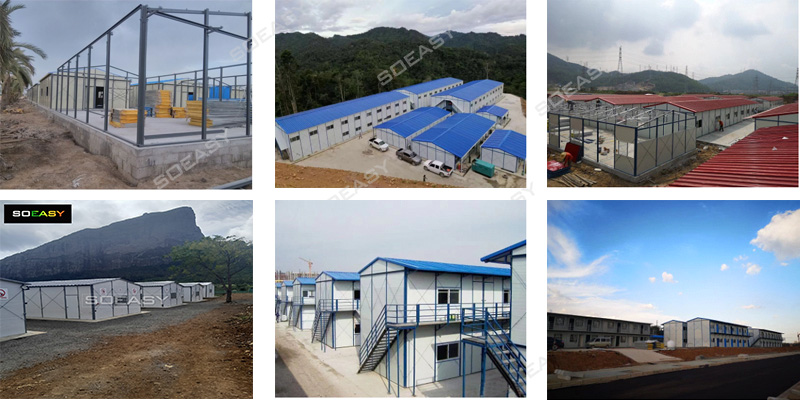
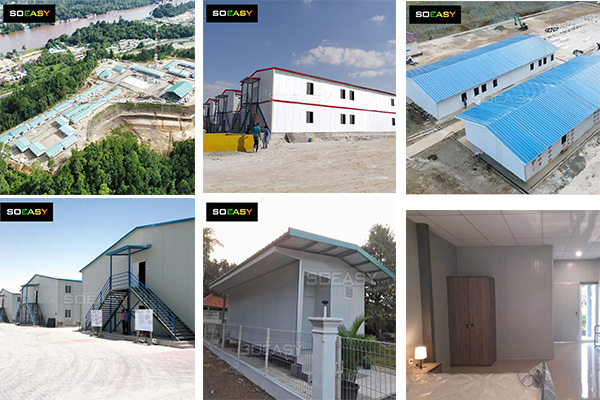
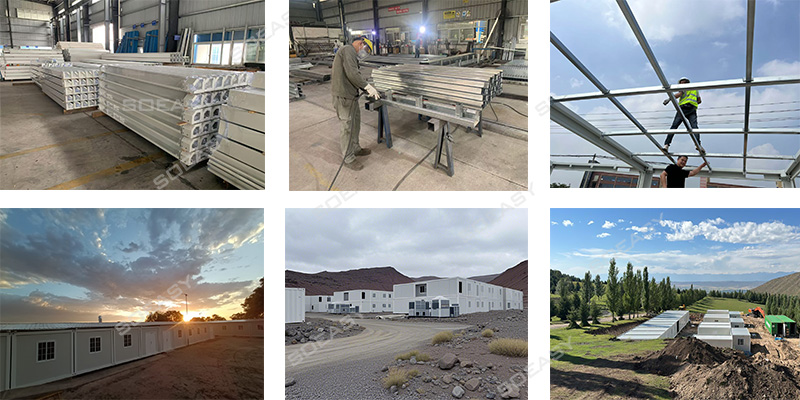
       In the vast and often remote indonesia mining camp, providing adequate and comfortable living quarters for workers can be a significant challenge. However, our team was recently tasked with creating something extraordinary: a prefab house mining camp that would not only meet but exceed the expectations of even the most discerning client. And so, with over 30 detailed drawings provided by the client as our starting point, we embarked on an ambitious journey to design and build a indonesia mining camp that would redefine the standards of mining area living communities.


       The design process was extensive and collaborative. Our 5 engineers team poured over the drawings. At first, the customer wanted to use the container house to design, and then after 2 months of discussion, he finally decided to use the prefab T-house design, anddiscussing every detail with the client, making adjustments, and incorporating innovative ideas to ensure that the final design was both functional and aesthetically pleasing. We knew that this indonesia mining camp accommodation was not just about providing shelter; it was about creating a vibrant, inclusive prefab house community that would enhance the quality of life for all its residents.


       After about 1 year of meticulous negotiations and design refinements, the client finally confirmed the order. With the designs locked in, we moved into the manufacturing phase. It took us 5 months to produce all the prefabricated house components of the indonesia mining camp accommodation. Each piece was crafted with precision and care, ensuring that it met the highest standards of quality and durability. We knew that these houses would be subjected to the harsh conditions of a mining environment, so we made sure they were built to last.

        Once the components were ready, they were shipped to Indonesia, and the installation process began. It took the client's team 3 months to assemble the prefabricated houses and create the complete indonesia mining camp. During this time, our team provided ongoing support and guidance, ensuring that the installation process went smoothly and that the final result met our high expectations.


mining camp accommodation factory


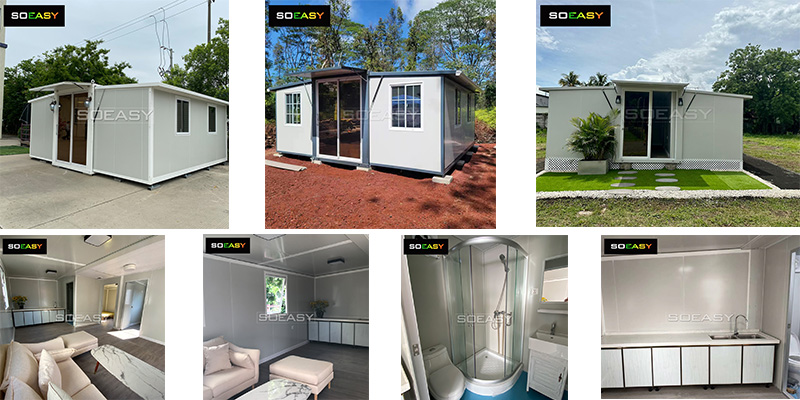
        The indonesia mining camp that emerged was nothing short of stunning. The community included a wide range of amenities, designed to cater to the diverse needs of its residents. The prefab office buildings were sleek and modern, providing an ideal environment for administrative work and meetings. The employee dormitories were spacious and well-equipped, offering a comfortable and luxurious living experience that was a far cry from traditional worker housing.

       The prefab dining hall was a culinary delight, with a wide selection of healthy and delicious meals prepared by skilled chefs. The prefab prayer room and church provided a spiritual sanctuary for those who sought solace and guidance, while the prefab gym and sports room offered opportunities for physical exercise and recreation. The reception room was a welcoming point for visitors and guests, while the laundry room provided a convenient service for maintaining cleanliness and hygiene. The multifunctional room was a versatile space that could be used for various activities, such as workshops, training sessions, and social events.

        But the real surprise came when the client evaluated the project. They described the indonesia mining camp as more akin to a villa community than worker housing. The luxurious amenities, sleek design, and overall quality of the living spaces had set a new standard for mining area living communities. It was a testament to the hard work and dedication of our team, who had poured their hearts and souls into creating something truly special.


        In conclusion, the prefab house mining camp project in Indonesia was a true labor of love. Mining camp accommodation requires careful planning, precision manufacturing and collaborative efforts to achieve. The final result was a luxurious living community that set a new standard for mining area housing. We were honored to be a part of this project and proud of the impact it had on the lives of the residents. As we look to the future, we are excited to see how this innovative approach to mining area housing will continue to evolve and improve the quality of life for workers in remote and often harsh environments.

At sinonwpc you can always get a non-binding offer of composite fences for your garden, driveway etc. You can contact us by email, phone or by filling out the contact form here. You can also sign up so that we will call you when you have time for a non-binding talk about a composite fence solution for you.


Aluminum Fence Panels: Elevate Your Curb Appeal & Security

modern property with elegant aluminum fence panels enhancing curb appeal

Introduction to Aluminum Fence Panels

Imagine transforming your property’s boundaries with a solution that combines elegance, strength, and low maintenance. Aluminum fence panels are increasingly becoming the go-to choice for homeowners and businesses alike, thanks to their remarkable versatility and enduring appeal. But why have these panels gained such popularity, and what makes them a standout option for both residential and commercial settings?

To start with, aluminum fence panels are celebrated for their durability and resistance to the elements. Unlike traditional wood fences that can warp or rot over time, aluminum stands strong against weather extremes without succumbing to rust or decay. This resilience makes them an ideal choice for those seeking a long-term fencing solution.

Moreover, the aesthetic appeal of aluminum fencing is undeniable. Available in a variety of styles and finishes, these panels can complement any architectural design—from the sleek lines of modern homes to more traditional settings. Whether you prefer the minimalist look of clean lines or the ornate elegance of decorative accents, aluminum fence panels offer a range of options that enhance curb appeal.

Another key advantage is the ease of maintenance. Aluminum fences require minimal upkeep compared to wood or wrought iron. A simple rinse with a garden hose is often enough to keep them looking pristine, freeing you from the burdens of regular painting or staining.

In commercial applications, aluminum fence panels provide a robust and secure perimeter without compromising on style. Their lightweight nature allows for easier installation, reducing labor costs and time. As businesses and homeowners continue to seek out sustainable and visually appealing fencing solutions, aluminum panels remain a top contender, offering a perfect blend of functionality and design.

Getting Familiar with Basic Aluminum Fence Panels

When considering a fencing solution that combines durability with aesthetic appeal, aluminum fencing panels emerge as a top choice. But what makes these panels so special? Let's delve into their fundamental features and why they are favored by so many homeowners and businesses.

Corrosion Resistance and Durability

Aluminum fencing panels are renowned for their corrosion resistance. Unlike iron or steel, aluminum does not rust, making it an excellent option for properties exposed to harsh weather conditions. This resistance ensures that your fence maintains its structural integrity and appearance over time, reducing the need for frequent repairs or replacements.

Lightweight and Easy Installation

One of the standout features of fence aluminum panels is their lightweight nature. This characteristic not only makes them easier to transport but also simplifies the installation process. Whether you're a DIY enthusiast or hiring professionals, the ease of handling aluminum panels can significantly cut down on labor costs and installation time.

Versatility in Sizes and Applications

Aluminum fencing panels are available in various heights, commonly ranging from 4 ft to 8 ft, catering to different needs and preferences. For residential settings, 4 ft panels are often used for garden boundaries, while 6 ft and 8 ft panels provide enhanced security and privacy for backyards. This versatility allows homeowners to choose a height that best suits their property's layout and security requirements.

In summary, the combination of corrosion resistance, lightweight properties, and ease of installation makes aluminum fencing panels an attractive option for both residential and commercial applications. As you explore your fencing options, consider how these panels can meet your needs for durability and style, ensuring a long-lasting investment for your property.

diverse aluminum fence styles for various architectural designs

Choosing Dimensions and Styles for Your Property

When planning to install aluminum fence panels, selecting the right dimensions and styles is crucial to achieving both functional and aesthetic goals. The dimensions of your fence will largely depend on your property's size, layout, and specific security needs. Let’s explore how to make the best choices for your home or business.

Determining the Right Dimensions

Begin by assessing your property's layout and the primary purpose of your fence. For instance, if you aim to enclose a large backyard, opting for 8 ft aluminum fence panels can offer enhanced privacy and security. These taller panels are particularly effective in deterring intruders and keeping pets safely within your property.

Conversely, if your goal is to define a garden area or front yard, shorter panels, such as those around 4 ft or 6 ft, might suffice. They provide a clear boundary without obstructing views, allowing you to maintain an open and welcoming appearance.

Exploring Style Options

Aluminum fence panels come in a variety of styles, each contributing differently to your property's curb appeal and functionality. Here are some popular options:

  • Picket-Top: This classic style offers a traditional look, often associated with suburban homes. It provides a friendly boundary while maintaining visibility.
  • Flat-Top: Ideal for a modern aesthetic, flat-top panels offer a sleek and clean appearance, suitable for contemporary homes and commercial properties.
  • Spear-Top: Featuring pointed finials, spear-top designs add an element of security and elegance. They are often used for properties requiring a more formidable barrier.

Each style can significantly impact your property's overall look and should be chosen based on the architectural style of your home and personal preferences.

Considering Regulations and Guidelines

Before finalizing your fence dimensions and style, it's essential to check local regulations and Homeowners Association (HOA) guidelines. Many areas have specific rules regarding fence height, style, and placement to ensure neighborhood uniformity and safety standards.

Consulting with local authorities or your HOA can prevent potential conflicts and ensure your new fence complies with all necessary regulations. This step is vital to avoid costly modifications or fines after installation.

In conclusion, choosing the right dimensions and styles for aluminum fence panels involves careful consideration of your property's needs and local regulations. By balancing functional requirements with aesthetic preferences, you can enhance both the security and appeal of your property.

Exploring Privacy and Ornamental Enhancements

When it comes to enhancing both privacy and aesthetic appeal, aluminum fence panels offer a variety of solutions that cater to different homeowner needs. Let's delve into how aluminum privacy fence panels and decorative aluminum fence panels can transform your property.

Aluminum Privacy Fence Panels

For homeowners who prioritize seclusion, aluminum privacy fence panels are an excellent choice. These panels are designed to provide a solid barrier, effectively blocking views from the outside while maintaining a sleek and modern appearance. Available in styles like shadowbox and board on board, these panels offer varying levels of visibility and light penetration. For instance, the shadowbox design allows light to filter through at certain angles, creating a balance between privacy and openness. On the other hand, the board on board option completely obstructs the line of sight, offering maximum privacy.

These privacy solutions are not only functional but also come in a range of heights—typically 4', 6', and 8'—to suit different privacy needs and local zoning regulations. Whether you're looking to create a private oasis in your backyard or secure a pool area, aluminum privacy fence panels provide a durable and stylish solution.

Decorative Aluminum Fence Panels

If enhancing the visual appeal of your property is a priority, consider incorporating decorative aluminum fence panels. These panels come in various ornamental styles that can complement any architectural design, from traditional to contemporary. Features such as intricate finials, scrolls, and unique post caps add a touch of elegance and sophistication, making your fence a standout feature in your landscape.

Beyond aesthetics, decorative panels also serve functional purposes. They can demarcate boundaries and provide a level of security without compromising on style. The choice of decorative elements can reflect personal taste and enhance the overall character of your property.

Balancing Design with Functionality

When selecting between privacy and decorative options, it's crucial to balance design appeal with functionality. Consider how each type of panel aligns with your property's needs. For instance, if your primary concern is privacy, opt for solid panels that offer full coverage. However, if you're looking to boost curb appeal while maintaining some level of transparency, decorative panels with ornate designs might be the way to go.

Ultimately, the decision should reflect both your aesthetic preferences and practical requirements. By choosing the right combination of aluminum fence panels, you can enhance your property's privacy and charm, creating a welcoming and secure environment.

black and white aluminum fence panels enhancing property aesthetics

Considering Color Options for Residential Appeal

When it comes to choosing aluminum fence panels, color plays a pivotal role in defining the aesthetic appeal of your property. Among the myriad of options available, black aluminum fence panels and white aluminum fence panels are particularly popular for their versatility and timeless elegance.

Black Aluminum Fence Panels

Black is a classic choice that exudes sophistication and seamlessly blends with various architectural styles. Whether your home is modern or traditional, black panels provide a striking contrast against lush greenery and vibrant landscapes, enhancing your property's curb appeal. Moreover, black panels tend to hide dirt and grime better than lighter colors, making maintenance easier.

White Aluminum Fence Panels

On the other hand, white aluminum fence panels offer a clean, fresh look that complements coastal and cottage-style homes. White panels can brighten up your outdoor space, providing a crisp backdrop that highlights colorful flowers and shrubs. However, they may require more frequent cleaning to maintain their pristine appearance.

Influencing Overall Property Aesthetics

The choice between black and white, or any other color, should align with your overall design vision. Consider how the fence color will interact with your home's exterior, landscaping, and neighborhood aesthetic. Additionally, some homeowners associations (HOAs) may have specific guidelines regarding fence colors, so it's wise to verify any restrictions before making a decision.

For those seeking specialized color treatments, Sunmay Aluminum offers an extensive range of anodized finishes, allowing you to customize your fence to perfectly match your style. Their advanced techniques ensure vibrant, long-lasting colors that enhance both the beauty and durability of your panels.

In conclusion, selecting the right color for your aluminum fence panels is a crucial step in enhancing your property's aesthetic appeal. By considering factors such as style, maintenance, and HOA regulations, you can choose a color that not only complements your home but also elevates its overall charm and value.

Understanding Wholesale and Commercial Purchases

For those considering large-scale fencing projects, purchasing aluminum fence panels wholesale can offer significant cost savings and logistical advantages. But what exactly does buying wholesale entail, and how does it differ from retail purchases? Let's explore the key considerations and benefits of wholesale aluminum fence panels.

Cost Savings and Bulk Orders

One of the primary advantages of opting for aluminum fence panels wholesale is the potential for reduced costs. Wholesale purchases typically involve buying in bulk, which allows suppliers to offer lower per-unit prices compared to retail. This can be particularly beneficial for contractors, developers, or homeowners with extensive fencing needs. By purchasing in larger quantities, you can effectively lower the overall project cost, making it a more economical choice for expansive properties or commercial developments.

Meeting Commercial Specifications

When purchasing wholesale aluminum fence panels, it's crucial to ensure that the products meet specific commercial specifications. This includes considerations such as panel thickness, height, and finish quality. Many suppliers offer customization options to cater to varying project requirements, from industrial-strength panels for high-security areas to decorative options for enhancing aesthetic appeal. Ensuring that the panels comply with local building codes and standards is essential to avoid potential legal issues and ensure the safety and durability of the installation.

Retail vs. Wholesale: A Comparative Overview

Factor Retail Wholesale
Price Per Unit Higher Lower
Order Quantity Small to moderate Large (bulk)
Customization Limited Extensive
Lead Time Shorter Longer (due to production)
Support Basic Comprehensive (often includes design and installation advice)

As illustrated, wholesale purchases offer distinct advantages in terms of cost and customization, but they may require longer lead times due to the production and delivery of larger orders. This makes planning and timing crucial when opting for wholesale purchases.

In conclusion, understanding the nuances of wholesale aluminum fence panels can help you make informed decisions that align with your project needs and budget constraints. By considering factors such as cost savings, commercial specifications, and the differences between retail and wholesale purchases, you can ensure a successful and cost-effective fencing project.

exploring aluminum fence panel options online and in store

Evaluating Sources and Installation Factors

When embarking on the journey to enhance your property with aluminum fence panels, knowing where to find these panels and understanding the installation essentials is crucial. Whether you're searching for 'aluminum fence panels near me' or exploring options for 'aluminum fence panels for sale,' the process involves several key considerations to ensure a successful outcome.

Finding Aluminum Fence Panels for Sale

Start by exploring local home improvement stores and specialized fencing suppliers, which often stock a variety of aluminum fence panels. These outlets provide the advantage of seeing the panels in person, allowing you to assess their quality and finish. Additionally, they may offer installation services or recommendations for local contractors who can assist with the setup.

Online platforms are another excellent resource, offering a broader range of options and competitive pricing. Websites like Fencing Direct and Aluminum Fences Direct provide comprehensive catalogs that include various styles and sizes. Shopping online allows you to compare prices and read customer reviews, which can be invaluable in making an informed decision.

Installation Essentials

Once you've sourced your panels, the next step is understanding the installation process. Proper planning is key, starting with marking the post locations and checking for underground utilities to avoid costly damages. Use a string line to ensure straight alignment, and carefully measure the spacing of post holes, typically set 72.5 inches apart. For detailed guidance, refer to installation guides provided by suppliers or consult with professionals.

Installation involves securing each panel to the posts with self-tapping screws, ensuring that the posts are level and aligned with the ground slope. Concrete is used to anchor the posts, with adjustments made before the concrete sets to maintain a consistent appearance.

Technical Support and Custom Solutions

For those seeking tailored solutions or needing technical support, consider reaching out to specialized providers like Sunmay Aluminum. Their expertise in custom aluminum profiles and advanced surface treatments can enhance both the aesthetic and functional aspects of your fence. Sunmay’s commitment to quality and customer satisfaction makes them a reliable partner for your fencing needs.

In conclusion, finding the right aluminum fence panels and understanding the installation process can significantly impact the success of your project. By utilizing local and online resources and considering expert support from companies like Sunmay Aluminum, you can achieve a durable and visually appealing fencing solution that enhances your property’s value and security.

Adapting Metal Panel Variations to Unique Needs

When considering fencing options, aluminum metal fence panels stand out due to their adaptability and modern design capabilities. These panels are not only about providing a boundary but also about enhancing the aesthetic and functional aspects of your property. Let's explore how these variations can cater to specialized installation needs and creative applications.

Exploring Aluminum Metal Fence Panels

Aluminum metal fence panels offer a unique combination of durability and design flexibility. They are crafted to withstand harsh weather conditions while maintaining their structural integrity. This makes them an ideal choice for properties located in areas prone to extreme climates. The lightweight nature of aluminum allows for easy handling and installation, reducing labor costs and time.

Moreover, these panels can be customized to meet specific design preferences. Whether you prefer a sleek, modern look or a more traditional appearance, aluminum panels can be tailored with various finishes and styles. Options such as powder coating provide a range of colors and textures, allowing homeowners to match their fencing to their home's exterior or landscape design.

Specialized Installations with Aluminum Panel Fence

One of the significant advantages of aluminum panel fences is their versatility in meeting specialized installation requirements. For example, properties with uneven terrain or unique architectural features can benefit from the customizable nature of aluminum panels. These panels can be fabricated to accommodate slopes, curves, and varying heights, ensuring a seamless fit across diverse landscapes.

Additionally, aluminum panels are suitable for both residential and commercial applications. In residential settings, they can be used to create private garden enclosures or secure pool areas, adhering to safety regulations. In commercial environments, aluminum panels can define property lines or enhance the security of industrial sites without compromising on style.

Creative Applications and Modern Fabrications

Modern fabrication techniques have expanded the possibilities for aluminum fencing, allowing for creative applications that go beyond traditional uses. For instance, decorative elements such as laser-cut designs or integrated lighting can transform a standard fence into a work of art, adding value and appeal to any property.

Furthermore, the integration of technology into aluminum fencing solutions is becoming increasingly popular. Features like automated gates and smart security systems can be seamlessly incorporated, offering convenience and enhanced security for property owners.

In conclusion, aluminum metal fence panels provide a versatile and innovative solution for those looking to enhance their property's boundary with style and functionality. By leveraging modern fabrication techniques and embracing creative designs, homeowners and businesses alike can achieve a fencing solution that meets their unique needs and elevates their property's overall appeal.

maintenance checklist for prolonging aluminum fence lifespan

Preparing for Future Upgrades and Maintenance

When investing in residential aluminum fence panels, it's crucial to consider not only the immediate benefits but also future needs and maintenance to ensure longevity and sustained property value. Planning for potential expansions or reconfigurations can save time and resources down the line, while a regular maintenance routine will keep your fence looking pristine.

Planning for Future Expansion

As your property needs evolve, you might find the need to expand or modify your existing fence layout. Whether it's accommodating a new garden area or enhancing security features, aluminum fence panels offer flexibility for such changes. Their modular design allows for easy adjustments, and sections can be added or removed without significant effort. Before installation, consider consulting with a fencing expert to map out potential future expansions, ensuring that your initial setup can accommodate these changes seamlessly.

Maintenance Checklist for Longevity

Despite their low-maintenance reputation, aluminum fences benefit from routine care to maintain their appearance and structural integrity. Here’s a simple checklist to guide you:

  • Regular Cleaning: Use mild soapy water to clean the panels, especially if you live in areas with high dust or pollution levels. Rinse thoroughly to avoid residue buildup.
  • Inspect for Damage: Periodically check for loose screws or fasteners and tighten them as necessary. Look for any signs of wear or damage, particularly after severe weather conditions.
  • Lubricate Moving Parts: Hinges and gate latches should be oiled regularly to ensure smooth operation and prevent rust.
  • Check for Vegetation: Keep the area around the fence free from overgrown plants or debris that could cause damage or obstruct maintenance tasks.
  • Address Oxidation: If you notice any chalky residue due to oxidation, gently clean the area and consider applying a protective wax to restore the shine.

By adhering to this maintenance routine, you can significantly prolong the lifespan of your aluminum fence, keeping it as a valuable asset to your property.

Value of Proactive Maintenance

Proactive maintenance not only enhances the visual appeal of your fence but also prevents minor issues from escalating into costly repairs. A well-maintained fence contributes to your property’s curb appeal and can be a selling point if you decide to move. Additionally, maintaining your fence helps in complying with local regulations and HOA standards, avoiding potential fines or mandatory repairs.

In summary, planning for future upgrades and adhering to a consistent maintenance schedule are essential steps in maximizing the benefits of residential aluminum fence panels. By doing so, you ensure that your fence remains a durable, attractive, and valuable feature of your property for years to come.

Conclusion

Throughout our exploration of aluminum fence panels, it’s evident why they have become a preferred choice for homeowners and businesses alike. Their durability, aesthetic versatility, and ease of maintenance make them an exceptional investment for enhancing both security and curb appeal. Unlike other materials, aluminum stands strong against the elements, offering a rust-free and long-lasting solution that requires minimal upkeep.

From the array of styles and dimensions available to the options for privacy and ornamental enhancements, aluminum fence panels cater to diverse needs and preferences. Whether you’re looking to define property boundaries, enhance privacy, or simply add a decorative element to your landscape, these panels provide the flexibility and elegance required to achieve your goals.

Moreover, the choice of color can significantly influence the overall look of your property, with popular options like black and white offering timeless appeal. For those seeking unique finishes, Sunmay Aluminum provides specialized treatments, ensuring your fence not only complements your home but also stands out with vibrant and enduring colors.

As you consider your fencing requirements, it’s crucial to evaluate factors such as local regulations, potential future expansions, and maintenance needs. By planning ahead and selecting quality materials, you can ensure a successful installation that enhances your property’s value and functionality.

In conclusion, aluminum fence panels offer a perfect blend of style, durability, and practicality. For those ready to make an informed choice, professional suppliers like Sunmay Aluminum are equipped to provide expert guidance and high-quality solutions tailored to your specific needs. Embrace the benefits of aluminum fencing and elevate your property’s appeal and security today.

Frequently Asked Questions about Aluminum Fence Panels

1. Is an aluminum fence cheaper than wood?

While aluminum fences have a higher upfront cost than wood, they offer greater durability and lower maintenance costs over time, making them cost-effective in the long run.

2. How much does 200 feet of aluminum fence cost installed?

The cost for installing 200 feet of aluminum fence can range from $5,000 to $15,000, depending on the style and specific installation requirements.

3. Which is cheaper, vinyl or aluminum fence?

Vinyl fences are generally cheaper upfront than aluminum. However, aluminum offers better durability and lower maintenance, making it a preferred choice for many.

4. What are the benefits of aluminum fence panels?

Aluminum fence panels are corrosion-resistant, lightweight, and easy to install. They offer aesthetic versatility and require minimal maintenance.

5. How do I choose the right aluminum fence panel for my property?

Consider your property's size, security needs, and local regulations. Choose a style that complements your home's architecture and meets your privacy requirements.

keyboard_arrow_up