Aluminum Free Deodorants: Elevate Daily Confidence

aluminum free deodorants offer natural and eco friendly personal care solutions

Introduction to Aluminum Free Deodorants

In recent years, the demand for aluminum free deodorants has surged, driven by a growing awareness of health and wellness trends in personal care. As consumers become more conscious of the ingredients in their skincare products, many are opting for natural alternatives that promise safer, gentler care for their skin. Aluminum free deodorants, in particular, have gained popularity because they avoid the use of aluminum compounds that are commonly found in traditional antiperspirants.

Unlike antiperspirants, which use aluminum to block sweat ducts and reduce perspiration, aluminum free deodorants focus on neutralizing odor without interfering with the body's natural sweating process. This shift aligns with the broader movement towards natural and sustainable personal care products, as highlighted in the 2025 Wellness in Beauty and Personal Care Trends Report, which emphasizes sustainability and wellness as key industry drivers.

Throughout this article, we will explore the benefits of choosing aluminum free deodorants, delve into the differences between deodorants and antiperspirants, and provide guidance on selecting the best products for individual needs. By understanding these aspects, you can make informed decisions about your personal care routine, ensuring it aligns with both your health goals and environmental values.

comparison between aluminum free deodorants and traditional antiperspirants

Unraveling The Basics Of Aluminum Free Options

When it comes to personal hygiene, understanding the difference between aluminum free deodorants and traditional antiperspirants is crucial. But what is aluminum free deodorant, and how does it differ from its aluminum-containing counterparts? Let's break it down.

Traditional antiperspirants use aluminum compounds to temporarily block sweat ducts, reducing perspiration. In contrast, deodorants that are aluminum free focus on neutralizing odor without affecting the body's natural sweating process. This distinction is important because while sweating is a natural body function, many prefer to manage odor without hindering sweat.

Deodorants vs. Antiperspirants

Deodorants and antiperspirants serve different purposes:

  • Deodorants: Primarily aim to mask or neutralize body odor caused by bacterial growth in sweat. They often contain antimicrobial agents and fragrances to achieve this.
  • Antiperspirants: Designed to reduce sweating by blocking sweat glands with aluminum-based compounds, thereby also reducing odor indirectly.

Understanding these differences helps you choose the right product based on your needs and preferences.

Common Ingredients in Aluminum Free Deodorants

Aluminum free deodorants often include a variety of natural ingredients:

  • Powders and Starches: Corn starch or arrowroot powder to absorb moisture.
  • Soothing Agents: Aloe vera and coconut oil for skin soothing and moisturizing properties.
  • Antibacterial Ingredients: Tea tree oil and ethylhexylglycerin, which combat odor-causing bacteria.
  • Fragrances: Essential oils like lemongrass or rosemary, providing a pleasant scent and additional antibacterial benefits.

Here's a brief comparison to highlight the key differences:

Feature Aluminum Free Deodorant Traditional Antiperspirant
Primary Function Neutralizes odor Reduces sweating
Main Ingredient Natural antimicrobials Aluminum compounds
Effect on Sweating Allows natural sweating Blocks sweat glands

By choosing aluminum free options, you can embrace a more natural approach to personal care, aligning with both health and environmental values. Next, we'll explore the health and environmental benefits these products offer, helping you make an even more informed choice.

Recognizing The Health And Environmental Benefits

Switching to aluminum free deodorants offers several compelling benefits for both your health and the environment. By understanding these advantages, you can make a more informed decision about your personal care products.

Health Benefits

  • Reduced Skin Irritation: Many users find that aluminum free deodorants are gentler on the skin, reducing the risk of irritation, redness, and itching often associated with aluminum-based products.
  • Natural Ingredients: These deodorants typically include natural components like coconut oil and shea butter, which not only combat odor but also nourish and moisturize the skin.
  • Preservation of Natural Body Functions: Unlike antiperspirants, aluminum free options allow your body to sweat naturally, aiding in temperature regulation and toxin expulsion.

Environmental Benefits

  • Reduced Chemical Pollution: By avoiding aluminum and other harsh chemicals, these deodorants minimize the risk of contaminating water systems, thus protecting aquatic life and ecosystems.
  • Sustainable Packaging: Many brands focus on eco-friendly packaging, reducing plastic waste. This aligns with broader environmental goals and supports a more sustainable lifestyle.

Here's a quick comparison to illustrate these benefits:

Aspect Aluminum Free Deodorant Traditional Deodorant
Skin Impact Gentle, reduces irritation Can cause irritation
Environmental Impact Eco-friendly, less pollution Potentially harmful chemicals

By choosing aluminum free deodorants, you're not only prioritizing your health but also making a positive impact on the environment. As we proceed, we'll delve into how these products cater to different needs, ensuring everyone can find their perfect match.

variety of aluminum free deodorants for men and women

Choosing The Right Product For Men And Women

Selecting the ideal aluminum free deodorant often boils down to personal preferences, but there are notable differences between those marketed for men and women. These differences are primarily in scent profiles and formulation strengths, with each catering to perceived gender-specific needs.

Understanding Gender-Specific Needs

While both men and women can use any deodorant, manufacturers often differentiate products based on scent and packaging. Men's deodorants typically feature robust, musky, or fresh scents like sandalwood or citrus, while women's deodorants lean towards floral, fruity, and sweet aromas such as lavender or vanilla. This division, largely driven by cultural expectations, doesn't imply any real biological necessity, allowing for personal preference to guide choice.

Formulation strengths also vary, with men's products often marketed as providing "extreme protection" due to the higher average sweat levels in men. Women's versions might highlight "gentle care" with added moisturizers like aloe or shea butter, ideal for those with sensitive skin. However, these distinctions are more about marketing than actual ingredient differences, as most aluminum free options share similar compositions.

Key Considerations for Choosing Your Deodorant

Sunmay Aluminum, for instance, provides innovative packaging solutions that help deodorant brands meet consumer demands for sustainability. Their expertise in crafting high-quality aluminum profiles ensures that brands can offer eco-conscious packaging without compromising on aesthetic appeal or functionality.

Ultimately, the best aluminum free deodorant is one that aligns with your personal needs and lifestyle, offering both effectiveness and comfort. As you explore the options available, remember that the label doesn't define the product's suitability for you. Up next, we'll compare popular brands, helping you make informed choices based on unique features and price ranges.

Comparing Popular Brands And Their Unique Formulas

When choosing an aluminum free deodorant, understanding the offerings of major brands like Dove, Secret, and Arm & Hammer can guide you towards making a choice that best fits your needs. Each brand brings something unique to the table, whether it's in terms of scent, formulation, or price.

Dove Aluminum Free Deodorant

Dove's 0% Aluminum Deodorant is renowned for its moisturizing properties, making it an excellent choice for those with sensitive skin. It glides on smoothly and offers a wide range of scents, including the refreshing cucumber & green tea. Priced affordably around $6 at major retailers, it provides good value for money without compromising on quality. However, some users find the scents slightly synthetic, which might not appeal to everyone.

Secret Aluminum Free Deodorant

Secret offers a solid option with its Daylily scent, providing a clear, solid application. While it effectively masks odors, some users have noted a faint mildew scent upon warming on the skin, which might be a consideration for those sensitive to scents. Despite this, Secret remains a popular choice for its pleasant initial fragrance and effective odor control.

Arm & Hammer Essentials

Arm & Hammer utilizes the power of baking soda and natural plant extracts in its Essentials deodorant line. Known for its strong odor protection, it is a favorite among those who require more robust formulations. It is priced competitively, often found under $5, making it an attractive option for budget-conscious consumers.

Here's a comparison table to help you evaluate these brands:

Brand Key Features Price Range
Dove Moisturizing, wide scent range $6 - $7
Secret Clear application, floral scents $5 - $8
Arm & Hammer Baking soda-based, strong odor control $4 - $6

Each of these brands offers distinct advantages, whether you prioritize skin sensitivity, scent preference, or budget. As you consider these options, remember that the best deodorant is one that aligns with your personal needs and lifestyle. Next, we'll delve into the differences between aluminum free antiperspirants and regular deodorants, helping you understand their roles in sweat management and odor control.

pros and cons of aluminum free spray deodorants

Understanding The Role Of Antiperspirants And Sprays

When navigating the world of personal care products, it's essential to understand the fundamental differences between aluminum free antiperspirant deodorant and regular deodorants. These products serve distinct purposes, primarily revolving around sweat management and odor control.

Aluminum Free Antiperspirants vs. Regular Deodorants

The primary distinction lies in their core functions:

Choosing between these depends on your personal needs—whether you prioritize staying dry or simply want to manage odor.

Pros and Cons of Aluminum Free Spray Deodorants

Spray deodorants have become a popular choice for many, offering unique benefits and some drawbacks:

Pros:

Cons:

Here's a quick comparison to help visualize these differences:

Feature Aluminum Free Antiperspirants Regular Deodorants
Primary Function Minimizes moisture Neutralizes odor
Main Ingredient Natural moisture absorbers Antimicrobial agents
Effect on Sweating Reduces sweating Allows natural sweating

Understanding these differences can help you select the most suitable product based on your lifestyle and preferences. Next, we'll address common concerns about the effectiveness of aluminum free deodorants and discuss how to optimize their use in your daily routine.

Evaluating Effectiveness And Common Concerns

When transitioning to aluminum free deodorants, many users have questions about their effectiveness and what to expect during the adaptation period. Understanding these aspects can help set realistic expectations and enhance your personal care routine.

Does Aluminum Free Deodorant Work?

Aluminum free deodorants are designed primarily to combat odor rather than prevent sweating. They work by using natural antibacterial agents to neutralize the bacteria that cause body odor. While they might not keep you as dry as traditional antiperspirants, they allow your body to sweat naturally, which is a healthy bodily function.

Whether or not they 'work' depends largely on your personal needs and lifestyle. For those who value natural ingredients and are less concerned about moisture, these deodorants can be an excellent choice. However, if you prioritize dryness, you might need to explore additional sweat management strategies.

Is Aluminum Free Deodorant Better?

The term 'better' is subjective and depends on what you prioritize in a deodorant. Here are some factors to consider:

Common Concerns and Adaptation Period

Switching to aluminum free deodorants can involve an adaptation period, during which your body adjusts to sweating more freely. Some users report increased odor or wetness initially, but this usually subsides as your body acclimates.

Here are some tips to ease the transition:

Sunmay Aluminum's Role

Sunmay Aluminum plays a crucial role in enhancing product longevity and storage through their innovative packaging solutions. Their expertise in high-quality aluminum profiles ensures that deodorants are not only effective but also environmentally conscious, supporting brands in delivering sustainable products to consumers.

As you explore these options, remember that the best deodorant is one that aligns with your personal values and lifestyle needs. Up next, we'll showcase the best aluminum free deodorant picks for various specific needs, helping you find the perfect match for your routine.

Navigating Best Picks For Specific Needs

Choosing the right aluminum free deodorant can be daunting, given the multitude of options available. Whether you have sensitive skin or prefer fragrance-free alternatives, there are products tailored to meet your specific needs. Here's a curated list of top picks to help you make an informed choice.

Best Aluminum Free Deodorant for Sensitive Skin

Fragrance-Free Options

Additional Top Picks

By selecting a deodorant that aligns with your skin type and personal preferences, you can enhance your daily routine with confidence and comfort. As we proceed, we'll explore the importance of maintaining overall hygiene practices for optimal odor control.

sustainable routine for using aluminum free deodorants

Building A Sustainable Routine For Ongoing Protection

Creating an effective aluminum free deodorant routine involves more than just picking the right product. It's about integrating it into a broader hygiene strategy that supports optimal odor control and skin health. Imagine starting your day with a refreshing shower, followed by the application of a deodorant that not only keeps you smelling fresh but also aligns with your personal values and skin needs.

To enhance the effectiveness of aluminum free deodorants, consider these key hygiene practices:

By incorporating these practices into your daily routine, you'll notice a significant improvement in odor control and overall skin health. Moreover, these habits support the natural functions of your body while complementing the benefits of aluminum free deodorants. As we conclude our exploration of these products, we'll reflect on the future of personal care trends and how they continue to evolve.

Conclusion

As we've explored throughout this article, aluminum free deodorants offer a compelling blend of health benefits and environmental advantages, making them an appealing choice for the conscious consumer. By allowing the body to sweat naturally and using ingredients that are gentle on the skin, these products align with the growing demand for natural and sustainable personal care solutions.

Looking ahead, the future of aluminum free deodorants appears promising. With the market expected to expand significantly, driven by increased health awareness and a shift towards chemical-free products, we can anticipate more innovation in formulations and packaging. Brands are likely to introduce diverse options to cater to various skin types and preferences, further enhancing consumer choice.

In this evolving landscape, companies like Sunmay Aluminum play a pivotal role. By offering sustainable packaging solutions, they enable brands to meet consumer demands for eco-friendly products without compromising on quality or aesthetics. Sunmay Aluminum's expertise in crafting high-quality aluminum profiles ensures that deodorant brands can deliver products that are both effective and environmentally responsible.

Ultimately, choosing the right deodorant is a personal decision that should reflect your individual needs and values. As you navigate this journey, consider the broader impact of your choices on your health and the environment. Embrace the shift towards natural personal care, and explore the diverse offerings available to find a product that truly elevates your daily confidence.

Frequently Asked Questions about Aluminum Free Deodorants

1. Are deodorants without aluminum safe?

Yes, aluminum-free deodorants are considered safe as they primarily use natural ingredients to neutralize odor, reducing the risk of skin irritation compared to traditional antiperspirants.

2. What does aluminum free deodorant do for your body?

Aluminum-free deodorants help reduce armpit irritation and support the body's natural detoxification through sweating, using natural fragrances and moisturizers for healthier skin.

3. What is the healthiest deodorant to use?

The healthiest deodorants are those free from aluminum and harsh chemicals, often featuring natural ingredients like coconut oil and shea butter to maintain skin health.

4. Does aluminum free deodorant work?

Aluminum-free deodorants effectively neutralize odor using natural antibacterial agents, though they may not prevent sweating as traditional antiperspirants do.

5. Is aluminum free deodorant better?

Aluminum-free deodorants are better for those seeking natural ingredients and reduced skin irritation, aligning with eco-friendly and health-conscious lifestyles.

Melting Point of Aluminum Unleashed: Surprising Expert Insights

illustration of aluminum forms and melting points in industrial settings

Introduction to Melting Point of Aluminum

Aluminum's unique properties make it a staple in industries ranging from aerospace to electronics. But have you ever wondered why understanding the melting point of aluminum is so crucial? The melting point, approximately 660°C (1220°F) in its pure form, plays a pivotal role in determining how aluminum is used in various applications. Whether it's in casting, welding, or forming, knowing this temperature helps engineers and designers make informed decisions about material selection and processing techniques.

This article aims to demystify the melting point of aluminum by clarifying core concepts and exploring how different alloys alter this critical property. We'll delve into the science behind aluminum's phase changes and discuss how alloy compositions and impurities can shift its melting point. Additionally, we will provide best practices to ensure safety and efficiency when working with this versatile metal. By the end of this read, you'll have a comprehensive understanding of why the melting point of aluminum is a key consideration in both industrial and everyday applications.

diagram of aluminum atoms transitioning from solid to liquid

Understanding the Basics of Aluminum Melting

When you think about the melting point of aluminum, you might wonder, 'Why is this temperature so significant?' At approximately 660°C (1220°F), the melting point of aluminum is not just a number; it's a gateway to understanding the metal's behavior in various industrial processes. Imagine working with a material that seamlessly transitions from solid to liquid, opening up endless possibilities for manufacturing and recycling.

The melting point of aluminum is integral to its applications due to its relatively low temperature compared to other metals like iron and copper. This lower melting point allows for energy-efficient processing, making aluminum a favorite in industries focused on sustainability and cost-effectiveness. For example, in recycling, aluminum's ability to melt at lower temperatures means less energy is required, which is both economically and environmentally advantageous.

From a metallurgical perspective, the melting point is a reflection of the atomic structure and bonding within the metal. Aluminum's atoms are arranged in a face-centered cubic lattice, which contributes to its unique combination of lightness, strength, and ductility. This structure not only influences its melting point but also its ability to resist corrosion and maintain integrity under various conditions.

Understanding these principles is crucial for industries that rely on aluminum's versatility. Whether it's in aerospace, where weight reduction is paramount, or in electronics, where thermal conductivity is key, the melting point of aluminum provides a foundation for innovation and efficiency. As we explore further, you'll notice how this fundamental property interplays with alloy compositions and other factors to tailor aluminum's performance for specific applications.

Exploring Temperature Units and Measurement

When it comes to understanding the melting point of aluminum, the units of measurement—Celsius and Fahrenheit—play a crucial role. In scientific contexts, temperatures are often expressed in Celsius, where the melting point of aluminum is approximately 660°C. However, in the United States, Fahrenheit is more commonly used, with aluminum melting at around 1220°F. This duality in measurement can sometimes lead to confusion, especially when comparing aluminum to other metals.

To put this into perspective, let's consider how aluminum's melting point compares to other commonly used metals. For instance, copper melts at around 1084°C (1983°F), while iron's melting point is significantly higher, ranging from 1204°C to 1538°C (2200°F to 2800°F). This comparison highlights aluminum's relatively low melting point, which is advantageous for processes requiring less energy, such as recycling and casting.

But what about extreme conditions? While the melting point is a critical factor, the boiling point of aluminum also matters in high-temperature scenarios. Aluminum boils at approximately 2519°C (4566°F). Although reaching this temperature is uncommon in typical industrial applications, understanding both melting and boiling points is vital for processes that involve significant thermal exposure, such as aerospace engineering or advanced manufacturing techniques.

  • Aluminum: Melting Point - 660°C (1220°F), Boiling Point - 2519°C (4566°F)
  • Copper: Melting Point - 1084°C (1983°F), Boiling Point - 2562°C (4643°F)
  • Iron: Melting Point - 1204°C to 1538°C (2200°F to 2800°F), Boiling Point - 2862°C (5182°F)

Understanding these measurements not only aids in selecting the right material for a specific application but also ensures efficiency and safety in processes involving thermal exposure. As we delve deeper into the factors influencing aluminum's phase changes, you'll see how these temperature benchmarks guide industrial practices and innovations.

Essential Factors Influencing Aluminum’s Phase Changes

When considering the melting point of aluminum, it's crucial to understand that various factors can influence this seemingly straightforward property. Imagine you're working with aluminum in a casting environment; the purity of the aluminum, the presence of alloying elements, and the rate of heating and cooling can all dramatically alter the melting behavior. Let's explore these factors in more detail.

Alloy Composition and Impurities

One of the primary factors influencing aluminum's melting point is its composition. Pure aluminum melts at approximately 660°C (1220°F), but when alloyed with elements like copper, magnesium, or silicon, the melting point can shift. For instance, adding copper can lower the melting point, enhancing the material's strength and hardness. However, impurities such as iron or silicon can also decrease the melting point, affecting the aluminum's ductility and corrosion resistance. (source)

Heating and Cooling Rates

Another critical factor is the rate at which aluminum is heated or cooled. Rapid heating might not allow the metal to reach a uniform temperature, leading to uneven melting and potential structural weaknesses. Conversely, controlled cooling, as seen in processes like annealing, can help in achieving a desirable grain structure, enhancing the mechanical properties of the final product. This is particularly important in applications where precision and strength are paramount.

Real-World Considerations: Casting Environments

The environment in which aluminum is processed also plays a significant role. In casting, for example, the type of furnace used, ambient temperature, and even humidity can affect how aluminum melts and solidifies. High-temperature furnaces are typically employed to ensure that the metal reaches its melting point uniformly, allowing for consistent quality in the final cast product. Additionally, the presence of oxygen can lead to oxidation, which not only affects melting but can also compromise the integrity of the aluminum.

Understanding these factors is essential for anyone working with aluminum, as they can significantly impact the efficiency and safety of industrial processes. By considering these variables, you can optimize aluminum's properties for specific applications, ensuring that the material performs as expected under various conditions. As we move forward, we'll delve deeper into how specific alloys like 6061 and 7075 aluminum are influenced by these factors, providing insights into their unique melting behaviors.

comparison of 6061 and 7075 aluminum alloys in industry

In-Depth Look at 6061 and 7075 Alloys

When it comes to understanding the melting point of aluminum alloys, two of the most commonly discussed are 6061 and 7075. These alloys are widely used in various industries due to their unique properties and performance characteristics. But how do their melting points compare, and why does this matter?

Melting Point of 6061 Aluminum

The melting point of 6061 aluminum typically ranges from 582°C to 652°C (1080°F to 1205°F). This range is influenced by the alloy's composition, which includes elements such as magnesium and silicon. These elements not only enhance the alloy's strength and corrosion resistance but also affect its melting behavior. For instance, the presence of magnesium can slightly lower the melting point while improving mechanical properties. The T6 temper, a heat treatment process, further optimizes the alloy's strength without significantly altering its melting range. (source)

Melting Point of 7075 Aluminum

In contrast, the melting point of 7075 aluminum ranges from 477°C to 635°C (890°F to 1175°F). This alloy is known for its high strength, making it ideal for applications requiring robust structural components. The addition of zinc and copper in 7075 aluminum increases its strength but also influences its melting range. The T6 temper, similar to 6061, enhances the alloy's performance by optimizing its hardness and resistance to stress-corrosion cracking. (source)

Impact of Alloying Elements and Tempering

Both 6061 and 7075 aluminum alloys demonstrate how specific alloying elements and tempering processes can subtly shift melting points. These modifications are crucial for tailoring the alloys to specific applications, whether in aerospace, automotive, or construction industries. Understanding these nuances allows manufacturers to select the right alloy for their needs, ensuring optimal performance and safety.

As we continue, we will explore a broader range of aluminum alloys, delving into how their unique compositions further influence melting behavior and mechanical properties.

Examining the Broader World of Aluminum Alloys

When you think about the melting point of aluminum alloys, it's essential to understand that these alloys offer a diverse range of properties beyond those of pure aluminum. Engineers and manufacturers often choose specific aluminum alloys to achieve desired characteristics, such as increased strength, corrosion resistance, or thermal stability. But how do these choices affect the melting point of aluminum alloys?

Understanding Alloy Families

Aluminum alloys are categorized into different families, each with unique properties. The 5xxx, 6xxx, and 7xxx series are among the most notable. These series are distinguished by their primary alloying elements, which significantly influence their melting points and mechanical properties.

  • 5xxx Series (Magnesium): Known for excellent corrosion resistance, these alloys typically have a melting point range of 570°C to 645°C (1058°F to 1193°F). The addition of magnesium enhances strength without compromising ductility, making them ideal for marine applications.
  • 6xxx Series (Magnesium and Silicon): These alloys, including the popular 6061, balance strength and corrosion resistance, with melting points ranging from 582°C to 652°C (1080°F to 1205°F). The presence of magnesium and silicon forms Mg2Si, which contributes to their excellent machinability and weldability.
  • 7xxx Series (Zinc): Featuring high strength and a melting point range of 477°C to 635°C (890°F to 1175°F), these alloys are often used in aerospace applications. The addition of zinc, along with magnesium and copper, provides exceptional tensile properties but requires precise control during processing to prevent stress-corrosion cracking.

Influences of Alloy Composition

The melting point of aluminum alloys is not a fixed number but rather a range that depends on the specific alloying elements and their concentrations. For instance, the presence of copper in the 2xxx series can lower the melting point while enhancing strength and hardness. Similarly, silicon in the 4xxx series can lower the melting point, making these alloys suitable for welding and brazing applications.

Each alloy's composition is carefully selected to tailor its properties for specific applications. For example, the 3xxx series, with manganese as the primary alloying element, offers good corrosion resistance and moderate strength, making it suitable for beverage cans and chemical equipment.

Practical Applications and Considerations

Understanding the melting point of aluminum alloys is crucial for manufacturers to ensure that the selected material will perform reliably under expected conditions. For instance, using a 7xxx series alloy in an environment with temperatures exceeding its melting range could lead to structural failure. Therefore, knowledge of the melting behavior of these alloys is vital for designing components that meet safety and performance standards.

As we continue to explore the world of aluminum alloys, it's clear that each composition offers unique benefits and challenges. By understanding these nuances, engineers can make informed decisions that optimize the use of aluminum in various industrial applications. In the next section, we'll delve into everyday products and how their specific aluminum formulations impact their melting points.

Everyday Products and Their Melting Points

In our daily lives, aluminum is an omnipresent material, found in products ranging from kitchen foil to beverage cans. But have you ever wondered about the melting point of these everyday items, like aluminum foil and cans? Understanding their melting points can be surprisingly insightful, especially if you're a DIY enthusiast or curious about recycling.

Melting Point of Aluminum Foil

Aluminum foil, a staple in most kitchens, shares the same melting point as pure aluminum, approximately 660°C (1220°F). This is because the foil is made from relatively pure aluminum, and its thinness does not affect its melting point. However, in practical scenarios, you’ll notice that aluminum foil doesn’t melt in a standard household oven, which typically doesn’t exceed 260°C (500°F). This property makes it ideal for cooking and baking applications, where it can withstand high temperatures without melting. (source)

Melting Point of Aluminum Cans

Aluminum cans, on the other hand, are slightly more complex. While they also melt around 660°C (1220°F), the presence of a thin plastic coating and other additives can influence their melting behavior. These coatings are often used to prevent the can from corroding and to protect its contents. When recycling aluminum cans, these coatings burn off, allowing the aluminum to be melted down and reused. This process is energy-efficient, using only about 5% of the energy required to produce new aluminum from raw ore. Therefore, recycling aluminum cans is not only environmentally friendly but also economically advantageous. (source)

Considering these everyday items, you can see how the melting point of aluminum plays a crucial role in both their functionality and recyclability. Whether you're crafting at home or involved in recycling projects, understanding these melting points can help you make informed decisions about how to handle and repurpose aluminum products. As we continue, we'll explore more specialized aluminum applications, providing further insights into this versatile metal's role in our daily lives.

Practical Insights on Casting and Specialty Metals

When it comes to specialized aluminum applications, understanding the melting point of cast aluminum and aluminum bronze is crucial for achieving desired outcomes in manufacturing and product performance. These metals are often used in contexts where specific mechanical properties are necessary, and their melting points play a pivotal role in determining their suitability for various applications.

Melting Point of Cast Aluminum

Cast aluminum generally melts at a temperature range of 570°C to 660°C (1058°F to 1220°F). This range is influenced by the alloying elements present, which are designed to enhance specific properties such as strength, ductility, and resistance to corrosion. Cast aluminum is prevalent in automotive and aerospace industries where weight reduction is critical, yet maintaining structural integrity is non-negotiable. The relatively low melting point of cast aluminum allows for energy-efficient casting processes, making it a cost-effective choice for high-volume production. (source)

Melting Point of Aluminum Bronze

Aluminum bronze, on the other hand, has a higher melting point, typically ranging from 1027°C to 1038°C (1881°F to 1900°F). This alloy is known for its exceptional strength and corrosion resistance, particularly in marine environments. The addition of aluminum to bronze increases its hardness and tensile strength while maintaining a relatively high melting point, making it ideal for applications that require durability and resistance to wear and tear. Aluminum bronze is often used in marine hardware, bushings, and bearings, where its ability to withstand harsh conditions is invaluable. (source)

Sunmay Aluminum's Approach to Quality Casting

At Sunmay Aluminum, our expertise in crafting high-quality aluminum alloys is built on a foundation of precision and innovation. With state-of-the-art extrusion presses and advanced drawing facilities, we ensure that our products meet the stringent standards required by industries worldwide. Our commitment to excellence is reflected in our comprehensive range of surface treatments, including anodizing and powder coating, which enhance both the aesthetic appeal and durability of our products. By focusing on the specific needs of our clients, we deliver solutions that not only meet but exceed expectations, ensuring that our aluminum products perform optimally in their intended applications. For more information, visit Sunmay Aluminum.

Understanding the melting points of cast aluminum and aluminum bronze is essential for selecting the right materials for specific applications. As we continue to explore the world of aluminum, these insights provide a deeper appreciation for the metal's versatility and the innovations that drive its use across various industries.

safety practices in aluminum melting with ppe and equipment

Navigating Safety and Best Practices in Aluminum Melting

When dealing with the melting point of aluminum, safety is paramount. The high temperatures involved in melting aluminum necessitate stringent safety protocols to protect workers and facilities. Let's delve into the critical aspects of safety, focusing on personal protective equipment (PPE), proper ventilation, and temperature monitoring tools.

Personal Protective Equipment (PPE)

Ensuring worker safety begins with selecting the right PPE. According to The Schaefer Group, protective clothing should resist ignition and offer heat resistance. Workers should wear industrial safety glasses with side shields, heat-resistant gloves, and flame-retardant clothing to prevent injuries from molten metal splashes. Laceless safety boots are recommended to avoid capturing molten metal and can be quickly removed in emergencies.

Proper Ventilation and Temperature Monitoring

Maintaining proper ventilation in melting operations is essential to prevent the buildup of harmful gases and reduce the risk of heat stress. Facilities should be equipped with exhaust systems to remove fumes and maintain air quality. Additionally, using temperature monitoring tools ensures that aluminum is melted at optimal temperatures, preventing overheating and oxidation. Regular checks and maintenance of these systems are crucial to ensure their effectiveness.

Mitigating Oxidation Risks

Oxidation is a common challenge during aluminum melting. To minimize oxidation losses, Machine4Aluminium suggests reducing the molten pool area and speeding up the heating process. This can be achieved by using high-efficiency furnaces and controlling the furnace temperature to prevent excessive heat. Applying flux on the surface can also help reduce oxidation by creating a protective barrier.

By implementing these safety measures and best practices, industries can ensure that their aluminum melting operations are not only efficient but also safe for workers and the environment. As we conclude our exploration of aluminum's melting properties, it's clear that understanding and respecting these safety protocols is as crucial as the metallurgical principles themselves.

Conclusion

Understanding the melting point of aluminum is more than just a technical detail—it's a cornerstone of efficient manufacturing, prototyping, and recycling processes. The melting point, approximately 660°C (1220°F) for pure aluminum, serves as a guidepost for industries that rely on this versatile metal. By knowing this critical temperature, manufacturers can optimize processes, reduce energy consumption, and enhance product quality.

In prototyping, the ability to predict how aluminum will behave under heat allows engineers to design components that are both innovative and reliable. This foresight is crucial in sectors like aerospace and automotive, where precision and performance are non-negotiable. Similarly, in recycling, understanding aluminum's melting point facilitates the efficient recovery of this valuable resource, contributing to sustainable practices and cost savings.

Moreover, the selection of the right aluminum alloy is paramount. Each alloy, from 6061 to 7075, offers distinct advantages tailored to specific applications. The careful choice of alloy composition can lead to enhanced strength, corrosion resistance, and thermal properties, ensuring that the final product meets the desired specifications. This selection process underscores the importance of metallurgical expertise and strategic planning in achieving optimal results.

In conclusion, the melting point of aluminum is a vital factor that influences a wide array of industrial applications. By leveraging this knowledge, industries can harness aluminum's full potential, driving innovation and efficiency in their operations. As you consider your next project, remember that the right understanding and application of aluminum's melting properties can be the key to unlocking exceptional performance and sustainability.

Frequently Asked Questions

1. Why is aluminium difficult to melt?

Aluminium is challenging to melt due to its rapid oxidation at high temperatures, forming a protective aluminum oxide layer. This layer has a high melting point, complicating the melting process without proper equipment and techniques.

2. Can a gas stove melt aluminum?

A gas stove can reach the melting point of aluminum, approximately 660°C (1220°F), but requires a heat-resistant container and proper ventilation to avoid toxic fumes.

3. What is the effect of alloying elements on aluminum's melting point?

Alloying elements like magnesium, silicon, and zinc can alter aluminum's melting point, enhancing properties like strength and corrosion resistance, but may lower or raise the melting point depending on the composition.

4. How does the melting point of aluminum alloys compare to pure aluminum?

Aluminum alloys generally have a melting point range due to added elements. For example, 6061 and 7075 alloys have lower melting points than pure aluminum, offering tailored properties for specific applications.

5. What safety measures are essential when melting aluminum?

Use personal protective equipment, ensure proper ventilation, and employ temperature monitoring tools to prevent accidents and manage oxidation during aluminum melting.


concrete embedded magnets


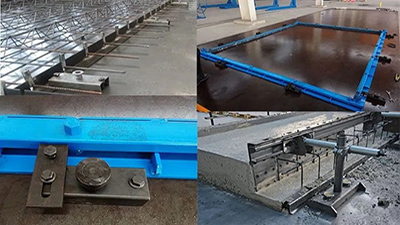
Precast concrete magnets (also known as embedded magnets or concrete embedded magnets) are widely used in construction, industrial equipment, exhibitions and other fields to fix, hang or dock metal parts. Choosing the right precast concrete magnet requires comprehensive consideration of multiple technical indicators to ensure its performance, durability and safety. The following are some important influencing factors:


1. Magnet pulling force (adsorption force) The pulling force of the magnet is the core indicator, which directly determines its load-bearing capacity.

Things to note when purchasing:

Clear requirements: Determine the required pulling force according to the actual application scenario (such as hanging tools, fixed steel structures, exhibition props, etc.). Common specifications range from tens of kilograms to hundreds of kilograms.

Test standard: Magnet pulling force is usually marked as "vertical pulling force" or "shear force", and the test conditions (such as how thick the steel plate is in contact with) need to be confirmed.

Safety margin: It is recommended to choose a model with a pulling force 20%-30% higher than the actual demand to cope with dynamic loads or magnetic attenuation after long-term use.


2. Shell material

The magnet shell needs to have the dual functions of protecting the magnet and facilitating installation. Common materials include:

Stainless steel (such as 304/316): Strong corrosion resistance, suitable for humid or outdoor environments (such as swimming pools, coastal buildings).

Galvanized steel: High cost performance, but not as rust-proof as stainless steel, suitable for dry indoor environments.

Engineering plastics: Lightweight and insulating, but with low load-bearing capacity, mostly used for electronic equipment or temporary fixation.

Recommendation: Stainless steel shells are preferred, especially in humid, acidic and alkaline environments.


3. Rust prevention and sealing treatment

Prefabricated magnets are embedded in concrete for a long time, so rust prevention is crucial:

Surface treatment: Check whether it has been nickel-plated, epoxy-coated or passivated to resist alkaline corrosion of concrete.

Sealing design: High-quality magnets will use rubber rings or glue-filling technology to prevent moisture from penetrating into the magnet.

Weather resistance: For outdoor use, products with IP65 or above protection level must be selected.


4. Ease of installation and removal

Prefabricated magnets need to be embedded before concrete pouring, and the installation method affects the ease of construction:

Threaded hole design: allows the position to be adjusted with bolts later, suitable for scenarios that require flexibility.

Welded brackets or anchors: suitable for heavy-duty fixation to ensure that the magnets do not shift in the concrete.

Embedded vs. surface installation:

Embedded: The magnets are completely embedded in the concrete, with a flat surface, suitable for floor or wall applications.

Surface installation: The magnets are exposed, which is easy to replace, but may affect the appearance and safety.

Purchase advice: Confirm the thickness of the concrete pouring and ensure that the magnets are embedded deep enough (usually ≥50mm).

If later adjustment is required, choose models with threaded or removable designs.


5. Temperature and environmental adaptability

Different magnet materials have different temperature sensitivities:

NdFeB: The strongest magnetic force, but high temperature (>80°C) may cause demagnetization.

Ferrite: High temperature resistant (up to 250°C), but weak magnetic force.

AlNiCo: Good high temperature stability, but high cost.

Purchase suggestions:

Avoid using NdFeB in high temperature environments (such as workshops and boiler rooms), and use ferrite or AlNiCo magnets instead.


Other key considerations

Anti-vibration design: If used in vibrating equipment, the magnets need to have cushioning rubber or a locking mechanism.

Certifications and standards: Check for compliance with industry standards such as ISO 9001, CE or ASTM.

Supplier reputation: Choose a professional manufacturer like LSC to ensure material authenticity and after-sales service.

In industrial environments where hazardous materials are handled,ensuring safety is of utmost importance.Steel explosion-proof rolling shutter doors are designed to provide unparalleled protection against explosions,fires,and structural collapses.But how exactly do they work?Let’s take a closer look.


These doors are made of reinforced steel,capable of withstanding extreme pressures and high temperatures.Their multi-layered structure combines fire-resistant materials with impact-absorbing mechanisms to form a barrier that prevents the spread of explosions.Stainless steel explosion-proof door doors also feature a sealed design that prevents toxic smoke and debris from escaping hazardous areas,protecting personnel and equipment.


A key advantage of these doors is their automatic response system.Equipped with sensors,the doors can be activated immediately in an emergency,closing off the area within seconds.This rapid response helps to minimize damage and ensures compliance with strict safety regulations.Moreover,their durable steel construction is resistant to corrosion,making them ideal for industries such as oil and gas,chemical plants,and pharmaceuticals.


In summary,steel explosion-proof rolling shutter doors are specifically designed to withstand the extreme conditions that may arise from potential explosions.The robust steel structure provides a strong barrier to contain blasts and prevent the spread of dangerous gases or flames.The rolling shutter mechanism allows for quick and efficient operation,enabling the door to close rapidly in emergencies to seal off hazardous areas and protect people and property.

Steel fire-resistant roller shutters and standard steel roller shutters both fall under the category of roller shutters and share the same steel material. Despite their similar names, these two types of shutters serve distinct purposes. Below is an analysis of their key differences:


Different Usage Scenarios

Steel fire-resistant roller shutters are primarily installed in commercial spaces such as shopping malls, supermarkets, and underground parking garages. Underground environments are often damp, making inorganic fabric-based shutters unsuitable due to moisture absorption. These shutters are designed to prevent the spread of flames in large fire zones where traditional fire doors cannot be used. They are critical for protecting lives and property and are typically integrated into a building’s internal fire safety partitions.

Standard steel roller shutters, on the other hand, are far more common. They are widely used for storefronts and residential garages, primarily serving as security barriers against theft and external threats. They are generally installed on building exteriors.


Motor and Wiring Differences

Steel fire-resistant shutters use explosion-proof and fire-resistant motors with a minimum protection rating of IP55. In contrast,standard steel shutters rely on ordinary motors with lower protection ratings (e.g.,IP23 or IP44), which are inadequate for fire hazards.

The explosion-proof motor’s wiring system includes a sealed junction box with high-density gaskets, and internal motor windings are fully enclosed to prevent spark generation. Power supply connections feature extended, movable flame-retardant conduits with threaded interfaces, ensuring compatibility with fire-rated electrical conduits. This design achieves complete fire-resistant sealing.


Filler Material Variations

Fireproof explosion-proof shutter doors use hollow, bent steel slats without internal fillers.Fire-resistant steel shutters, however, incorporate asbestos—a flame-retardant and heat-insulating material—within their slats. Asbestos is chosen for its high tensile strength, flexibility, resistance to chemical and thermal erosion, and electrical insulation properties. Its presence directly determines the shutter’s fire resistance performance.


Control System Distinctions

Standard steel shutters may operate manually or via basic motorized controls, with independent physical or motorized switches. If the motor fails, manual operation remains an option.

Fire-resistant steel shutters, however, are integrated into a building’s central fire control system. During emergencies, these shutters automatically activate upon receiving signals from the fire control center, ensuring coordinated fire response.

The above points outline the critical differences between steel fire-resistant roller shutters and standard steel roller shutters. Understanding these distinctions helps clarify their respective roles in safety and functionality. Fire-resistant shutters prioritize life safety and regulatory compliance, while standard shutters focus on convenience and basic security.

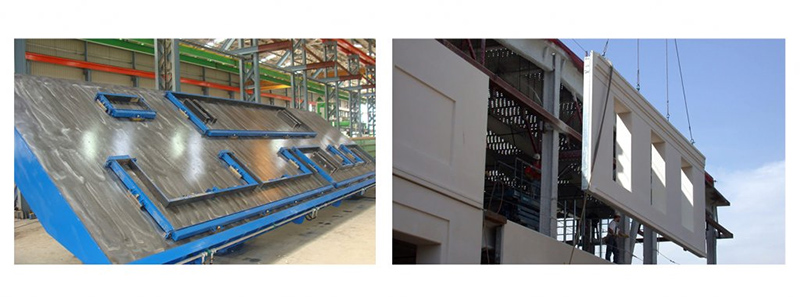
Precast concrete is widely used in modern buildings due to its high efficiency, durability and economy. As a key component for the transportation and installation of precast components, lifting anchors directly affect construction safety and efficiency.


precast concrete lifting anchors


What are precast concrete lifting anchors?

Lifting anchors are pre-buried or post-installed load-bearing components used to lift and install precast concrete components (such as wall panels, beams, columns, composite slabs, etc.). It must have sufficient strength to withstand dynamic loads during lifting, transportation and installation.


Main types of lifting anchors

1. Pre-embedded anchors: embedded before concrete pouring

- Lifting Loops – suitable for vertical lifting (such as wall panels, stairs).

- Threaded Inserts – can be connected to the lifting anchor by bolts after the concrete hardens.

- Plate Anchors – used for heavy components (such as beams and columns).

2. Post-installed anchors: installed after the concrete hardens

- Bolt-on Anchors – fixed by high-strength bolts.

- Undercut Anchors – provide high pull-out resistance.

3. Special anchors

- Swivel Anchors – allow angle adjustment during lifting.

- Lifting Clutches – suitable for double T-slabs and hollow slabs.


Key design points

1. Load calculation

- To consider:

- Static load (self-weight of component)

- Dynamic load (hoisting impact, usually calculated as 2 times of static load)

- Safety factor (generally ≥3, in accordance with EN 1992-4 or ACI 318)

2. Anchor arrangement

- Should be located at the center of gravity of the component to avoid tilting.

- Multiple anchors need to be evenly stressed to prevent local overload.

3. Concrete strength - The anchor depth must meet the pull-out requirements.

- The concrete strength during hoisting must reach the design value (usually ≥20MPa).

4. Anti-corrosion treatment

- For outdoor or corrosive environments, hot-dip galvanized or stainless steel anchors should be used.


precast concrete lifting anchorsprecast concrete lifting anchors


Installation specifications and precautions

1. Construction according to specifications - strictly follow the burial depth and spacing requirements provided by the manufacturer.

2. Inspection before lifting - confirm that the anchor is free of cracks, deformation or rust.

3. Matching lifting equipment - the rated load of the sling and shackle must be greater than the weight of the component.

4. Smooth lifting - avoid sudden acceleration or sudden stop to reduce impact force.

5. Post-processing - exposed anchors need to be removed or protected from rust.


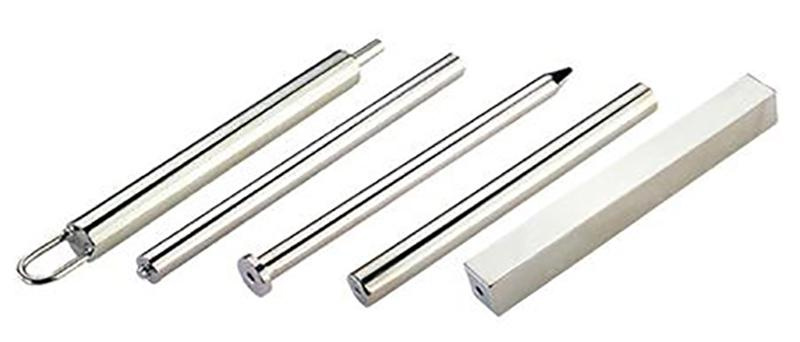
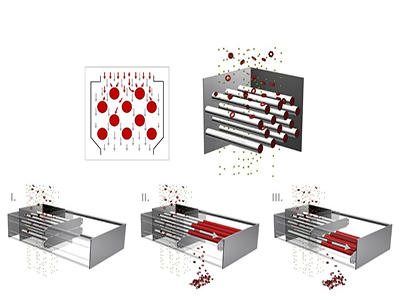
Magnets are an integral part of our daily lives, found in everything from refrigerator magnets to high-tech medical devices. But did you know that there are three main types of magnets? Understanding these three main types of magnets and their properties can help us make smarter choices in our daily lives and work. Whether it's the long-lasting stability of permanent magnets, the flexible controllability of electromagnets, or the instant response of temporary magnets, each type has its own unique advantages and application scenarios. With the development of materials science, magnets in the future will become more powerful, efficient, and environmentally friendly.


magnets


1. Permanent magnets (permanent magnets)

Permanent magnets are the most common type of magnets. They can maintain magnetism for a long time without the help of external power.

The main characteristics are: Once magnetized, they can maintain magnetism for a long time, do not require external energy to maintain the magnetic field,

Have fixed north and south poles

Common types:

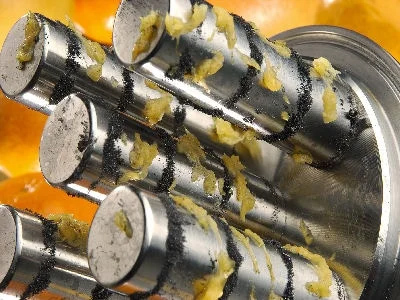
- Neodymium magnets (rare earth magnets): the strongest permanent magnets currently, composed of neodymium, iron and boron

- Ferrite magnets (ceramic magnets): low cost, corrosion resistance, but weak magnetism

- Alnico magnets: high temperature resistance, but easy to demagnetize

Application areas:

- Speakers and headphones

- Motors and generators

- Magnetic therapy products

- Fridge magnets and toys

Advantages and disadvantages:

- Advantages: easy to use, no energy required, good stability

- Disadvantages: fixed magnetic strength, may demagnetize at high temperatures


2. Electromagnet

An electromagnet is a temporary magnet that generates a magnetic field through an electric current. When the current is interrupted, the magnetic field disappears.

Its working principle is as follows: an electromagnet consists of a coil of wire wrapped around an iron core. When current passes through the coil, a magnetic field is generated, and the iron core strengthens this magnetic field.

Features: The magnetic field strength can be adjusted by the current size, the direction of the magnetic pole can be changed by the current direction, and it only exhibits magnetism when power is applied

Application areas:

- Cranes (for handling scrap metal)

- Magnetic resonance imaging (MRI) equipment

- Relays and contactors

- Particle accelerators

Advantages and disadvantages:

- Advantages: The magnetic field strength is adjustable and can be turned on/off at any time

- Disadvantages: Requires continuous power supply and may generate heat


3. Temporary magnets

Temporary magnets are materials that exhibit magnetism under certain conditions. When the conditions disappear, the magnetism will also weaken or disappear.

Main characteristics: only exhibit magnetism when an external magnetic field exists, usually made of soft magnetic materials, easy to magnetize and demagnetize

Common materials:

- Soft iron

- Certain stainless steels

- Nickel and its alloys

Application areas:

- Core materials for electromagnets

- Transformer cores

- Temporary magnetic tools

- Magnetic shielding materials

Advantages and disadvantages:

- Advantages: easy to control, low energy loss

- Disadvantages: cannot maintain magnetism for a long time


How to choose the right magnet? When choosing a magnet type, the following factors need to be considered:

1. Required magnetic field strength: strong magnetic field applications may require neodymium magnets or electromagnets

2. Use environment: high temperature environments may require AlNiCo magnets

3. Cost considerations: ferrite magnets have the lowest cost

4. Whether adjustment is required: electromagnets should be selected for applications that require magnetic adjustment


Fire incidents can cause significant damage to properties and pose a risk to lives. To enhance fire safety, the installation of fire protection and insulation shutter doors is crucial.

Fireproof rolling shutter doors require two key characteristics: integrity and insulation.

1. Integrity: Integrity refers to the ability of a fire door to maintain its structural stability during a fire. Fire Protection and Insulation Shutter Doors are designed with materials that can withstand high temperatures and prevent the spread of flames, gases, and smoke to adjacent areas. The integrity of these doors acts as a barrier, limiting the fire's impact and providing valuable time for evacuation.

2. Insulation: Insulation plays a crucial role in minimizing heat transfer during a fire. Fire Protection and Insulation Shutter Doors are constructed with insulating materials that can resist heat transmission. This insulation property helps to control the temperature on the non-fire side of the door, protecting people and property from the intense heat generated by the fire.

The integration of integrity and insulation in fireproof rolling shutter doors offers several important benefits:

1. Controlling Fire Spread: Fire Protection and Insulation Shutter Doors with high integrity and insulation significantly reduce the spread of fire, smoke, and heat. This containment limits damage to adjacent areas and allows occupants more time to evacuate safely.

2. Enhancing Evacuation Safety: Fireproof rolling shutter doors with integrity and insulation provide vital escape routes during a fire emergency. They promote safe and efficient evacuation by preventing the rapid spread of flames and reducing the risk of exposure to toxic gases and excessive heat.

3. Protecting Property: The combination of integrity and insulation in Fire Protection and Insulation Shutter Doors helps safeguard property and minimize fire damage. By preventing the fire from spreading rapidly, valuable assets and infrastructure within the building can be preserved to a greater extent.

Fire incidents pose a significant threat to human lives and property safety. In the quest for effective fire safety measures, fireproof roller shutters have emerged as a reliable security solution. This article aims to explore the features and significance of fireproof roller shutters in ensuring the safety and protection of buildings.

Features of Fireproof Rolling Shutter Doors:

Fireproof roller shutters are specifically designed to prevent the spread of fire in case of an emergency. Compared to regular roller shutters, fireproof roller shutters possess the following features:

1. Fire and Smoke Barrier: Fireproof roller shutters effectively block the spread of fire and toxic smoke, thereby isolating the fire incident and providing a crucial window of time for safe evacuation.

2. High-Temperature Resistance: Constructed with fire-resistant materials, fireproof roller shutters can withstand high temperatures for extended periods, ensuring the structural integrity of buildings.

3. Automatic Control System: Many fireproof roller shutters are equipped with an automatic control system. They can be triggered by fire alarms or manually operated to swiftly close the shutter, preventing the fire from spreading further.

Importance and Applications:

Fireproof roller shutters play a vital role in numerous types of buildings. They find widespread application in the following contexts:

1. Commercial Buildings: Buildings with high foot traffic such as shopping malls, hotels, and office complexes require fireproof roller shutters to facilitate safe evacuation of employees and customers during fire emergencies.

2. Industrial Facilities: Factories, warehouses, and similar facilities often store flammable materials. Fireproof roller shutters effectively restrict the spread of fire, safeguarding both property and employees.

3. Public Facilities: Safety in public facilities like hospitals, schools, and airports is of paramount importance for protecting lives. Fireproof roller shutters provide emergency evacuation routes, minimizing harm to individuals during fire incidents.

  Industrial high-speed doors are also known as high-speed rolling shutter doors. They are favored for their high opening speed, excellent sealing performance and diverse application fields. Currently, the commonly used high-speed doors mainly include PVC high-speed doors, rigid high-speed doors, cold storage high-speed doors, stacking high-speed doors and anti-collision high-speed doors.

PVC High-Speed Doors

  The operating speed of PVC high-speed doors can reach 1.2 m/s, and they can be opened 500 - 800 times a day with a long service life. The door curtain is made of single-layer industrial fabric, mainly composed of polyvinyl chloride (PVC). It has the characteristics of high strength, wear resistance, corrosion resistance and good insulation. The door curtain can also be customized in different colors such as blue, white, red, gray and fully transparent. Due to the influence of the door curtain material, it is not used alone as an exterior door. It is suitable for places such as the food, pharmaceutical, precision metal, textile, warehousing and logistics industries to play a role in sealing and partitioning. Various intelligent sensing devices such as radar, remote control, geomagnetic, pull rope, Bluetooth opening, face recognition, card swiping access control and AGV linkage can be optionally installed to meet the needs of various different scenarios.

Rigid High-Speed Doors

  Rigid high-speed doors are also called turbo rigid shutter doors. The opening speed can reach 1.0 to 1.2 m/s, and the closing speed is 0.6 m/s. The structure of the turbo rigid shutter door mainly consists of the door body, driving device, sealing system, control system and safety protection system. The door panel is made of 0.7 mm thick double-layer high-strength aluminum alloy material. The surface has pressed stripes, and the middle is filled with high-density polyurethane foam. The total thickness of the door panel is 43 mm. The track adopts a galvanized plate double-helix guide rail. The door body has a non-contact rolling-up technology and is safely rolled into the spiral track. There is no friction, the door body runs fast, smoothly and quietly, and there is no wear, which greatly extends the service life of the door body. Multiple opening methods such as radar, geomagnetic, pull rope, remote control, Bluetooth opening and face recognition, card swiping access control can be selected.

Cold Storage High-Speed Doors

  Cold storage high-speed doors are usually installed in warehouses below zero degrees Celsius. For a normal doorway of 2 - 3 meters, it takes 2 seconds to complete the opening and 3 seconds to complete the closing. Cold storage high-speed doors use multi-layer double-sided high-strength polyester fiber with a thickness of more than 30 mm, which can perform good internal and external heat insulation and heat preservation. Heating wires are installed at the guide rails to effectively prevent water vapor from freezing and affecting the operation of the high-speed rolling shutter door. When the cold storage high-speed rolling shutter door is opened, it is linked with the air curtain machine, which can effectively remove water droplets on the surface of the door curtain and prevent the door curtain from freezing. It can be connected to multiple opening methods such as geomagnetic, radar and pull rope. It is also equipped with various safety devices, such as safety light curtains, airbags, anti-collision columns and door-shaped anti-collision columns, to ensure the safe operation of the door body.

Anti-Collision High-Speed Doors

  Anti-collision high-speed doors are also called zipper-type high-speed doors. Their opening and closing speeds can reach 1.2 m/s. The appearance of anti-collision high-speed doors is almost the same as that of PVC high-speed doors. The zipper high-speed rolling shutter door adopts a side zipper structure with a reset mechanism. If the door curtain of this structure falls off the track, for example, due to human impact or accidental collision resulting in the derailment of some connections of the door curtain, its self-repairing system will automatically guide the door curtain back onto the track in the next operation cycle. After the track restoration is completed, the door can still operate normally without manual repair. It has high durability and saves maintenance costs.

Stacking High-Speed Doors

  Stacking high-speed doors are also called wind-resistant stacking doors. The opening speed is generally 0.6 - 0.8 m/s. They adopt a folding lifting method, and the door curtain can be stacked together when opened, reducing the occupied space. Stacking high-speed doors use multiple built-in horizontal wind-resistant levers, and the wind pressure can be evenly distributed across the entire door curtain. This design enables them to resist high wind speeds, and their wind resistance is stronger than that of other high-speed doors. They are especially suitable for logistics passages and large factory openings.

  Industrial high-speed doors are a type of doors with diverse functions. According to different application scenarios and requirements, different types of industrial high-speed doors can be selected. The characteristics of these types of industrial high-speed doors are different, but they can all provide users with functions such as fast opening and closing, energy saving and high efficiency, wind protection, dust prevention, insect prevention and heat preservation, providing important guarantees for the industrial and commercial fields.

keyboard_arrow_up