In the demanding world of telecommunications infrastructure, where the failure of a single tower can disrupt networks for millions, the choice of support structure is a critical engineering decision. When the application involves heavy loads—such as massive 5G MIMO antennas, large parabolic microwave dishes, or the combined equipment of multiple network operators—standard designs often reach their limit. For these mission-critical, high-capacity scenarios, the 4-legged angle steel tower stands apart, offering a level of stability and load-bearing capacity that is truly unbeatable. This superiority is not accidental; it is the direct result of fundamental structural mechanics and deliberate design optimization.
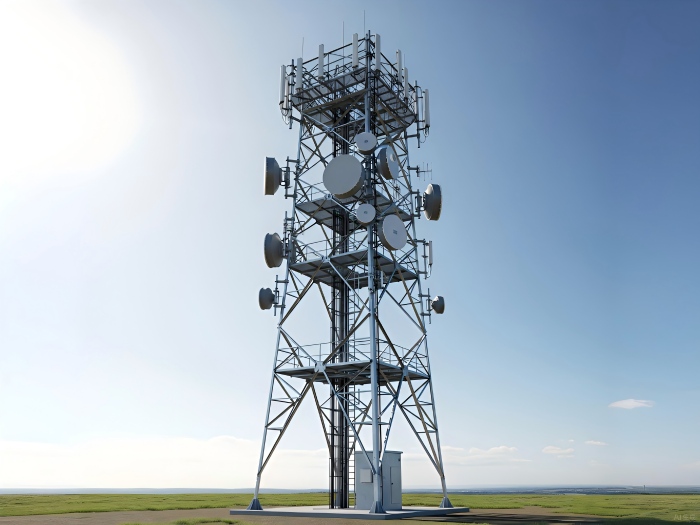

angle steel tower


The Geometry of Strength: A Foundation of Inherent Stability

The core advantage of the 4-legged, or quad-legged, design lies in its geometry. This configuration creates a structure with exceptional torsional rigidity and a highly efficient load path.

  1. · Superior Moment Resistance: The wide, rectangular or square base formed by the four legs provides an enormous lever arm to resist overturning moments caused by high winds or asymmetric antenna loading. This is quantified in engineering as a high "polar moment of inertia."

  2. · Optimal Load Distribution: Vertical loads from equipment weight and ice accumulation are channeled directly down the four primary legs. More importantly, lateral forces from wind are transformed into predictable axial loads (tension in one leg, compression in the opposite) within the tower's robust bracing system. This efficient distribution prevents localized stress concentrations that can lead to fatigue or failure.

  3. · Redundant Load Paths: Unlike a monopole, which is a single, critical element, the 4-legged lattice design is a highly redundant system. The network of horizontal and diagonal bracing members between legs creates multiple pathways for forces to travel, ensuring structural integrity even in the unlikely event of a minor component issue.
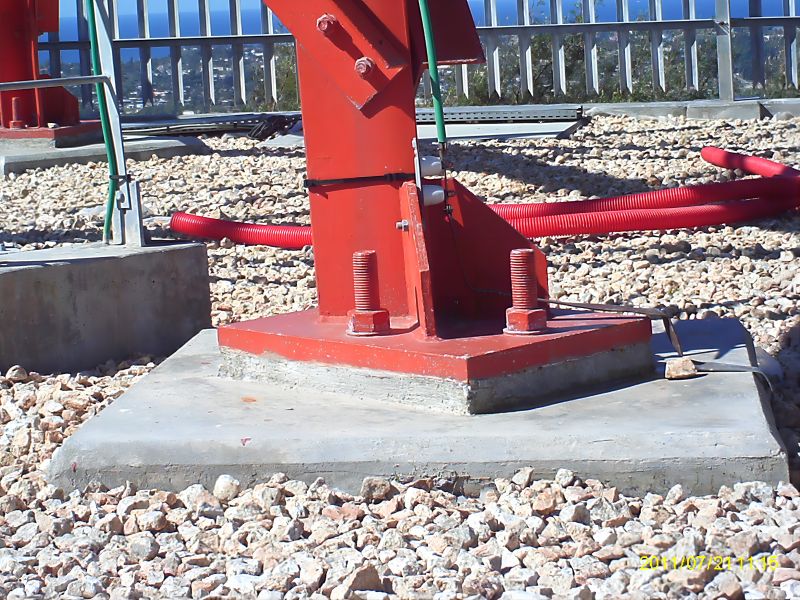

angle steel tower


Engineered for Extreme Environmental Loads

Heavy-load applications are defined not just by the weight of the equipment but by the severe environmental forces the tower must withstand. The 4-legged design is uniquely suited for this challenge.

  1. · Conquering Wind Loads:
    High winds are the dominant dynamic force on any tall structure. For a tower laden with large, sail-like antennas, this force is magnified. The 4-legged lattice tower combats this through aerodynamics and strength. Its open-frame design allows wind to partially pass through, significantly reducing the overall wind pressure coefficient compared to a solid-sided monopole of equivalent capacity. The triangulated bracing system then effectively transfers these reduced but substantial forces down to the massive foundation, minimizing sway and preventing the destructive dynamic vibrations that can affect radar or microwave signal precision.

  2. · Supporting Massive Ice Loads:
    In cold climates, radial ice accumulation on antennas, cables, and the tower itself can add tons of extra weight. The 4-legged tower's design inherently accommodates this. Its formidable structural capacity is calculated with significant ice-loading scenarios in mind (as per standards like TIA-222 or EN 1993-3-1). The tower's ability to handle this immense additional dead load, combined with the increased wind drag from iced profiles, is a key factor in its selection for harsh environments.
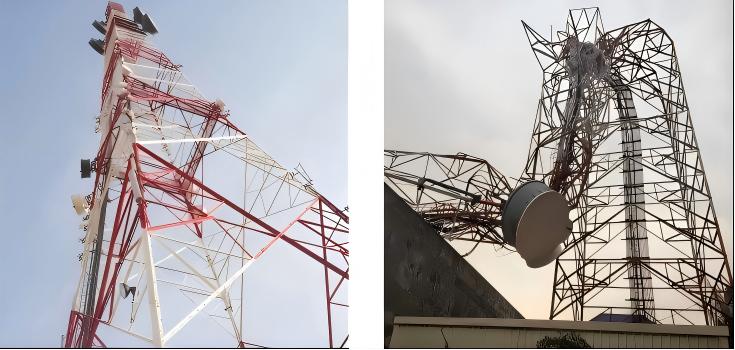

self support tower


The Ideal Host for Multi-Operator and High-Capacity Sites

The modern telecommunication landscape is defined by shared infrastructure and dense equipment arrays. This is where the 4-legged tower transitions from a strong option to the only viable one.

  1. · Unmatched Platform Real Estate: The four-cornered structure provides abundant space for mounting platforms at multiple elevations. This allows for the clear vertical and horizontal separation of antennas from different operators (a practice known as "sectorization"), which is crucial to prevent radio frequency interference. A single 4-legged tower can comfortably host the complete suite of 2G, 3G, 4G, and 5G equipment for three or more carriers, alongside multiple microwave backhaul links.

  2. · Heavy Antenna Support: Next-generation equipment, such as 5G Massive MIMO antenna arrays and full-band radios, are notably heavier and bulkier than their predecessors. The robust structural nodes and connection points of a 4-legged tower are designed to handle these concentrated loads safely, without the deflection or creep that could misalign sensitive microwave signals over time.

  3. · Future-Proofing and Expansion: The lattice framework is inherently modular. Adding new platforms, extending height, or reinforcing specific sections to carry next-generation equipment is a straightforward engineering task. This scalability protects the long-term investment in the site.


self supporting towers


Conclusion: The Benchmark for Mission-Critical Infrastructure

When the requirement is for absolute reliability under the heaviest equipment loads and most severe environmental conditions, the decision is clear. The 4-legged angle steel tower delivers unbeatable stability through its optimal geometric efficiency, superior load distribution, and immense structural redundancy. It is the engineering benchmark for hosting multi-operator networks, large-scale microwave hubs, and future technologies, ensuring that vital communication links remain operational for decades. In the world of heavy-load applications, it is not merely a choice but the definitive solution for stability and longevity.
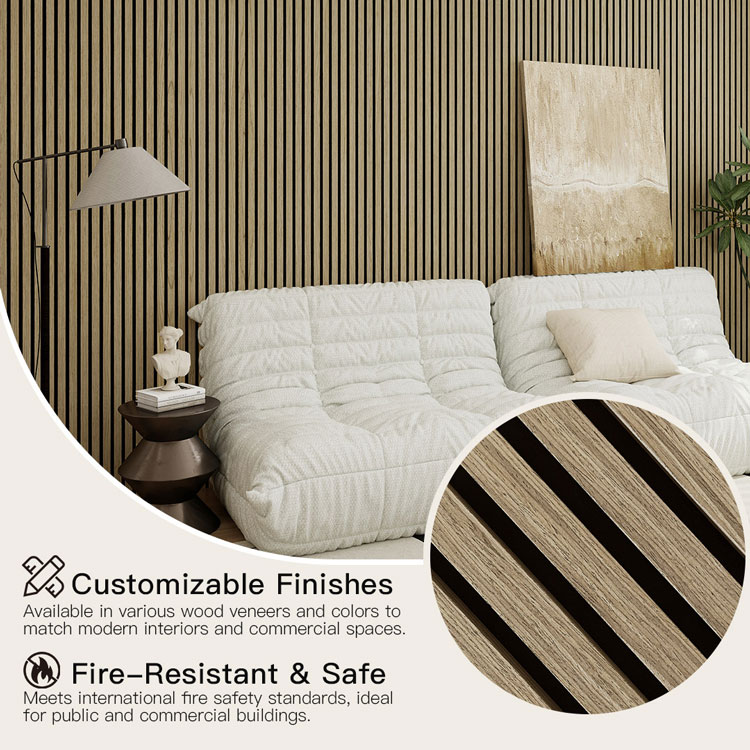
Yes—you can significantly reduce noise from your upstairs neighbor, especially footsteps and impact sounds like objects falling. While achieving 100% soundproofing without altering the structure is difficult, suitable sound-absorbing materials can significantly improve comfort and quietness.

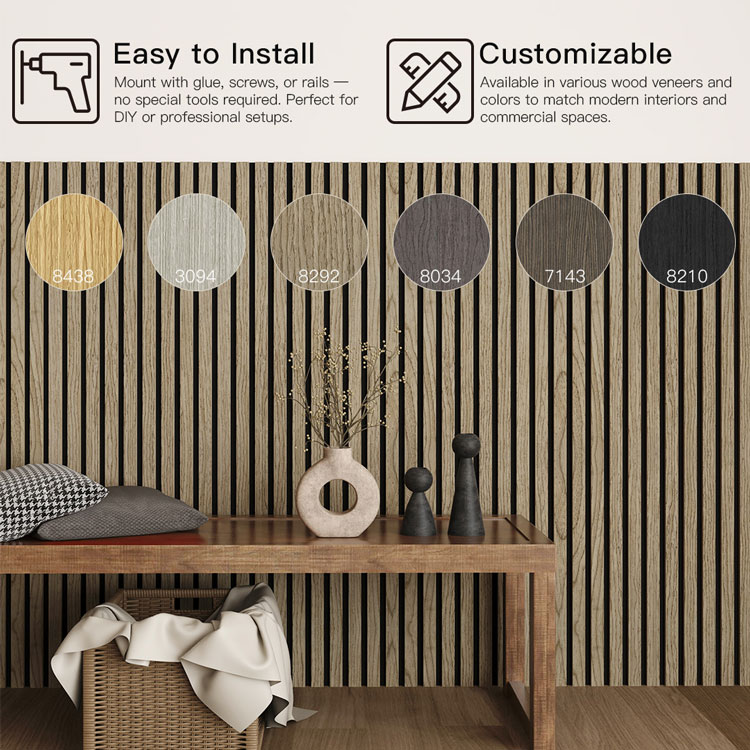
Wholesale High-Quality Acoustic Wood Slat Panels for Sale

🎧 How to Effectively Soundproof Your Ceiling


Here are the most effective methods:


✔ 1. Add Sound-Absorbing Panels


High-density sound-absorbing panels help absorb reflected noise, reducing the sound you hear.


Our PET sound-absorbing panels and wood strip wall/ceiling panels combine sound absorption with aesthetic appeal.


✔ 2. Create a Freestanding Ceiling


Installing a suspended or floating ceiling helps block impact sounds.


Even better when used with soundproofing materials.


✔ 3. Increase Mass


Using high-density boards or layers of high-density materials helps block airborne noise.


✔ 4. Seal Gaps


Even the smallest gaps can allow sound to pass through. Proper sealing can improve overall performance.v

Acoustic panels aren't just for recording studios—they're a powerful upgrade for any home looking to reduce noise, improve sound quality, and enhance interior design. Here are some of the best ways to use acoustic panels in your home!

Top Manufacturer and Wholesaler of Acoustic Wood Slat Panels

🛋 1. Living Room


Reduce echoes, make conversations clearer, and enhance the sound of your home theater system.


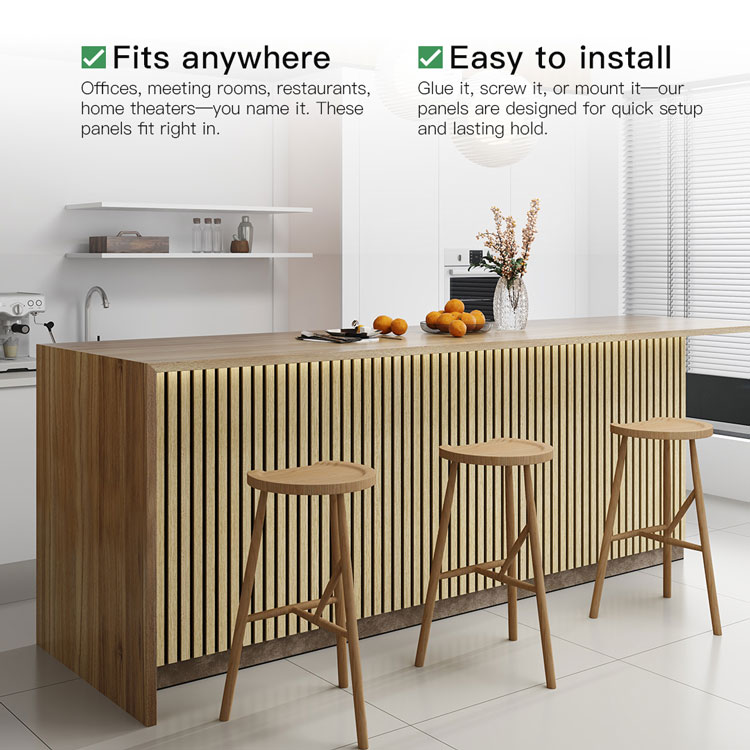
Liyin wood strip acoustic panels combine aesthetics and performance to create a comfortable and modern living space.


🎶 2. Home Theater or Media Room


Acoustic panels absorb excess reflected sound, delivering cinematic-quality clarity.


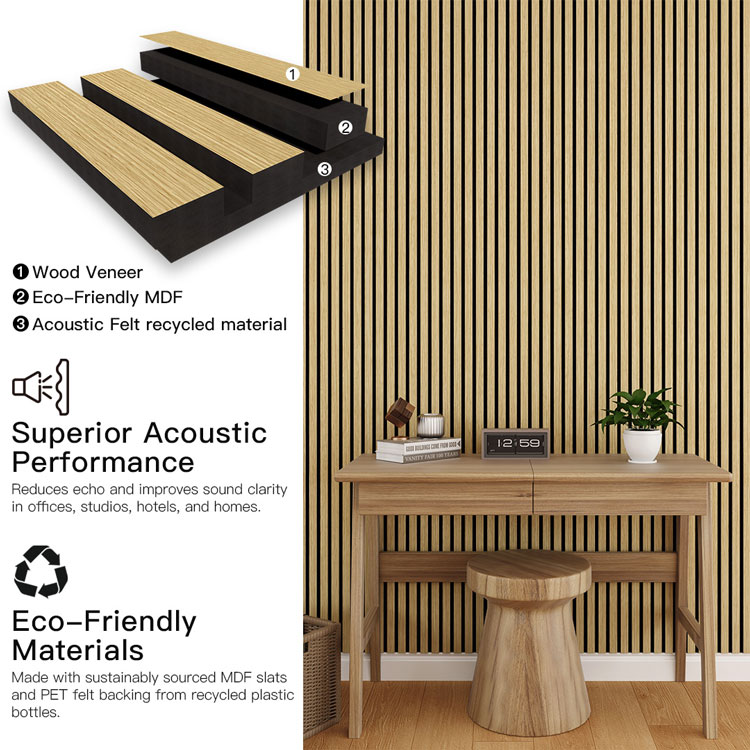
Our high-density MDF and PET felt construction provides deep sound absorption while maintaining a premium aesthetic.


🧑‍💻 3. Home Office


Working from home? Benefits of Acoustic Panels:


Reduces interference


Improves call clarity


Creates a professional, sophisticated background


Perfect for video conferencing and a quiet, efficient work environment.


🎧 4. Bedroom


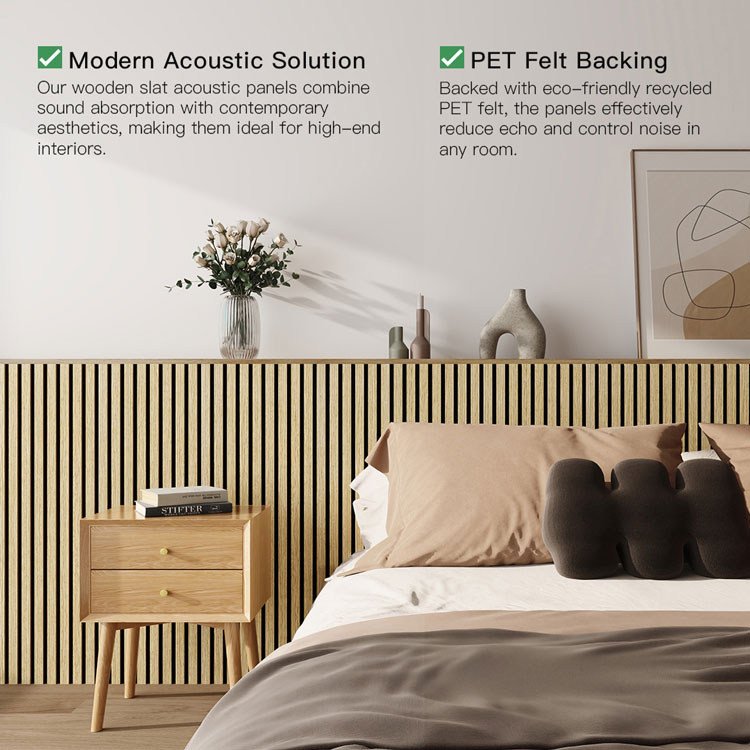
Improves sleep quality by reducing external noise and suppressing echoes.


Liyin Acoustic Panels create a calm and quiet atmosphere, ideal for relaxation.


🎤 5. DIY Music Room or Hobby Area


Whether you're playing guitar or recording a podcast, acoustic panels can:


Improve room acoustics


Reduce noise propagation


Enhance your auditory experience


Liyin Acoustic Panels are favored by musicians, content creators, and enthusiasts worldwide.


👶 6. Children's Room and Play Area


Acoustic panels help soften the noise of playtime while adding a safe, modern design element to the room.

In short: They don't completely stop it—but they can significantly improve sound insulation.


Acoustic panels are designed to absorb indoor sound, reduce echoes, and prevent excessive reverberation. While they don't completely block sound, they do reduce overall noise energy, meaning less sound leaks out through walls, ceilings, and doors and windows.

Customizable Acoustic Wood Slat Panels Supplier

🎧 How acoustic panels help prevent noise leakage


✔ Reduce echoes and reverberation


When sound is absorbed instead of reflected, fewer sound waves reach the walls and escape outside.


✔ Reduce overall room volume


By absorbing mid-to-high frequency noise, acoustic panels help reduce the sound heard by neighbors or in other rooms.


✔ Control specific types of noise


Especially effective for talking, television noise, musical instrument sounds, and office environments.


To achieve complete sound insulation, soundproofing panels can be used in conjunction with the following materials:


🔸 Door seals


🔸 Thickened soundproofing felt


🔸 Double-layer gypsum board


🔸 Shared soundproofing materials within the wall structure

In short: They cannot completely block sound, but they can effectively reduce noise.


Doors are often the weakest link in a soundproofing system. Hollow cores, gaps, and thin surfaces allow sound to easily penetrate. Sound-absorbing panels can improve this, but only in certain areas.

Acoustic Wood Slat Panels from Reliable Manufacturer

🔊 What benefits do sound-absorbing panels bring to doors?


✔ Reduced echoes and sound reflections


Installing sound-absorbing panels on doors absorbs indoor sound, reducing noise that would otherwise be reflected onto the door.


✔ Improved privacy


By reducing internal reverberation, less sound reaches the door and leaks out.


✔ Quick, aesthetically pleasing, and convenient installation


Sound-absorbing panels—especially wood strip sound-absorbing panels with PET felt—instantly improve soundproofing comfort and aesthetics, even on doors.


🚫 Limitations of soundproofing panels


Soundproofing panels cannot block strong external noise that passes through the door.


To truly achieve sound insulation for your door, you may need:


Door seals


Bottom door seals


Solid door


Soundproofing materials


Combining these materials with soundproofing panels will yield even better results.

Absolutely—and they are one of the most effective ways to improve the comfort of your apartment.


If you live in an apartment, you know how common noise problems are:

Custom Solutions Acoustic Wood Slat Panels

🔊 Living room echo


🔊 Neighbors' footsteps or voices


🔊 Traffic noise entering the room


🔊 Poor sound quality on the phone, TV, or music


While soundproofing panels can't completely block building noise, they do make a significant improvement in several important areas.


🎧 How soundproofing panels improve the acoustics of your apartment


✔ Reduce echoes and reverberation


Hard surfaces produce noisy reflections. Soundproofing panels—especially wood slats backed with PET felt—absorb sound, instantly quieting your space.


✔ Improve indoor privacy


By reducing sound reflections within a room, conversations, TV sounds, and everyday activity are less likely to travel through walls.


✔ Enhance work and leisure comfort


Perfect for:


💼 Home office


📺 TV wall


🎶 Music corner


🛏 Bedroom


🐶 Pet-friendly home (reduces dog barking echo)


✔ No major construction required


Sound-absorbing panels are ideal for apartments:


Easy to install


Easy to remove


No major renovations required


Stylish and modern

Living next to noisy neighbors can be annoying—but with the right soundproofing strategies, you can create a quieter, more comfortable space. Here are some ways to effectively block noise from shared walls.

Custom Solutions Acoustic Wood Slat Panels

🧱 1. Increase Wall Mass


Noise can easily penetrate thin walls. Increasing wall density helps block sound.


Options include:


High-density materials


Double-layer gypsum board


High-density sound-absorbing panels


High-density MDF sound-absorbing panels, produced by Guangdong Liyin Acoustics Technology Co., Ltd., increase wall mass and enhance aesthetics.


🔊 2. Use Sound-absorbing panels to Absorb Sound


Installing sound-absorbing panels helps reduce sound reflections within the room, significantly reducing noise from the other side.


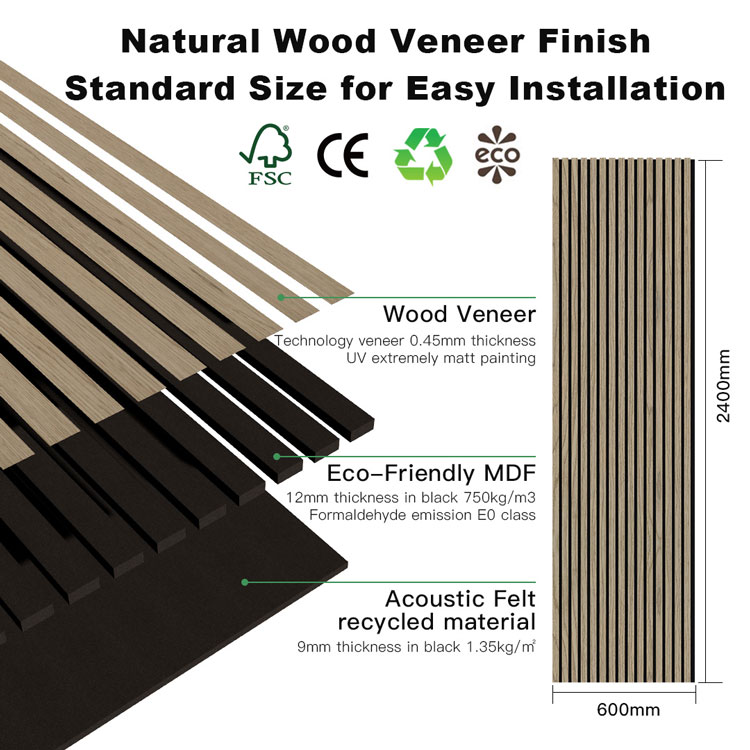
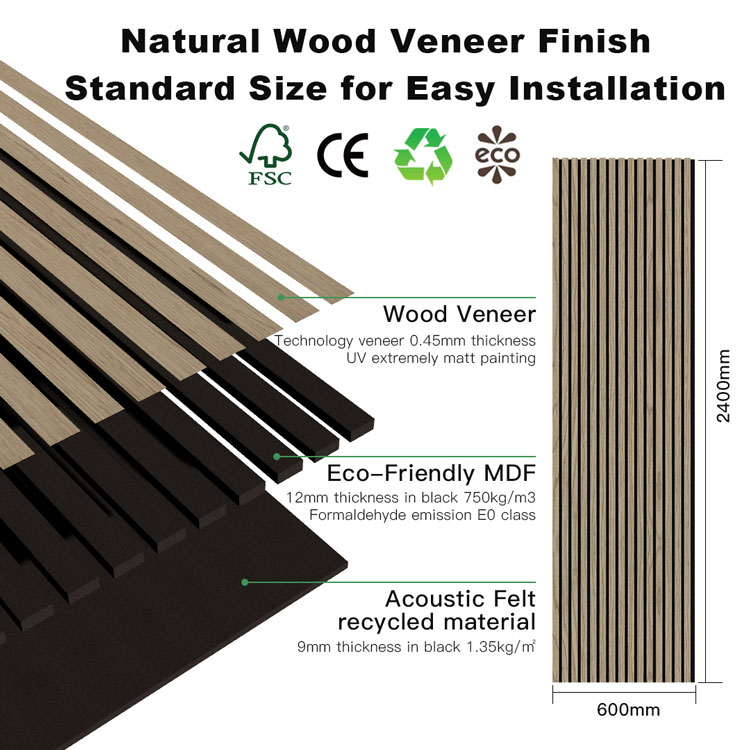
Our wood strip sound-absorbing panels combine:


✔ High-density medium-density fiberboard (MDF)


✔ Sound-absorbing PET felt


✔ Natural wood veneer


✔ Modern interior design aesthetics


Perfect for bedrooms, home offices, and apartments.


🔧 3. Seal Gaps and Cracks


Small cracks around sockets, windows, and walls can leak a lot of noise.


Seal these gaps with sealant or weatherstripping.


🛠 4. Create Air Gaps


For more severe noise problems, leave small air gaps on the back of the sound-absorbing panels.


This enhances low-frequency absorption and significantly improves sound insulation.

Neighbor noise can be annoying—footsteps, TV, conversations, even loud music. If you want to effectively insulate, reduce, or block these noises, the key is to use the right acoustic and soundproofing materials.


✔ 1. Add Sound-Absorbing Panels

Leading Acoustic Wood Slat Panel Distributor

Sound-absorbing panels help reduce echoes and control sound reflections within the room, thus reducing the impact of neighbor noise.


Liyin offers:


Wooden Strip Sound-Absorbing Panels (PET + MDF Core)


High-Density PET Sound-Absorbing Panels


Decorative Acoustic Solutions for Homes and Offices


✔ 2. Increase Wall Weight to Block Noise


To insulate or block sound, you need heavier materials.


Liyin's high-density MDF structure offers stronger sound insulation than standard MDF, helping to reduce sound propagation through shared walls.


✔ 3. Leave Air Gaps or Use Framing Strips


Leaving a small gap between the wall and the soundproofing panels can improve sound insulation.


Our soundproofing panels can be installed using either joists or clips, enhancing sound insulation without altering the interior style.


✔ 4. Sealing Gaps and Weak Points


Even small gaps can allow noise to penetrate. Seal the following areas:


Sockets


Door frames


Baseboards


Window edges


For even better sealing, use with Liyin soundproofing wall panels.


🪵 Why Choose Wood Slat Acoustic Panels?

At Guangdong Leeyin Acoustics, our wood slat acoustic panels are designed to offer both style and performance.

✔ Superior sound absorption with felt backing.
✔ Natural wood finish for modern, elegant interiors.
✔ Flexible coverage—use as partial wall designs or full feature walls.
✔ Eco-friendly and durable materials.

Our panels are widely used in homes, offices, studios, restaurants, and theaters, trusted by clients worldwide for their acoustic and visual benefits.


🏭 About Guangdong Leeyin Acoustics

As a leading manufacturer and exporter of wood slat wall panels and acoustic panels in China, Guangdong Leeyin Acoustics delivers world-class acoustic solutions.

  • 20,000㎡ modern factory with advanced technology.

  • International quality management standards for every product.

  • Strong global export presence in the acoustic panel industry.


Our mission is to provide clients with high-quality, cost-effective, and aesthetically pleasing soundproofing solutions.

Yes—and doing so is crucial for improving acoustic performance.


Many people believe that acoustic panels should be directly attached to the wall when installing them. However, leaving a small air gap behind the panel can significantly improve low-frequency absorption and enhance overall acoustics.

Premium Acoustic Wood Slat Panels Manufacturer

🔍 Why Leaving an Air Gap is Beneficial


Installing acoustic panels slightly off-wall can:


✔ Enhance low-frequency absorption


✔ Improve overall sound absorption efficiency


✔ Improve indoor acoustics without requiring additional materials


✔ Maximize the performance of wood strips and PET acoustic panels


Even a 1-2 cm gap can make a significant difference.


🎯 Best Practices from Acoustics Experts


The wood strip wall panels and PET acoustic panels designed by Guangdong Liyin Acoustics Co., Ltd. deliver superior performance whether installed flush or with an air gap. Our panels can be installed using the following methods:


Snap-on


Wooden strips


Adhesive + gaskets


Acoustic frame


This flexible installation method allows users to create their ideal acoustic environment based on space, style, and acoustic needs.


Why Choose Guangdong Liyin Acoustics Technology Co. Ltd.?

1. Industry Leadership

As a leading manufacturer and exporter of Natural Oak Acoustic Slat Panels, our company has set the benchmark in the field, delivering superior quality and innovative designs worldwide.

2. Advanced Production Facility

Our 20,000-square-meter modern factory is equipped with state-of-the-art machinery, enabling us to meet large-scale demands without compromising on quality.

3. Strict Quality Control

We adhere to international quality standards at every stage of production, ensuring every wood slat panel we produce meets the highest expectations.

4. Eco-Friendly Practices

Sustainability is at the core of our operations. From sourcing natural oak to our production methods, we are committed to protecting the environment.

5. Global Trust

Our products, including akupanel and Natural Oak Acoustic Slat Panels, are trusted by customers across the globe for their outstanding performance

If you're planning to upgrade your space with acoustic panels but are worried they might affect your WiFi signal—the good news is: acoustic panels won't block WiFi signals.

Leading Acoustic Wood Slat Panel Manufacturer & Distributor

✔ Why Acoustic Panels Won't Affect WiFi


WiFi signals can easily pass through materials commonly used in acoustic panels, including:


Medium-Density Fiberboard (MDF)


Recycled PET felt


Wood veneer or PET/PVC finish


These materials don't contain metals or dense barriers that interfere with electromagnetic signals. This means your WiFi signal will remain strong even if you install acoustic panels in your room.


⭐ What Do Acoustic Panels Affect?


They improve the acoustic comfort of a room but don't affect WiFi signals.


Liyin Wood Strip Acoustic Panels are designed to:


Absorb echoes and reduce reverberation


Improve sound clarity in homes, offices, and recording studios


Add beauty and warmth with premium wood veneer finishes


Contribute to eco-friendly building using E0 grade MDF and recycled PET materials.

keyboard_arrow_up