In today’s modern interiors—offices, restaurants, classrooms, home theaters, and open-plan homes—people often complain about the same issue:

“I can hear voices, but I can’t understand what people are saying.”

This problem is not always caused by loud noise. In many cases, it’s caused by poor acoustics, especially excessive echo and reverberation. That’s where acoustic panels become an essential solution.


In this article, we’ll explain how acoustic panels improve speech clarity, why speech intelligibility matters, and how professional solutions like wood slat acoustic panels can create a more comfortable and productive environment.

Customizable Acoustic Wood Slat Panels Supplier


Why Speech Clarity Is a Common Problem in Modern Rooms

Modern architecture often prioritizes minimalism and open space design. While this looks stylish, it also creates acoustic challenges.

Many interiors include hard reflective surfaces such as:

  • glass partitions

  • concrete walls

  • wooden floors

  • ceramic tiles

  • exposed ceilings

  • large empty walls

These materials reflect sound waves instead of absorbing them. When people speak, their voice bounces around the room and overlaps with itself, causing speech to sound unclear or “muddy.”

This is known as reverberation.


What Is Speech Clarity (Speech Intelligibility)?

Speech clarity refers to how easily listeners can understand spoken words in a space. Acoustic engineers often describe this as speech intelligibility.

A room with good speech clarity allows conversations to feel natural, even at a normal speaking volume.

A room with poor speech clarity forces people to:

  • speak louder

  • repeat themselves

  • feel tired during meetings

  • lose focus during lessons

  • misunderstand important information

Over time, this becomes a major comfort and productivity issue.


The Main Enemy of Speech Clarity: Echo and Reverberation

To understand how acoustic panels help, you first need to understand what causes poor speech clarity.

Echo

Echo is a distinct repetition of sound caused by reflections from distant surfaces.

Reverberation (Reverb)

Reverberation is the continuous buildup of reflected sound in a room. It’s more common than echo and often makes voices sound unclear.

When reverb time is too long, spoken words overlap and become difficult to understand—especially in busy environments like offices, restaurants, or classrooms.


How Acoustic Panels Improve Speech Clarity

Acoustic panels are designed to absorb sound energy rather than reflect it. This reduces sound reflections and controls reverberation.

Here’s exactly how they improve speech clarity:

1. Acoustic Panels Reduce Sound Reflections

When sound waves hit a hard surface (like glass or concrete), they bounce back into the room.

Acoustic panels reduce these reflections by absorbing sound, which prevents voice signals from bouncing and overlapping.

Result: Speech becomes sharper and cleaner.


2. Acoustic Panels Lower Reverberation Time (RT60)

Reverberation time (often measured as RT60) is the time it takes for sound to fade by 60 dB after the source stops.

A room with high RT60 makes speech sound blurred.

By installing acoustic panels, RT60 is reduced, creating a clearer listening environment.

Result: Less “room noise” and more intelligible conversations.


3. Acoustic Panels Improve the Signal-to-Noise Ratio (SNR)

In a noisy environment, the listener needs to distinguish speech from background noise. This depends heavily on the signal-to-noise ratio.

When acoustic panels absorb reflections, they reduce the buildup of unwanted noise in the space.

Result: Voices stand out more clearly from ambient sounds.


4. Acoustic Panels Reduce Voice Fatigue

In rooms with poor acoustics, people unconsciously raise their voices to be understood. This leads to vocal strain, especially in:

  • open offices

  • classrooms

  • restaurants

  • meeting rooms

Acoustic treatment helps reduce the need for shouting.

Result: Better comfort for employees, teachers, and guests.


Why Speech Clarity Matters in Different Spaces

Speech clarity is not only about comfort—it impacts performance, safety, and customer experience.

Offices and Meeting Rooms

Poor speech clarity leads to:

  • inefficient meetings

  • communication errors

  • reduced productivity

  • stress and mental fatigue

Acoustic panels help offices create a professional environment where people can communicate clearly.


Restaurants and Cafés

Many customers leave restaurants because they feel the space is too loud. Even when noise levels are not extreme, reverberation can make conversation difficult.

Acoustic panels reduce reverb and improve the dining atmosphere.

Better speech clarity = better customer satisfaction.


Schools and Classrooms

Students need to clearly understand teachers. In classrooms with high reverberation, children struggle to focus, and teachers must speak louder.

Acoustic panels help create an effective learning environment.


Healthcare Facilities

Hospitals and clinics require clear communication between staff and patients. Poor acoustics can increase stress and lead to misunderstandings.

Acoustic panels improve privacy and speech clarity in consultation rooms.


Home Theaters and Living Rooms

Speech clarity is critical when watching movies. If dialogue sounds unclear, people increase volume, which creates discomfort.

Acoustic panels can enhance sound quality and dialogue clarity.


Do Acoustic Panels Work Better Than Soundproofing for Speech Clarity?

This is a common confusion.

Acoustic Panels

  • improve sound inside a room

  • reduce echo and reverb

  • improve speech clarity

  • control reflections

Soundproofing

  • blocks sound from entering/leaving a room

  • requires heavy construction materials

  • focuses on isolation rather than clarity

For improving speech clarity, acoustic panels are the correct solution.


What Types of Acoustic Panels Are Best for Speech Clarity?

Different materials and structures affect acoustic performance.

Fabric-Wrapped Acoustic Panels

These panels absorb mid and high frequencies well, improving speech clarity. They are common in offices and schools.

Polyester Fiber Acoustic Panels

Lightweight, eco-friendly, and effective for commercial interiors.

Wood Slat Acoustic Panels

Wood slat panels combine decorative design with acoustic performance. The slats work with an acoustic felt backing to absorb sound reflections.

They are especially popular in:

  • offices

  • restaurants

  • hotels

  • conference rooms

  • retail spaces

  • modern residential interiors


Are Wood Slat Acoustic Panels Effective for Speech Clarity?

Yes. Wood slat acoustic panels are highly effective in improving speech clarity when designed correctly.

They work by combining:

  • wood slats (for diffusion and design)

  • acoustic felt backing (for absorption)

  • optional insulation behind panels (for stronger performance)

This combination reduces reflections while maintaining a premium architectural appearance.

Unlike basic foam solutions, wood slat panels are suitable for commercial environments because they are:

  • durable

  • easy to maintain

  • visually attractive

  • highly customizable


Where Should Acoustic Panels Be Installed for Better Speech Clarity?

Placement is critical. Even high-quality panels will not work well if installed incorrectly.

Best Installation Areas

  • ceilings in open-plan spaces

  • walls behind seating areas

  • side walls in meeting rooms

  • walls opposite glass windows

  • areas near noise sources (cafés, restaurants, office printers)

A common professional approach is to treat first reflection points, where sound bounces directly back into the listening area.


How Many Acoustic Panels Are Needed to Improve Speech Clarity?

There is no one-size-fits-all answer, but in most cases, improving speech clarity requires treating:

  • 20%–35% of total wall and ceiling surface area

Spaces with hard surfaces and high ceilings may require:

  • 35%–50% coverage for best results

The goal is to reduce reverb without making the room sound “too dead.”


Key Factors That Affect Acoustic Panel Performance

When selecting acoustic panels for speech clarity, consider these key factors:

Panel Thickness

Thicker panels absorb more low-frequency sound, but speech clarity mainly depends on mid-frequency control.

Density and Core Material

High-quality core materials provide stable absorption and long-term performance.

NRC Rating (Noise Reduction Coefficient)

NRC indicates how much sound a panel absorbs on average. Higher NRC usually means better echo reduction.

Installation Method

Mounting directly on walls vs. using an air gap can affect absorption performance.


Guangdong Leeyin Acoustics: Professional Manufacturer of Wood Slat Acoustic Panels

At Guangdong Leeyin Acoustics, we specialize in manufacturing premium wood slat wall panels and acoustic panels for global residential and commercial projects.

We are one of China’s leading exporters in the wood slat acoustic panel industry, providing reliable supply for importers, wholesalers, contractors, and interior designers worldwide.

Why Buyers Choose Guangdong Leeyin Acoustics

  • 20,000㎡ modern production facility

  • strong mass production capacity for large-scale projects

  • strict quality control based on international standards

  • stable veneer finishing and consistent slat alignment

  • customizable colors, sizes, and packaging

  • export-ready logistics support for global markets


Whether your project requires modern acoustic design for offices, hospitality spaces, or home interiors, we provide professional solutions that combine sound performance and architectural

Creating a high-quality home studio is not just about having the right microphone or speakers—it’s also about achieving the right acoustic environment. Even the best equipment can underperform in a room with poor acoustics.

This is where acoustic panels come in. They help control sound reflections, reduce echo, and improve recording and mixing accuracy. But with so many options available, many users ask:

How do you choose the right acoustic panels for a home studio?

In this guide, we’ll walk you through everything you need to know to make the right choice—while ensuring optimal performance and a professional-looking space.

High-Quality Supplier Acoustic Wood Slat Panels


Why Acoustic Panels Are Essential for Home Studios

Home studios are often set up in bedrooms, offices, or small rooms that were not designed for audio production. These spaces typically have:

  • Hard walls and ceilings
  • Parallel surfaces
  • Limited sound treatment

This leads to:

  • Echo and reverberation
  • Sound coloration
  • Poor recording clarity
  • Inaccurate monitoring

Acoustic panels help absorb unwanted reflections, allowing you to hear and record clean, accurate sound.


1. Understand Your Acoustic Goals

Before choosing panels, define what you want to achieve.

For Recording:

  • Reduce echo and background reflections
  • Improve vocal clarity

For Mixing:

  • Achieve accurate sound monitoring
  • Reduce frequency imbalances

For General Use:

  • Improve overall room comfort
  • Minimize noise distractions

Your goal will influence the type, thickness, and placement of acoustic panels.


2. Choose the Right Material

The material of the panel plays a major role in its performance.

Common Options:

  • Foam Panels
    Affordable but limited in performance, especially for mid-low frequencies.
  • Polyester Fiber Panels
    Durable, eco-friendly, and widely used for balanced sound absorption.
  • Mineral Wool Panels
    Excellent absorption but may require proper sealing and handling.
  • Wood Slat Acoustic Panels
    Combine acoustic absorption with modern design, ideal for users who want both performance and aesthetics.

👉 For home studios, high-density materials are recommended for better sound control.


3. Consider Panel Thickness and Density

Thickness directly affects how well panels absorb sound.

  • 25–50mm (1–2 inches): Good for high frequencies
  • 50–75mm (2–3 inches): Balanced performance
  • 75mm+ (3 inches and above): Better for low frequencies

Higher density panels provide more consistent absorption across frequencies.

👉 For most home studios, 50mm–75mm panels are a great starting point.


4. Focus on Key Placement Areas

Even the best panels won’t work effectively if placed incorrectly.

Important Placement Zones:

  • First reflection points (side walls)
  • Behind studio monitors
  • Rear wall
  • Ceiling (above listening position)

Strategic placement ensures maximum acoustic improvement with fewer panels.


5. Balance Absorption and Design

A common mistake is over-treating a room, making it sound “too dead.”

Instead, aim for a balance between:

  • Absorption (acoustic panels)
  • Reflection (natural room surfaces)

Modern solutions like wood slat acoustic panels are ideal because they offer:

  • Controlled sound absorption
  • Partial diffusion
  • Aesthetic enhancement

This creates a more natural and professional sound environment.


6. Consider Aesthetic Integration

Your home studio is also part of your living space, so design matters.

Acoustic panels are now available in:

  • Different colors
  • Fabric finishes
  • Wood textures
  • Custom patterns

Wood slat panels, in particular, are highly popular for home studios because they provide:

  • A modern, professional look
  • Warm natural textures
  • A studio-grade appearance

7. Evaluate Installation and Flexibility

Choose panels that are easy to install and adjust.

Options include:

  • Wall-mounted systems
  • Adhesive installation (no drilling)
  • Modular panels for flexible layouts

This is especially important for renters or users who frequently upgrade their setup.


8. Prioritize Quality Over Price

While budget options may seem attractive, low-quality panels often result in:

  • Poor sound absorption
  • Short lifespan
  • Inconsistent performance

Investing in high-quality acoustic panels ensures:

  • Better recording results
  • Long-term durability
  • Improved studio experience

Why Wood Slat Acoustic Panels Are Ideal for Home Studios

Among all options, wood slat acoustic panels are becoming increasingly popular in home studio design.

They offer:

  • Effective sound absorption
  • Balanced acoustic performance
  • Premium visual appeal
  • Multi-functional design (acoustic + decorative)

They are perfect for creators who want a professional studio look with high acoustic performance.


Guangdong Leeyin Acoustics: Your Trusted Acoustic Panel Manufacturer

At Guangdong Leeyin Acoustics, we specialize in manufacturing high-quality wood slat wall panels and acoustic panels for global markets.

As a leading exporter of wood slat acoustic panels in China, we provide reliable solutions for home studios, commercial spaces, and architectural projects.

Our Advantages

  • 20,000㎡ modern production facility
  • Advanced automated manufacturing technology
  • Strict quality management aligned with international standards
  • Strong production capacity for bulk and custom orders
  • Extensive global export experience

We are committed to delivering acoustic panels that combine:

  • Excellent sound absorption
  • Modern design aesthetics
  • Long-lasting durability


Our products help customers create professional-grade acoustic environments with stylish interiors.

Creating a comfortable acoustic environment is essential for many modern spaces, including offices, restaurants, recording studios, home theaters, and commercial interiors. While acoustic panels are one of the most effective tools for reducing echo and improving sound clarity, the best results are often achieved when they are combined with other sound treatment solutions.

In this article, we will explore how to combine acoustic panels with other sound treatments to create a balanced acoustic environment and achieve optimal sound performance.

Factory Direct Acoustic Wood Slat Panels


Understanding the Role of Acoustic Panels

Acoustic panels are designed to absorb sound reflections that bounce off hard surfaces like walls, ceilings, and floors. When sound waves strike these panels, the porous materials inside convert sound energy into small amounts of heat, reducing echo and reverberation.

Acoustic panels are especially effective at controlling mid- and high-frequency sounds, such as:

  • Speech

  • Office noise

  • Music reflections

  • Background chatter

However, in larger or more complex spaces, acoustic panels alone may not fully solve all acoustic problems. That is why combining them with other sound treatments can significantly improve results.


Why Combining Multiple Acoustic Solutions Matters

Sound behaves differently depending on room size, materials, and layout. Some surfaces reflect sound, while others absorb or diffuse it.

Using a combination of acoustic treatments helps control:

  • Echo and reverberation

  • Bass buildup

  • Sound diffusion and balance

  • Speech clarity and listening comfort

A well-designed acoustic system typically includes absorption, diffusion, and sometimes sound isolation elements working together.


1. Combine Acoustic Panels with Bass Traps

One of the most common acoustic challenges is low-frequency buildup, especially in corners of rooms.

Acoustic panels mainly absorb mid- and high-frequency sounds, while bass traps are specifically designed to absorb low-frequency energy.

How They Work Together

  • Acoustic panels reduce echo and reflections on walls.

  • Bass traps absorb deep bass frequencies that accumulate in room corners.

Best Placement

  • Install acoustic panels on walls and ceilings.

  • Place bass traps in vertical corners or ceiling corners where bass energy is strongest.

This combination is especially effective for home theaters, recording studios, and music rooms.


2. Combine Acoustic Panels with Acoustic Ceilings

Ceilings are often one of the largest reflective surfaces in a room, yet they are frequently overlooked when designing acoustic treatments.

Adding ceiling treatments such as acoustic ceiling panels or suspended baffles can significantly improve sound quality.

Benefits

  • Reduces vertical sound reflections

  • Improves speech clarity in large rooms

  • Enhances overall acoustic balance

Ideal Spaces

  • Offices

  • Conference rooms

  • Restaurants

  • Open-plan commercial environments

When wall panels and ceiling treatments are used together, they create a more complete acoustic solution.


3. Combine Acoustic Panels with Diffusers

While absorption materials remove sound reflections, too much absorption can sometimes make a room sound unnaturally dull or flat.

This is where acoustic diffusers play an important role.

Diffusers scatter sound waves in multiple directions, helping to maintain a natural and balanced acoustic environment.

Advantages of Diffusion

  • Preserves natural room ambiance

  • Prevents overly “dead” acoustics

  • Improves sound distribution

Diffusers are commonly used in:

  • Recording studios

  • Home theaters

  • Music rehearsal rooms

When combined with acoustic panels, they create a balanced acoustic design with both absorption and diffusion.


4. Combine Acoustic Panels with Soft Furnishings

Soft materials in a room can also contribute to sound absorption. Items such as:

  • Carpets

  • Rugs

  • Upholstered furniture

  • Thick curtains

can help reduce sound reflections and improve overall acoustic comfort.

While these materials cannot replace professional acoustic panels, they can complement them by providing additional sound absorption throughout the space.


5. Use Decorative Acoustic Wall Systems

Modern architectural design increasingly favors solutions that combine acoustic performance with visual aesthetics.

One of the most popular solutions today is wood slat acoustic panels, which integrate decorative wood elements with sound-absorbing materials.

These panels typically feature:

  • Natural wood veneer or MDF slats

  • Acoustic felt backing

  • Engineered spacing for improved sound absorption

This design allows them to enhance both the visual appearance and acoustic performance of interior spaces.

Wood slat acoustic panels are widely used in:

  • Offices and meeting rooms

  • Hotels and restaurants

  • Residential interiors

  • Retail spaces

  • Corporate reception areas


The Importance of Professional Acoustic Design

Every room has unique acoustic characteristics based on its size, shape, materials, and usage. A successful acoustic solution requires careful planning of:

  • Panel placement

  • Surface coverage

  • Material selection

  • Combination of acoustic treatments

By integrating acoustic panels with other sound treatments, it is possible to create a comfortable and balanced acoustic environment that supports communication, productivity, and enjoyment.


Guangdong Leeyin Acoustics: Expertise in Wood Slat Acoustic Panels

At Guangdong Leeyin Acoustics, we specialize in the manufacturing of high-quality wood slat wall panels and acoustic panels designed for modern architectural spaces.

As one of the leading exporters of wood slat acoustic panels in China, we provide products that combine excellent acoustic performance with elegant interior design.

Our strengths include:

  • 20,000 square meters of modern production facilities

  • Advanced manufacturing technology

  • Strict quality management following international standards

  • Strong production capacity to support large global orders

  • Extensive experience serving international distributors, designers, and contractors


Our wood slat acoustic panels are widely used in commercial buildings, residential interiors, offices, and hospitality projects, delivering both acoustic improvement and modern aesthetics.

Acoustic panels have become a popular solution for improving sound quality in homes, offices, studios, restaurants, and commercial interiors. They help reduce echo, control reverberation, and create a more comfortable acoustic environment. However, many people install acoustic panels without fully understanding how they work, which can lead to disappointing results.

In this article, we will explore the most common mistakes when using acoustic panels and how to avoid them to achieve the best acoustic performance.

 Leading Distributor of Acoustic Wood Slat Panels


Understanding the Purpose of Acoustic Panels

Before discussing the mistakes, it’s important to understand what acoustic panels are designed to do.

Acoustic panels are primarily used to absorb sound reflections inside a room, reducing echo and reverberation. They improve speech clarity and listening comfort but are not designed to completely block sound from entering or leaving a room.

Many misunderstandings about acoustic treatment come from confusing sound absorption with soundproofing, which leads to improper installation or unrealistic expectations.


Common Mistake #1: Expecting Acoustic Panels to Soundproof a Room

One of the most frequent mistakes is assuming that acoustic panels will completely block outside noise, such as traffic sounds or noise from neighbors.

In reality, acoustic panels are designed to control sound reflections within a room, not to stop sound transmission through walls or ceilings.

The Right Approach

If your goal is to reduce external noise, you will need soundproofing solutions, such as:

  • Adding mass to walls

  • Sealing air gaps

  • Using specialized sound insulation materials

Acoustic panels are best used to improve internal sound quality, not full sound isolation.


Common Mistake #2: Installing Too Few Panels

Another common issue is installing only a few panels and expecting a dramatic improvement in acoustics.

Sound reflections occur across multiple surfaces in a room, including walls, ceilings, and corners. If only a small portion of the room is treated, sound waves will continue reflecting from untreated surfaces.

The Right Approach

For effective acoustic treatment:

  • Cover 20–30% of reflective surfaces in the room

  • Treat multiple walls instead of only one

  • Consider ceiling treatment in large spaces

Increasing the treated surface area significantly improves acoustic performance.


Common Mistake #3: Placing Panels in the Wrong Locations

Even high-quality acoustic panels will not perform well if they are installed in ineffective positions.

Many people place panels randomly on walls, focusing only on decoration rather than acoustic function.

The Right Approach

Panels should be installed at key reflection points, including:

  • Side walls near listening or seating areas

  • Behind speakers or sound sources

  • Opposite reflective surfaces

  • Ceilings in rooms with strong echo

Proper placement ensures that sound reflections are absorbed before they bounce around the room.


Common Mistake #4: Ignoring Ceiling Acoustics

In many spaces, the ceiling is a major reflective surface. However, it is often overlooked when installing acoustic panels.

In large rooms, offices, or restaurants, untreated ceilings can create strong reverberation even if wall panels are installed.

The Right Approach

Consider installing:

  • Ceiling-mounted acoustic panels

  • Suspended acoustic baffles

  • Decorative acoustic ceiling systems

Treating both walls and ceilings creates a more balanced acoustic environment.


Common Mistake #5: Choosing Panels Based Only on Appearance

Decorative panels may look attractive but might not provide effective sound absorption if the materials are not designed for acoustic performance.

Low-density materials or thin decorative panels often have limited acoustic capabilities.

The Right Approach

Choose panels with:

  • Proper sound-absorbing materials

  • Sufficient thickness and density

  • Verified acoustic performance

Modern wood slat acoustic panels are a good example of combining design aesthetics with real acoustic functionality.


Common Mistake #6: Installing Panels Directly on Highly Reflective Surfaces Without Planning

Mounting panels directly on walls without considering spacing or layout may reduce their efficiency.

The Right Approach

Some acoustic systems benefit from small air gaps behind panels, which can enhance sound absorption performance.

Proper spacing and layout planning can significantly improve acoustic results.


The Advantages of Wood Slat Acoustic Panels

Wood slat acoustic panels have become increasingly popular because they combine functional acoustic treatment with architectural design.

These panels typically consist of:

  • Natural wood veneer or MDF slats

  • Sound-absorbing acoustic felt backing

  • Carefully engineered spacing between slats

This structure allows the panels to reduce echo and reverberation while maintaining a modern decorative appearance, making them suitable for a wide range of environments.

Common applications include:

  • Offices and meeting rooms

  • Restaurants and cafés

  • Hotels and commercial spaces

  • Home theaters and living rooms

  • Recording studios and creative spaces


Guangdong Leeyin Acoustics: Professional Acoustic Panel Manufacturer

At Guangdong Leeyin Acoustics, we specialize in the manufacturing of wood slat wall panels and acoustic panels designed for both acoustic performance and architectural aesthetics.

As a leading exporter of wood slat acoustic panels in China, our company provides reliable products for global markets.

Our advantages include:

  • 20,000 square meters of modern manufacturing facilities

  • Advanced production technology and equipment

  • Strict quality management following international standards

  • Strong production capacity to support global supply

  • Extensive experience working with distributors, designers, and contractors

Our products are widely used in residential, commercial, and architectural projects, offering a combination of durability, sound absorption, and elegant design.

Acoustic panels play a crucial role in controlling:

  • Echo
  • Reverberation
  • Background noise
  • Speech clarity

Poor-quality panels may only provide minimal improvement, while high-end panels can significantly enhance both sound quality and overall environment comfort.

Leading Acoustic Wood Slat Panel Manufacturer & Distributor


1. Material Quality and Composition

Cheap Acoustic Panels

Low-cost panels are often made from:

  • Low-density foam
  • Inferior fiber materials
  • Thin or inconsistent cores

These materials may degrade quickly and offer limited sound absorption, especially at certain frequencies.

High-End Acoustic Panels

Premium panels use carefully selected materials such as:

  • High-density polyester fiber
  • Mineral wool or engineered acoustic cores
  • High-quality MDF and wood veneers (for wood slat panels)

These materials are designed to deliver consistent and effective sound absorption across a wide frequency range.

👉 Key Difference: Higher density and better material composition result in superior acoustic performance.


2. Acoustic Performance and Testing

Cheap Panels

Many low-cost panels are not professionally tested, meaning:

  • No verified acoustic ratings (like NRC)
  • Inconsistent performance
  • Limited effectiveness in real environments

High-End Panels

Premium acoustic panels are:

  • Engineered for specific acoustic performance
  • Tested under standardized conditions
  • Designed to optimize sound absorption

They provide reliable results in both residential and commercial applications.

👉 Key Difference: High-end panels offer proven, measurable acoustic performance.


3. Design and Aesthetic Appeal

Cheap Panels

Budget panels often focus only on function, resulting in:

  • Basic or outdated designs
  • Limited color and finish options
  • Industrial or unattractive appearance

High-End Panels

Modern high-end panels, especially wood slat acoustic panels, are designed as architectural features.

They offer:

  • Natural wood finishes
  • Clean, modern lines
  • Customizable styles
  • Seamless integration into interior design

👉 Key Difference: Premium panels enhance both acoustics and visual design.


4. Durability and Lifespan

Cheap Panels

Low-quality panels may:

  • Lose shape over time
  • Sag or deform
  • Fade or wear quickly
  • Be sensitive to moisture

High-End Panels

High-end products are built for longevity, featuring:

  • Stable structural design
  • Durable surface finishes
  • Resistance to wear and environmental factors

👉 Key Difference: Premium panels provide long-term reliability and performance.


5. Fire Safety and Environmental Standards

Cheap Panels

Many low-cost panels do not meet safety standards, which can pose risks in:

  • Commercial buildings
  • Public spaces
  • Hospitality environments

High-End Panels

Professional acoustic panels are often:

  • Fire-resistant
  • Low-emission (eco-friendly)
  • Certified according to international standards

👉 Key Difference: High-end panels ensure safety, compliance, and sustainability.


6. Installation and Precision Manufacturing

Cheap Panels

Budget options may suffer from:

  • Inconsistent dimensions
  • Poor edge finishing
  • Difficult installation

High-End Panels

Premium panels are manufactured with precision, offering:

  • Accurate sizing
  • Easy installation systems
  • Clean joints and alignment

👉 Key Difference: Better manufacturing leads to faster installation and a more professional finish.


7. Overall Value vs Initial Cost

While cheap acoustic panels may seem cost-effective upfront, they often require:

  • Replacement over time
  • Additional panels to achieve desired results
  • Compromises in design and performance

High-end acoustic panels, although more expensive initially, provide:

  • Better performance
  • Longer lifespan
  • Higher aesthetic value
  • Greater return on investment

👉 Key Difference: Premium panels deliver better long-term value.


Why Wood Slat Acoustic Panels Represent High-End Solutions

Among premium options, wood slat acoustic panels stand out as a top-tier solution.

Their structure typically includes:

  • Decorative wood slats
  • Acoustic felt backing
  • Engineered spacing for optimized sound absorption

They combine:

  • High-performance acoustics
  • Elegant architectural design
  • Versatility in application

This makes them ideal for:

  • Modern homes
  • Offices
  • Hotels
  • Commercial spaces

Guangdong Leeyin Acoustics: Delivering High-End Acoustic Solutions

At Guangdong Leeyin Acoustics, we specialize in manufacturing premium wood slat wall panels and acoustic panels designed for global markets.

As a leading exporter in China’s wood slat acoustic panel industry, we are committed to delivering high-quality products that meet international standards.

Our Advantages

  • 20,000㎡ modern production facility
  • Advanced automated manufacturing technology
  • Strict quality management systems
  • Strong large-scale production capacity
  • Extensive global export experience

We focus on producing acoustic panels that offer:

  • Reliable acoustic performance
  • Superior craftsmanship
  • Modern aesthetic design
  • Long-lasting durability


Our products are widely used in residential, commercial, and hospitality projects worldwide.

In recent years, wood slat acoustic panels have become one of the most sought-after design elements in residential and commercial interiors. From luxury homes and modern offices to hotels, restaurants, and retail spaces, these panels are appearing everywhere in contemporary architecture. But what exactly is driving their popularity?

The answer lies in their unique ability to combine aesthetic beauty, acoustic functionality, and architectural versatility—three qualities that are essential in modern interior design.

In this article, we’ll explore why wood slat acoustic panels are trending in modern interiors and why they have become a preferred choice for designers, architects, and developers worldwide.


Premium Acoustic Wood Slat Panels ManufacturerThe Rise of Multi-Functional Interior Materials

Modern design is no longer just about creating beautiful spaces—it’s about creating environments that are:

  • Functional
  • Comfortable
  • Sustainable
  • Visually appealing

Today’s clients want materials that do more than simply look good. They expect products to improve the usability and comfort of a space while supporting modern aesthetics.

Wood slat acoustic panels meet all of these demands by offering both decorative appeal and acoustic performance in one product.


1. They Combine Style and Acoustic Performance

One of the biggest reasons for the growing popularity of wood slat acoustic panels is that they provide two major benefits in one solution:

Decorative Appeal

Their sleek linear design and natural wood finishes create a modern, elegant appearance that enhances interior aesthetics.

Sound Absorption

The acoustic felt backing and slatted construction help reduce:

  • Echo
  • Reverberation
  • Background noise

This makes spaces more acoustically comfortable while maintaining visual sophistication.


2. They Match Modern Design Trends Perfectly

Wood slat acoustic panels align seamlessly with today’s most popular design styles, including:

  • Minimalist interiors
  • Scandinavian design
  • Japandi aesthetics
  • Contemporary architecture
  • Biophilic/nature-inspired spaces

Their clean lines and natural textures make them ideal for interiors focused on simplicity, warmth, and balance.


3. Natural Wood Adds Warmth to Interiors

Many modern interiors use materials like:

  • Concrete
  • Glass
  • Steel
  • Stone

While these materials look sophisticated, they can sometimes make spaces feel cold or sterile.

Wood slat acoustic panels help soften these environments by introducing:

  • Warm natural tones
  • Organic textures
  • Visual depth

This creates a more welcoming and balanced atmosphere.


4. They Improve Acoustic Comfort in Open Spaces

Open-plan spaces are highly popular today, but they often come with acoustic challenges due to:

  • High ceilings
  • Hard flooring
  • Large glass windows
  • Minimal partitions

These features can cause sound to bounce excessively throughout the room.

Wood slat acoustic panels help control noise by absorbing sound reflections, making them ideal for:

  • Open offices
  • Conference rooms
  • Restaurants
  • Hotel lobbies
  • Residential living areas

5. They Create Stunning Feature Walls

Wood slat acoustic panels are frequently used to build feature walls that act as visual focal points in a room.

Their textured, dimensional appearance adds:

  • Architectural character
  • Wall depth
  • Premium visual interest

This transforms plain walls into statement design elements.


6. They Offer Versatile Installation Options

Another reason for their popularity is their installation flexibility.

Wood slat acoustic panels can be installed on:

  • Walls
  • Ceilings
  • Partitions
  • Curved surfaces (depending on design)

This versatility allows designers to incorporate them into a wide range of interior concepts.


7. They Support Sustainable Design Goals

Sustainability has become a major priority in modern construction and interior design.

Many wood slat acoustic panels are manufactured using:

  • Eco-friendly materials
  • Recyclable acoustic felt
  • Low-emission adhesives
  • Sustainable wood sources

This makes them a strong choice for environmentally conscious projects.


8. They Enhance Property Value and Perceived Luxury

Wood slat acoustic panels create a premium, upscale look that increases the perceived value of a space.

Their high-end appearance makes interiors feel:

  • More luxurious
  • More professionally designed
  • More architecturally refined

This is especially valuable in:

  • Hospitality projects
  • High-end residences
  • Commercial showrooms
  • Luxury retail spaces

Why Businesses and Designers Prefer Professional Manufacturers

As demand for wood slat acoustic panels continues to rise, quality becomes increasingly important.

Professional manufacturing ensures:

  • Precise slat spacing
  • Consistent acoustic performance
  • Durable construction
  • High-end finishing quality

This is why sourcing from experienced manufacturers is critical for long-term project success.


Guangdong Leeyin Acoustics: Leading the Wood Slat Acoustic Panel Industry

At Guangdong Leeyin Acoustics, we specialize in the production of premium wood slat wall panels and acoustic panels, serving clients around the world.

As one of China’s leading exporters in the wood slat acoustic panel industry, we are trusted by distributors, contractors, and designers for our quality, reliability, and manufacturing expertise.

Our Advantages Include:

  • 20,000㎡ modern production facility
  • Advanced automated manufacturing equipment
  • Strict quality management following international standards
  • Strong production capacity for bulk orders
  • Extensive experience in global export markets

We focus on delivering products that combine:

  • Excellent sound absorption performance
  • Superior craftsmanship
  • Elegant modern design
  • Long-lasting durability


Our wood slat acoustic panels are used in residential, commercial, hospitality, and architectural projects across the globe.

In the precision manufacturing of semiconductors, Chemical Mechanical Polishing (CMP) is a core technology for the global planarization of wafer surfaces. CMP achieves nanometer-level flatness of wafer surfaces through the synergistic effect of chemical etching and mechanical polishing. As the core medium in this process, slurry performance directly determines the surface flatness of wafers and device yield.


Chemical components in slurry mainly include oxidizing agents (most commonly H₂O₂), nano-abrasives (SiO₂, Al₂O₃, CeO₂, etc.), complexing agents, corrosion inhibitors, pH adjusters, and others. With the continuous advancement of process nodes, the application frequency of the CMP process in overall manufacturing has increased significantly, accompanied by a sharp rise in chemical consumption and extremely high purity requirements.


Accordingly, the selection of packaging and delivery materials for chemicals is critical.


BSL (Baoshili) Ultra-Clean Solutions include high-end products such as Ultra-Clean PFA Tube, Ultra-Clean PFA Connector, Ultra-Clean HDPE Drum and Cleanroom Wiper, which effectively guarantee the purity of slurry. Except for the Cleanroom Wiper, the other three products share two key advantages: an extremely low metal ion precipitation rate and excellent chemical corrosion resistance, covering multiple links of chemical delivery, distribution, storage and transportation in the CMP process.


1. Delivery Process


Slurry delivery pipelines impose extremely high requirements on material purity and corrosion resistance. Ultra-pure PFA material is widely used in chemical delivery systems due to its outstanding chemical corrosion resistance, low ion precipitation characteristics and temperature resistance. Manufactured with ultra-pure PFA raw materials, BSL Ultra-Clean PFA Tube features reliable purity, superior stress-cracking resistance and a smooth surface, ensuring that slurry purity remains uncontaminated and flow stays stable during delivery.

In addition, slurry in the CMP process is usually acidic or alkaline, making metal impurities highly prone to chemical reactions that impair chemical performance. Through independently developed innovative processes, BSL controls the metal ion precipitation of its products to an extremely low level.


2. Distribution Process


In the CMP distribution system, slurry is transferred from storage tanks to polishing tools and distributed onto wafer surfaces. Dead spaces in chemical pipelines and connectors can easily cause nano-particles in slurry to deposit and form "dead zones", leading to particle agglomeration and eventually scratches on wafer surfaces during polishing.


With a smooth inner wall that prevents scaling and residue buildup, BSL Ultra-Clean PFA Connector achieves seamless docking and tight sealing with Ultra-Clean PFA Tube, constructing a complete, high-tightness slurry delivery system.


3. Storage Process


The core risk in slurry storage comes from residual metal catalysts in packaging materials. Oxidizing agents represented by H₂O₂ are highly oxidative. Trace amounts of transition metals (e.g., iron, copper, nickel) in HDPE drum walls can catalyze the decomposition of H₂O₂ into oxygen and water, causing container bulging or even rupture, as well as invalidation of slurry concentration.


BSL’s independently developed ultra-clean blow molding process realizes full-chain process control in production, ensuring the inner wall of the drum meets the G5 high-purity standard. For strong alkaline solutions commonly used in CMP, the Ultra-Clean HDPE Drum effectively inhibits the penetration of alkaline liquids into the polymer matrix, maintaining stable purity after long-term storage. The drum body will not swell, decompose or precipitate impurities during prolonged storage.


4. Maintenance Process


In cleanroom environments, routine cleaning and maintenance of CMP tools, pipeline systems and storage containers are essential. BSL Cleanroom Wiper delivers excellent cleaning performance with high wiping efficiency and no fiber shedding, meeting the wiping requirements for mechanical maintenance and environmental cleaning in cleanrooms.


In the CMP process, contamination at any stage — from slurry delivery pipelines and distribution connectors to storage drums and cleaning wipes — can directly impact wafer yield. Targeting the practical needs of the CMP process, BSL has built an ultra-clean solution covering the four core links of delivery, distribution, storage and cleaning maintenance. Meanwhile, as semiconductor process nodes continue to evolve, BSL will keep enhancing its independent R&D capabilities, develop more advanced consumable products for semiconductor manufacturing, and contribute to the development of the industry.

PwC recently released Semiconductors and the Future: 2026 Global Semiconductor Industry Outlook (hereinafter referred to as “the Report”). The Report systematically analyzes demand, supply, and future technology trends in the global semiconductor industry. It forecasts that the global semiconductor market size will surpass $1 trillion by 2030, with a compound annual growth rate (CAGR) of 8.6%. Driven by artificial intelligence, automotive electrification, industrial automation, and other megatrends, the semiconductor industry is undergoing profound transformation, while raising higher requirements for upstream materials, chemical delivery, and clean consumables.


As a leading domestic supplier of ultra-clean products, BSL (Baoshili) has long focused on advanced semiconductor manufacturing, committed to providing high-purity chemical delivery and clean wiping solutions for wafer fabs. This article interprets how BSL seizes industrial growth opportunities through innovative products and full-chain services, combined with the core insights of the Report.


01 Trillion-Dollar Market Drives Synchronous Upgrading of Chemical Demand


Data from the Report shows that servers & networking, automotive, and industrial applications will become the fastest-growing end markets, with projected CAGRs of 11.6%, 10.7%, and 8.8% respectively from 2024 to 2030. Expansion in these end markets will directly drive demand growth for electronic-grade chemicals (e.g., photoresists, etchants, cleaning agents, etc.), further boosting the market size of chemical packaging and delivery systems.


BSL covers the entire chemical process from packaging to delivery with four core product lines:
Ultra-Clean PFA Tube, Ultra-Clean PFA Connector, Ultra-Clean HDPE Drum, and Cleanroom Wiper.

Among them, Ultra-Clean PFA Tube meets the delivery needs of electronic-grade chemicals in key process steps such as wafer cleaning and etching. Ultra-Clean HDPE Drum — a leading domestic G5‑grade product — is used for the storage and transportation of high-purity chemicals, with its 200L model now under customer validation, providing pure packaging support for high-end processes. With the continuous expansion of semiconductor capacity, BSL’s product portfolio is precisely positioned in the incremental market.


02 Technological Iteration: Purity and Delivery Precision Become Critical


The Report points out that semiconductor technology is evolving toward advanced processes (below 7nm), wide-bandgap semiconductor materials (SiC/GaN), 3D packaging, and chiplet architectures. These technologies impose extremely stringent requirements on chemical purity, delivery stability, and cleanliness — any micron-level particles or extractables can reduce wafer yield and increase manufacturing costs.


BSL’s Ultra-Clean PFA Tube meets the strict demands of advanced processes, achieving ppt-level metal extractable control during delivery to ensure stable chemical quality. Ultra-Clean PFA Connectors work with Ultra-Clean PFA Tubes to build a highly sealed delivery system, effectively preventing secondary contamination.


03 Supply Chain Resilience Grows Prominent; Independent Technologies Consolidate Security Foundation


Against the backdrop of geopolitics and regionalized production, supply chain resilience and security have become core concerns for semiconductor enterprises. The Report notes that countries are increasing investment in local manufacturing. Even chemical packaging materials — a segment in the upstream supply chain of the semiconductor industry — are facing higher requirements in terms of safety, timeliness, and compliance.


BSL’s technological core stems from in-depth control over material properties, production processes, and manufacturing environments. From environmental control in dust-free workshops to precision testing before packaging, BSL establishes strict purity standards at every step, ensuring extremely low extractables and zero secondary contamination when products contact high-purity chemicals. Amid the ongoing supply chain restructuring, technological independence has become a key factor for more wafer fabs and chemical material suppliers to choose BSL.


04 Forward-looking Layout: Embracing Future Application Scenarios


The Report analyzes and forecasts innovative semiconductor-related technologies beyond 2030, including artificial intelligence, quantum computing, brain-computer interfaces, humanoid robots, and more. These cutting-edge fields will drive demand for specialty chemicals, such as material delivery in cryogenic environments, ultra-high-precision micro-dosing, and biocompatible packaging.


BSL is not resting on its existing product portfolio, but continuing to invest in R&D to develop chemical protection solutions adapted for next-generation semiconductor technologies. As the global semiconductor market moves toward a trillion-dollar scale, BSL will further deepen technological innovation, and work with industry partners to shape the future of clean semiconductor manufacturing with reliable products and services.


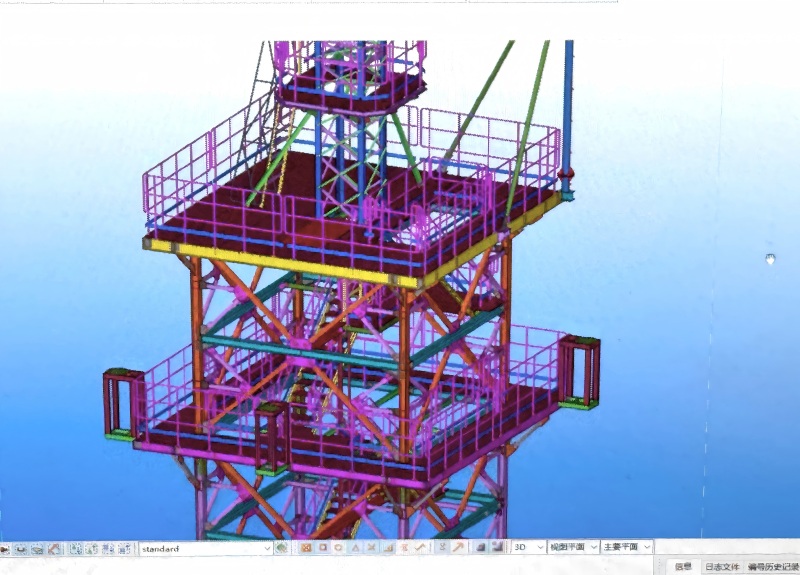
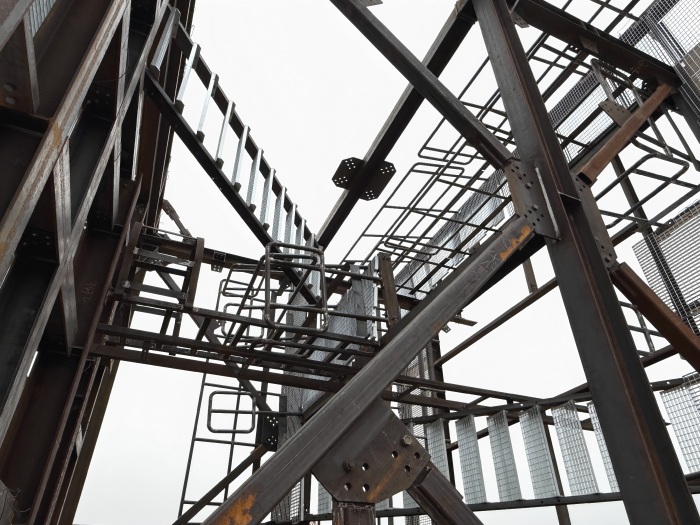
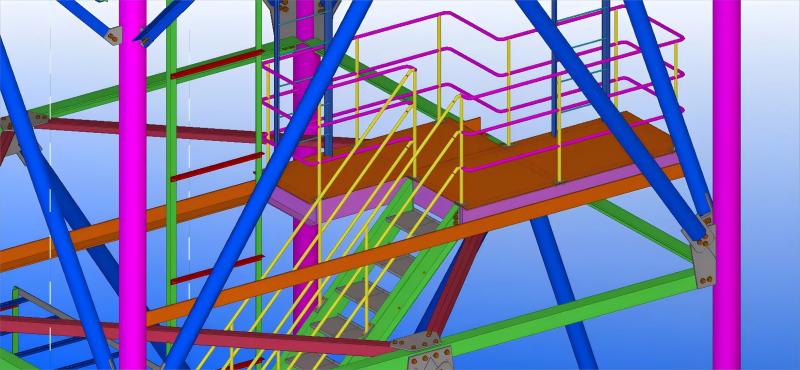
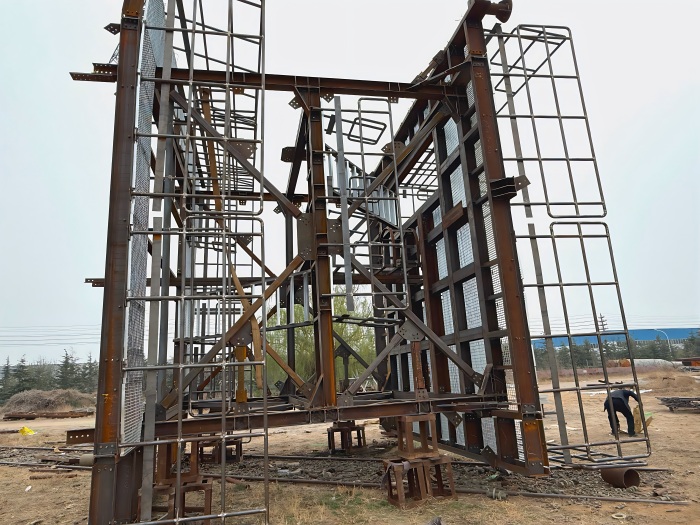
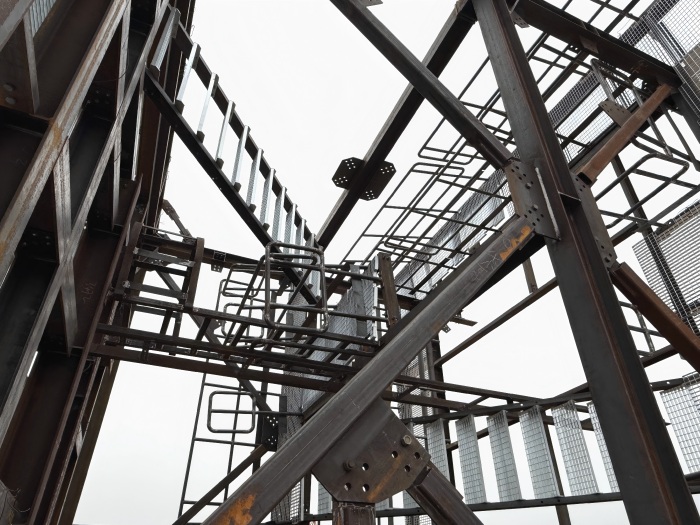
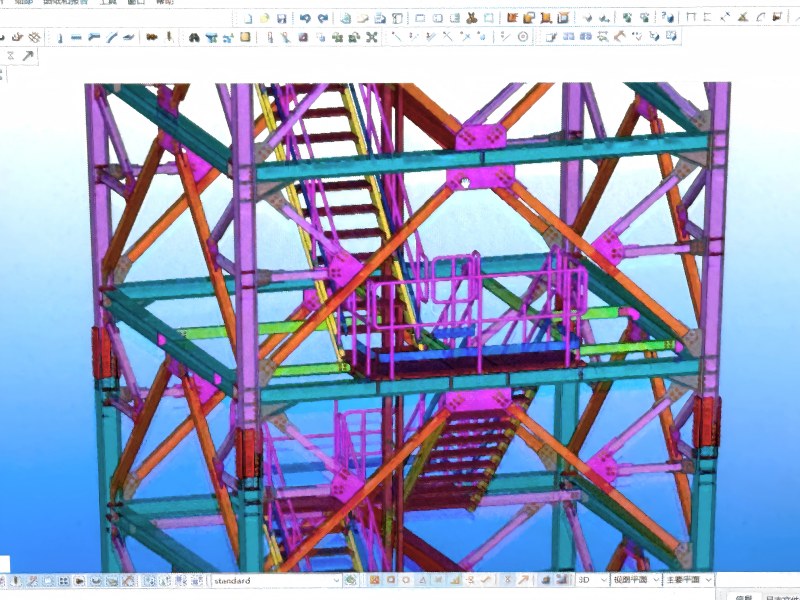
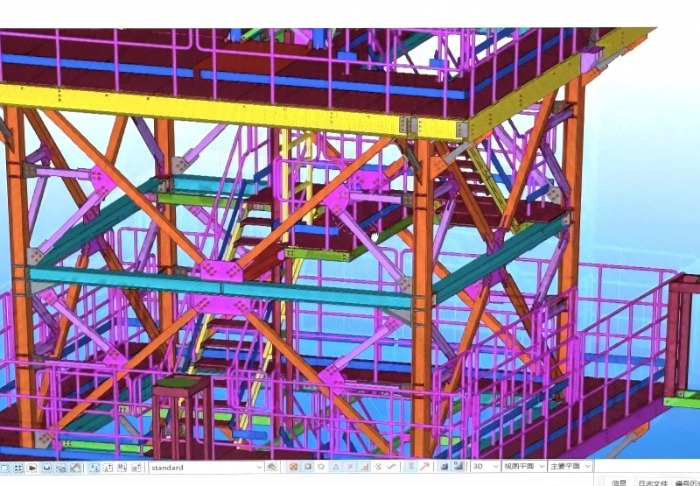
As the global construction industry transitions towards green and low-carbon practices, precast steel structures have become the mainstream choice for modern industrial and civil buildings due to their advantages such as rapid construction, recyclable materials, and superior seismic performance. However, the advantages of precast steel structures are not inherent but rather permeate the entire process, from detailed design and precision manufacturing to on-site installation. The treatment of every connection node and the quality of every weld directly determine the final safety and durability of the building. This article will delve into the key technical details that must be strictly controlled during the production and installation of precast steel structures.

The Production Process of Precast Steel Structures

The production of precast steel structures is the primary hurdle to ensuring the final quality of a building, and its core lies in the comprehensive control of materials, precision, and processes.

1. In the material selection and quality control stage, the strength, toughness, and corrosion resistance of the steel must strictly match the design requirements. At the same time, the quality of auxiliary materials such as welding materials and fasteners is equally crucial, requiring rigorous incoming inspection to ensure the stability and reliability of material performance from the source.

2. Regarding design and processing precision, the design scheme must consider the rationality, safety, and economy of the structure. During the production stage, meticulous processing must be carried out strictly according to the design drawings to ensure that the dimensions, angles, and hole positions of the components are controlled within standard tolerances. For complex irregular-shaped components, specialized processing plans and processes must be developed to ensure perfect interchangeability and assembly precision.

3. Welding and corrosion protection are key processes that determine the lifespan of components. In the welding process, welding methods and process parameters must be selected based on the characteristics of the base material, and the welding area must be protected during operation to prevent defects such as cracks and deformation. For corrosion protection, the material of the steel and the environment in which the building is located must be comprehensively considered to select a suitable coating system, constructing a long-term protective barrier for the steel structure and ensuring its safe use throughout its entire life cycle.

The Installation Process of Precast Steel Structures

The installation of precast steel structures is a crucial step in transforming factory components into a stable building. Its core lies in precise foundation matching, safe hoisting operations, and seamless connection technology.

steel structure installation

1. Foundation construction and acceptance are fundamental to ensuring the stability of the superstructure. Before foundation construction, a detailed geological survey must be conducted to select a suitable foundation type. After foundation construction is completed, rigorous strength and axis retesting and acceptance are required to ensure the accuracy of key data such as elevation and anchor bolt positions, laying a solid foundation for subsequent steel column hoisting.

2. In the component hoisting and installation phase, specialized equipment and an experienced team are essential. Before hoisting, appropriate machinery and lifting points must be selected based on the component's weight, center of gravity, and site conditions to ensure safe and stable handling and positioning. During installation, workers must strictly adhere to the specialized construction plan, correcting the verticality of each steel column and the horizontality of each beam to ensure accurate component axis positioning and secure temporary fixation.

3. Welding and bolting connections are core processes for ensuring the overall rigidity and stability of the structure. For high-strength bolt connections, the torque coefficient must be strictly controlled to ensure tight contact of the friction surfaces. For on-site welding, process parameters must be selected based on the plate thickness and joint type, and effective wind protection and preheating measures must be taken to prevent lamellar tearing or welding defects, ensuring the joint's structural safety.

4. Quality inspection and acceptance are crucial throughout the entire installation process. The installation unit must conduct comprehensive dimensional re-measurement, non-destructive testing of welds, and random checks of bolt torque on the completed structure. Any deviations or defects discovered must be rectified immediately until a re-inspection is passed. Only when the final acceptance confirms that the structure's verticality, overall elevation, and connection quality fully comply with design specifications can it be handed over to the next stage, ensuring the long-term safety of the entire building.

steel structure building

In conclusion, the production and installation of prefabricated steel structures is a highly specialized and systematic project, and its quality and safety depend on precise control of every minute detail. From the precision of component processing to the coordination of on-site hoisting, only by implementing strict operating procedures and a meticulous management philosophy, and ensuring that every process meets national standards and design requirements, can we truly realize the economic benefits and structural advantages of prefabricated steel structures, and safeguard the safety and durability of modern buildings.

For more information needed or any inquiry,please feel free to contact Yumisteel team.

Rebuilding Syria: Overcoming Logistical Challenges with Modular Speed Refugee house


When we talk about the reconstruction of Syria, we aren't just talking about erecting buildings. We are talking about navigating a logistical nightmare. In many post-conflict zones, the roads are damaged, the power grid is unstable, and finding heavy machinery—like large cranes—on-site is often impossible. Yet, the demand for a dignified, safe Refugee house is more urgent than ever.


Traditional construction methods simply cannot keep up. Families cannot wait months for concrete to cure. They need safe homes now.

At FOSHAN SOEASY MODULAR HOUSING CO., LTD, we have spent years refining our designs to strictly meet the demands of these challenging environments. We don’t just sell houses; we provide a "plug-and-play" infrastructure solution.

Why Project Managers Choose Our Solutions for Reconstruction:


1. The Need for Speed: 4-Minute Deployment Time is the most critical resource in relief efforts. Our Folding Container House is designed to win the race against time. It is the ultimate Emergency House solution: a dedicated team can unfold and secure a complete unit in just 4 minutes. This unmatched speed allows relief teams to set up entire camps of Refugee houses in a single day, providing immediate shelter when it matters most.


2. From "Shelter" to "Home": No Crane Required For long-term resettlement, we offer the Expandable Tiny House. This unit elevates the standard of Temporary accommodation with a key logistical advantage: Installation requires only manpower, not cranes. The unique design allows a small team to expand the house by hand, making it the perfect solution for remote areas where heavy machinery is impossible to access. Once manually expanded, this Temporary home transforms into a spacious 2-bedroom living space with a complete bathroom. We offer both Luxury and Economic types to fit different budget allocations, all pre-plumbed and wired for immediate living.


3. Maximizing the Budget In aid projects, every dollar saved on transport is a dollar that can be spent on food or medicine. Our designs are strictly optimized for shipping. We can load multiple folded units into a single 40HQ container. This significantly lowers the ocean freight and inland transportation costs per unit—a crucial factor when moving hundreds of homes across borders.


4. More Than Just Housing A community needs to function. Beyond housing, our modular units are currently being used to build field clinics, temporary schools, and site offices. The Economic Option with steel doors and the Luxury Option with glass sliding doors give you the flexibility to build whatever the community needs, from secure storage to welcoming community centers.

Reconstruction is a long road, but with the right modular technology, we can make the journey faster and more efficient.


Let’s discuss your project requirements. Whether you are an NGO, a government contractor, or a private developer, we have the specs to match your needs.


keyboard_arrow_up