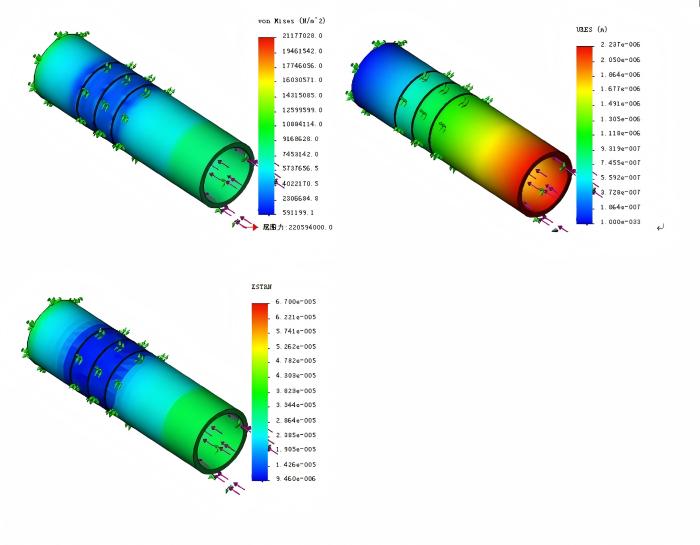
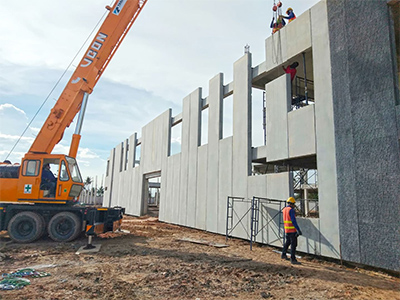
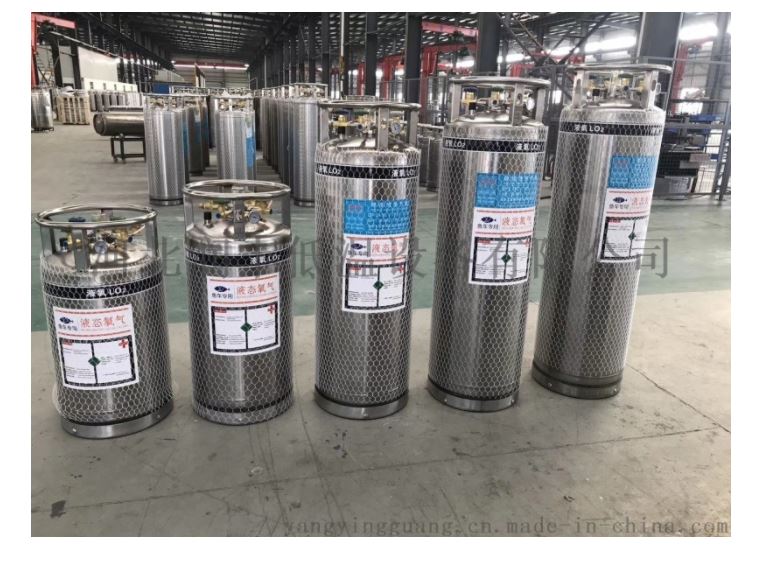
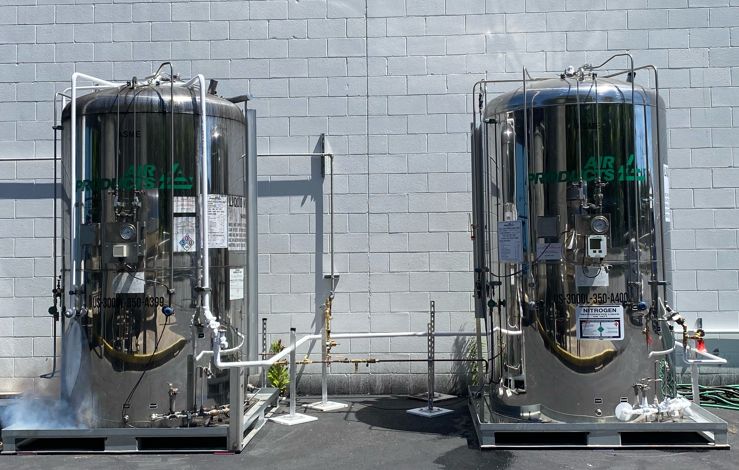
FRP (Fiber Reinforced Plastic) water tanks are known for their durability and long lifespan, typically lasting 20 to 50 years or more, depending on usage and environmental conditions. Their longevity is attributed to the corrosion-resistant nature of the materials, which protect the tank from rust, chemical damage, and environmental wear. However, proper maintenance and usage practices can further extend the lifespan of these tanks.


FRP Water Tank


To maximize the lifespan of an FRP water tank, it is essential to follow a regular maintenance routine. Periodic inspections can help identify minor cracks, leaks, or other issues early, allowing for timely repairs that prevent further damage. Keeping the tank clean by removing sediment buildup and disinfecting regularly ensures optimal performance and hygiene.


Additionally, placing the tank in a shaded or UV-protected area reduces exposure to sunlight, which can degrade the resin over time. Using protective coatings or linings tailored to specific applications, such as chemical storage, also enhances durability.


By adhering to these best practices and working with trusted manufacturers for installation and maintenance, an FRP water tank can provide reliable service for decades, offering a cost-effective and long-lasting storage solution.


BOANG Composites is a professional FRP composites manufacturer in China. We can customize FRP water tanks of various specifications and sizes according to customer requirements. Our products are of good quality and very competitive in price. You are welcome to contact us at any time to discuss cooperation.

Anticipating Structural Challenges from Terahertz Bands

and Ultra-Massive MIMO Arrays


Introduction

As 6G technology accelerates toward commercialization, its ultra-high-speed, low-latency, and hyper-connected vision demands radical upgrades to telecom infrastructure—especially monopole towers. These slim, space-efficient structures must evolve to support revolutionary technologies like terahertz (THz) frequency bands and ultra-massive MIMO (Multiple-Input Multiple-Output) antenna arrays. This blog explores the critical technical advancements required to future-proof monopole towers for 6G's disruptive demands.


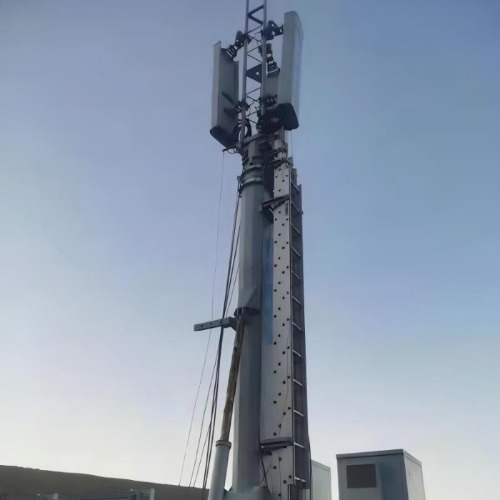
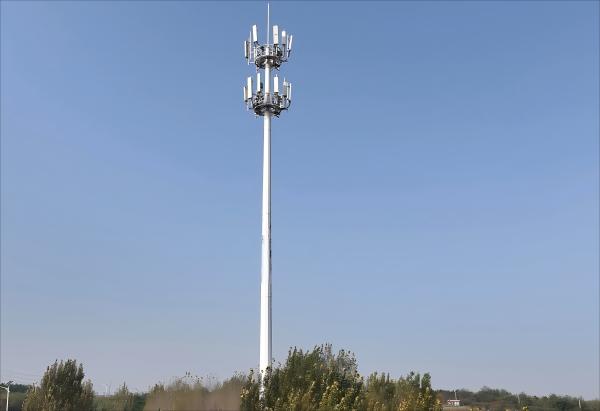
monopole telecom tower


1. Terahertz Frequency Bands: Redefining Tower Density and Design

The Challenge:
6G's use of terahertz frequencies (300 GHz–3 THz) promises speeds up to 1 Tbps but introduces severe propagation limitations:

  • Short transmission range: THz signals attenuate rapidly in air, with effective distances often below 100 meter.

  • Environmental sensitivity: Obstacles like rain, foliage, and even humidity can degrade signal integrity.

Structural Implications for Monopole Towers:

  • Ultra-Dense Deployment: To compensate for short coverage, towers must be deployed 10–20x more densely than 5G networks, requiring miniaturized, low-footprint designs to fit urban and rural landscapes.

  • Height Optimization: Taller towers (e.g., 60–100 meters) may extend line-of-sight coverage, but wind load calculations and foundation stability become critical.

  • Material Innovations: High-strength, lightweight alloys (e.g., carbon fiber composites) will reduce weight while maintaining structural resilience against increased wind shear.


2. Ultra-Massive MIMO Arrays: Reinventing Antenna Integration

The Challenge:
6G's ultra-massive MIMO systems may deploy 1,000+ antenna elements per array, enabling spatial multiplexing for unprecedented capacity. However, this poses:

  • Weight and size burdens: Traditional steel monopoles struggle to support bulky arrays.

  • Signal interference risks: Close-proximity antennas require precise alignment to avoid mutual coupling.

Structural Adaptations:

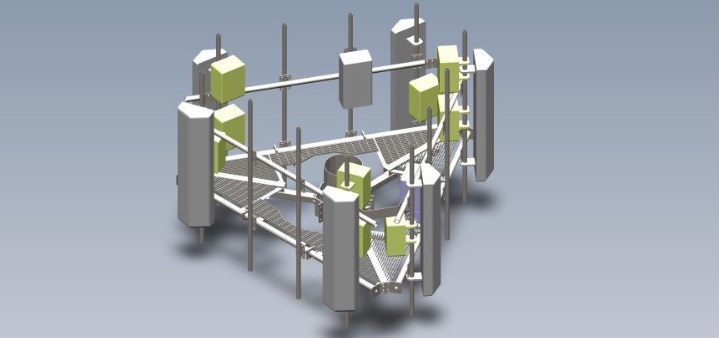
  • Distributed Antenna Systems (DAS): Modular tower designs will segment arrays across multiple tiers, reducing concentrated weight and enabling phased upgrade.

  • Active Cooling Integration: High-frequency antennas generate significant heat, necessitating embedded liquid-cooling channels or passive heat-dissipation coating.

  • Dynamic Beamforming Support: Towers must accommodate reconfigurable intelligent surfaces (RIS) and AI-driven beam steering, requiring adaptive mounting interfaces and power supply redundancy.


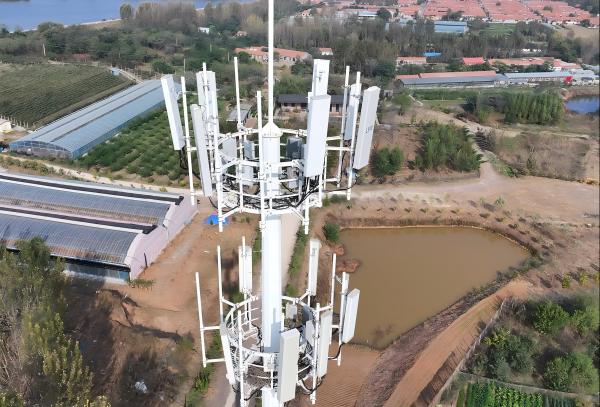
telecom monopole tower


3. Cross-Disciplinary Innovations: Beyond Traditional Tower Engineering

a. AI-Driven Structural Health Monitoring

  • IoT Sensors: Embedding strain gauges, tilt sensors, and corrosion detectors will enable real-time monitoring of tower integrity, especially critical for densely deployed THz towers.

  • Predictive Maintenance: Machine learning algorithms can forecast fatigue points, reducing downtime in extreme weather or high-load scenario.

b. Energy-Efficient Power Systems

  • Solar Integration: Thin-film solar panels on tower surfaces can offset energy demands of power-hungry THz transceiver.

  • Wireless Power Transfer: Resonant inductive coupling could eliminate cables for peripheral IoT devices, simplifying tower maintenance.

c. Multi-Functional Infrastructure

  • Integrated Sensing and Communication (ISAC): Towers will host radar-like sensors for environmental monitoring (e.g., weather, traffic), requiring multi-port RF interfaces and electromagnetic shielding.

  • Satellite Backhaul Compatibility: Support for low-earth orbit (LEO) satellite links demands ultra-stable mounting platforms to minimize signal jitte.


4. Regulatory and Environmental Considerations

  • Global Standardization: Aligning with ITU and 3GPP guidelines for THz band allocation and MIMO configurations will ensure interoperability.

  • Sustainable Materials: Recyclable steel alloys and anti-corrosion nanocoatings will extend tower lifespans in coastal or industrial zone.

  • Aesthetic Integration: Stealth designs (e.g., faux tree trunks, LED-lit pylons) will mitigate visual pollution in urban area.


Conclusion: Building Towers for a Hyper-Connected Future

6G monopole towers are no longer passive steel columns but active, intelligent nodes in a global communication ecosystem. By prioritizing terahertz-ready miniaturization, ultra-massive MIMO adaptability, and AI-driven resilience, operators can ensure these structures withstand 6G's technical and environmental rigors.

At Altai Tower, we're pioneering next-gen monopole solutions that blend cutting-edge materials, modular architectures, and sustainable practices. Ready to future-proof your network? Contact us to explore tailored 6G tower designs.


Learn more at www.alttower.com


Contact Us

Introduction

Monopole towers are the sleek, space-saving backbone of modern telecom networks. But their slim profiles belie a complex engineering reality: compliance with global standards is non-negotiable. For tower operators and telecom providers, navigating the differences between China's GB standards and international IEC norms can feel like decoding a technical labyrinth.

This blog cuts through the complexity. Using a single, easy-to-digest comparison chart, we break down critical disparities in wind load requirements, safety factors, and acceptance protocols. Whether you're deploying towers in Shanghai or São Paulo, this guide ensures you build to last—and comply.


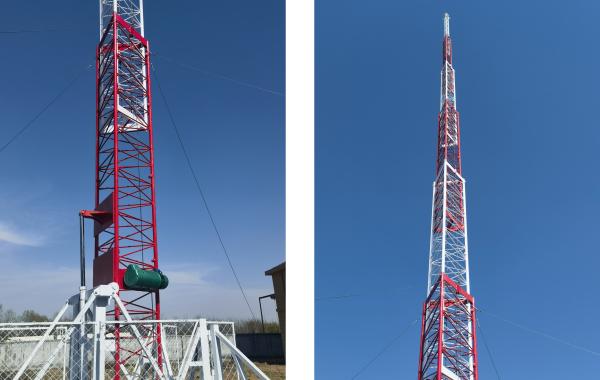
monopole telecom antenna tower


The Standards at a Glance

Criteria China GB 50135-2019 International IEC 61400-6
Wind Load Design 28–55 m/s (6 wind zones) 22.5–52.5 m/s (4 wind classes)
Safety Factor ≥2.5 (ultimate strength) ≥1.5–2.0 (load resistance)
Foundation Testing Static load + 1.5x overload Dynamic load simulation
Coating Inspection ≥86μm HDG thickness (salt spray ≥1,000h) ≥80μm HDG (ISO 1461)
Documentation Full traceability (steel mill to site) Risk assessment + FAT reports


1. Wind Load: How Strong is Strong Enough?

  • GB Standards (China):
  • Divides China into 6 wind zones (28 m/s in inland areas → 55 m/s in coastal typhoon zones).

  • Mandates 1-in-50-year wind speed as baseline, with 1.1x multiplier for towers >60m.

  • IEC Standards (Global):
  • Uses 4 wind classes (I to IV) based on 10-minute average speeds (22.5–52.5 m/s).

  • Requires turbulence intensity calculations for complex terrains (e.g., urban canyons).

  • Why It Matters: A tower designed to GB's 55 m/s typhoon standard may be over-engineered for IEC Class IV (52.5 m/s), wasting material costs.

2. Safety Factors: Balancing Strength and Cost

  • GB's Conservative Approach:
  • Demands a minimum 2.5x safety factor for ultimate load capacity (e.g., tower must withstand 2.5x design wind load without collapsing).

  • Prioritizes redundancy for earthquake-prone regions.

  • IEC's Risk-Based Model:
  • Allows 1.5–2.0x safety factors, depending on failure consequences (e.g., towers near hospitals vs. rural areas).

  • Aligns with Eurocode's probabilistic load models.

  • Case Study: A dual-standard tower in Malaysia used GB's 2.5x factor for the base but IEC 1.8x for antennas, saving 12% in steel costs.

telecom antenna monopole tower


3. Acceptance Testing: From Paperwork to Field Checks

  • GB's Rigorous Process:
  1. Pre-construction: Steel mill certificates + welding procedure qualifications.

  2. On-site: Static load tests (1.5x design load for 24h) + ultrasonic weld checks.

  3. Post-build: Coating thickness measured at 20+ points per tower section.

  • IEC's Streamlined Workflow:
  1. Design Phase: Finite Element Analysis (FEA) validation + FAT (Factory Acceptance Testing).

  2. Field Inspection: Spot checks on bolt torque (e.g., 30% of connections) + drone-based tilt surveys.

  • Pro Tip: IEC-accepted towers often require 30% less inspection time but rely heavily on documented simulations.

  • The Big Picture: Which Standard Should You Choose?
  • Build in China? Follow GB strictly—regulators prioritize compliance over cost savings.

  • Global Projects? IEC offers flexibility but may need localized tweaks (e.g., adding GB's corrosion checks in humid climates).

  • Hybrid Approach: For cross-border operators, blending GB's durability with IEC's risk-based models can optimize cost and safety.


  • Conclusion: Standards Are Not One-Size-Fits-All
  • While GB and IEC share the same goal—building towers that don't fall down—their paths diverge in philosophy and execution. Understanding these differences isn't just about avoiding penalties; it's about building smarter, faster, and more economically.


  • Need Help Navigating Standards?
    At Altai Tower, we specialize in designing monopole towers that meet GB, IEC, and localized requirements seamlessly. [Contact us] for a free compliance assessment!


Introduction:
Angle steel communication towers are the backbone of modern telecommunication networks, supporting antennas, transmitters, and receivers that keep the world connected. However, these structures face relentless challenges—harsh weather, corrosive environments, and decades of service demands. The key to their longevity lies in a meticulously engineered combination of material science, advanced manufacturing, and proactive maintenance. In this blog, we unveil the technical strategies that ensure angle steel towers stand tall for generations.


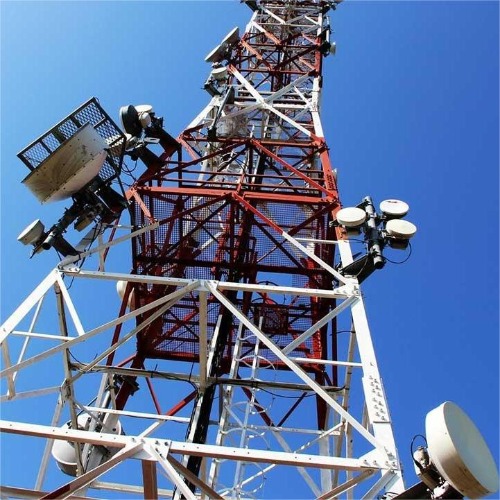
angle steel antenna tower


1. Material Selection: The Foundation of Durability

The journey to durability begins with choosing the right steel. Not all steel is created equal:

High-Strength, Low-Alloy (HSLA) Steels: Grades like Q345B (China) or ASTM A572 (international) offer superior strength-to-weight ratios and resistance to atmospheric corrosion.

Environmental Adaptability: In coastal or industrial areas with high salinity or pollution, sulfur-resistant steels or aluminum-zinc alloy-coated materials may be prioritized.

Quality Standards: Compliance with ISO 1461 (hot-dip galvanizing) and ASTM A123 ensures material integrity from the outset.

Pro Tip: Over 70% of tower failures originate from substandard materials. Partnering with certified suppliers is non-negotiable.


2. Hot-Dip Galvanizing: The First Line of Defense

Hot-dip galvanizing (HDG) is the gold standard for protecting steel structures. Here's why:

Process: Steel components are immersed in molten zinc at 450°C, forming a metallurgical bond that creates a barrier against moisture and oxygen.

Benefits: A 100-μm HDG coating can provide 50+ years of protection in moderate environments, with self-healing properties to minor scratches.

Quality Control: Coating thickness, adhesion, and uniformity are rigorously tested using magnetic gauges and cross-cut tests.


3. Advanced Coating Systems: Doubling Down on Protection

For extreme environments, supplementary coatings add an extra layer of security:

Epoxy Primers: Applied before galvanizing, they enhance adhesion and fill microscopic pores in the zinc layer.

Polyurethane Topcoats: UV-resistant finishes prevent chalkiness and fading in deserts or tropical climates.

Cathodic Protection: For towers in coastal zones, sacrificial anodes (e.g., zinc or magnesium) are installed to divert corrosion away from critical joints.

Case Study: A tower in Saudi Arabia's Rub'  al Khali desert survived 15 years of sandstorms and 50°C heat using a hybrid HDG-polyurethane system.


angle steel telecom tower


4. Maintenance Strategies: Prolonging Tower Lifespan

  • Even the best materials need vigilant upkeep:
  • Biannual Inspections: Use drones and ultrasonic sensors to detect cracks, coating degradation, or rust spots.

  • Cleaning Protocols: Remove salt deposits, bird droppings, and debris that trap moisture.

  • Touch-Up Kits: Rapid-repair solutions for damaged coatings, such as zinc-rich paints or cold galvanizing compounds.


  • 5. The Future: Smart Corrosion Monitoring
  • IoT-enabled sensors are revolutionizing tower maintenance:
  • Real-Time Data: Embedded sensors track corrosion rates, strain, and environmental factors (humidity, pH).

  • Predictive Analytics: AI algorithms forecast maintenance needs, slashing downtime by up to 40%.


  • Conclusion
    The durability of angle steel communication towers isn't accidental—it's the result of science, precision engineering, and relentless innovation. By prioritizing high-quality materials, multi-layered anti-corrosion systems, and smart maintenance, operators can ensure these critical infrastructures withstand the test of time and nature.

angle steel telecom antenna tower


Learn more at www.alttower.com


Contact Us

Why Do Scenic Areas Only Allow Camouflage Tree Towers? The Hidden Rules of Aesthetics and Ecology

From the misty peaks of Huangshan to the sun-kissed resorts of Dubai, camouflage tree towers—disguised as pine trees, palm trees, or other native flora—have become the unspoken rule for telecom infrastructure in scenic zones. But why are traditional monopole or lattice towers banned in these areas? The answer lies at the intersection of cultural preservation, environmental politics, and the growing power of public opinion. Let’s unravel the reasons behind this global trend.


palm tree telecom tower


1. The Iron Fist of Scenic Area Regulations

Governments and heritage organizations enforce strict visual guidelines to protect the integrity of natural and cultural landscapes:

UNESCO World Heritage Sites: Towers must “blend invisibly” with surroundings to avoid losing heritage status.

Example: In Italy’s Cinque Terre, faux-cypress towers replaced monopoles after UNESCO threatened to revoke its designation.

National Park Policies: The U.S. National Park Service mandates towers to mimic local trees, citing the 1916 Organic Act’s “unimpaired conservation” principle.

Tourism Economics: A single “eyesore” tower can deter visitors. A 2022 study found that camouflaged towers in New Zealand’s Fiordland boosted tourist satisfaction by 34%.


2. Aesthetic Warfare: The Battle Against Visual Pollution

Scenic areas prioritize “untouched” beauty, making traditional towers politically toxic:

Public Backlash: In 2023, a proposed monopole near Canada’s Banff National Park sparked 10,000+ petitions. The project was scrapped in favor of pine-disguised towers.

Architectural Harmony: Camouflage towers adapt to regional styles:

Alpine zones: Cedar or pine designs.

Desert resorts: Palm or saguaro cactus replicas.

Tropical beaches: Coconut tree-inspired structures.


3. The Ecology Card: Greenwashing or Genuine Impact?

While camouflage towers aren’t inherently eco-friendly, they align with conservation narratives:

Wildlife Protection: In Kenya’s Maasai Mara, giraffe-shaped towers reduced bird collisions by 60% compared to standard monopoles.

Low-Key Footprints: Smaller bases minimize soil disruption in fragile ecosystems like wetlands.

Carbon Neutrality Claims: Some operators pair camouflage towers with solar panels (hidden as “leaves”) to market “green networks.”


4. The Cost of Saying “No”: Legal and Financial Risks

Rejecting camouflage designs can backfire:

Permit Denials: In France’s Provence, telecom giant Orange faced 18-month delays by insisting on monopoles.

Fines: Costa Rica fines operators $50,000 per “visually disruptive” tower in protected zones.

Reputation Damage: A viral photo of a monopole “ruining” Iceland’s Skógafoss waterfall cost a telecom brand 12% in customer trust.


bionic tree telecom tower


5. Case Study: Huangshan’s Pine Tree Towers – Success or Compromise?

China’s Huangshan (Yellow Mountain), a UNESCO Global Geopark, offers a blueprint:

Challenge: Rolling out 5G without harming its iconic granite peaks and ancient pine vistas.

Solution: 120+ towers disguised as Huangshan pines, complete with artificial bark and needle-like antennas.

Results:

5G coverage achieved with zero tourist complaints.

Maintenance costs rose by 40%, but provincial subsidies covered 60% of expenses.


6. The Critics’ Corner: Is This Just Theater?

Skeptics argue that camouflage towers prioritize optics over functionality:

Signal Obstruction: Dense faux foliage can weaken coverage by 15–20%, per a 2023 MIT study.

Cost Hypocrisy: Taxpayers often foot the bill. Norway’s $420,000-per-tower “fir tree” project drew ire for misusing conservation funds.

Material Waste: Most artificial trees use non-recyclable fiberglass and PVC, contradicting sustainability claims.


7. The Future: Smarter Stealth Tech on the Horizon

Emerging innovations aim to resolve trade-offs:

Bio-Camouflage: Living trees with embedded micro-antennas (pioneered in Singapore).

Holographic Towers: Projection-based “invisible” towers tested in Japan.

AI-Optimized Designs: Algorithms balance aesthetics and signal strength, slashing coverage loss to 5%.


Conclusion: The Unavoidable Price of Preservation

Scenic areas mandate camouflage tree towers not because they’re perfect, but because they’re the least bad option in a world demanding both connectivity and untouched beauty. While costs and technical compromises remain, the alternative—angry tourists, legal battles, and ecological shame—is far worse.

As one park ranger in Yosemite put it: “Visitors don’t come here to see bars on their phones. They come to see nature. Our job is to make sure they don’t notice the difference.”


Learn more at www.alttower.com


Contact Us

--Introduction

The rollout of 5G networks is reshaping global connectivity, demanding faster deployment, denser infrastructure, and unprecedented scalability. Traditional telecom towers, often plagued by lengthy construction timelines and rigid designs, struggle to keep pace. Enter modular angle steel towers—a game-changing innovation engineered to meet 5G's challenges head-on. By combining prefabricated precision with adaptable architecture, these towers are redefining what's possible in telecom infrastructure. Let's explore how their speed, flexibility, and future-proofing capabilities make them the ideal choice for the 5G era.


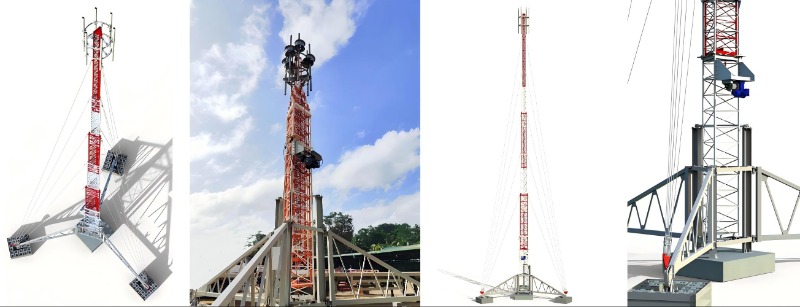
angle steel telecom tower 


1. Speed: Accelerating 5G Deployment

The Problem:
5G networks require up to 10x more base stations than 4G to achieve seamless coverage, especially for high-frequency mmWave bands. Delays in tower construction can derail rollout schedules and revenue targets.

The Modular Advantage:

  • Prefabricated Components: Towers are manufactured off-site in standardized modules, slashing on-site assembly time by 30–50%.

  • Plug-and-Play Assembly: Bolt-together connections eliminate complex welding, enabling rapid installation even in remote or congested urban areas.

  • Case Study: A telecom operator in Germany deployed 200 modular towers in 6 months—a feat unachievable with conventional methods.

Key Takeaway: Modular design turns months of construction into weeks, ensuring 5G networks go live faster.


2. Flexibility: Adapting to Evolving Needs

The Problem:
5G's requirements vary wildly—from dense urban small cells to rural macro towers. Legacy structures often lack the agility to adapt.

The Modular Advantage:

  • Scalable Height and Load: Easily add or remove sections to adjust tower height (e.g., from 30m to 60m) or accommodate new antenna arrays.

  • Multi-Operator Sharing: Modular frameworks simplify adding platforms for multiple carriers, avoiding costly overbuilding.

  • Terrain Versatility: Lightweight modules can be transported via helicopter or small trucks to mountainous or forested regions.

Real-World Example: In India, a single modular tower in Mumbai supports 3 operators, 12 antennas, and IoT sensors—all added incrementally without downtime.


angle steel telecom tower


3. Future-Proofing: Building for Tomorrow's Tech

The Problem:
6G, AI-driven networks, and terahertz frequencies loom on the horizon. Infrastructure must evolve without requiring total rebuilds.

The Modular Advantage:

  • Tech-Agnostic Design: Modular towers seamlessly integrate emerging hardware like massive MIMO panels, mmWave radios, or even satellite uplinks.

  • IoT-Ready Infrastructure: Built-in cable trays, power conduits, and sensor mounts simplify retrofitting smart monitoring systems.

  • Sustainable Upgrades: Replace individual aging modules instead of demolishing entire towers, cutting lifecycle costs by 40%.

Expert Insight: "Modularity isn't just about 5G—it's about creating a framework that absorbs future innovations," says Dr. Elena Torres, a telecom infrastructure strategist.


  • 4. Sustainability: An Often-Overlooked Perk
  • While speed and adaptability steal headlines, modular towers also excel in eco-efficiency:
  • Reduced Waste: Precision manufacturing minimizes material overuse.

  • Lower Carbon Footprint: Fewer trucks and shorter construction times mean fewer emissions.

  • Reusable Modules: Decommissioned sections can be repurposed for new projects.


  • Conclusion: The Backbone of Agile Networks
  • Modular angle steel towers aren't just a solution for today's 5G demands—they're a strategic investment in a hyper-connected future. By prioritizing speed, flexibility, and scalability, operators can stay ahead of technological shifts while optimizing costs and minimizing environmental impact.
  • At Altai Tower Co., Ltd, we specialize in designing and deploying modular towers tailored to 5G's unique challenges. Ready to future-proof your network? Contact our team to explore custom solutions.


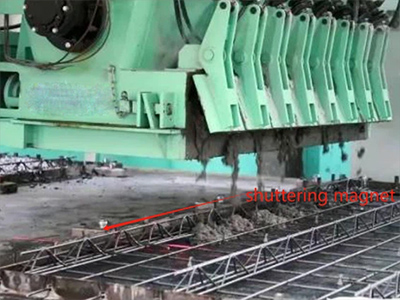
In the precast concrete industry, the shuttering magnet system has become a key technology to improve construction efficiency due to its fast positioning, high precision and reusability. However, the disassembly of the magnet often leads to efficiency bottlenecks due to complex operations or improper tools. As a supporting solution, the Releasing Tool for Shuttering Magnet has completely changed this situation through innovative design and has become an indispensable "efficient demoulding assistant" in the modern building formwork system.

Releasing Tool for Shuttering Magnet

The Releasing Tool is a disassembly tool designed specifically for magnetic mold systems. Its core function is to safely and quickly separate the magnetic mold from the casting platform. Its design highlights include:

1. One-button release mechanism: By pressing the handle or operating the lever, the internal mechanism of the tool can instantly release the magnetic adsorption, avoiding physical damage to the mold or magnet by traditional crowbars.

2. Compatibility and adaptation: supports a variety of magnetic mold specifications (such as U60, aluminum side molds, etc.), and adapts to scene requirements of different magnetic strengths.

3. Ergonomic design: The tool is light and comfortable to hold, reducing operator fatigue, especially suitable for precast factory environments with high-intensity repetitive operations.


Why choose Releasing Tool? Three core advantages

1. Efficiency increased by more than 50% - Traditional magnetic mold disassembly relies on manual prying, which is time-consuming and easy to damage the mold surface. Releasing Tool uses standardized operating procedures to shorten the single disassembly time to less than 10 seconds, which is especially suitable for prefabricated wall panels, beams and columns and other components produced at high frequencies.

2. Double guarantee of safety and durability - The tool is made of high-strength alloy material, which is impact-resistant and corrosion-resistant. Its "contactless" disassembly mechanism greatly reduces the risk of workers' finger pinching and complies with European machinery safety regulations (such as MD2006/42/EC). In addition, the aluminum side molds of the magnetic mold system are used in conjunction with the disassembly tool, and the service life can reach more than 10 years, reducing replacement costs.

3. Environmental protection and economy - By reducing wood consumption and mold loss, Releasing Tool indirectly reduces construction costs. Its reusable characteristics are also in line with the concept of green building.


Usage and maintenance tips

- Operation specifications: Ensure that the concrete reaches the demolding strength (usually ≥15 MPa) before disassembly, and clean the impurities on the surface of the magnetic mold to avoid tool jamming.

- Regular maintenance: Lubricate the joints of the tool every quarter and check the flexibility of the handle mechanism; it is recommended to apply anti-rust oil to the magnetic mold system to extend the service life.

- Training and safety: Operators need to receive professional training and be familiar with the matching method of tools and magnetic molds to avoid misoperation that may cause magnetic attenuation or tool damage.

Flat-pack container houses, also known as prefabricated container homes, are a new and innovative approach to sustainable and affordable housing solutions. These homes are constructed using repurposed shipping containers that are transformed into comfortable and modern living spaces.

The concept of flat-pack container houses is gaining popularity due to the increasing demand for affordable housing and the need for sustainable building practices. Flat-pack container houses offer several advantages over traditional housing options.

Firstly, flat-pack container houses are extremely affordable. The cost of purchasing and transforming a container into a home is significantly lower than the cost of building a traditional home. This is mainly due to the use of prefabricated components, which reduces the cost of construction.

Secondly, flat-pack container houses are highly sustainable. The repurposed containers used in the construction process are made from durable materials such as steel and wood, and can last for several decades. By using prefabricated components, the need for on-site construction is reduced, which reduces the environmental impact of the construction industry.

Thirdly, topinduscabin flat-pack container houses can be easily transported and installed. The shipping containers are designed to be stackable, which allows for easy transportation and storage. Once the home is constructed, it can be quickly and easily installed on the desired property. This flexibility allows flat-pack container houses to be used as temporary housing solutions, such as disaster relief shelters or vacation rentals, in addition to permanent residences.

Despite their advantages, flat-pack container houses are not without challenges. One of the main challenges is the difficulty in insulating the containers and making them energy-efficient. Additionally, the use of steel and wood in the construction process can lead to corrosion and rot over time if not properly maintained. To address these challenges, prefabricated container homes are being designed to be more energy-efficient, with better insulation and heating and cooling systems. Additionally, maintenance guidelines are being developed to ensure the longevity of these homes.

In conclusion, flat-pack container houses offer an innovative and sustainable solution to the affordable housing crisis. By using repurposed shipping containers as building blocks, prefabricated container homes provide a cost-effective and environmentally friendly alternative to traditional housing options. As we continue to grapple with the challenges of providing affordable and sustainable housing solutions, it’s likely that we will see more of these flat-pack container houses popping up around the world.


In precast concrete construction, accurate positioning of rebar is a core element to ensure the strength and durability of building structures. As an innovative accessory in modern engineering, Rebar Spacer Wheels are becoming the "invisible guardian" of the global construction industry with their efficiency and reliability. Plastic Rebar Chair is made out of durable non-corroding high-density plastic which is both strong and light. Our rebar chair systems cannot change shape and will provide a uniform concrete cover. A plastic Rebar Chair for concrete support can be used in tilt-up and slab work. They are stable and economical. Its fastening system is strong and versatile.

Rebar Spacer Wheels


Why has Rebar Spacer Wheels For Precast Concrete become the industry standard?

Precisely control the thickness of the concrete cover

Traditional construction relies on sand pads or temporary brackets, which can easily lead to uneven thickness of the cover, while the spacer wheel achieves precise positioning through standardized sizes (such as 1 inch, 3 inches, etc.) to ensure compliance with engineering specifications.

Open design optimizes concrete fluidity

The hollow structure of the spacer wheel allows concrete to flow freely, avoiding the formation of voids or honeycomb defects due to support obstruction, thereby improving the overall density of the structure. Some products also adopt a "point contact" design, which only contacts the formwork through plastic protrusions, reducing the need for repairs after demolding.

Installation efficiency increased by more than 50%

The snap-in design does not require tying wires, and only needs to press the steel bar into the center slot to complete the fixation. It is especially suitable for #3-#6 steel bars, which greatly shortens the construction period.

Long-term durability and environmental protection

High-density plastic materials are resistant to acid and alkali corrosion, and their service life far exceeds that of traditional metal supports. Plastic materials are recyclable and in line with the trend of green buildings.

Rebar Spacer WheelsRebar Spacer Wheels


Key parameters for selection:

Rebar specifications: Suitable for #3-#6 rebar (diameter 9.5mm-19mm).

Protective layer thickness: Select 1 inch to 3.5 inches according to design requirements.

Packing specifications: For large projects, large packaging of 200-2500 pieces per box can be selected to reduce costs.

In prefabricated buildings, bridge projects and even nuclear power facilities, the lifting of heavy components has always been a core challenge for construction safety and efficiency. Traditional welding of lifting lugs or wire rope bundling is not only time-consuming, but may also cause concrete cracking due to uneven force. A device called Lifting Socket (lifting sleeve/lifting sleeve) is quietly becoming the "invisible lifting hand" of modern industrialized construction. How does it achieve precise lifting? And why is it called the "soul accessory" of modular buildings?


Lifting Socket

1. Lifting Socket: More than just an "iron ring"

Lifting Socket is a standardized lifting interface embedded in concrete or steel structure. It looks like a simple metal sleeve, but it hides a sophisticated design inside. It can evenly transfer several tons or even hundreds of tons of load to the main body of the component through quick connection with the crane sling, which can be called the "Swiss Army Knife" in the field of heavy lifting.

Core structure revealed

"Steel and iron" sleeve body

- Material: high-strength alloy steel or stainless steel, galvanized or sprayed with anti-corrosion layer on the surface, suitable for harsh environments such as humidity and salt spray.

- Internal structure: threaded hole, conical slot or standardized socket, suitable for eyebolts, shackles or special slings.

- External design: surround the anchor bar or groove to ensure a tight "bite" with the concrete to avoid force disengagement.

Pre-embedded system: invisible foundation

- Fixed in the formwork by binding or welding before pouring, deeply integrated with the component steel mesh to form a "mechanical community".

- Some models support detachable design, which enables the sleeve to be reused and reduces construction costs.


2. Why do we need Lifting Socket?

Three major pain points of traditional lifting

- High risk: The steel wire rope is easily squeezed into the edge of the concrete, which can easily cause cracks.

- Low efficiency: Each component needs to be welded with a lifting lug separately, which is time-consuming and labor-intensive.

- Irreversible: The exposed lifting point destroys the appearance of the component, and the later processing is cumbersome.

Lifting Socket's breakthrough advantage

Safety doubled - The load is evenly dispersed through the embedded system to avoid stress concentration, and the lifting accident rate is reduced by more than 70% (according to ISO 14545 standard test).

Efficiency revolution - The lifting device is "plug and play", and the single connection time is shortened from 20 minutes to 30 seconds, which is particularly suitable for batch prefabricated lifting.

Invisible aesthetics - After completion, the sleeve can be closed with a cover plate to achieve "traceless lifting" to meet the aesthetic needs of high-end buildings.


3. From factory to construction site: Lifting Socket full process analysis

Design stage: Actuarial mechanics and positioning - According to the weight and center of gravity of the component, the number of sleeves and the embedded coordinates are determined through the BIM model, and the error must be controlled within ±2mm.

Four-step installation method

- Step 1: Fix the sleeve on the steel skeleton before pouring, and vibrate and compact after injecting concrete.

- Step 2: After the maintenance is completed, screw in the galvanized eyebolt (thread lubricant needs to be applied).

- Step 3: Connect the crane hook and perform a static load test of 125% rated load.

- Step 4: After the lifting is completed, remove the bolts and cover them with protective covers to prevent foreign objects from entering.

Key points of operation and maintenance

- Rust prevention management: Coastal projects need to check the thread rust every month and use special grease for maintenance.

- Life warning: After a single sleeve is used for more than 200 times, magnetic particle inspection is required to detect internal cracks.


Lifting SocketLifting Socket

From the prefabricated arch ribs of the Sydney Opera House to the immersed tube tunnel of the Hong Kong-Zhuhai-Macao Bridge, the Lifting Socket, with its seemingly low-key attitude, is pushing modern architecture towards a more efficient and safer direction. It is not only a carrier of technology, but also a concrete embodiment of industrial thinking in the field of construction. In the future, with the popularization of intelligent construction, this "invisible screw" may redefine the rules of the game for heavy lifting.

keyboard_arrow_up